The CZA was formed to bring Indian zoos up to international standards. Before the CZA was formed, many zoos were poorly managed, with unsuitable animal enclosures and little or no breeding records of animals, which caused inbreeding and hybridization (genetic pollution, as in one case where an Asiatic lion were cross-bred with an African lion).
The Central Zoo Authority has been constituted under the section 38A of Wild Life (Protection) Act 1972. The Authority consists of a Chairman, ten members and a Member Secretary. The main objective of the authority is to complement the national effort in conservation of wild life. Standards and norms for housing, upkeep, health care and overall management of animals in zoos has been laid down under the Recognition of Zoo Rules, 1992. Every zoo in the country is required to obtain recognition from the Authority for its operation. The Authority evaluates the zoos with reference to the parameters prescribed under the Rules and grants recognition accordingly. Zoos which have no potential to come up to the prescribed standards and norms may be refused recognition and asked to close down.
Since its inception in 1992, the Authority has evaluated 347 zoos, out of which 164 have been recognised and 183 refused recognition. Out of 183 zoos refused recognition, 92 have been closed down and their animals relocated suitably. Cases of the remaining 91 non-recognised zoos are currently under review. The Authority’s role is more of a facilitator than a regulator. It, therefore, provides technical and financial assistance to such zoos which have the potential to attain the desired standard in animal management. Only such captive facilities which have neither the managerial skills nor the requisite resources are asked to close down.
Apart from the primary function of grant of recognition and release of financial assistance, the Central Zoo Authority also regulates the exchange of animals of endangered category Listed under Schedule-I and II of the Wildlife Protection Act among zoos. Exchange of animals between Indian and foreign zoos is also approved by the Authority before the requisite clearances under EXIM Policy and the CITES permits are issued by the competent authority.
The Authority also coordinates and implements programmes on capacity building of zoo personnel, planned breeding programmes and ex-situ research including biotechnological intervention for conservation of species for complementing in-situ conservation efforts in the country. Some of the major initiatives undertaken by the Authority since its inception include establishment of a laboratory for conservation of endangered species at Hyderabad for carrying out research in biotechnology, planned breeding of red panda and its restocking into the wild, upgrading diagnostic facilities for disease diagnosis at selected veterinary institutions and their networking with zoos on regional basis for better health...
Read moreEstablished basically as the private zoo by late Prime Minister Juddha Sumsher J.B. Rana in 1932, The Central Zoo is the only zoo in Nepal. The Government of Nepal finally opened the zoo to the public in 1956. The Zoo remained under the management of various Departments of the Government for various years. It was only when the zoo was managed meeting the standards when it was handed over to The National Trust for Nature Conservation (NTNC) in December 1995. The Trust has developed plans and policies to maintain the zoo and improve the living conditions of animals.
The Trust is an autonomous, non-profit making organization, established in 1982 by Legislative Act to work in the field of biodiversity with the people's participation. NTNC aims to develop the Central Zoo as a center for wildlife research and conservation education. NTNC has developed a master plan for the Central Zoo which has already received the endorsement of both the government and the Central Zoo Management and Development Committee. The Major thrust of the master plan is on three components physical improvement, animal collection and management and conservation education.
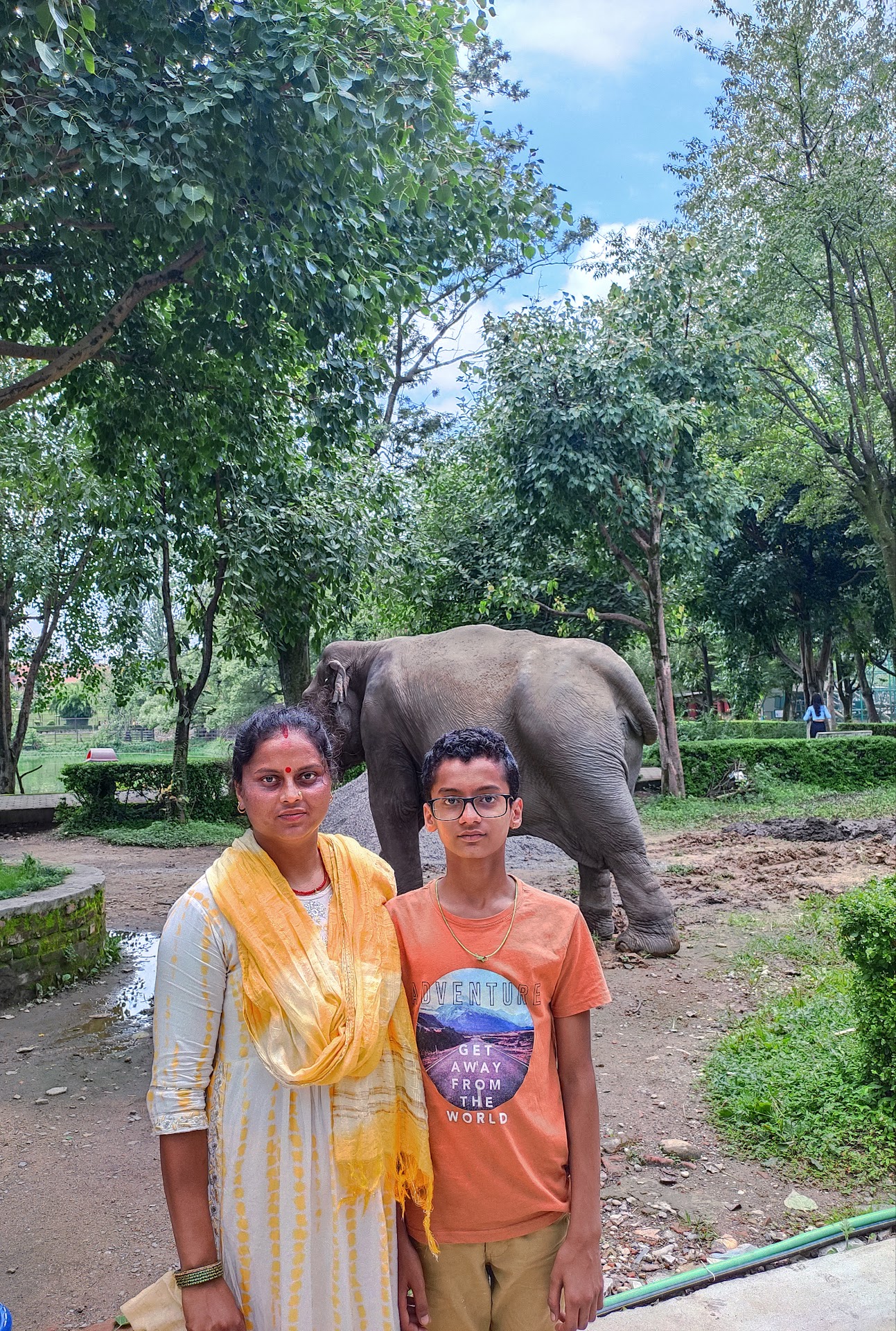
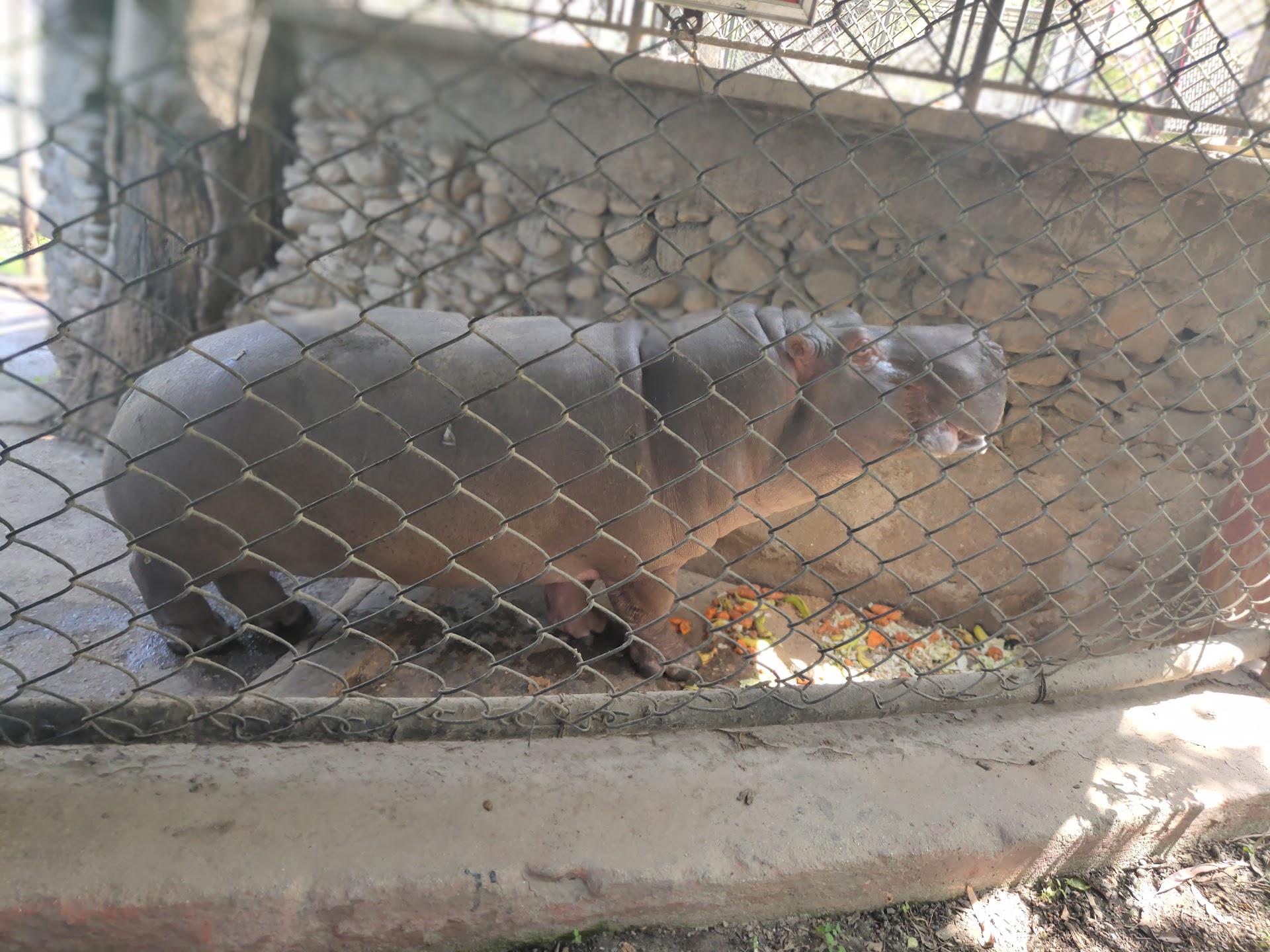
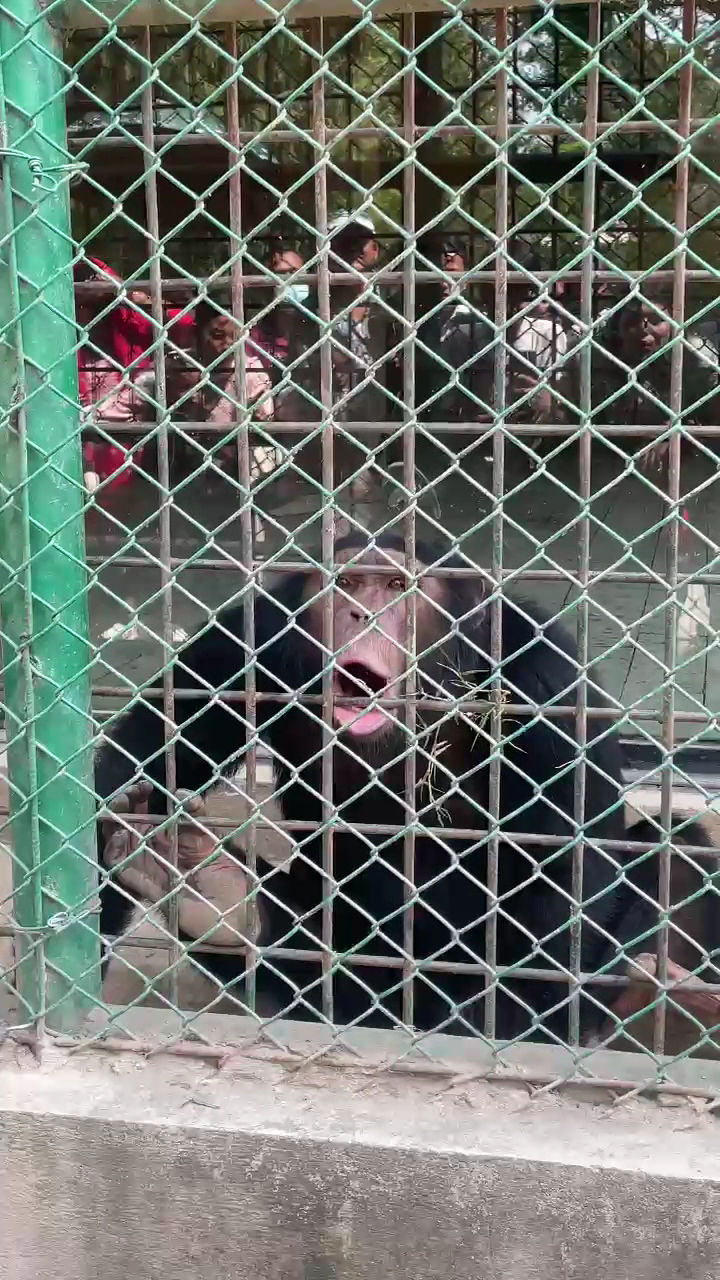
The Central Zoo is located at Jawlakhel of Lalitpur District. It covers an area of six hectares. As of Chaitra 2067, it houses more than 700 animals of 108 different species. Among these 34 are mammals, 51 are birds, 9 are reptiles and 14 are fishes.
The National Trust For Nature Conservation (NTNC) is developing the Central Zoo as a Center for Conservation Education and Wildlife Research in Nepal. Its major objectives are:
To improve animal health and welfare by creating natural habitat and providing food according to their dietary requirement;
To encourage research and provide conservation education through first-hand experience of wild animals; and
To raise public awareness on the importance of nature conservation.
Physical facilities at the Central Zoo
Information counter
Restaurant
Souvenir shop
Paddleboat and rafting
Picnic shed
Couple chairs
Children ground (swings, funny temple, merry-go-round, Uranus etc.)
Elephant ride
Visitor centre (with audio visual facilities)
Library (books and audio visuals)
Aquarium...
Read moreThe Central Zoo, located in Jawalakhel, Lalitpur, Nepal, is a popular and educational destination for visitors of all ages. This zoo provides a unique opportunity to explore a wide variety of wildlife indigenous to Nepal and other parts of the world.
One of the standout features of the Central Zoo is its focus on conservation and education. The zoo is actively involved in breeding and research programs for endangered species, making it an important institution for wildlife preservation in Nepal. Visitors can learn about these efforts and gain a deeper understanding of the challenges faced by many species.
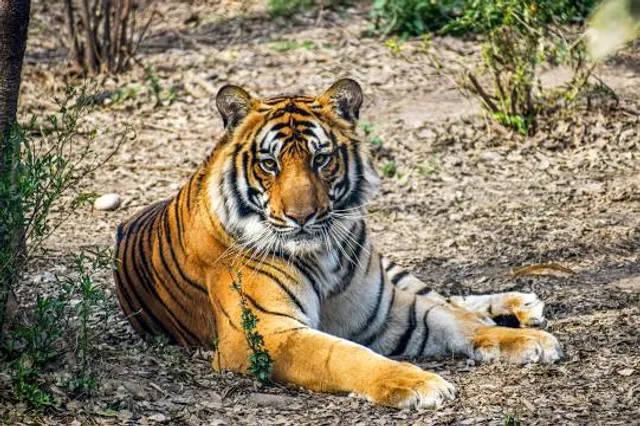
The zoo's collection includes a diverse range of animals, from big cats like tigers and leopards to various species of deer, primates, and exotic birds. It's a great place for families to introduce children to the wonders of the animal kingdom and foster an appreciation for wildlife conservation.
While the Central Zoo is well-maintained, it may not offer the same expansive and modern facilities found in larger international zoos. However, it compensates with its focus on native Nepali species and the important role it plays in protecting endangered animals.
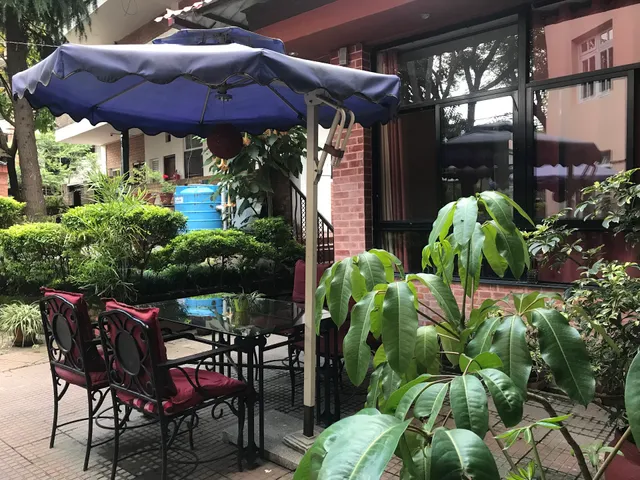
The zoo is set in a lush green environment with walking paths and picnic areas, making it a pleasant place for a day out. It's easily accessible from Kathmandu and can provide a welcome break from the city's hustle and bustle.
In summary, the Central Zoo is a worthwhile visit for nature enthusiasts and families interested in Nepal's wildlife heritage and conservation efforts. It offers an educational and enjoyable experience in a serene,...
Read more