HTML SitemapExplore
logo
Find Things to DoFind The Best Restaurants

Krishna Mandir — Attraction in Lalitpur Metropolitan City

Name
Krishna Mandir
Description
Nearby attractions
Patan Darbar Square
Lalitpur 44600, Nepal
Patan Museum
M8FG+944, भिन्द्यो क्व - सौग: लँ, Lalitpur 44700, Nepal
Hiranya Varna Mahavihar
M8GF+3QG, Kwalakhu Rd, Lalitpur 44700, Nepal
Patan Durbar Square
M8FG+934, Durbar Square, Lalitpur 44600, Nepal
Char Narayan / Pyamha Narandya
M8FF+9W5, Lalitpur 44600, Nepal
Hari Shankar Temple
M8FF+6XM, Durbar Tole St, Lalitpur 44600, Nepal
Taleju Bell
M8FF+5XW, Lalitpur 44600, Nepal
Sundari Chowk
M8FG+32G, Lalitpur 44700, Nepal
Buddha Statue
M8GF+J38, Nyakhachowk - Tapahiti Galli, Lalitpur 44600, Nepal
Mahabuddha Temple
Lalitpur 44700, Nepal
Nearby restaurants
Honacha
Lalitpur 44700, Nepal
D Square Cafe Restaurant
Lalitpur 44700, Nepal
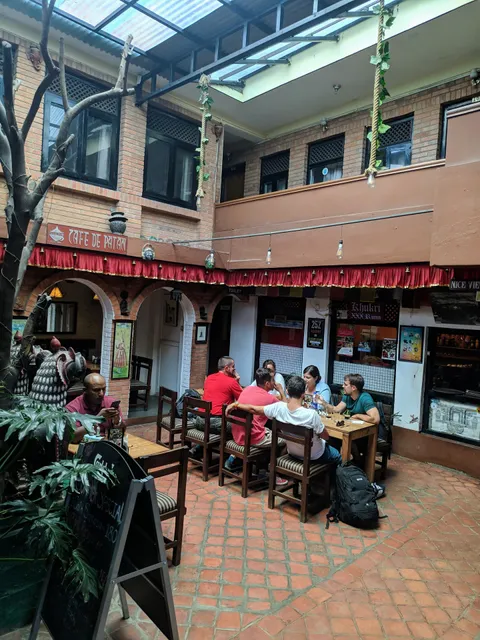
Cafe De Patan
M8FF+5JX, Lalitpur 44600, Nepal
Patan Heritage Home & Restaurant
Mamaru Galli, Lalitpur 44600, Nepal
Yala Garden Cafe & Restro
Kwalkhu near Golden Temple, Lalitpur 44600, Nepal
Foodhub by H20 (Patan)
Mamaru Galli, Lalitpur 44700, Nepal
Daleen
Mamaru Galli, Lalitpur 44700, Nepal
Drishya Restaurant
Lalitpur 44700, Nepal
Quick bite
Patko Mamaru Galli, Lalitpur 44700, Nepal
Cafe Du Temple Lalitpur
भिन्द्यो क्व - सौग: लँ, Lalitpur 44700, Nepal
Nearby hotels
Heranya La:Ku
Patan Durbar Square, Lalitpur 44700, Nepal
Temple House.
Patko Mamaru Galli, Lalitpur 44700, Nepal
Pahan Chhen
12, Patan Durbar Square, Lalitpur 44700, Nepal
Traditional Homes - Swotha
Swotha Square, Ward No. 11, House No. 748, Lalitpur 44600, Nepal
Himal Homestay
Mahapal Chowk, Mangalbazaar, Lalitpur 44600, Nepal
The Inn Patan
Traditional Road, Lalitpur 44700, Nepal
Hotel Timila
tumbahal-12,Hotel Timila,Patan, Lalitpur 44600, Nepal
Cosy Nepal
Ward 16 Swotha Rd, Lalitpur 44600, Nepal
Lalit Heritage Home
M89G+V97, Patan Durbar Square, Lalitpur 44600, Nepal
Hotel Subha Casa
Swotha Rd, Lalitpur 44600, Nepal
Related posts
Keywords
Krishna Mandir tourism.Krishna Mandir hotels.Krishna Mandir bed and breakfast. flights to Krishna Mandir.Krishna Mandir attractions.Krishna Mandir restaurants.Krishna Mandir travel.Krishna Mandir travel guide.Krishna Mandir travel blog.Krishna Mandir pictures.Krishna Mandir photos.Krishna Mandir travel tips.Krishna Mandir maps.Krishna Mandir things to do.
Krishna Mandir things to do, attractions, restaurants, events info and trip planning
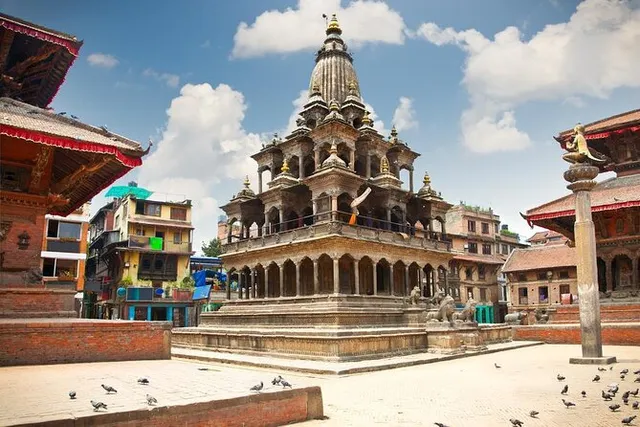
Krishna Mandir
NepalBagmati ProvinceLalitpur Metropolitan CityKrishna Mandir

Basic Info

Krishna Mandir

M8FF+9XV, Lalitpur 44700, Nepal
4.7(4.1K)
Open 24 hours
Save
spot

Ratings & Description

Info

Cultural
Scenic
Family friendly
Accessibility
attractions: Patan Darbar Square, Patan Museum, Hiranya Varna Mahavihar, Patan Durbar Square, Char Narayan / Pyamha Narandya, Hari Shankar Temple, Taleju Bell, Sundari Chowk, Buddha Statue, Mahabuddha Temple, restaurants: Honacha, D Square Cafe Restaurant, Cafe De Patan, Patan Heritage Home & Restaurant, Yala Garden Cafe & Restro, Foodhub by H20 (Patan), Daleen, Drishya Restaurant, Quick bite, Cafe Du Temple Lalitpur
logoLearn more insights from Wanderboat AI.

Plan your stay

hotel
Pet-friendly Hotels in Lalitpur Metropolitan City
Find a cozy hotel nearby and make it a full experience.

hotel
Affordable Hotels in Lalitpur Metropolitan City
Find a cozy hotel nearby and make it a full experience.

hotel
The Coolest Hotels You Haven't Heard Of (Yet)
Find a cozy hotel nearby and make it a full experience.

hotel
Trending Stays Worth the Hype in Lalitpur Metropolitan City
Find a cozy hotel nearby and make it a full experience.

Reviews

Nearby attractions of Krishna Mandir

Patan Darbar Square

Patan Museum

Hiranya Varna Mahavihar

Patan Durbar Square

Char Narayan / Pyamha Narandya

Hari Shankar Temple

Taleju Bell

Sundari Chowk

Buddha Statue

Mahabuddha Temple

Patan Darbar Square

Patan Darbar Square

4.6

(11.4K)

Open 24 hours
Click for details
Patan Museum

Patan Museum

4.6

(781)

Open 24 hours
Click for details
Hiranya Varna Mahavihar

Hiranya Varna Mahavihar

4.7

(562)

Open 24 hours
Click for details
Patan Durbar Square

Patan Durbar Square

4.7

(29)

Open 24 hours
Click for details

Things to do nearby

Forge a traditional Gurkha khukuri knife by hand
Sat, Dec 6 • 8:30 AM
Kathmandu, Bagmati Province 44600, Nepal
View details

Learn Nepali cooking in Patan
Sat, Dec 6 • 10:00 AM
Lalitpur, Bagmati Province 44600, Nepal
View details

Nearby restaurants of Krishna Mandir

Honacha

D Square Cafe Restaurant

Cafe De Patan

Patan Heritage Home & Restaurant

Yala Garden Cafe & Restro

Foodhub by H20 (Patan)

Daleen

Drishya Restaurant

Quick bite

Cafe Du Temple Lalitpur

Honacha

Honacha

4.1

(324)

Click for details
D Square Cafe Restaurant

D Square Cafe Restaurant

3.8

(199)

Click for details
Cafe De Patan

Cafe De Patan

4.0

(514)

Click for details
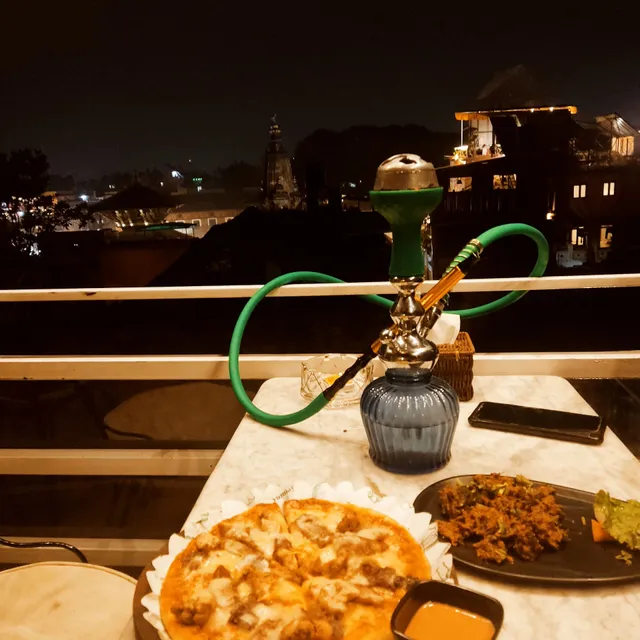
Patan Heritage Home & Restaurant

Patan Heritage Home & Restaurant

4.8

(174)

Click for details
Get the Appoverlay
Get the AppOne tap to find yournext favorite spots!
Wanderboat LogoWanderboat

Your everyday Al companion for getaway ideas

CompanyAbout Us
InformationAI Trip PlannerSitemap
SocialXInstagramTiktokLinkedin
LegalTerms of ServicePrivacy Policy

Get the app

© 2025 Wanderboat. All rights reserved.
logo

Reviews of Krishna Mandir

4.7
(4,117)
avatar
5.0
38w

Krishna Mandir, Patan Durbar Square: A Comprehensive Guide

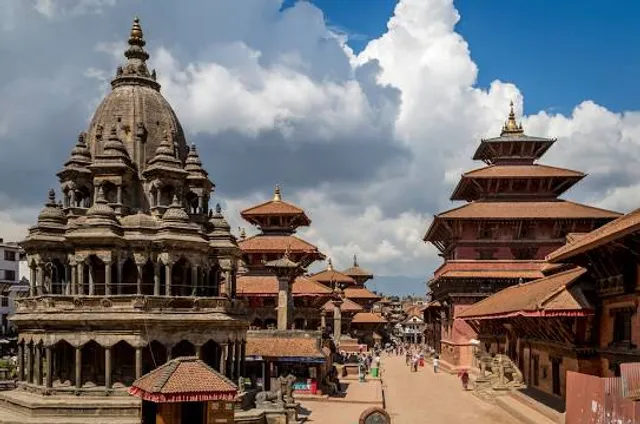
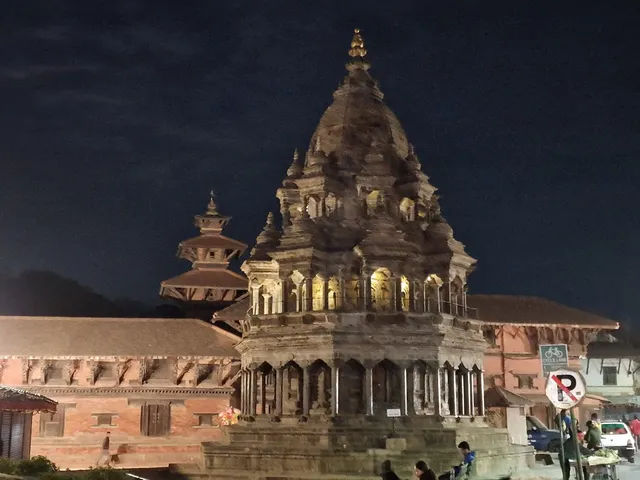
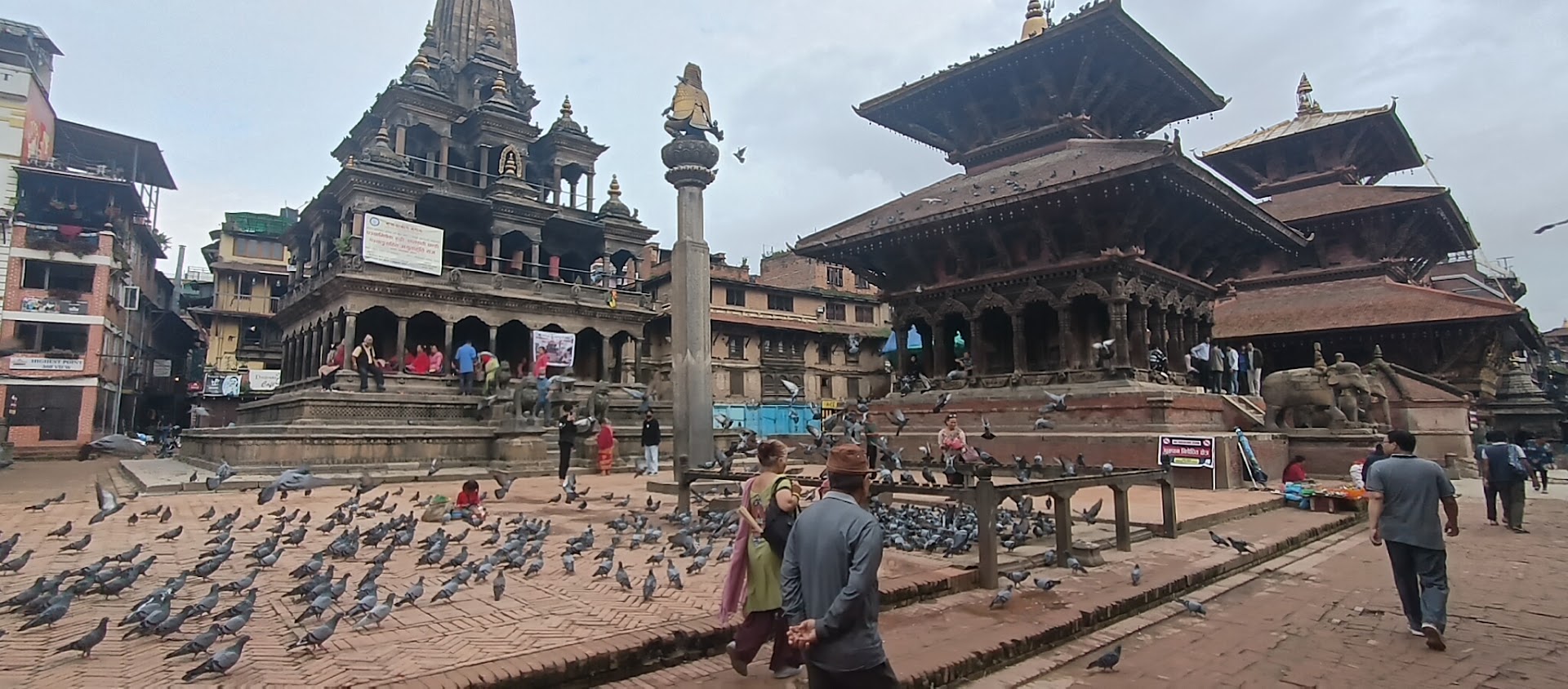
Introduction The Krishna Mandir, located in the heart of Patan Durbar Square in Lalitpur, Nepal, is one of the most iconic and architecturally significant temples in the Kathmandu Valley. Dedicated to Lord Krishna, this temple is a masterpiece of Nepalese stone architecture and a symbol of the rich cultural and religious heritage of the Newar community. Patan Durbar Square itself is a UNESCO World Heritage Site, and the Krishna Mandir stands as one of its crowning jewels.

Historical Background Construction: The Krishna Mandir was built in 1637 by King Siddhi Narsingh Malla of the Malla dynasty. According to legend, the king had a dream in which Lord Krishna and his consort Radha appeared, inspiring him to build the temple. Architectural Style: The temple is a prime example of Shikhara-style architecture, which is rare in Nepal. It is entirely constructed from stone, unlike many other temples in the valley that are made of wood and brick. Purpose: The temple was built to honor Lord Krishna and to celebrate his divine teachings, particularly the Bhagavad Gita. It also served as a symbol of the king's devotion and his desire to promote Vaishnavism in the region.

Architectural Features Structure: The temple is built on a three-tiered stone platform, with a central tower (Shikhara) that rises majestically above the square. The tower is adorned with intricate carvings and sculptures. Stone Carvings: The exterior of the temple is decorated with exquisite stone carvings depicting scenes from the Mahabharata and Ramayana, as well as various incarnations of Lord Vishnu. Pillars and Windows: The temple features 21 golden pinnacles and numerous stone pillars, each intricately carved with motifs of gods, goddesses, and mythical creatures. The windows are latticed and allow light to filter into the inner sanctum. Inner Sanctum: The sanctum houses a beautiful idol of Lord Krishna, flanked by idols of Radha and Rukmini. The idol is adorned with jewelry and garments, and the sanctum is considered highly sacred.

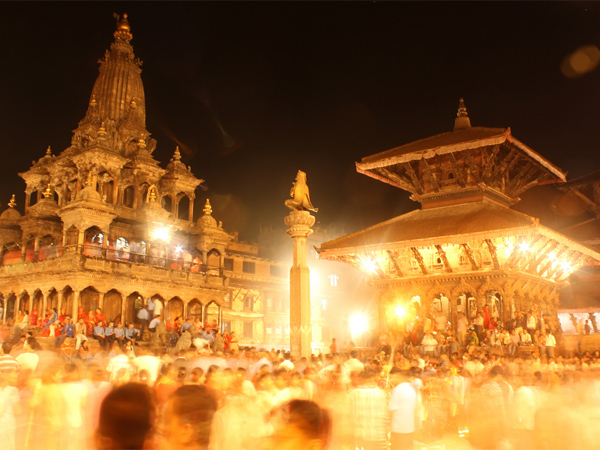
Religious and Cultural Significance Worship: The temple is an active place of worship, especially during festivals like Krishna Janmashtami (the birthday of Lord Krishna) and other Hindu celebrations. Devotees flock to the temple to offer prayers and seek blessings. Festivals: The temple is a focal point during major festivals such as Indra Jatra, Dashain, and Tihar. During these times, the temple is beautifully decorated, and cultural performances are held in the square. Symbol of Unity: The Krishna Mandir is a symbol of religious harmony, as it attracts both Hindus and Buddhists. The Newar community, in particular, holds the temple in high regard.

Best Review of Krishna Mandir The Krishna Mandir is often described as a "stone poem" due to its breathtaking architecture and spiritual ambiance. Visitors and devotees alike praise the temple for its serene atmosphere, intricate craftsmanship, and historical significance. Many consider it a must-visit destination for anyone interested in Nepalese culture, history, and spirituality. The temple's location in Patan Durbar Square adds to its charm, as it is surrounded by other historical monuments, palaces, and courtyards.

What Tourists Should Know Location: The Krishna Mandir is located in Patan Durbar Square, Lalitpur, about 8 km southeast of Kathmandu. Entry Fee: There is an entry fee for foreigners to enter Patan Durbar Square, which includes access to the Krishna Mandir. The fee is approximately NPR 1,000 (as of 2023). Best Time to Visit: The temple is open year-round, but the best time to visit is during festivals like Krishna Janmashtami (usually in August or September) or during the autumn and spring seasons when the weather...

   Read more
avatar
3.0
8y

Considered as one of the finest stone monument in Kathmandu, the Krishna Mandir in Patan Durbar Square is made in Sikhara architectural style which is found commonly in Indian subcontinent. The temple was established in 1637 AD, as a copy of another Hindu temple of Lord Krishna present in Mathura in India, by Siddhi Narsimha Malla of Patan. The temple is completely made up of stone and the carvings are finer than the ones of other smaller Krishna temple at Patan Durbar Square which was built in 1723 by Yogamati, Siddhi Narsimha Malla’s great granddaughter.

Krishna Temple in Patan Durbar Square

Considered as one of the finest stone monument in Kathmandu, the Krishna Mandir in Patan Durbar Square is made in Sikhara architectural style which is found commonly in Indian subcontinent. The temple was established in 1637 AD, as a copy of another Hindu temple of Lord Krishna present in Mathura in India, by Siddhi Narsimha Malla of Patan. The temple is completely made up of stone and the carvings are finer than the ones of other smaller Krishna temple at Patan Durbar Square which was built in 1723 by Yogamati, Siddhi Narsimha Malla’s great granddaughter.

The temple is an outcome of merger of two distinct styles, the solidly formed southern GuptaSikhara form and the open multi-storied style of Moghul. There are stone carvings of various gods and goddesses on the passage of the temple. The first floor of the temple consists of the stone images of Lord Krishna and his two consorts Radha and Rukmani and it is also the main area of worship. The second floor contains the image of Lord Shiva and it is said that the third floor which is empty now, used to contain a statue of Avalokitesvara.

The temple is entirely built with stone and does not contain wood or bronze for any kind of support. It is also said that the entire temple was built with one stone alone. The temple is a Hindu shrine so entrance to non-Hindus are not given, however, the glimpse from the courtyard itself gives a pleasant picture of the temple and what it holds inside.

The steps to the first floor of the temple are narrow and small and it is not common for the first timers to hit their head while climbing down the stairs. From the balcony of the first floor, one could look around the Durbar Square and the people queuing up for filling in their water pots at the nearby stone water sprout. The temple is adjacent to the Patan Museum because of which one could glance at the temple from the window of the museum. Viewing with a binocular from the museum window would give a clear view of the idols of Lord Krishna and his consorts enshrined in the temple. The temple is usually opened at all times and during the festival of KrishnaJanmastami, large numbers of devotees throng at the square to offer worships to Lord Krishna. The temple is beautifully decorated with colorful papers, lights and flowers during...

   Read more
avatar
5.0
43w

The Krishna Mandir in Lalitpur (Patan), Nepal, is a renowned Hindu temple celebrated for its historical, architectural, and spiritual significance. Here's a detailed overview:

Historical Background Construction: Built in 1637 CE by King Siddhi Narsingh Malla of the Malla dynasty, the temple was inspired by a divine vision. The king dreamt of Lord Krishna and his consort Radha, prompting him to erect the temple at the exact spot of his vision in Patan Durbar Square, a UNESCO World Heritage Site. Post-Victory Replica: After defeating a rival kingdom with Krishna's perceived divine intervention, the king constructed a replica of the temple in Sundari Chowk, a courtyard within the royal palace complex.

Architectural Marvel Style: Designed in the Shikhara architectural style, characterized by its towering spire resembling a mountain peak. This style is influenced by North Indian and Bengali temple designs. Structure: Three Stories: Each floor is dedicated to a different deity: First Floor: Main shrine of Lord Krishna, flanked by Radha and Rukmini. Second Floor: Dedicated to Lord Shiva (as a lingam). Third Floor: Honors Lokeshwar (Avalokiteshvara), a Bodhisattva in Buddhism. Decorations: Features 21 golden pinnacles, intricate stone carvings depicting scenes from the Mahabharata and Ramayana, and sculptures of Vishnu's avatars and Garuda (Vishnu's mount).

Cultural and Religious Significance Worship Practices: Daily rituals include 'puja' (offerings of flowers and mantras), arati (waving of lamps), and festivals like Krishna Janmashtami, which draws thousands of devotees. Symbol of Resilience: Severely damaged during the 2015 Nepal earthquake, the temple underwent extensive restoration and reopened in 2018, symbolizing Nepal’s cultural endurance.

Location and Accessibility Address: Situated in Patan Durbar Square, Lalitpur, Bagmati Province, Nepal. Visiting Hours: Open daily from 7:00 AM to 6:00 PM. How to Reach: From Kathmandu: 30–45 minutes by car or taxi via the Ring Road; local buses also connect Kathmandu to Patan.

Key Features to Explore Carved Narratives: Exterior walls showcase Newari-script epics and 10 avatars of Vishnu. Garuda Statue: A freestanding Garuda sculpture stands guard at the entrance. Surroundings: Adjacent to other landmarks like the Vishwanath Temple and Bhimsen Temple within Patan Durbar Square.

This temple is not just a spiritual hub but a testament to Newar craftsmanship and Nepal’s syncretic Hindu-Buddhist heritage. Its blend of divine lore, architectural grandeur, and historical resilience makes it a must-visit for travelers and...

   Read more
Page 1 of 7
Previous
Next

Posts

Eternal MortalityEternal Mortality
Considered as one of the finest stone monument in Kathmandu, the Krishna Mandir in Patan Durbar Square is made in Sikhara architectural style which is found commonly in Indian subcontinent. The temple was established in 1637 AD, as a copy of another Hindu temple of Lord Krishna present in Mathura in India, by Siddhi Narsimha Malla of Patan. The temple is completely made up of stone and the carvings are finer than the ones of other smaller Krishna temple at Patan Durbar Square which was built in 1723 by Yogamati, Siddhi Narsimha Malla’s great granddaughter. Krishna Temple in Patan Durbar Square Considered as one of the finest stone monument in Kathmandu, the Krishna Mandir in Patan Durbar Square is made in Sikhara architectural style which is found commonly in Indian subcontinent. The temple was established in 1637 AD, as a copy of another Hindu temple of Lord Krishna present in Mathura in India, by Siddhi Narsimha Malla of Patan. The temple is completely made up of stone and the carvings are finer than the ones of other smaller Krishna temple at Patan Durbar Square which was built in 1723 by Yogamati, Siddhi Narsimha Malla’s great granddaughter. The temple is an outcome of merger of two distinct styles, the solidly formed southern GuptaSikhara form and the open multi-storied style of Moghul. There are stone carvings of various gods and goddesses on the passage of the temple. The first floor of the temple consists of the stone images of Lord Krishna and his two consorts Radha and Rukmani and it is also the main area of worship. The second floor contains the image of Lord Shiva and it is said that the third floor which is empty now, used to contain a statue of Avalokitesvara. The temple is entirely built with stone and does not contain wood or bronze for any kind of support. It is also said that the entire temple was built with one stone alone. The temple is a Hindu shrine so entrance to non-Hindus are not given, however, the glimpse from the courtyard itself gives a pleasant picture of the temple and what it holds inside. The steps to the first floor of the temple are narrow and small and it is not common for the first timers to hit their head while climbing down the stairs. From the balcony of the first floor, one could look around the Durbar Square and the people queuing up for filling in their water pots at the nearby stone water sprout. The temple is adjacent to the Patan Museum because of which one could glance at the temple from the window of the museum. Viewing with a binocular from the museum window would give a clear view of the idols of Lord Krishna and his consorts enshrined in the temple. The temple is usually opened at all times and during the festival of KrishnaJanmastami, large numbers of devotees throng at the square to offer worships to Lord Krishna. The temple is beautifully decorated with colorful papers, lights and flowers during the festival.
Devendra bajracharyaDevendra bajracharya
The **Krishna Mandir** in Lalitpur (Patan), Nepal, is a renowned Hindu temple celebrated for its historical, architectural, and spiritual significance. Here's a detailed overview: 1. Historical Background - Construction: Built in 1637 CE by King Siddhi Narsingh Malla of the Malla dynasty, the temple was inspired by a divine vision. The king dreamt of Lord Krishna and his consort Radha, prompting him to erect the temple at the exact spot of his vision in Patan Durbar Square, a UNESCO World Heritage Site. Post-Victory Replica: After defeating a rival kingdom with Krishna's perceived divine intervention, the king constructed a replica of the temple in Sundari Chowk, a courtyard within the royal palace complex. --- 2. Architectural Marvel Style: Designed in the Shikhara architectural style, characterized by its towering spire resembling a mountain peak. This style is influenced by North Indian and Bengali temple designs. Structure: Three Stories: Each floor is dedicated to a different deity: First Floor: Main shrine of Lord Krishna, flanked by Radha and Rukmini. Second Floor: Dedicated to Lord Shiva (as a lingam). Third Floor: Honors Lokeshwar (Avalokiteshvara), a Bodhisattva in Buddhism. Decorations: Features 21 golden pinnacles, intricate stone carvings depicting scenes from the Mahabharata and Ramayana, and sculptures of Vishnu's avatars and Garuda (Vishnu's mount). --- 3. Cultural and Religious Significance Worship Practices: Daily rituals include 'puja' (offerings of flowers and mantras), *arati* (waving of lamps), and festivals like *Krishna Janmashtami*, which draws thousands of devotees. Symbol of Resilience: Severely damaged during the 2015 Nepal earthquake, the temple underwent extensive restoration and reopened in 2018, symbolizing Nepal’s cultural endurance. --- 4. Location and Accessibility Address: Situated in Patan Durbar Square, Lalitpur, Bagmati Province, Nepal. Visiting Hours: Open daily from 7:00 AM to 6:00 PM. How to Reach: From Kathmandu: 30–45 minutes by car or taxi via the Ring Road; local buses also connect Kathmandu to Patan. --- 5. Key Features to Explore Carved Narratives: Exterior walls showcase Newari-script epics and 10 avatars of Vishnu. Garuda Statue: A freestanding Garuda sculpture stands guard at the entrance. Surroundings: Adjacent to other landmarks like the Vishwanath Temple and Bhimsen Temple within Patan Durbar Square. --- This temple is not just a spiritual hub but a testament to Newar craftsmanship and Nepal’s syncretic Hindu-Buddhist heritage. Its blend of divine lore, architectural grandeur, and historical resilience makes it a must-visit for travelers and devotees alike.
Nickace BuzzlightyearNickace Buzzlightyear
♡♡♡♡♡ Magnificato ♡♡♡♡♡ The Krishna Mandir of Patan, also known as the Krishna Temple, is a magnificent 17th-century stone temple situated in the heart of Patan Durbar Square, a UNESCO World Heritage Site in Lalitpur, Nepal. This temple is considered a masterpiece of Nepalese architecture and craftsmanship, combining elements of ancient Newari Shikhara designs. The temple was commissioned by King Siddhi Narasimha Malla in 1637 after he reportedly had a divine vision of Lord Krishna and Radha. Constructed entirely from carved stone, the three-story structure is built in the traditional Shikhara style, a rarity in Nepal. It is unique for being the first temple in Nepal made entirely of stone. The temple rests on a raised platform and is adorned with intricate carvings depicting scenes from the Mahabharata and Ramayana, making it not only a place of worship but also a repository of religious and artistic significance. The ground floor is dedicated to Lord Krishna, the second floor to Lord Shiva, and the third floor to Avalokiteshvara, a Buddhist deity, reflecting Nepal's unique tradition of religious syncretism. The temple features 21 pinnacles symbolizing divine perfection, and its main sanctum houses a stone idol of Lord Krishna. The Krishna Mandir is also central to the celebration of Krishna Janmashtami, Krishna’s birthday, which attracts thousands of devotees every year. The temple is not only a spiritual hub but also an architectural marvel, admired by visitors worldwide for its symmetry, precision, and artistic brilliance. Despite damages sustained during the 2015 earthquake, the temple remains a symbol of Nepalese heritage and resilience. Restoration efforts have ensured its continued standing as a cultural and religious landmark. Its timeless beauty and historical significance make the Krishna Mandir a must-visit destination for those exploring Nepal’s rich cultural tapestry.
See more posts
See more posts
hotel
Find your stay

Pet-friendly Hotels in Lalitpur Metropolitan City

Find a cozy hotel nearby and make it a full experience.

Considered as one of the finest stone monument in Kathmandu, the Krishna Mandir in Patan Durbar Square is made in Sikhara architectural style which is found commonly in Indian subcontinent. The temple was established in 1637 AD, as a copy of another Hindu temple of Lord Krishna present in Mathura in India, by Siddhi Narsimha Malla of Patan. The temple is completely made up of stone and the carvings are finer than the ones of other smaller Krishna temple at Patan Durbar Square which was built in 1723 by Yogamati, Siddhi Narsimha Malla’s great granddaughter. Krishna Temple in Patan Durbar Square Considered as one of the finest stone monument in Kathmandu, the Krishna Mandir in Patan Durbar Square is made in Sikhara architectural style which is found commonly in Indian subcontinent. The temple was established in 1637 AD, as a copy of another Hindu temple of Lord Krishna present in Mathura in India, by Siddhi Narsimha Malla of Patan. The temple is completely made up of stone and the carvings are finer than the ones of other smaller Krishna temple at Patan Durbar Square which was built in 1723 by Yogamati, Siddhi Narsimha Malla’s great granddaughter. The temple is an outcome of merger of two distinct styles, the solidly formed southern GuptaSikhara form and the open multi-storied style of Moghul. There are stone carvings of various gods and goddesses on the passage of the temple. The first floor of the temple consists of the stone images of Lord Krishna and his two consorts Radha and Rukmani and it is also the main area of worship. The second floor contains the image of Lord Shiva and it is said that the third floor which is empty now, used to contain a statue of Avalokitesvara. The temple is entirely built with stone and does not contain wood or bronze for any kind of support. It is also said that the entire temple was built with one stone alone. The temple is a Hindu shrine so entrance to non-Hindus are not given, however, the glimpse from the courtyard itself gives a pleasant picture of the temple and what it holds inside. The steps to the first floor of the temple are narrow and small and it is not common for the first timers to hit their head while climbing down the stairs. From the balcony of the first floor, one could look around the Durbar Square and the people queuing up for filling in their water pots at the nearby stone water sprout. The temple is adjacent to the Patan Museum because of which one could glance at the temple from the window of the museum. Viewing with a binocular from the museum window would give a clear view of the idols of Lord Krishna and his consorts enshrined in the temple. The temple is usually opened at all times and during the festival of KrishnaJanmastami, large numbers of devotees throng at the square to offer worships to Lord Krishna. The temple is beautifully decorated with colorful papers, lights and flowers during the festival.
Eternal Mortality

Eternal Mortality

hotel
Find your stay

Affordable Hotels in Lalitpur Metropolitan City

Find a cozy hotel nearby and make it a full experience.

Get the Appoverlay
Get the AppOne tap to find yournext favorite spots!
The **Krishna Mandir** in Lalitpur (Patan), Nepal, is a renowned Hindu temple celebrated for its historical, architectural, and spiritual significance. Here's a detailed overview: 1. Historical Background - Construction: Built in 1637 CE by King Siddhi Narsingh Malla of the Malla dynasty, the temple was inspired by a divine vision. The king dreamt of Lord Krishna and his consort Radha, prompting him to erect the temple at the exact spot of his vision in Patan Durbar Square, a UNESCO World Heritage Site. Post-Victory Replica: After defeating a rival kingdom with Krishna's perceived divine intervention, the king constructed a replica of the temple in Sundari Chowk, a courtyard within the royal palace complex. --- 2. Architectural Marvel Style: Designed in the Shikhara architectural style, characterized by its towering spire resembling a mountain peak. This style is influenced by North Indian and Bengali temple designs. Structure: Three Stories: Each floor is dedicated to a different deity: First Floor: Main shrine of Lord Krishna, flanked by Radha and Rukmini. Second Floor: Dedicated to Lord Shiva (as a lingam). Third Floor: Honors Lokeshwar (Avalokiteshvara), a Bodhisattva in Buddhism. Decorations: Features 21 golden pinnacles, intricate stone carvings depicting scenes from the Mahabharata and Ramayana, and sculptures of Vishnu's avatars and Garuda (Vishnu's mount). --- 3. Cultural and Religious Significance Worship Practices: Daily rituals include 'puja' (offerings of flowers and mantras), *arati* (waving of lamps), and festivals like *Krishna Janmashtami*, which draws thousands of devotees. Symbol of Resilience: Severely damaged during the 2015 Nepal earthquake, the temple underwent extensive restoration and reopened in 2018, symbolizing Nepal’s cultural endurance. --- 4. Location and Accessibility Address: Situated in Patan Durbar Square, Lalitpur, Bagmati Province, Nepal. Visiting Hours: Open daily from 7:00 AM to 6:00 PM. How to Reach: From Kathmandu: 30–45 minutes by car or taxi via the Ring Road; local buses also connect Kathmandu to Patan. --- 5. Key Features to Explore Carved Narratives: Exterior walls showcase Newari-script epics and 10 avatars of Vishnu. Garuda Statue: A freestanding Garuda sculpture stands guard at the entrance. Surroundings: Adjacent to other landmarks like the Vishwanath Temple and Bhimsen Temple within Patan Durbar Square. --- This temple is not just a spiritual hub but a testament to Newar craftsmanship and Nepal’s syncretic Hindu-Buddhist heritage. Its blend of divine lore, architectural grandeur, and historical resilience makes it a must-visit for travelers and devotees alike.
Devendra bajracharya

Devendra bajracharya

hotel
Find your stay

The Coolest Hotels You Haven't Heard Of (Yet)

Find a cozy hotel nearby and make it a full experience.

hotel
Find your stay

Trending Stays Worth the Hype in Lalitpur Metropolitan City

Find a cozy hotel nearby and make it a full experience.

♡♡♡♡♡ Magnificato ♡♡♡♡♡ The Krishna Mandir of Patan, also known as the Krishna Temple, is a magnificent 17th-century stone temple situated in the heart of Patan Durbar Square, a UNESCO World Heritage Site in Lalitpur, Nepal. This temple is considered a masterpiece of Nepalese architecture and craftsmanship, combining elements of ancient Newari Shikhara designs. The temple was commissioned by King Siddhi Narasimha Malla in 1637 after he reportedly had a divine vision of Lord Krishna and Radha. Constructed entirely from carved stone, the three-story structure is built in the traditional Shikhara style, a rarity in Nepal. It is unique for being the first temple in Nepal made entirely of stone. The temple rests on a raised platform and is adorned with intricate carvings depicting scenes from the Mahabharata and Ramayana, making it not only a place of worship but also a repository of religious and artistic significance. The ground floor is dedicated to Lord Krishna, the second floor to Lord Shiva, and the third floor to Avalokiteshvara, a Buddhist deity, reflecting Nepal's unique tradition of religious syncretism. The temple features 21 pinnacles symbolizing divine perfection, and its main sanctum houses a stone idol of Lord Krishna. The Krishna Mandir is also central to the celebration of Krishna Janmashtami, Krishna’s birthday, which attracts thousands of devotees every year. The temple is not only a spiritual hub but also an architectural marvel, admired by visitors worldwide for its symmetry, precision, and artistic brilliance. Despite damages sustained during the 2015 earthquake, the temple remains a symbol of Nepalese heritage and resilience. Restoration efforts have ensured its continued standing as a cultural and religious landmark. Its timeless beauty and historical significance make the Krishna Mandir a must-visit destination for those exploring Nepal’s rich cultural tapestry.
Nickace Buzzlightyear

Nickace Buzzlightyear

See more posts
See more posts