The St. Bavo Church in Haarlem things to do, attractions, restaurants, events info and trip planning
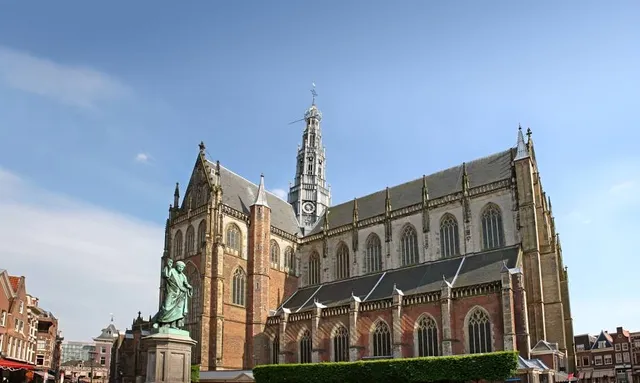
Basic Info
The St. Bavo Church in Haarlem
Grote Markt 22, 2011 HL Haarlem, Netherlands
4.6(1.9K)
Open until 12:00 AM


tickets
Save
spot
spot
Ratings & Description
Info
Cultural
Accessibility
attractions: Philharmonie Haarlem, Teylers Museum, Ten Boom Museum, Archeological Museum Haarlem, De Vishal, Town Hall Haarlem, Theater De Liefde, Visit Haarlem, Hoofdwacht, Pieter Teylers Huis, restaurants: Vis Café Ed - Restaurant Haarlem, Bilboa Restobar & Tapas, Loetje Haarlem, Toujours, Grand Café Brinkmann, Wilma & Albèrt's, Café Studio, Fortuyn, Tatsu Haarlem 2, Tatsu Haarlem 1, local businesses: Grote Kerk, A Loja Portugese Delicatessen Haarlem, IJssalon Tante Saar, Baya Beach, Cheese & More by Henri Willig Haarlem, Purple Pool, DekaMarkt Haarlem, Hofje van Bakenes, Het dropje van Haarlem, Coffeeshop Regine.
 Learn more insights from Wanderboat AI.
Phone
+31 23 553 2040
Website
bavo.nl
Open hoursSee all hours
SunClosedOpen
Plan your stay

Pet-friendly Hotels in Haarlem
Find a cozy hotel nearby and make it a full experience.

Affordable Hotels in Haarlem
Find a cozy hotel nearby and make it a full experience.

The Coolest Hotels You Haven't Heard Of (Yet)
Find a cozy hotel nearby and make it a full experience.

Trending Stays Worth the Hype in Haarlem
Find a cozy hotel nearby and make it a full experience.
Reviews
Live events

Prehistoric Planet: Dinosaurs – De meeslepende voorstelling
Sun, Feb 22 • 11:00 AM
Pazzanistraat 37, Amsterdam, 1014 DB
View details

Cruise Amsterdam’s canals with onboard snacks
Sun, Feb 22 • 10:00 AM
1016 EK, Amsterdam, Netherlands
View details

WONDR Experience + SpongeBob Special
Sun, Feb 22 • 9:30 AM
Meeuwenlaan 88, Amsterdam, 1021 JK
View details
Nearby attractions of The St. Bavo Church in Haarlem
Philharmonie Haarlem
Teylers Museum
Ten Boom Museum
Archeological Museum Haarlem
De Vishal
Town Hall Haarlem
Theater De Liefde
Visit Haarlem
Hoofdwacht
Pieter Teylers Huis

Philharmonie Haarlem
4.6
(953)
Open 24 hours
Click for details
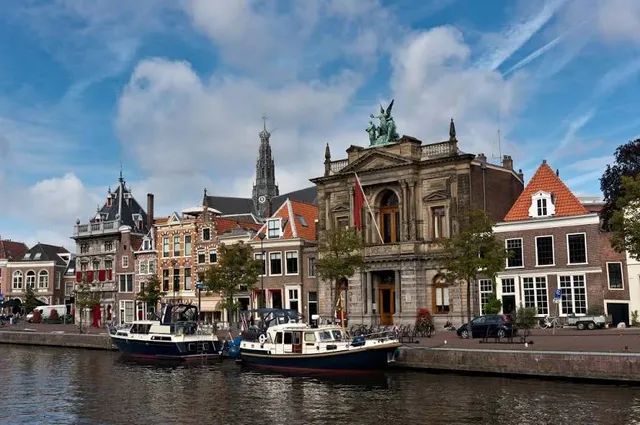
Teylers Museum
4.5
(2.3K)
Closed
Click for details
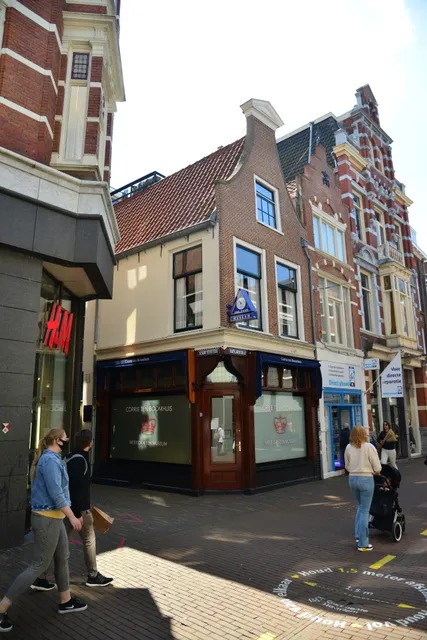
Ten Boom Museum
4.7
(661)
Open until 12:00 AM
Click for details
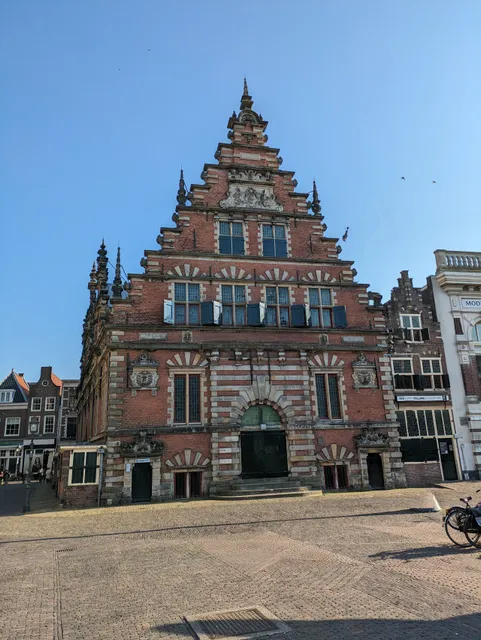
Archeological Museum Haarlem
4.5
(92)
Closed
Click for details
Nearby restaurants of The St. Bavo Church in Haarlem
Vis Café Ed - Restaurant Haarlem
Bilboa Restobar & Tapas
Loetje Haarlem
Toujours
Grand Café Brinkmann
Wilma & Albèrt's
Café Studio
Fortuyn
Tatsu Haarlem 2
Tatsu Haarlem 1

Vis Café Ed - Restaurant Haarlem
4.8
(29)
Closed
Click for details

Bilboa Restobar & Tapas
4.4
(19)
$$$
Closed
Click for details
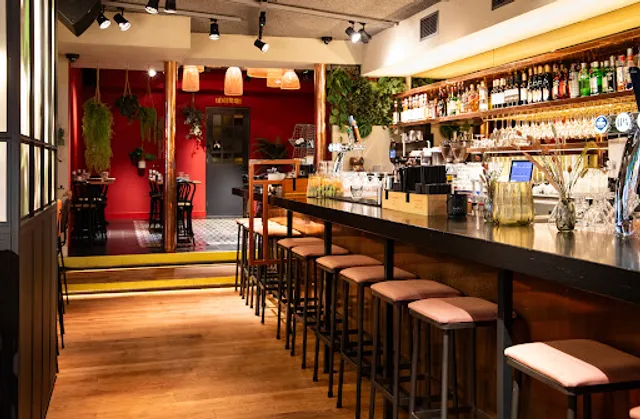
Loetje Haarlem
4.0
(822)
$$
Closed
Click for details
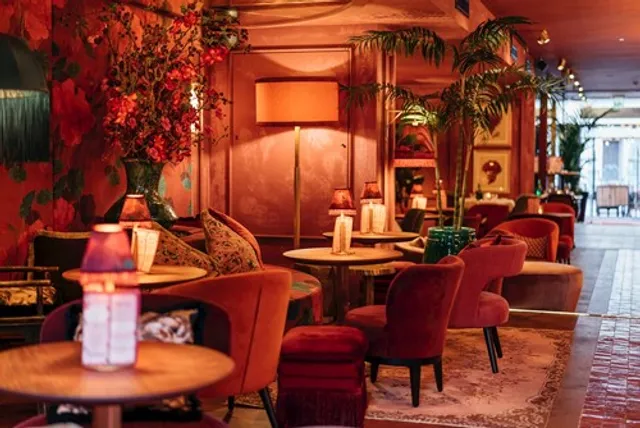
Toujours
4.4
(765)
$$
Closed
Click for details
Nearby local services of The St. Bavo Church in Haarlem
Grote Kerk
A Loja Portugese Delicatessen Haarlem
IJssalon Tante Saar
Baya Beach
Cheese & More by Henri Willig Haarlem
Purple Pool
DekaMarkt Haarlem
Hofje van Bakenes
Het dropje van Haarlem
Coffeeshop Regine.
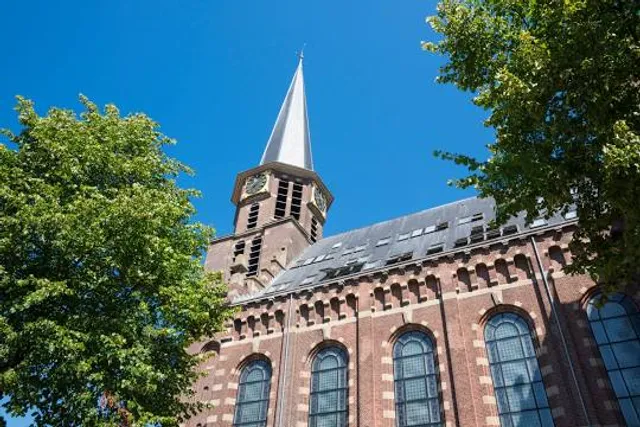
Grote Kerk
4.4
(47)
Click for details
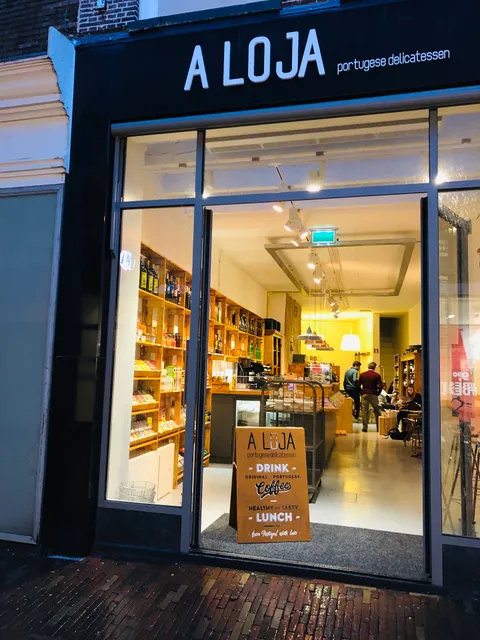
A Loja Portugese Delicatessen Haarlem
4.6
(120)
Click for details
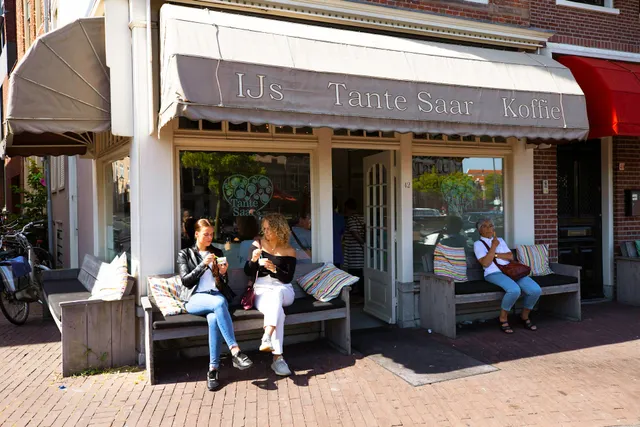
IJssalon Tante Saar
4.1
(66)
Click for details
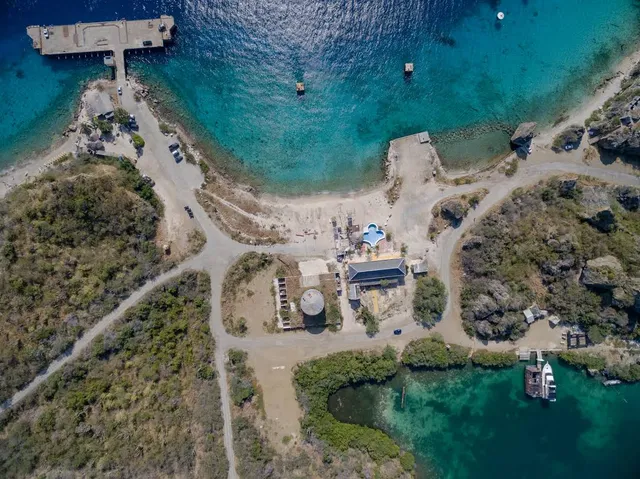
Baya Beach
3.9
(13)
Click for details