In short, this is a historical legacy of Biblical faith in action. The life and acts of Corrie and the rest of the Ten Boom family are accurately represented by the knowledgeable tour guides. You should go...
The longer version with some history:
Tucked away in the heart of Amsterdam, the Corrie Ten Boom House is a museum that tells the extraordinary story of a Christian family who risked everything to hide Jews from the Nazis during World War II.
Historical Context
In the early 1940s, the Netherlands was under Nazi occupation, and the Jewish population was facing increasing persecution. The Ten Boom family, devout Christians and owners of a watch repair shop, felt compelled to act. They began hiding Jews in their home, a decision that would ultimately lead to their arrest and imprisonment.
The Hiding Place
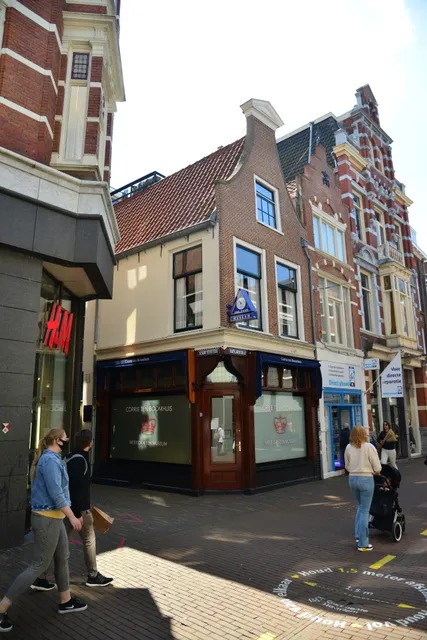
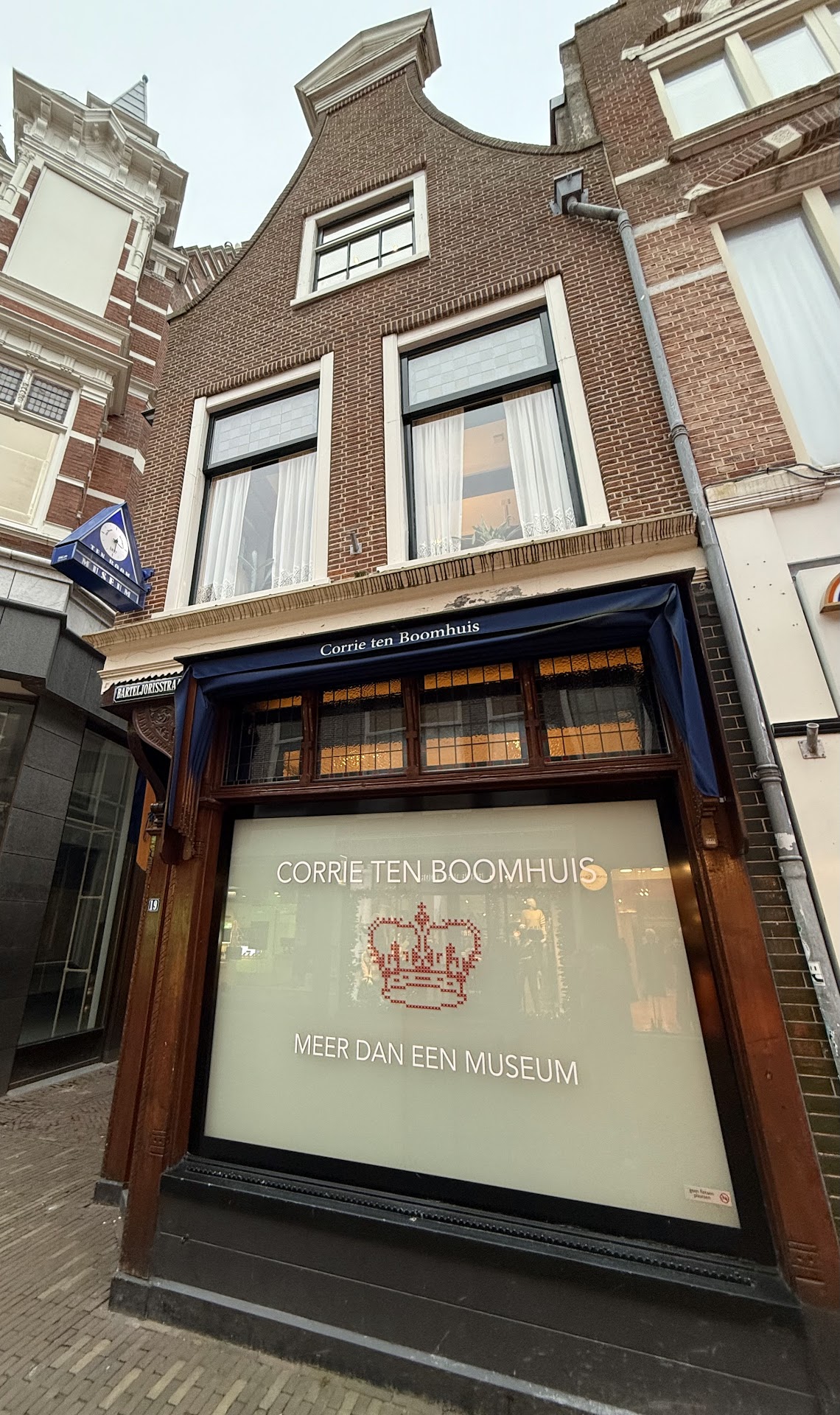
The Corrie Ten Boom House, located at Barteljorisstraat 19, was the family's home and the site of their clandestine activities. The museum showcases the actual hiding place, a small room built into the attic, where up to six people could hide at a time. Visitors can see the narrow staircase, the hidden door, and the cramped quarters where the Jews took refuge.
Christian Faith and Motivation
The Ten Boom family's actions were deeply rooted in their Christian faith. They believed that hiding Jews was a biblical imperative, as stated in Matthew 25:40, "Whatever you did for one of the least of these brothers and sisters of mine, you did for me." Corrie Ten Boom, in particular, was inspired by her father's words, "We are not just hiding Jews, we are hiding God's chosen people."
The Ten Boom Family's Story
The museum tells the story of the Ten Boom family's bravery and sacrifice. In February 1944, the Nazis raided the house, arresting Corrie, her sister Betsie, and their father Casper. The Jews hiding in the house were not discovered, thanks to the quick thinking of the Ten Boom's resistance contacts. Corrie and Betsie were eventually sent to the Ravensbrück concentration camp, where Betsie died. Corrie was released in December 1944 and went on to establish a rehabilitation center for concentration camp survivors.
Impact and Legacy
The Corrie Ten Boom House has become a powerful symbol of Christian faith, resistance, and hope. The museum serves as a reminder of the importance of standing up against injustice and persecution, even in the face of overwhelming danger. Corrie Ten Boom's story has inspired countless people around the world, and her legacy continues to live on through the museum and her books, including "The Hiding Place."
Practical Information
Tickets: Book the free tickets in advance to avoid long wait times Guided Tours: Available in multiple languages, including English
The Corrie Ten Boom House is a must-visit destination for anyone interested in history, Christianity, or inspiration stories of courage and faith. This museum is a powerful reminder of the impact one family can have when they stand up for what is right, even in the face of overwhelming adversity. And, they do not hesitate to share the World of God... Praise...
Read more“Those who live in the shelter of the Most High will find rest in the shadow of the Almighty. This I declare about the Lord: He alone is my refuge, my place of safety; he is my God, and I trust him.” Psalms 91:1-2
Corrie ten Boom and her family believed that God was their refuge and their faith propelled them to shield those facing Nazi persecution during World War II. They risked their lives to hide Jews, students refusing to cooperate with their oppressors, and members of the Dutch underground resistance movement. It is estimated that 200-300 people sought refuge under their roof.
As described in Corrie’s book “The Hiding Place”, the ten Boom family built a false wall in her bedroom that created an approximately 3 by 8 foot secret room where those being hunted could hide during a Gestapo raid.
On February 28, 1944, four Jews and two members of the Resistance hid there for two and half days without food or water. All of them avoided detection, but six members of Corrie’s family were arrested and sent to prison. Although Corrie was sentenced to the Ravensbruck concentration camp, she was inexplicably released nearly a year later.
Following the end of the war, Corrie visited 64 countries, over the course of 32 years, spreading the message of God’s love and proclaiming that Jesus Christ is victorious over all and everything, even the misery of a concentration camp.
Reservations are required, admission is free, no photography inside the home is permitted, and navigating a narrow series of stairs is required.
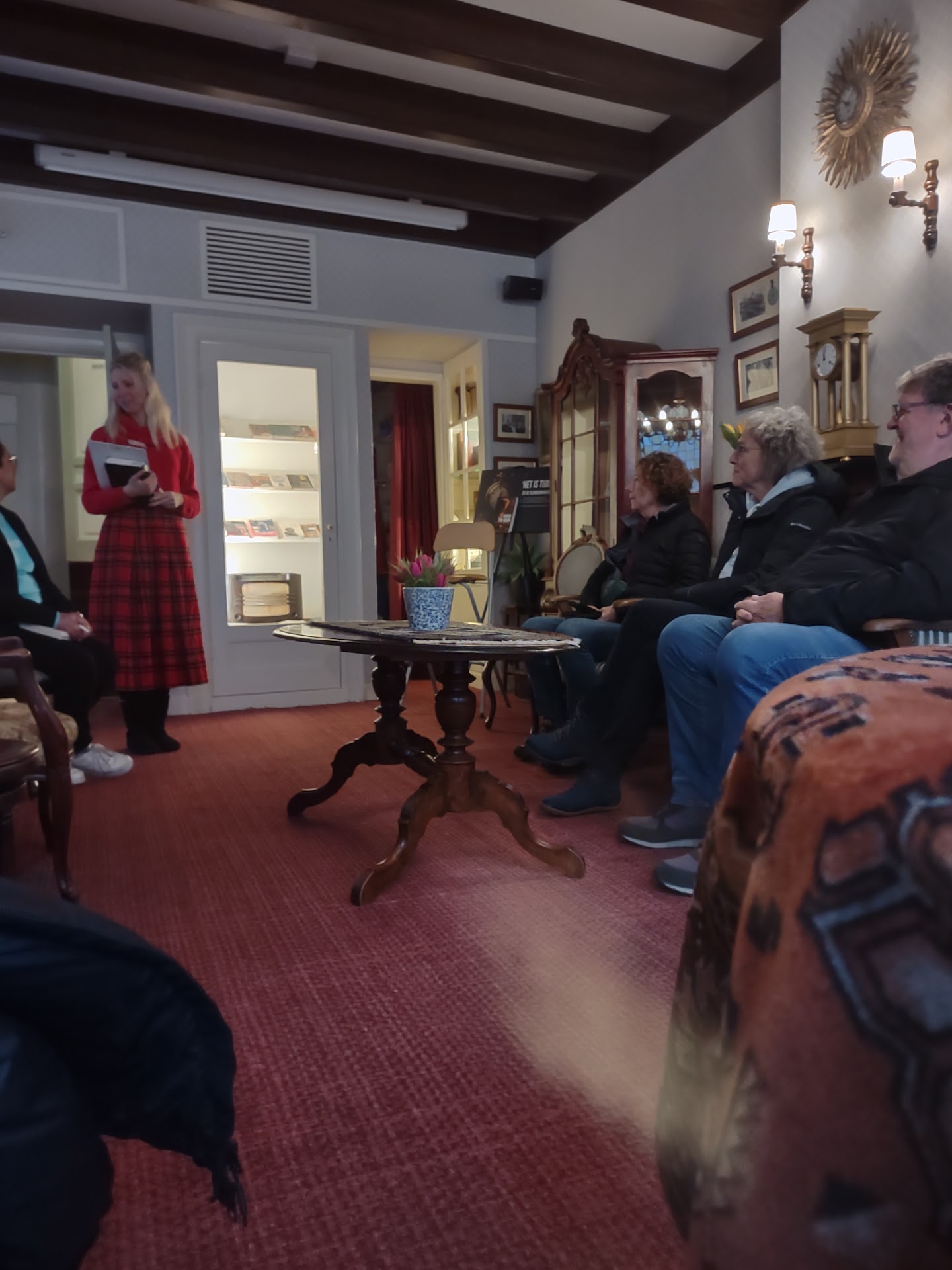
Part presentation of the ten Boom home and part presentation of the Gospel message, the orientation takes place in the living room that hosted a Bible Study for 100 years until the family was arrested in 1944.
During our visit an interesting group dynamic emerged. Near the end of the tour someone felt inspired to publicly tell a German tour member that she was accepted and that the group did not view her as being a Nazi. It was a disarming extension of grace that seemed in total concert with the message that Corrie exemplified.
And that’s…Henry’s...
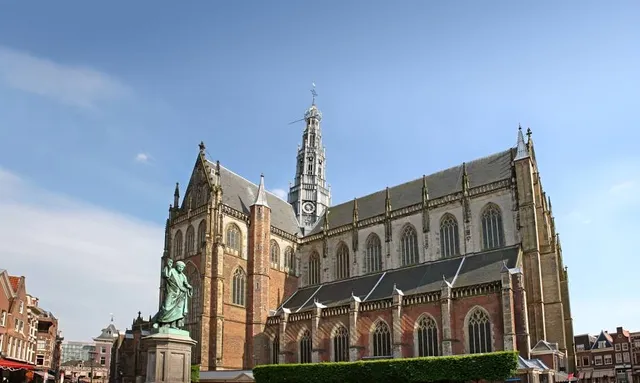
Read moreIf coming to Amsterdam and wanting to visit a museum that will uplift you and has a message of love and hope then this is a must. Train goes from Amsterdam central to Haarlem every 10 / 15 mins and costs around 9 euros for a return. Haarlem is a lovely town as well so definitely nice to walk around and experience the shops and there is also the Grote Markt church which costs 4 euro to see.
The Corrie Ten museum is so well done where you are taken into the living room of the house in a group of 10 people and there the tour guide talks through the family history of Corrie and then goes through what happened during the war and how they used the house to hid over 800 jews. You then get the opportunity to go to Corrie's room and experience where the hidden wall was and crawl through to experience what it would have been like to have hidden there.
The tour lasts just over an hour and is inspirational but very emotional on what happened to Corrie and her family. Maaikle was our tour guide and she was lovely. So well spoken and showed how much the story meant to her and was so gracious and lovely in how she told it.
Advice before coming is to read the book the hidding place as this will make it more meaningful. Thankfully I did the week before and it made it some much more relevant as the story was told.
The tour is free with the expectation on a donation. Personally this is as good a tour as Anne Frank museum if not better ( you can take photos) and so we paid the same amount that we did for AF.
Hope this helps anybody thinking of going. Also not really a tour for young kids (under 6) and something you should think about before...
Read more