Town Hall Haarlem things to do, attractions, restaurants, events info and trip planning
Basic Info
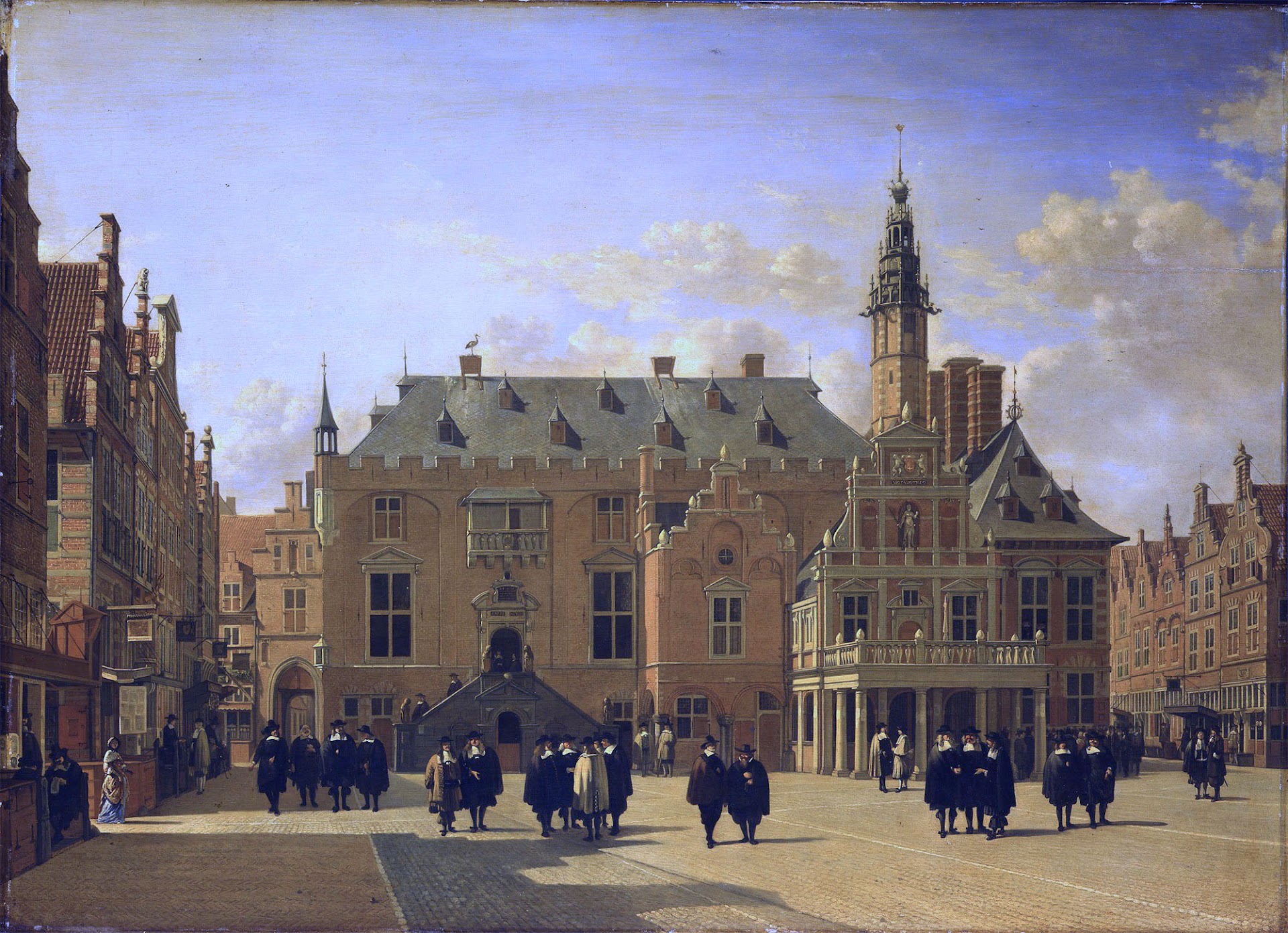
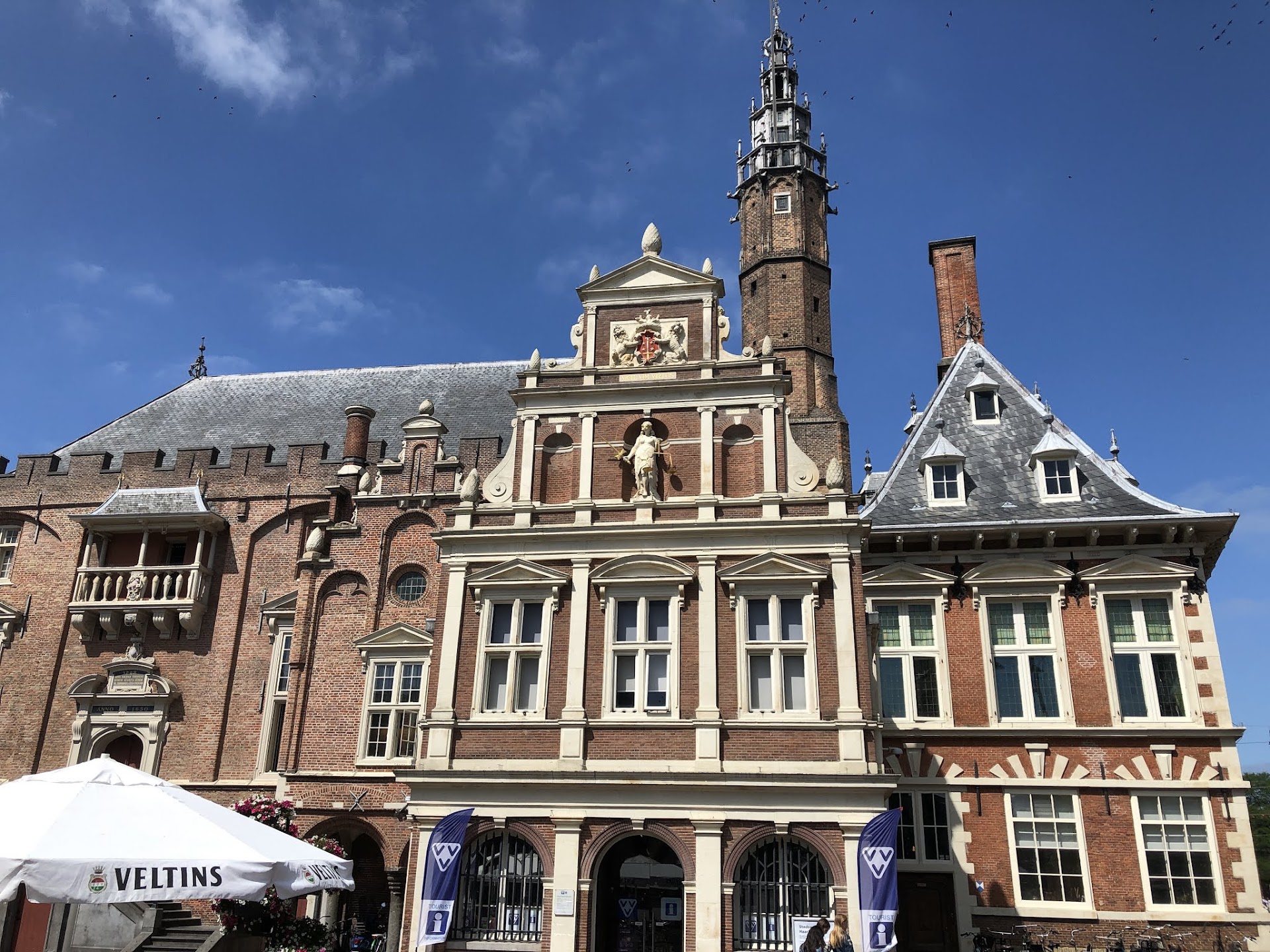
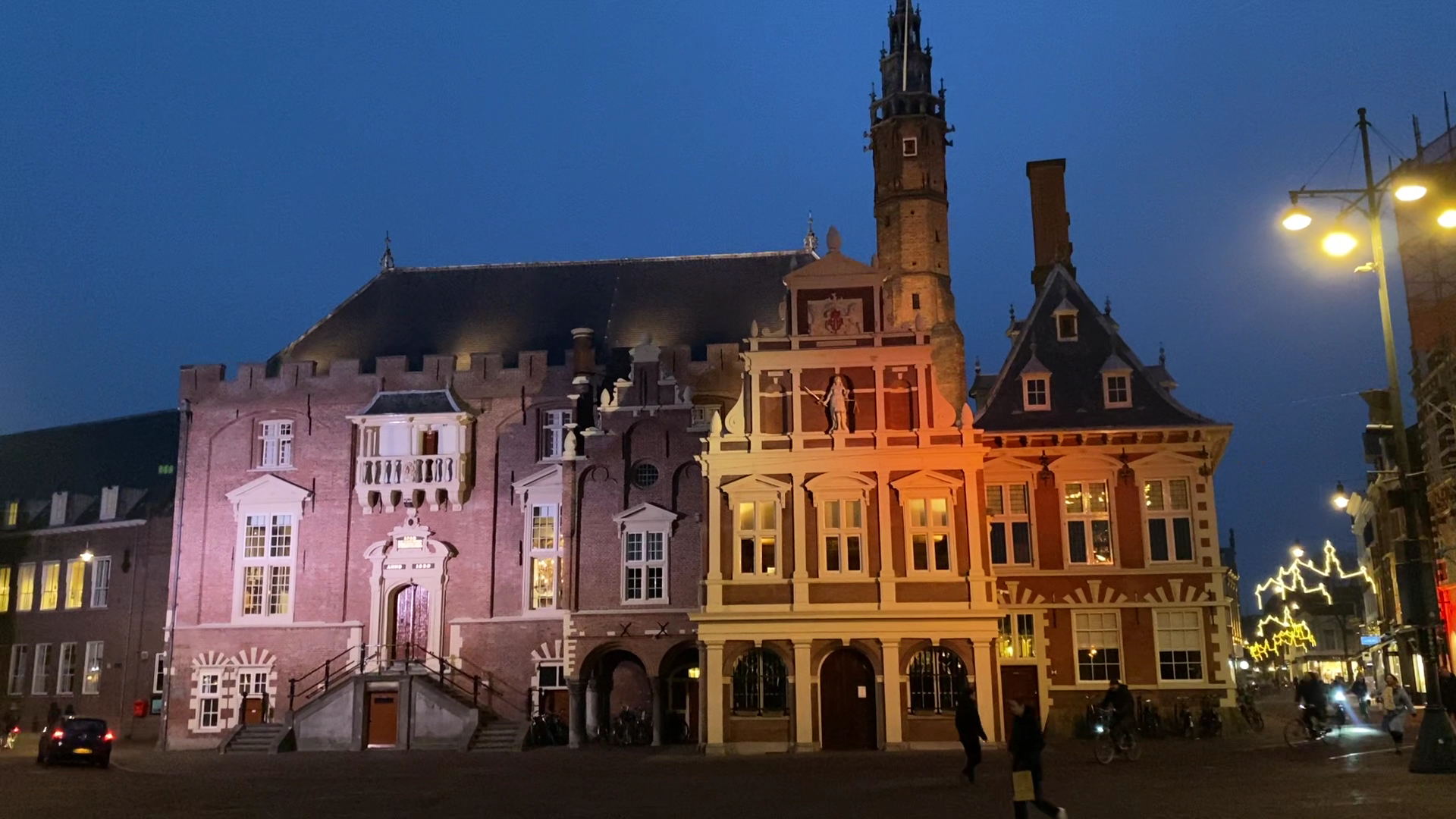
Town Hall Haarlem
City Hall, Grote Markt 2, 2011 RD Haarlem, Netherlands
4.5(101)
Closed
Save
spot
spot
Ratings & Description
Info
Cultural
Family friendly
Accessibility
attractions: The St. Bavo Church in Haarlem, Ten Boom Museum, Visit Haarlem, Archeological Museum Haarlem, Philharmonie Haarlem, De Vishal, Teylers Museum, Discus Nieuwkoop, Theater De Liefde, Hoofdwacht, restaurants: Grand Café Brinkmann, Café XO, Anne&Max Haarlem, Bambu Haarlem, Viqh | Wijnbar | Haarlem, New Vegas, Centopercento, Tierney's Irish Pub & Restaurant, by LIMA, Fortuyn, local businesses: A Loja Portugese Delicatessen Haarlem, Coffeeshop Regine., DekaMarkt Haarlem, Cheese & More by Henri Willig Haarlem, Bever, Purple Pool, Desi Indian Market, Grote Kerk, Visspecialist De Dolfijn, 't Kaaswinkeltje
 Learn more insights from Wanderboat AI.
Phone
+31 23 511 5115
Website
haarlem.nl
Open hoursSee all hours
Wed9 a.m. - 4 p.m.Closed
Plan your stay

Pet-friendly Hotels in Haarlem
Find a cozy hotel nearby and make it a full experience.

Affordable Hotels in Haarlem
Find a cozy hotel nearby and make it a full experience.

The Coolest Hotels You Haven't Heard Of (Yet)
Find a cozy hotel nearby and make it a full experience.

Trending Stays Worth the Hype in Haarlem
Find a cozy hotel nearby and make it a full experience.
Reviews
Live events

Cruise Amsterdam’s canals with onboard snacks
Thu, Feb 12 • 2:00 PM
1016 EK, Amsterdam, Netherlands
View details

Prehistoric Planet: Dinosaurs – De meeslepende voorstelling
Thu, Feb 12 • 11:00 AM
Pazzanistraat 37, Amsterdam, 1014 DB
View details
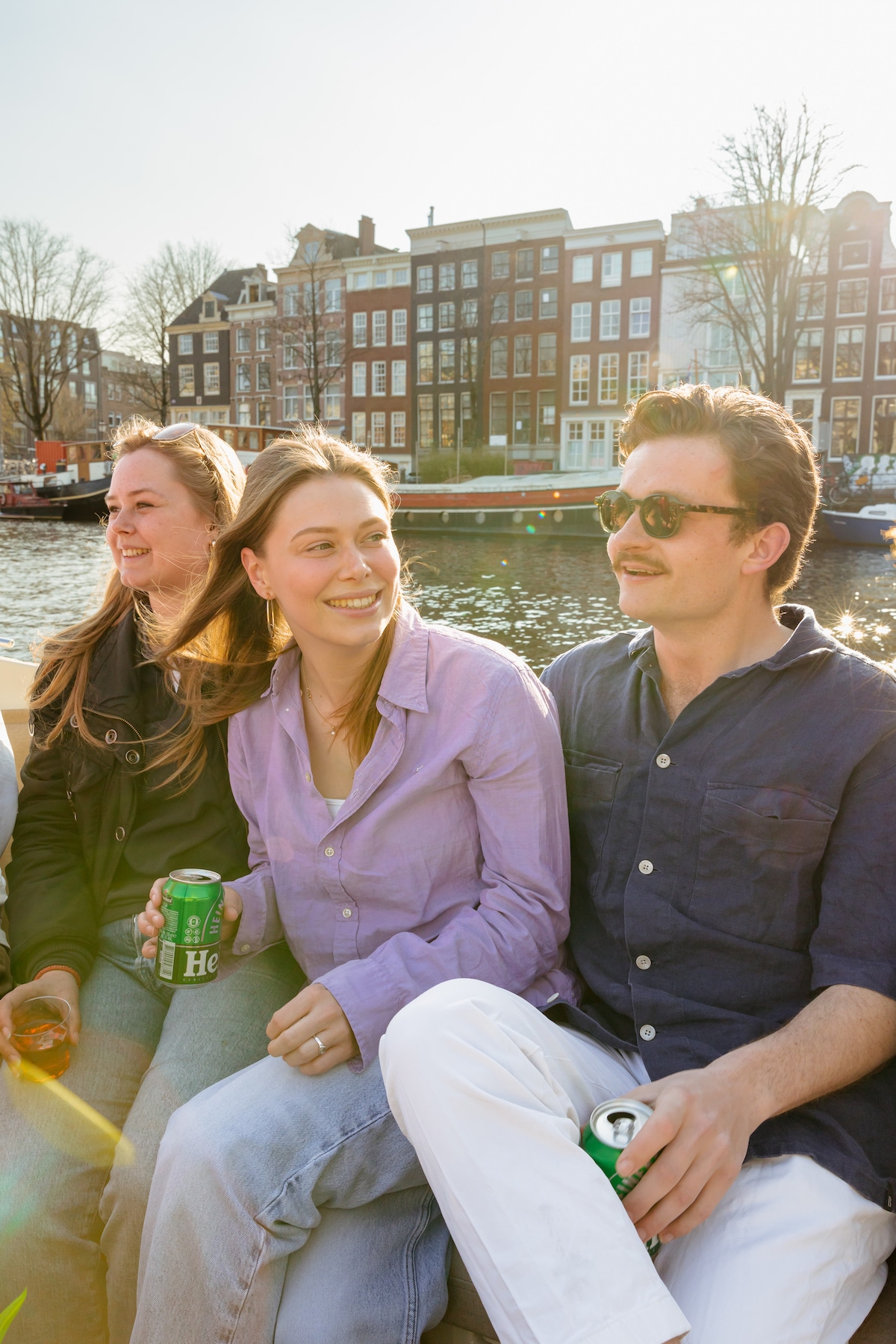
90 min All Inclusive Canal Cruise with local guide
Thu, Feb 12 • 12:00 PM
1017 SG, Amsterdam, Netherlands
View details
Nearby attractions of Town Hall Haarlem
The St. Bavo Church in Haarlem
Ten Boom Museum
Visit Haarlem
Archeological Museum Haarlem
Philharmonie Haarlem
De Vishal
Teylers Museum
Discus Nieuwkoop
Theater De Liefde
Hoofdwacht
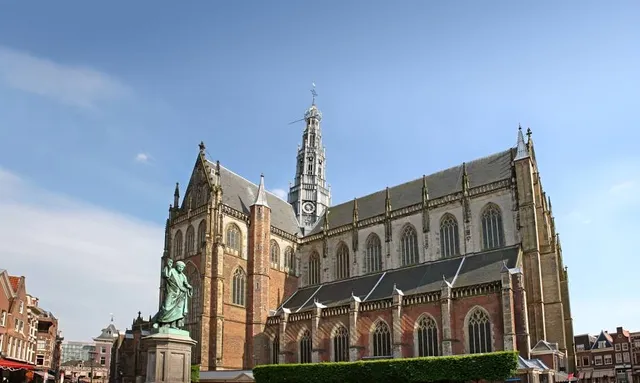
The St. Bavo Church in Haarlem
4.6
(2K)
Closed
Click for details
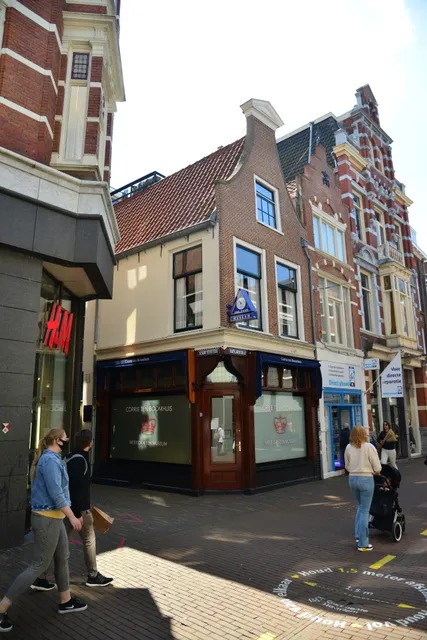
Ten Boom Museum
4.7
(661)
Closed
Click for details

Visit Haarlem
4.2
(96)
Closed
Click for details
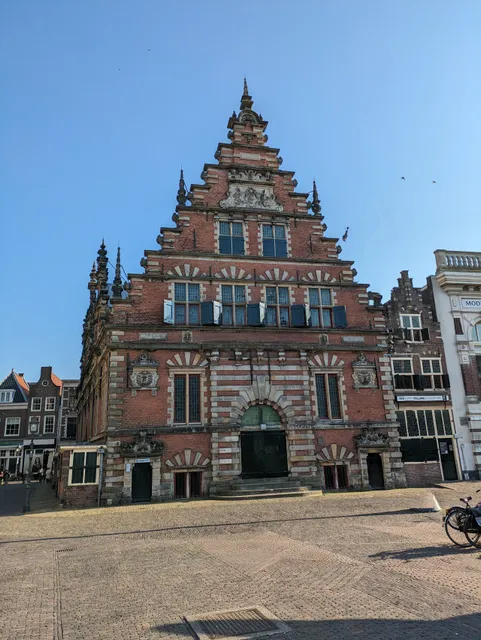
Archeological Museum Haarlem
4.5
(92)
Open until 12:00 AM
Click for details
Nearby restaurants of Town Hall Haarlem
Grand Café Brinkmann
Café XO
Anne&Max Haarlem
Bambu Haarlem
Viqh | Wijnbar | Haarlem
New Vegas
Centopercento
Tierney's Irish Pub & Restaurant
by LIMA
Fortuyn
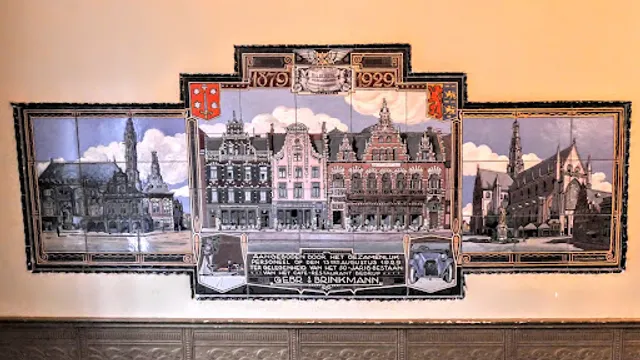
Grand Café Brinkmann
4.1
(1.4K)
Open until 10:00 PM
Click for details
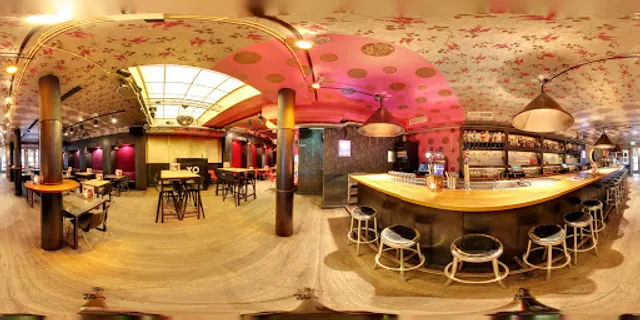
Café XO
3.7
(449)
Closed
Click for details
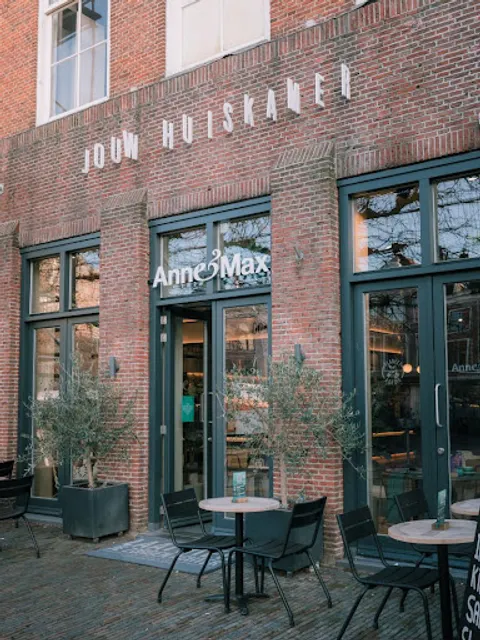
Anne&Max Haarlem
4.1
(596)
Closed
Click for details
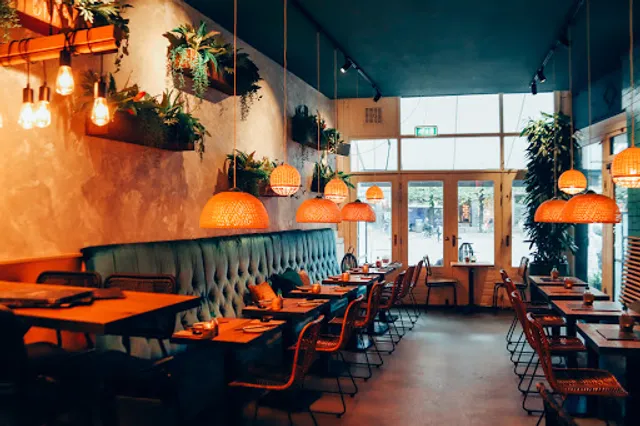
Bambu Haarlem
4.3
(397)
Click for details
Nearby local services of Town Hall Haarlem
A Loja Portugese Delicatessen Haarlem
Coffeeshop Regine.
DekaMarkt Haarlem
Cheese & More by Henri Willig Haarlem
Bever
Purple Pool
Desi Indian Market
Grote Kerk
Visspecialist De Dolfijn
't Kaaswinkeltje
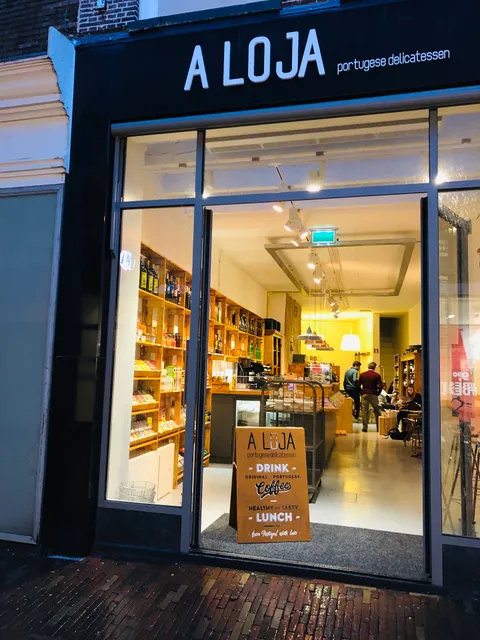
A Loja Portugese Delicatessen Haarlem
4.6
(117)
Click for details
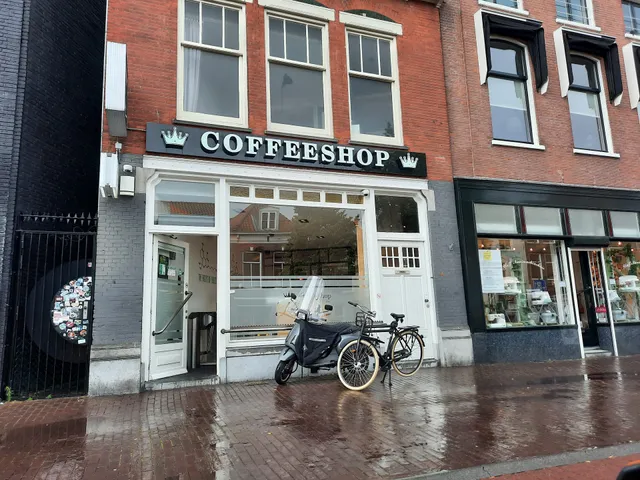
Coffeeshop Regine.
4.5
(307)
Click for details
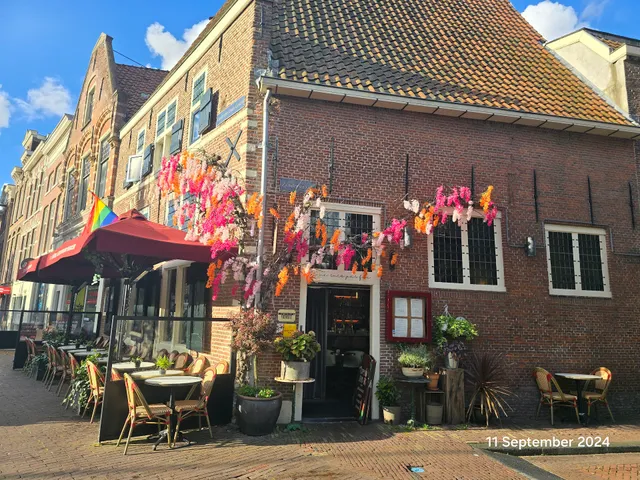
DekaMarkt Haarlem
3.9
(344)
Click for details
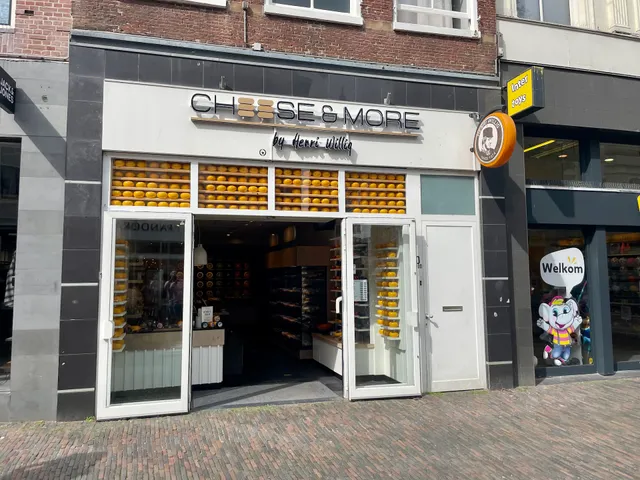
Cheese & More by Henri Willig Haarlem
4.3
(22)
Click for details