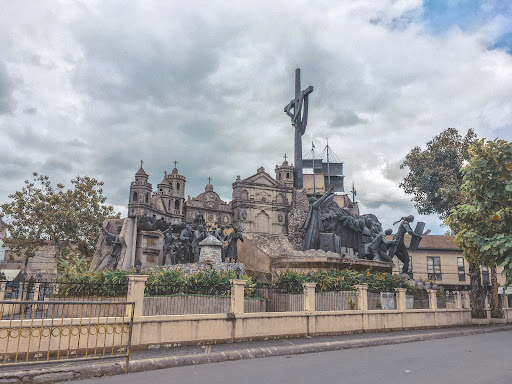
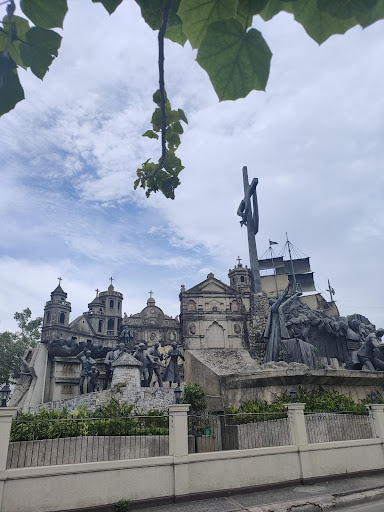
Heritage of Cebu Monument things to do, attractions, restaurants, events info and trip planning
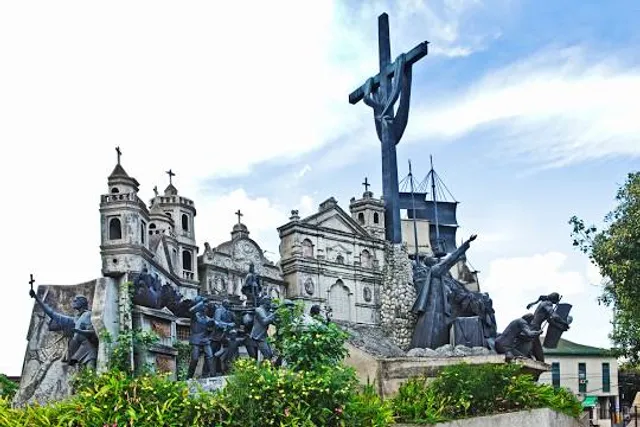
Basic Info
Heritage of Cebu Monument
7WX3+GCP, Sikatuna St, Cebu City, 6000 Cebu, Philippines
4.3(504)
Open until 12:00 AM
Save
spot
spot
Ratings & Description
Info
Cultural
Scenic
Family friendly
Accessibility
attractions: Yap-San Diego Ancestral House, Casa Gorordo Museum, Colon Obelisk arcae, Cebu Metropolitan Cathedral, Museo Parian sa Sugbo, Archdiocesan Museum of Cebu, The Kabilin Center, Basilica Minore del Sto. Niño de Cebu, Magellan's Cross, Rajah Humabon Monument & Humabon Historical Marker, restaurants: Clare Restaurant, Bo's Coffee (Casa Gorordo), Diners JuncTion, Ribshack - Super Metro Colon, Ayers lechon - 138 Mall, Chinese Ngohiong, Kaffee Cove, CK Cebu Colonnade, The Green Pantry, Mang Inasal - 138 Mall, local businesses: Jesuit House Museum, University of the Visayas - Main Campus, Minor Basilica of the Holy Child of Cebu (Basilica Del Sto. Niño), Prestige Smile Dental Co., Metro, Metro Colon - Supermarket, Colon Night Market, Colon Street, National Museum of the Philippines - Cebu, Carbon Night Market
 Learn more insights from Wanderboat AI.
Open hoursSee all hours
MonOpen 24 hoursOpen
Plan your stay

Pet-friendly Hotels in Cebu City
Find a cozy hotel nearby and make it a full experience.

Affordable Hotels in Cebu City
Find a cozy hotel nearby and make it a full experience.

The Coolest Hotels You Haven't Heard Of (Yet)
Find a cozy hotel nearby and make it a full experience.

Trending Stays Worth the Hype in Cebu City
Find a cozy hotel nearby and make it a full experience.
Reviews
Live events
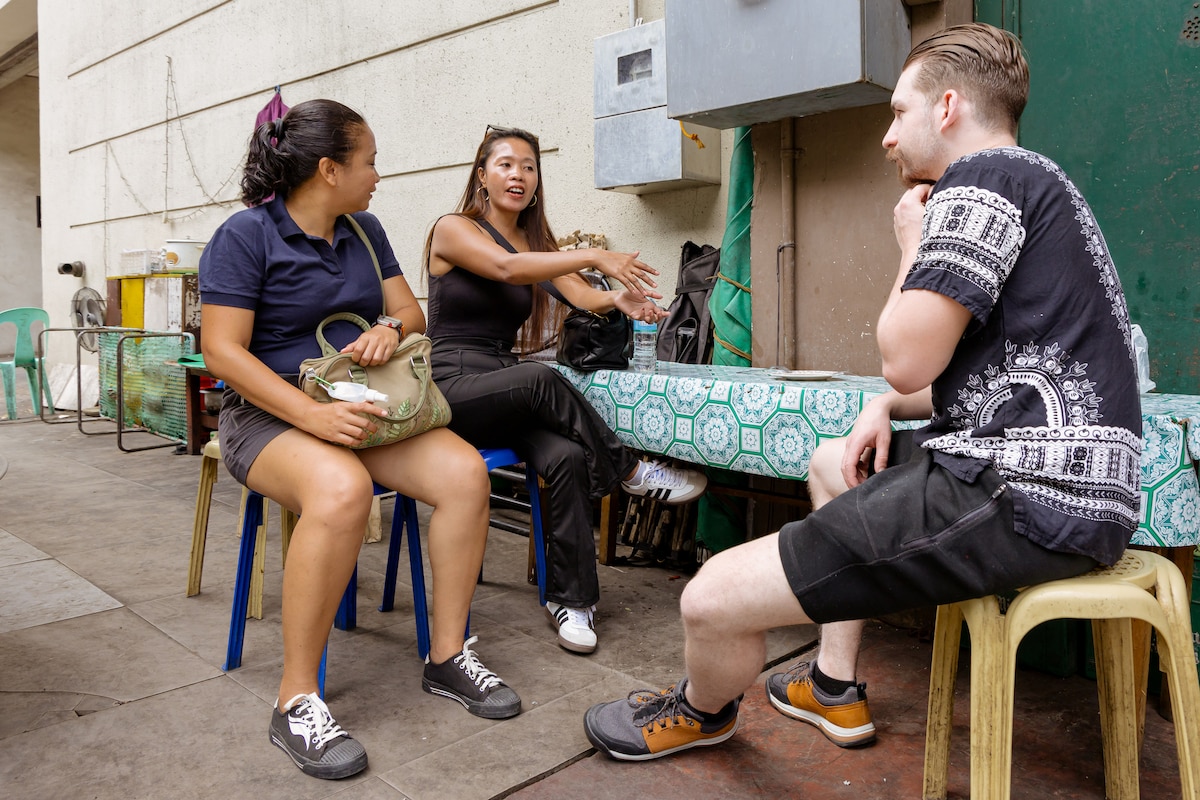
Cebu City: A Walking Street Food Experience
Thu, Feb 26 • 11:00 AM
Cebu City, 6000, Central Visayas, Philippines
View details
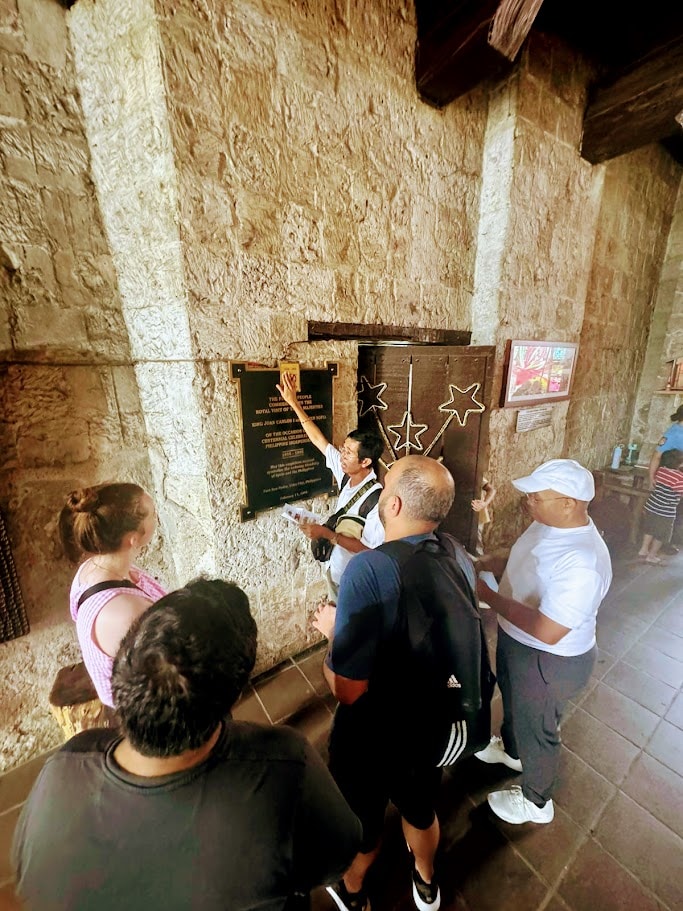
Walk Cebu Like a Local: Stories, Smiles & Taste
Wed, Feb 25 • 9:30 AM
National Museum of the Philippines - Cebu Cebu City, 6000, Central Visayas, Philippines
View details
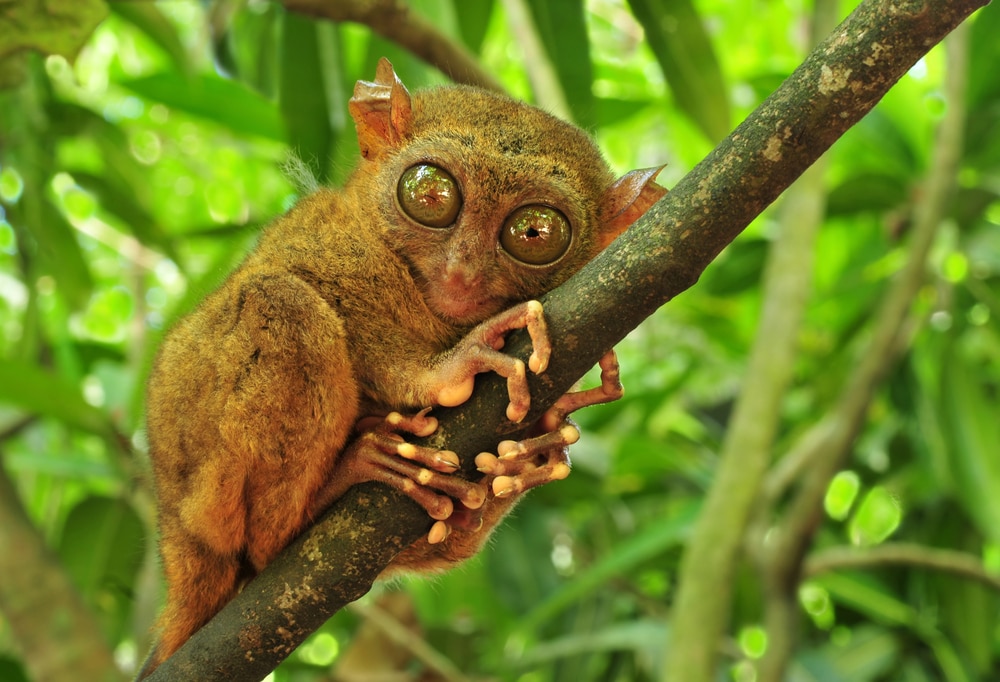
Full Day Bohol Highlights from Cebu
Mon, Feb 23 • 4:30 AM
Shell Robinsons Mobility Station - Galleria Cebu City Cebu City, 6000, Central Visayas, Philippines
View details
Nearby attractions of Heritage of Cebu Monument
Yap-San Diego Ancestral House
Casa Gorordo Museum
Colon Obelisk arcae
Cebu Metropolitan Cathedral
Museo Parian sa Sugbo
Archdiocesan Museum of Cebu
The Kabilin Center
Basilica Minore del Sto. Niño de Cebu
Magellan's Cross
Rajah Humabon Monument & Humabon Historical Marker
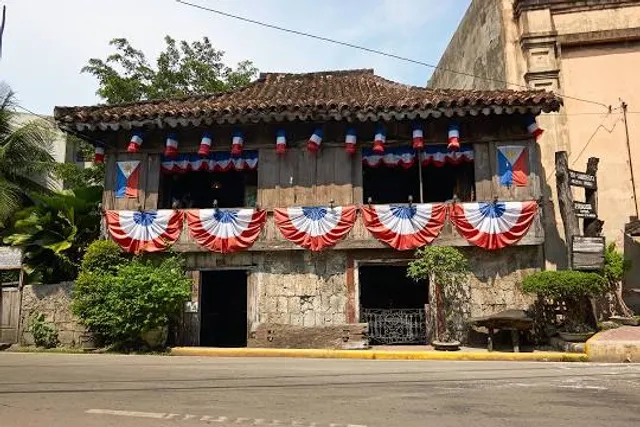
Yap-San Diego Ancestral House
4.4
(953)
Open until 7:00 PM
Click for details

Casa Gorordo Museum
4.6
(594)
Open until 12:00 AM
Click for details
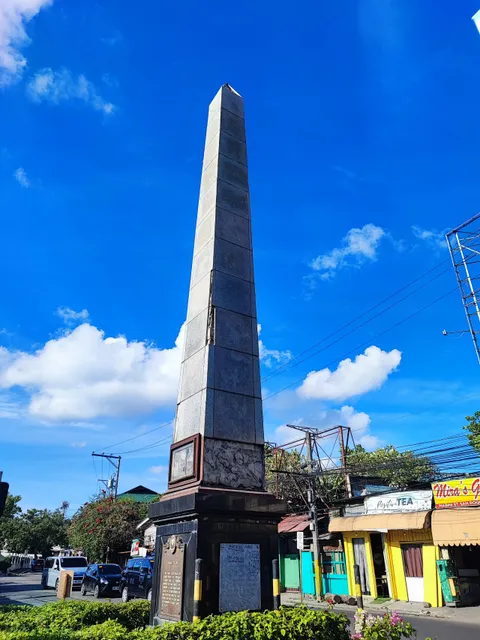
Colon Obelisk arcae
3.5
(39)
Open until 12:00 AM
Click for details
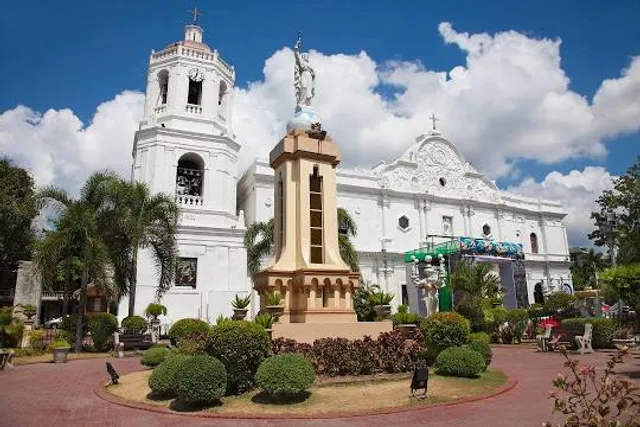
Cebu Metropolitan Cathedral
4.7
(1.0K)
Open until 5:00 PM
Click for details
Nearby restaurants of Heritage of Cebu Monument
Clare Restaurant
Bo's Coffee (Casa Gorordo)
Diners JuncTion
Ribshack - Super Metro Colon
Ayers lechon - 138 Mall
Chinese Ngohiong
Kaffee Cove
CK Cebu Colonnade
The Green Pantry
Mang Inasal - 138 Mall
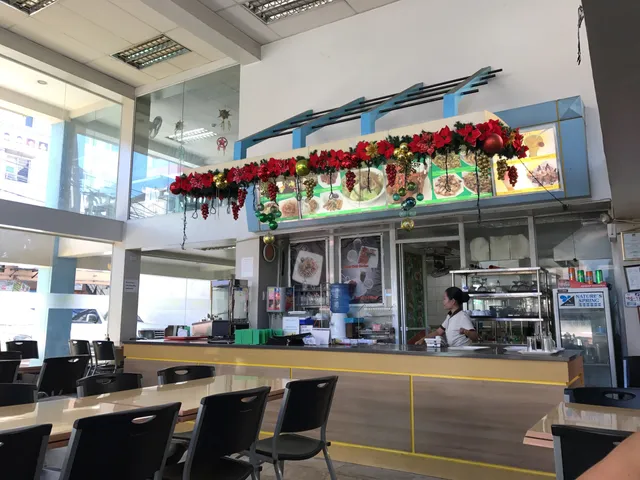
Clare Restaurant
4.3
(73)
Open until 12:00 AM
Click for details
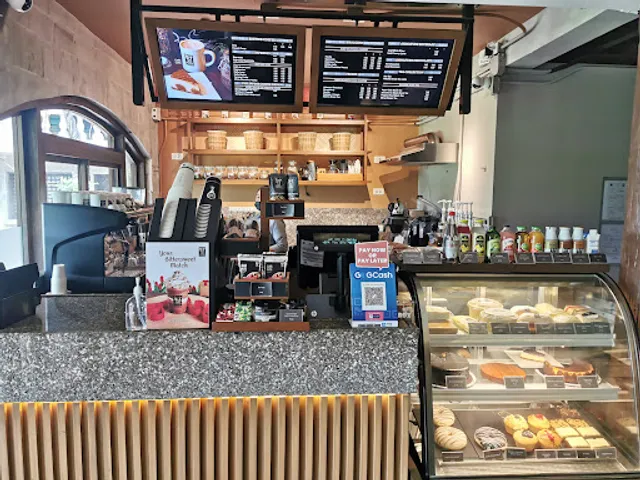
Bo's Coffee (Casa Gorordo)
4.5
(49)
Open until 7:00 PM
Click for details
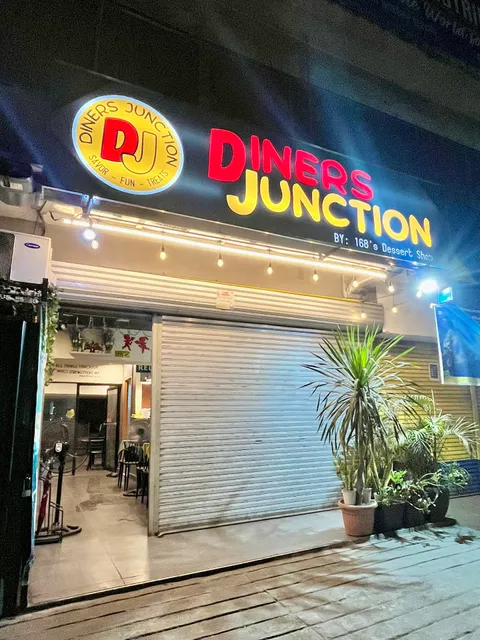
Diners JuncTion
4.6
(13)
Open until 11:00 PM
Click for details
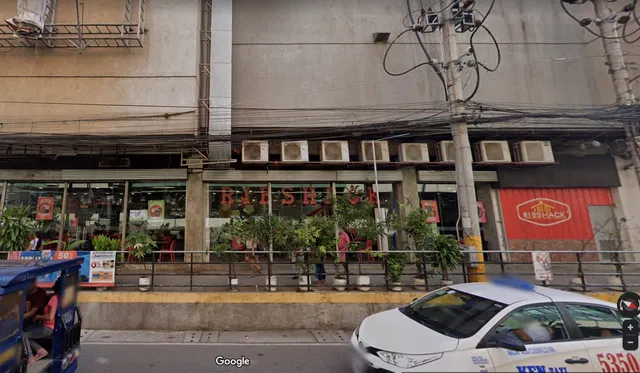
Ribshack - Super Metro Colon
4.3
(270)
Open until 9:00 PM
Click for details
Nearby local services of Heritage of Cebu Monument
Jesuit House Museum
University of the Visayas - Main Campus
Minor Basilica of the Holy Child of Cebu (Basilica Del Sto. Niño)
Prestige Smile Dental Co.
Metro
Metro Colon - Supermarket
Colon Night Market
Colon Street
National Museum of the Philippines - Cebu
Carbon Night Market
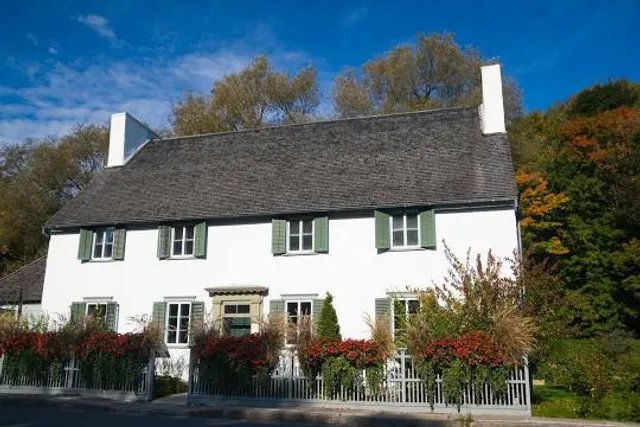
Jesuit House Museum
4.6
(88)
Click for details
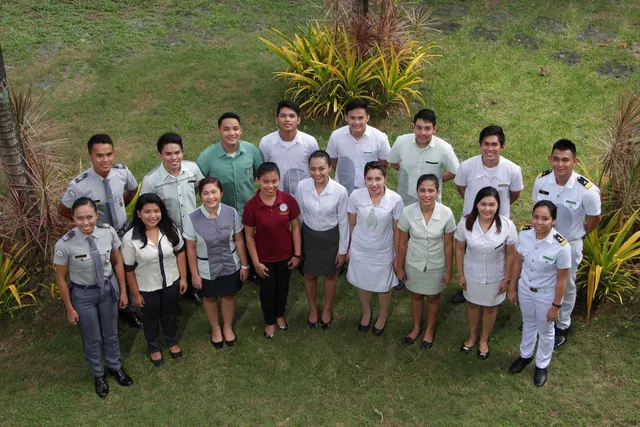
University of the Visayas - Main Campus
4.1
(133)
Click for details
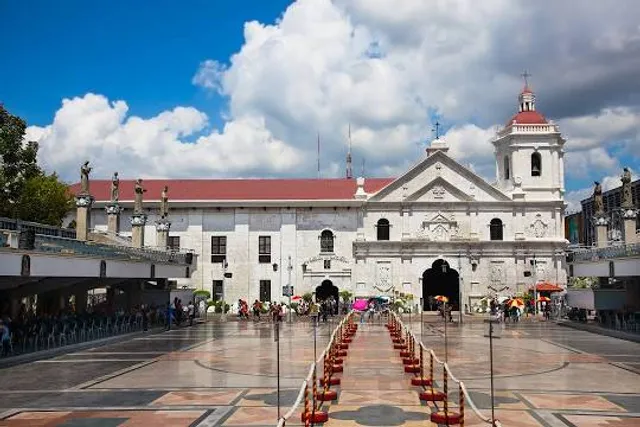
Minor Basilica of the Holy Child of Cebu (Basilica Del Sto. Niño)
4.7
(2.8K)
Click for details
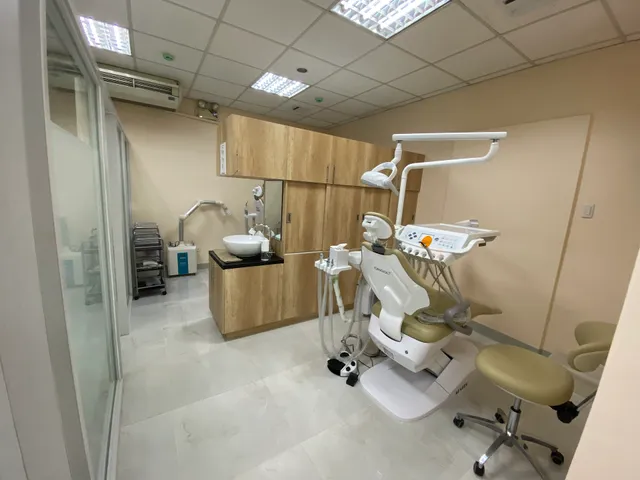
Prestige Smile Dental Co.
5.0
(11)
Click for details