Church of Peace in Świdnica things to do, attractions, restaurants, events info and trip planning
Basic Info
Church of Peace in Świdnica
plac Pokoju 6, 58-100 Świdnica, Poland
4.8(4.1K)
Closed


tickets
Save
spot
spot
Ratings & Description
Info
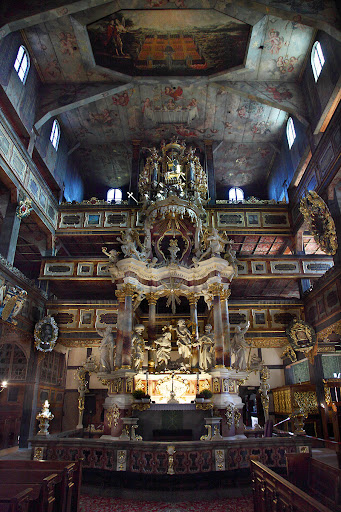
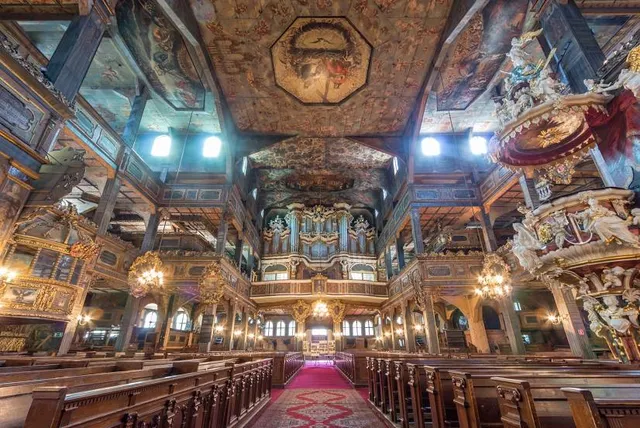
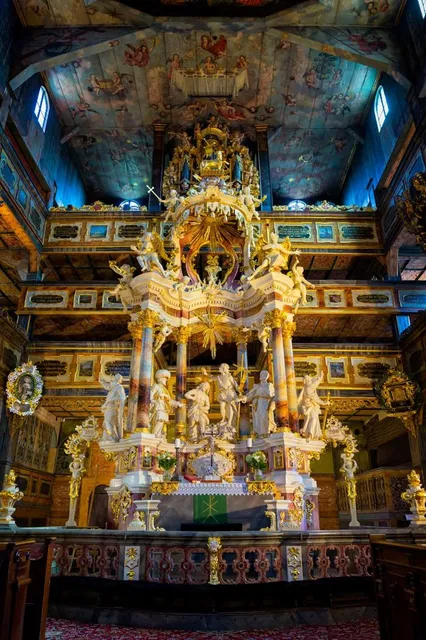
The Holy Trinity Church of Peace in Świdnica - the largest wooden Baroque temple in Europe, a historic religious building built under the agreements of the Treaty of Westphalia signed in 1648, which ended the Thirty Years' War. It belongs to the Świdnica parish of the Evangelical-Augsburg Church in Poland.
Cultural
Accessibility
attractions: Museum of Old Trade, General Władysław Sikorski Park, restaurants: Nieziemska Naleśnikarnia, Karczma Zagłoba., WołoWina, Pizzeria Przesiadka, Restauracja Fado i Wino. Świdnica, Restauracja Kryształowa Świdnica, Koku Sushi, Alfama Pub & Garden, Restauracja Rynek 43, Bar Kupiecki, local businesses: Rathausturm, Roman Catholic Diocese of Świdnica, St. Stanislaus and St. Wenceslaus Cathedral
 Learn more insights from Wanderboat AI.
Phone
+48 603 331 578
Website
kosciolpokoju.pl
Open hoursSee all hours
Fri10 a.m. - 3 p.m.Closed
Plan your stay

Pet-friendly Hotels in Świdnica
Find a cozy hotel nearby and make it a full experience.

Affordable Hotels in Świdnica
Find a cozy hotel nearby and make it a full experience.

The Coolest Hotels You Haven't Heard Of (Yet)
Find a cozy hotel nearby and make it a full experience.

Trending Stays Worth the Hype in Świdnica
Find a cozy hotel nearby and make it a full experience.
Reviews
Nearby attractions of Church of Peace in Świdnica
Museum of Old Trade
General Władysław Sikorski Park
Museum of Old Trade
4.7
(299)
Closed
Click for details
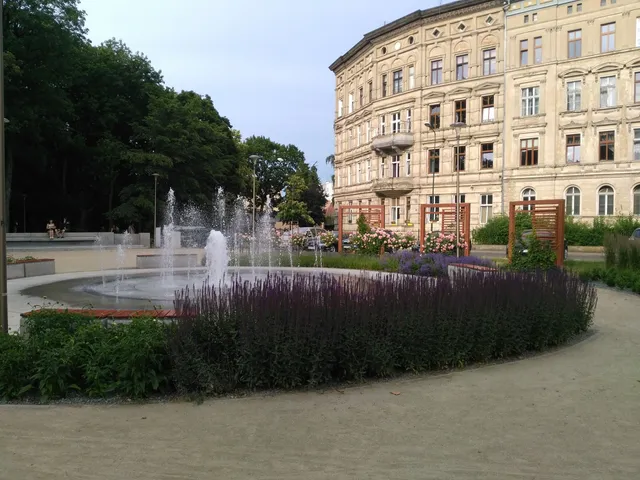
General Władysław Sikorski Park
4.6
(671)
Open until 12:00 AM
Click for details
Nearby restaurants of Church of Peace in Świdnica
Nieziemska Naleśnikarnia
Karczma Zagłoba.
WołoWina
Pizzeria Przesiadka
Restauracja Fado i Wino. Świdnica
Restauracja Kryształowa Świdnica
Koku Sushi
Alfama Pub & Garden
Restauracja Rynek 43
Bar Kupiecki
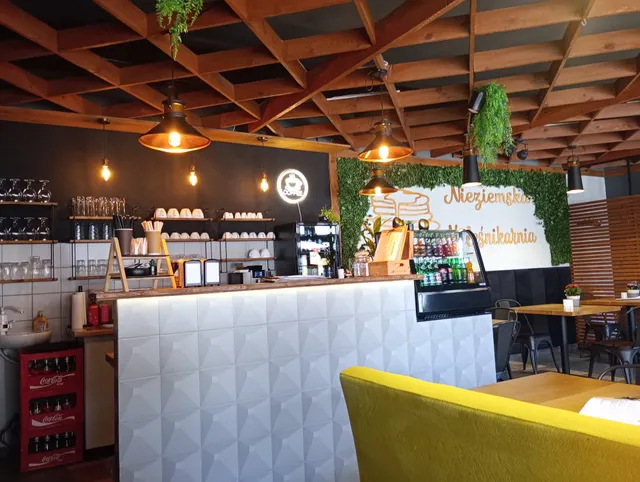
Nieziemska Naleśnikarnia
4.8
(520)
Closed
Click for details
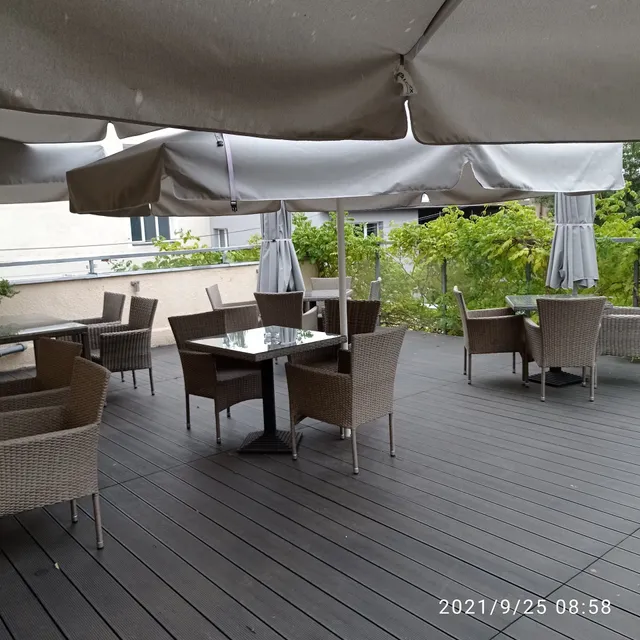
Karczma Zagłoba.
4.5
(952)
Click for details
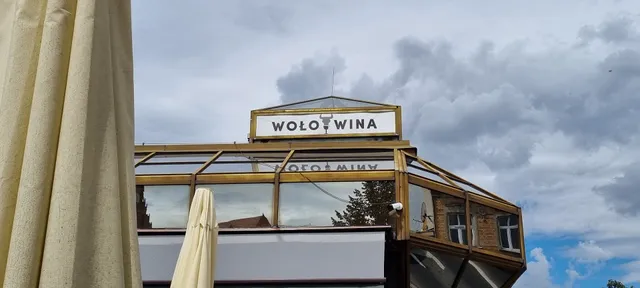
WołoWina
4.4
(1.1K)
$$
Closed
Click for details
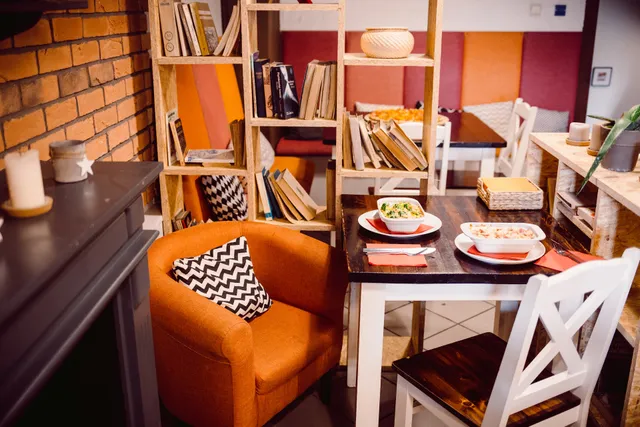
Pizzeria Przesiadka
4.3
(706)
Closed
Click for details
Nearby local services of Church of Peace in Świdnica
Rathausturm
Roman Catholic Diocese of Świdnica
St. Stanislaus and St. Wenceslaus Cathedral
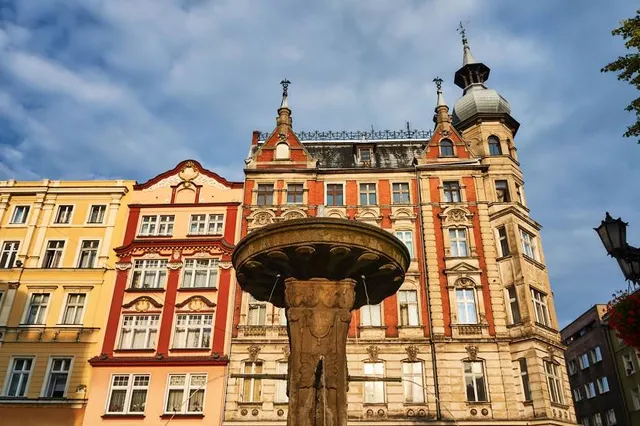
Rathausturm
4.7
(390)
Click for details
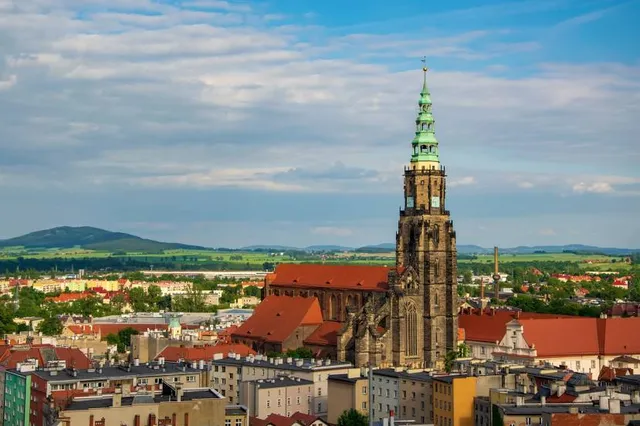
Roman Catholic Diocese of Świdnica
4.7
(759)
Click for details
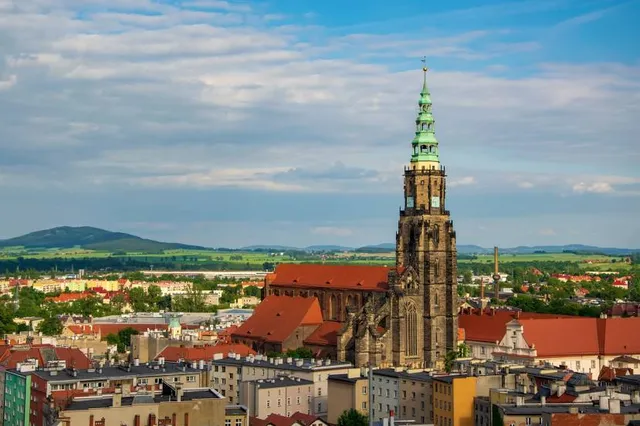
St. Stanislaus and St. Wenceslaus Cathedral
4.7
(230)
Click for details