Pawiak Prison Museum things to do, attractions, restaurants, events info and trip planning
Basic Info
Pawiak Prison Museum
Dzielna 24/26, 00-162 Warszawa, Poland
4.6(1.3K)
Closed

tickets
Save
spot
spot
Ratings & Description
Info
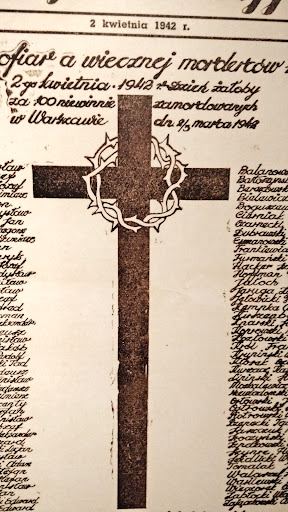
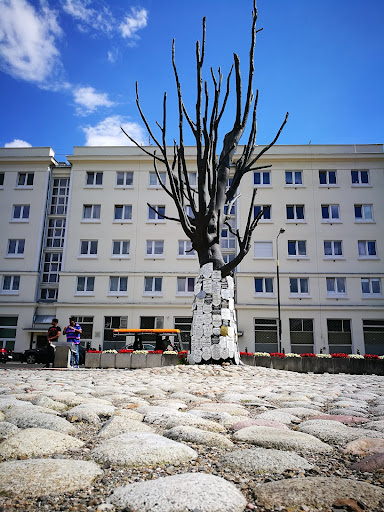
Muzeum Więzienia "Pawiak" is a museum in Warsaw, Poland, established in 1965. It shows the history of Pawiak Prison which was notably used during the German occupation between 1939 and 1944.
Cultural
Accessibility
attractions: POLIN Museum of the History of Polish Jews, Umschlagplatz Monument, Miła 18 Memorial, Krasiński Garden, Dog Park, National Archaeological Museum, Palace of the Commonwealth, Museum of Independence, Palace of Treasury Ministers, Museum of John Paul II Collection, restaurants: Klubokawiarnia Jaś i Małgosia | Kawiarnia | Restauracja, RIGHT PLACE, STÓŁ bistro, Youmiko Vegan Sushi, Vegan Ramen Shop Muranów, Pizzeria na Nowolipkach, Zacny Pyrkot, Yatta Ramen BBQ, Lekko&Strawnie – Pizzeria Neapolitańska, Vegan Sushi Bar, local businesses: Nowolipie 23, Ludwika Zamenhofa 1, Al. Solidarności 84, Maestria Swiss Dental Clinic., Mordechaja Anielewicza 22, Monument to the Heroes of Warsaw, al. Jana Pawła II 70, plac Bankowy 2, Monument to the Ghetto Heroes, Smocza 27
 Learn more insights from Wanderboat AI.
Phone
+48 22 831 92 89
Website
pawiak.muzn.pl
Open hoursSee all hours
Fri10 AM - 5 PMClosed
Plan your stay

Pet-friendly Hotels in Warsaw
Find a cozy hotel nearby and make it a full experience.

Affordable Hotels in Warsaw
Find a cozy hotel nearby and make it a full experience.

The Coolest Hotels You Haven't Heard Of (Yet)
Find a cozy hotel nearby and make it a full experience.

Trending Stays Worth the Hype in Warsaw
Find a cozy hotel nearby and make it a full experience.
Reviews
Live events
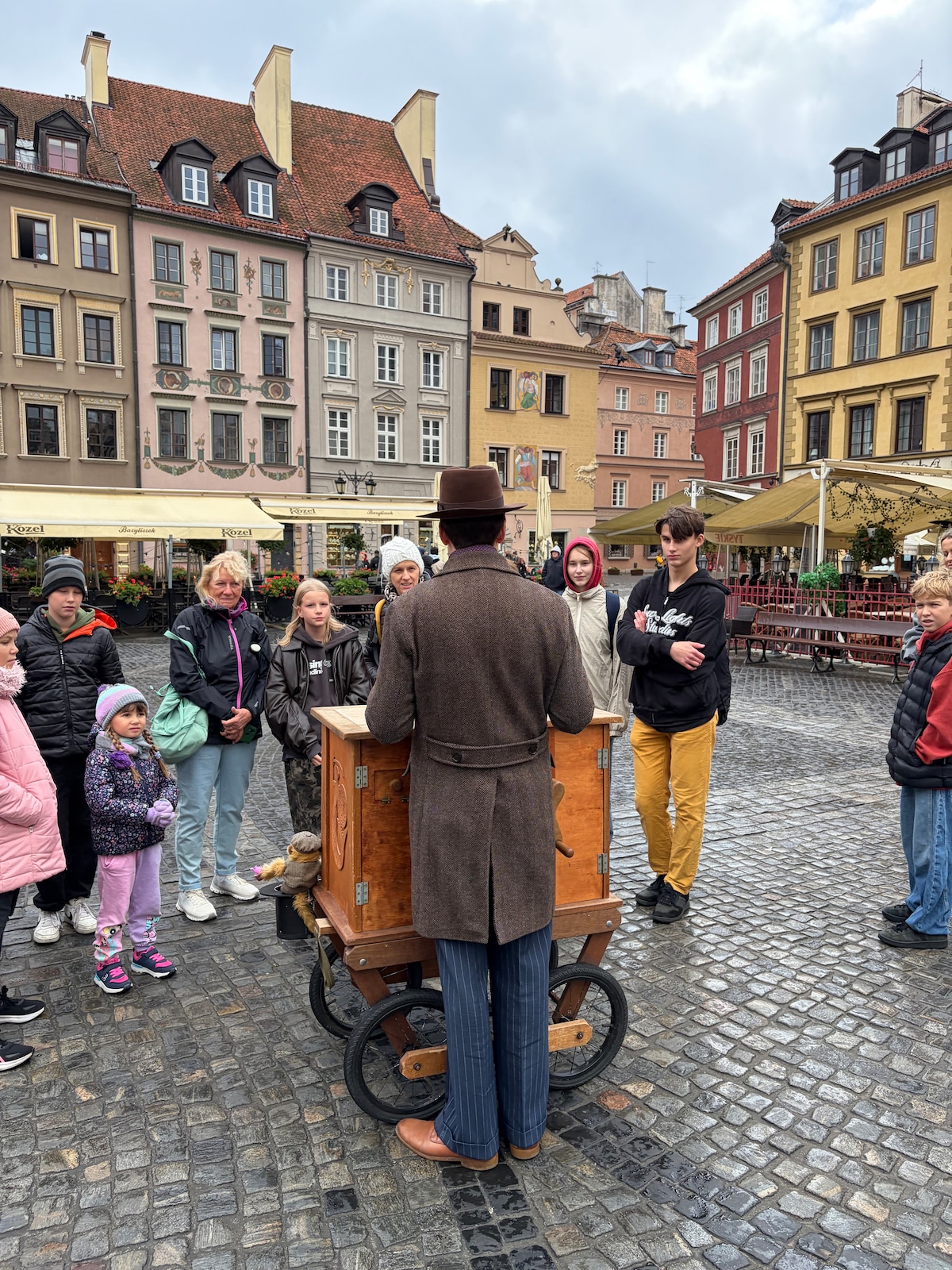
Warsaw Old Town and more with Antek and Tomek
Fri, Feb 27 • 2:00 PM
01-195, Warsaw, Masovian Voivodeship, Poland
View details
Warsaw’s Comfort Food & Hidden Stories Tour
Fri, Feb 27 • 11:00 AM
00-227, Warsaw, Masovian Voivodeship, Poland
View details
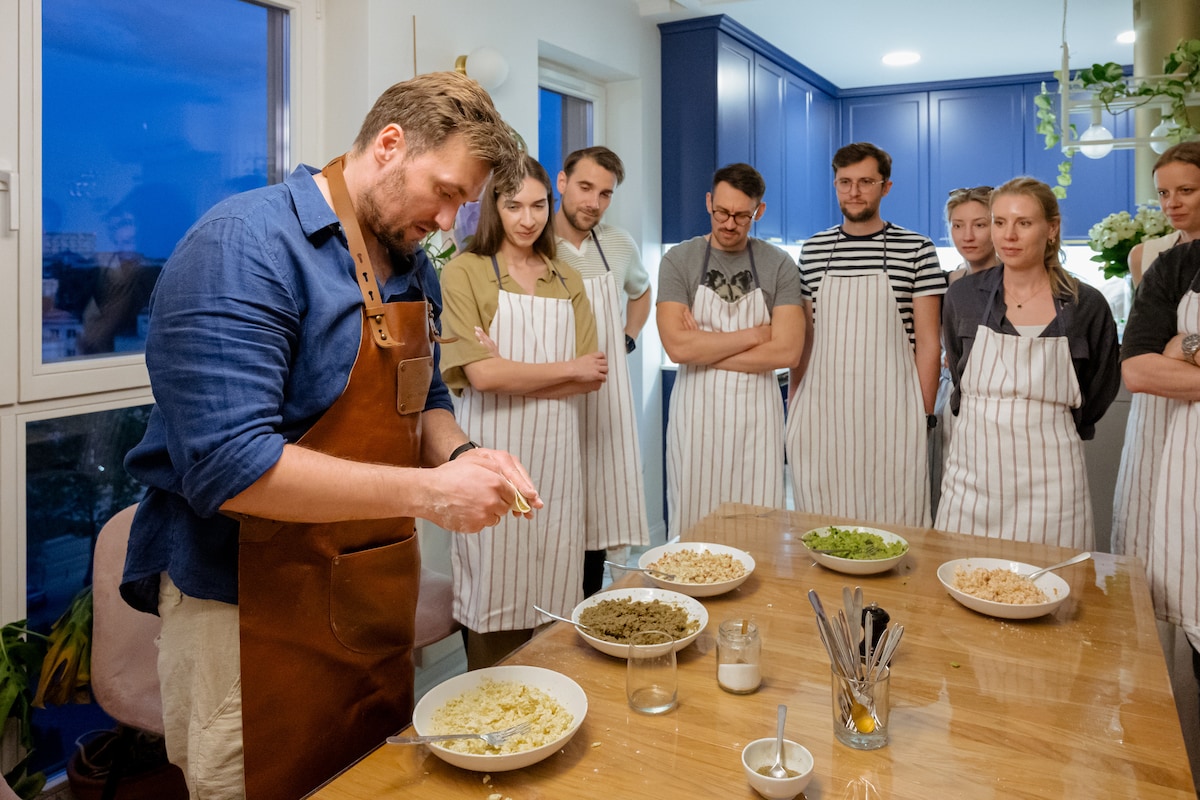
Make pierogi and try liqours with a Warsaw native
Fri, Feb 27 • 5:30 PM
02-353, Warsaw, Masovian Voivodeship, Poland
View details
Nearby attractions of Pawiak Prison Museum
POLIN Museum of the History of Polish Jews
Umschlagplatz Monument
Miła 18 Memorial
Krasiński Garden
Dog Park
National Archaeological Museum
Palace of the Commonwealth
Museum of Independence
Palace of Treasury Ministers
Museum of John Paul II Collection
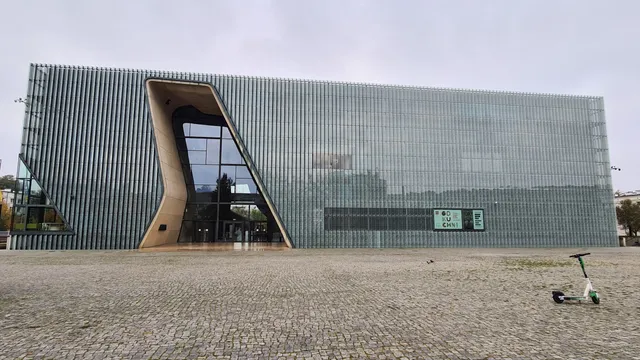
POLIN Museum of the History of Polish Jews
4.6
(161)
Closed
Click for details
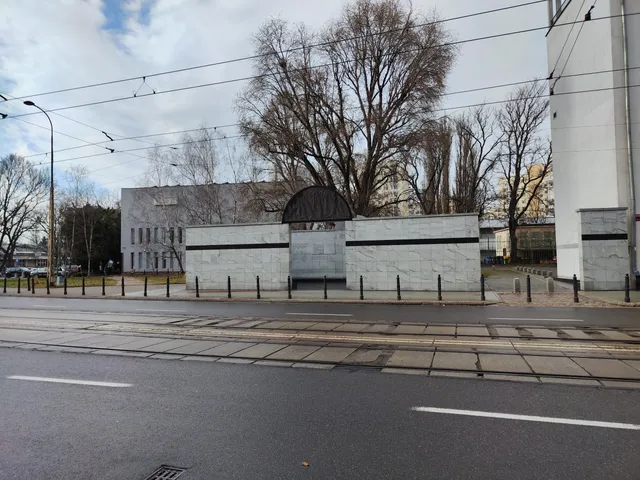
Umschlagplatz Monument
4.5
(620)
Open until 12:00 AM
Click for details
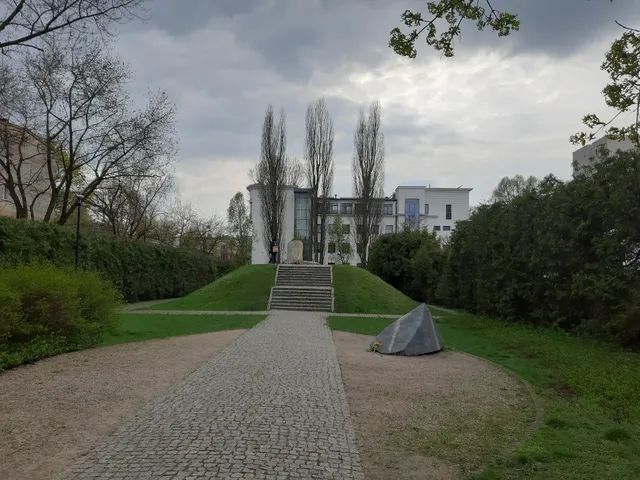
Miła 18 Memorial
4.6
(166)
Open until 12:00 AM
Click for details
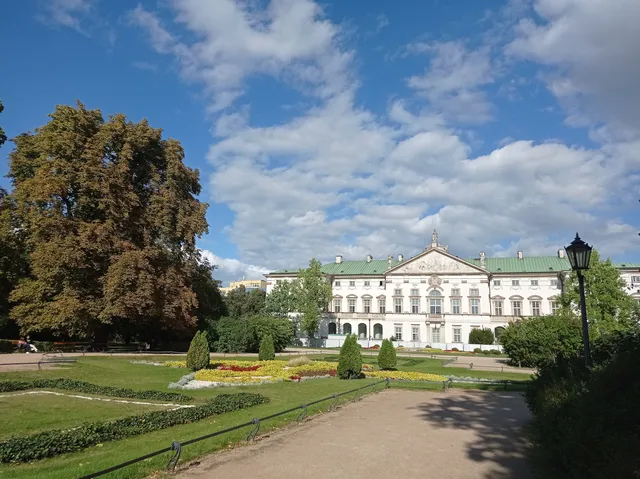
Krasiński Garden
4.7
(4.1K)
Closed
Click for details
Nearby restaurants of Pawiak Prison Museum
Klubokawiarnia Jaś i Małgosia | Kawiarnia | Restauracja
RIGHT PLACE
STÓŁ bistro
Youmiko Vegan Sushi
Vegan Ramen Shop Muranów
Pizzeria na Nowolipkach
Zacny Pyrkot
Yatta Ramen BBQ
Lekko&Strawnie – Pizzeria Neapolitańska
Vegan Sushi Bar
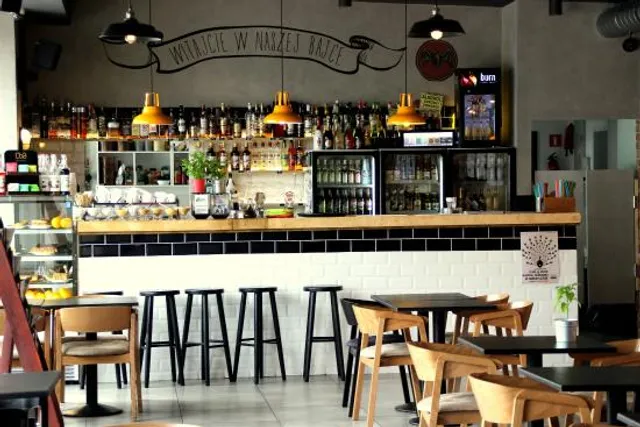
Klubokawiarnia Jaś i Małgosia | Kawiarnia | Restauracja
4.5
(1.8K)
Closed
Click for details
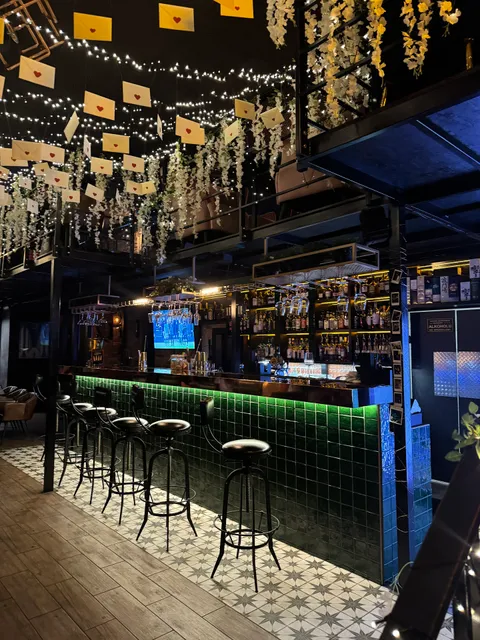
RIGHT PLACE
4.7
(589)
Closed
Click for details
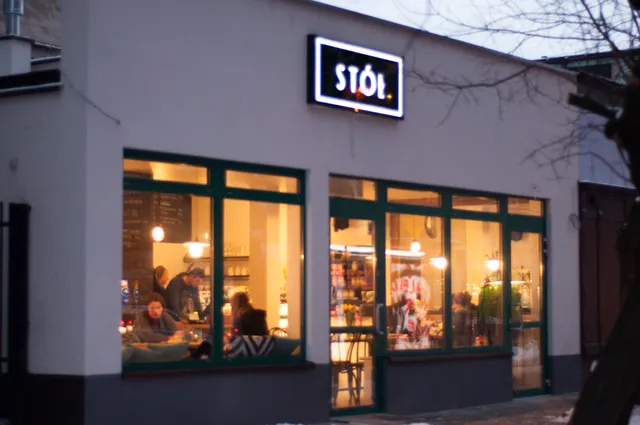
STÓŁ bistro
4.4
(700)
Closed
Click for details
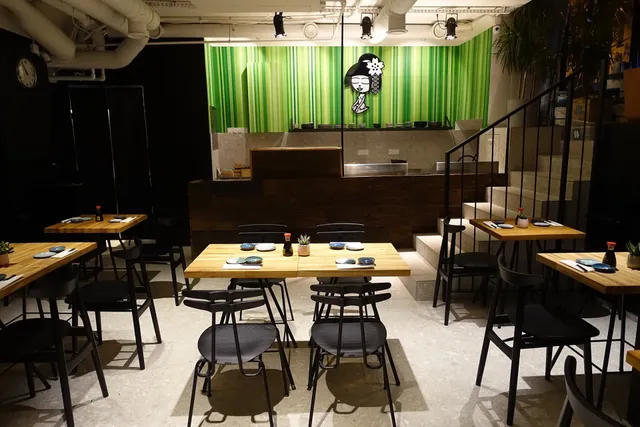
Youmiko Vegan Sushi
4.7
(944)
$$$
Closed
Click for details
Nearby local services of Pawiak Prison Museum
Nowolipie 23
Ludwika Zamenhofa 1
Al. Solidarności 84
Maestria Swiss Dental Clinic.
Mordechaja Anielewicza 22
Monument to the Heroes of Warsaw
al. Jana Pawła II 70
plac Bankowy 2
Monument to the Ghetto Heroes
Smocza 27
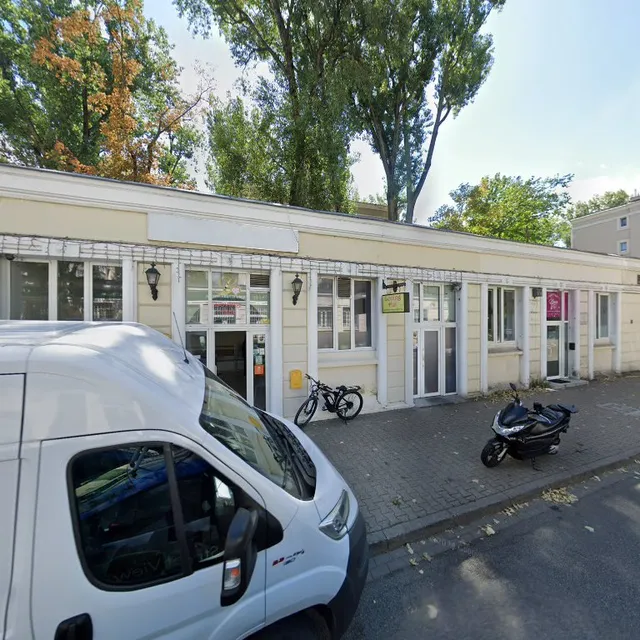
Nowolipie 23
4.6
(514)
Click for details
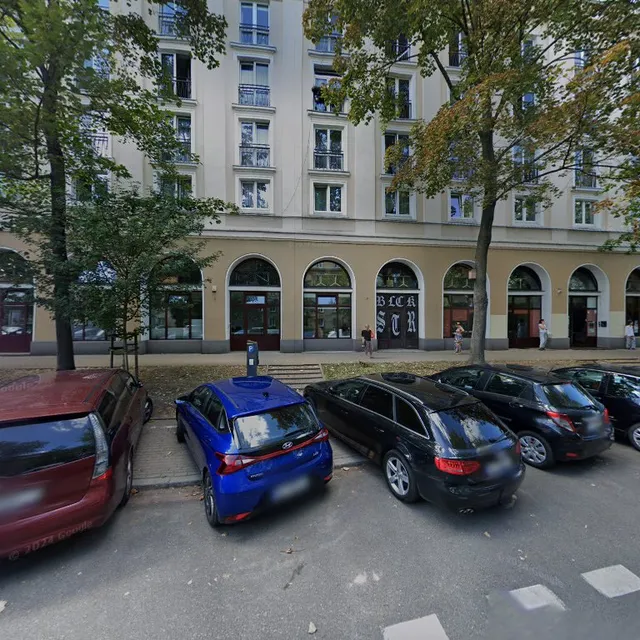
Ludwika Zamenhofa 1
4.5
(301)
Click for details
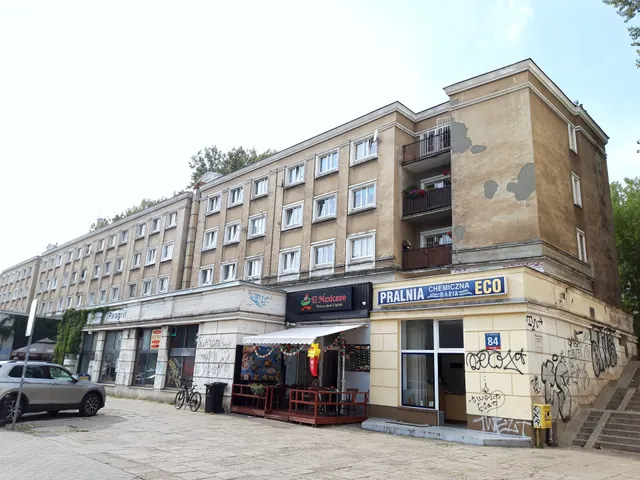
Al. Solidarności 84
4.5
(818)
Click for details
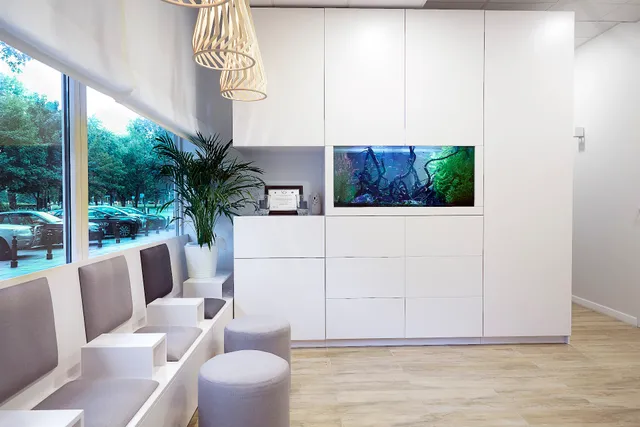
Maestria Swiss Dental Clinic.
4.3
(117)
Click for details