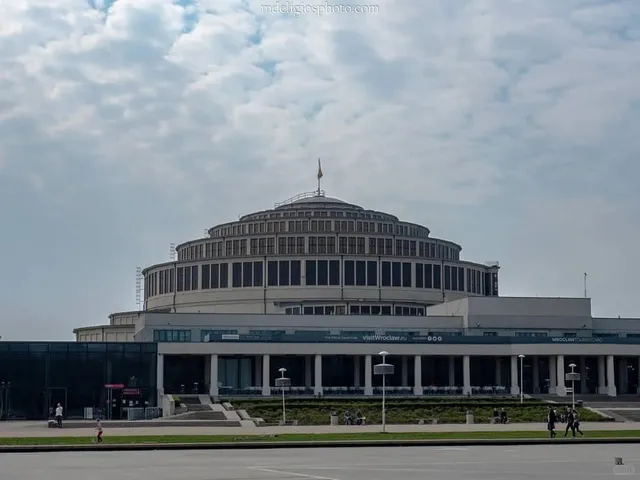
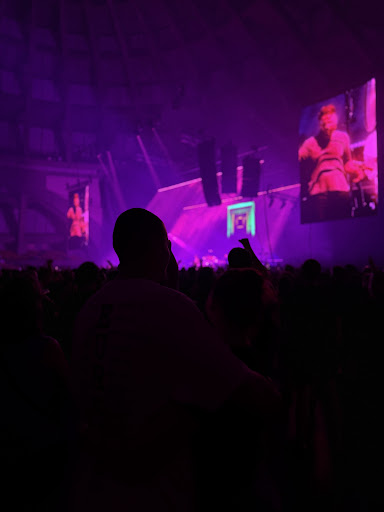
Centennial Hall things to do, attractions, restaurants, events info and trip planning
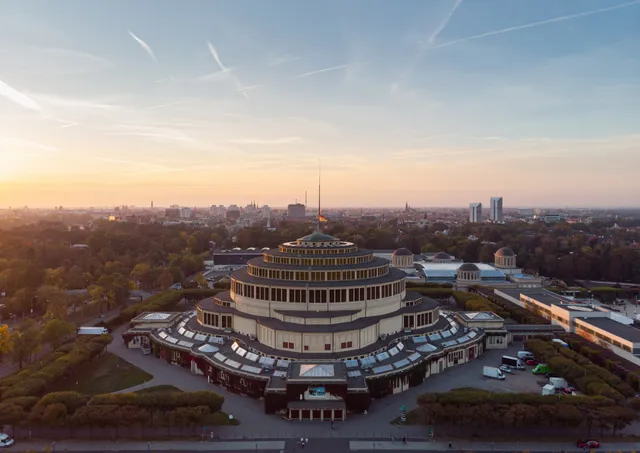
Basic Info
Centennial Hall
Wystawowa 1, 51-618 Wrocław, Poland
4.7(5.7K)
Open until 5:00 PM

tickets
Save
spot
spot
Ratings & Description
Info
Cultural
Entertainment
Accessibility
Family friendly
attractions: Wrocław Multimedia Fountain, Wrocław Africarium, ZOO Wrocław, Iglica, Japanese Garden, Pergola in Wrocław, Museum of Contemporary Art, National Museum in Wroclaw, Four Domes Pavilion, FunPark Przy Hali Stulecia, Dwarf IASE, restaurants: Restauracja Tarasowa, Refresca, Laguna Bistro & Cafe, Restauracja Przystanek ZOO, WUWAcafe, Restauracja Bella Storia, Pizza nel Parco, SOLLEIM 설레임 - Kliniki, Dragon Box, La Habana Restauracja Wrocław Latynoska Kuchnia, local businesses: Diana Monument, Zwierzyniecki Bridge, Passenger Shipping, Ptaszarnia
 Learn more insights from Wanderboat AI.
Phone
+48 71 347 51 50
Website
halastulecia.pl
Open hoursSee all hours
Sun10 AM - 5 PMOpen
Plan your stay

Pet-friendly Hotels in Wrocław
Find a cozy hotel nearby and make it a full experience.

Affordable Hotels in Wrocław
Find a cozy hotel nearby and make it a full experience.

The Coolest Hotels You Haven't Heard Of (Yet)
Find a cozy hotel nearby and make it a full experience.

Trending Stays Worth the Hype in Wrocław
Find a cozy hotel nearby and make it a full experience.
Reviews
Live events
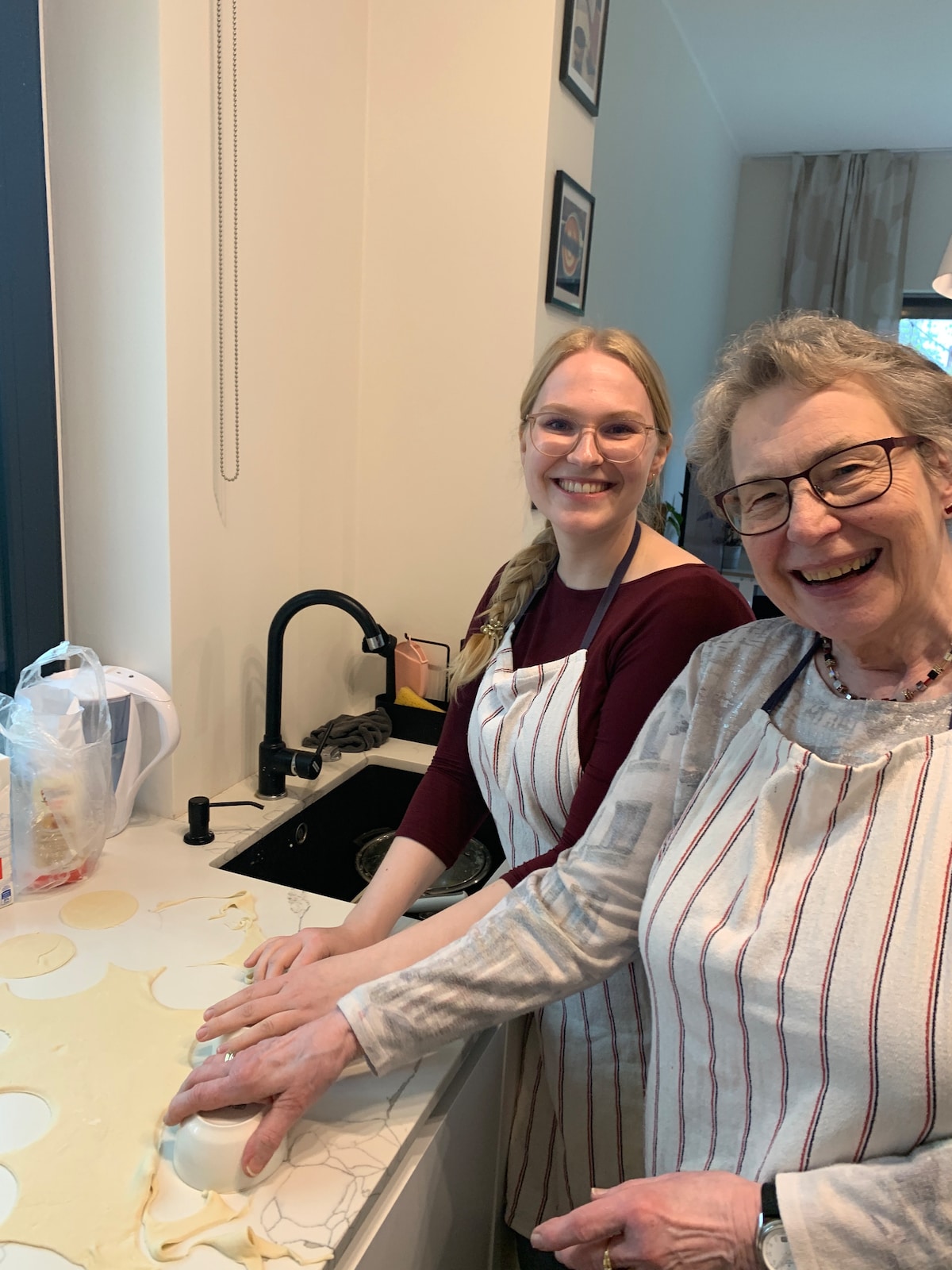
Make pierogi dumplings in workshop
Sun, Feb 22 • 11:00 AM
53-020, Wrocław, Lower Silesian Voivodeship, Poland
View details
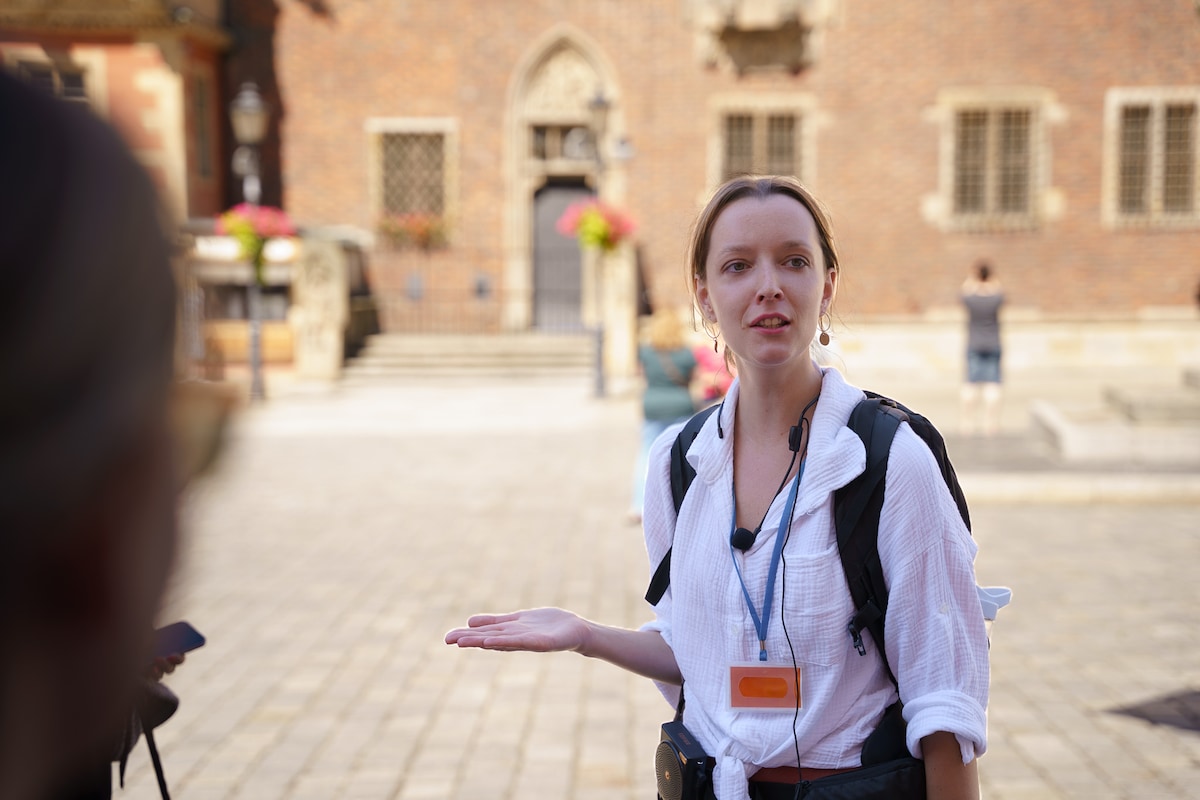
Discover the most beautiful corners of Wrocław
Fri, Feb 27 • 11:00 AM
50-116, Wrocław, Lower Silesian Voivodeship, Poland
View details
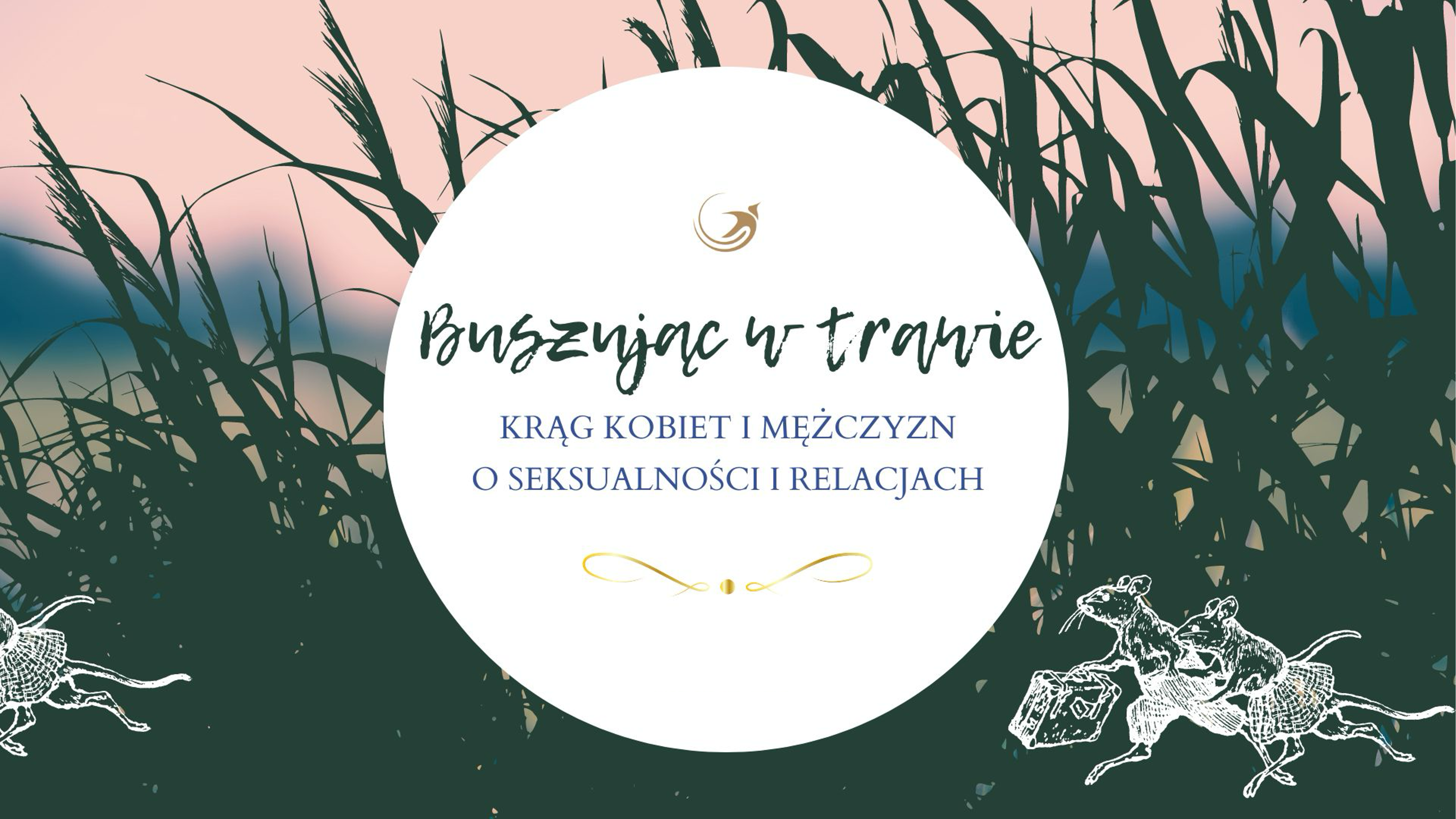
Buszując w trawie – krąg kobiet i mężczyzn o seksualności i relacjach
Mon, Feb 23 • 6:00 PM
Masaż tantryczny Akademia Przyjemności, Jabłeczna 18, 50-539 Wrocław, Poland
View details
Nearby attractions of Centennial Hall
Wrocław Multimedia Fountain
Wrocław Africarium
ZOO Wrocław
Iglica
Japanese Garden
Pergola in Wrocław
Museum of Contemporary Art, National Museum in Wroclaw
Four Domes Pavilion
FunPark Przy Hali Stulecia
Dwarf IASE
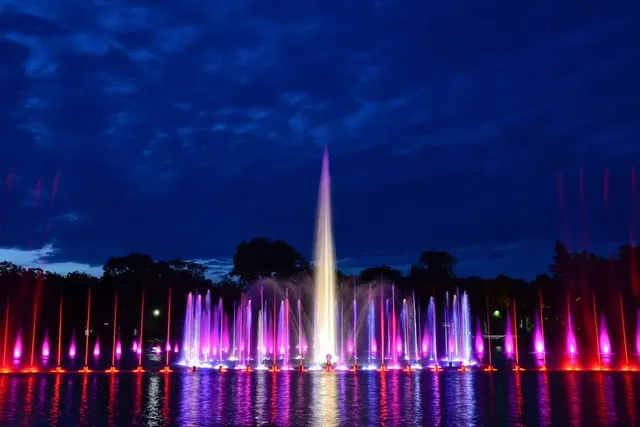
Wrocław Multimedia Fountain
4.7
(7.1K)
Open 24 hours
Click for details
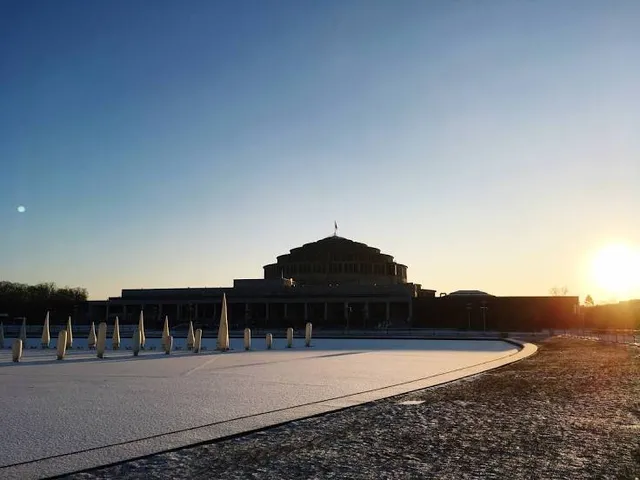
Wrocław Africarium
4.8
(19K)
Closed
Click for details
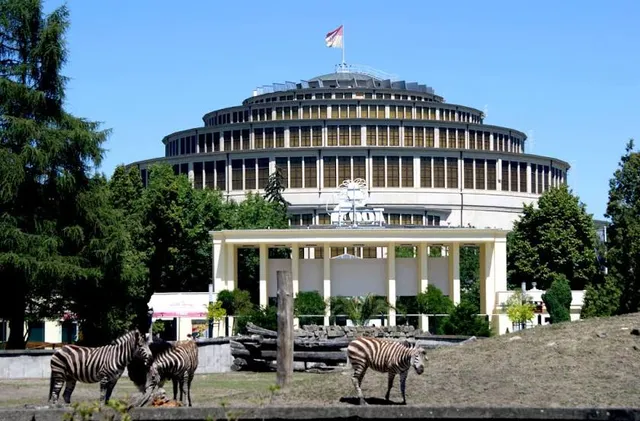
ZOO Wrocław
4.7
(1.1K)
Closed
Click for details
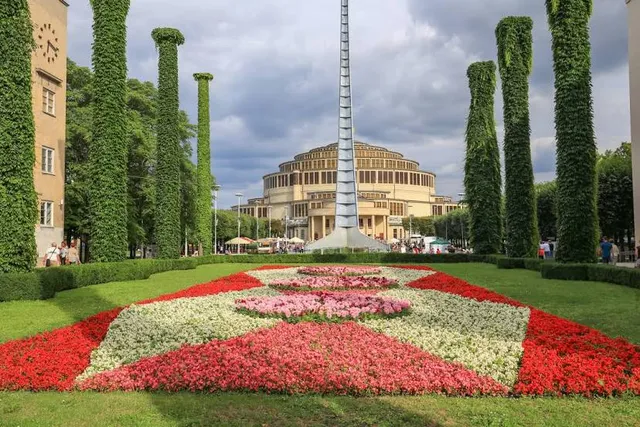
Iglica
4.6
(717)
Open until 12:00 AM
Click for details
Nearby restaurants of Centennial Hall
Restauracja Tarasowa
Refresca
Laguna Bistro & Cafe
Restauracja Przystanek ZOO
WUWAcafe
Restauracja Bella Storia
Pizza nel Parco
SOLLEIM 설레임 - Kliniki
Dragon Box
La Habana Restauracja Wrocław Latynoska Kuchnia
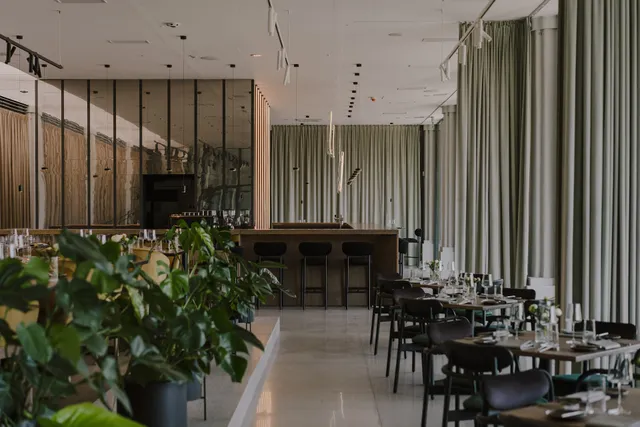
Restauracja Tarasowa
4.2
(303)
Open until 9:00 PM
Click for details

Refresca
5.0
(28)
Open until 6:00 PM
Click for details

Laguna Bistro & Cafe
3.1
(604)
Open until 6:00 PM
Click for details
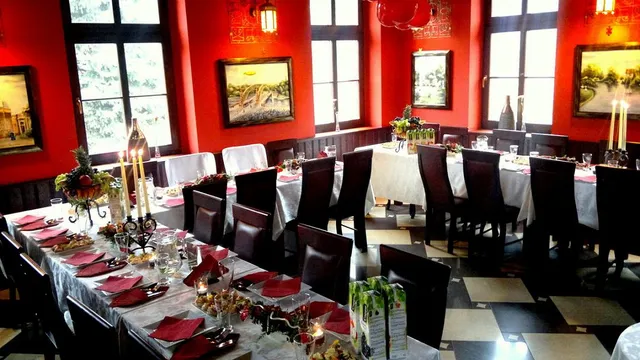
Restauracja Przystanek ZOO
3.9
(1.1K)
Open until 8:00 PM
Click for details
Nearby local services of Centennial Hall
Diana Monument
Zwierzyniecki Bridge
Passenger Shipping
Ptaszarnia
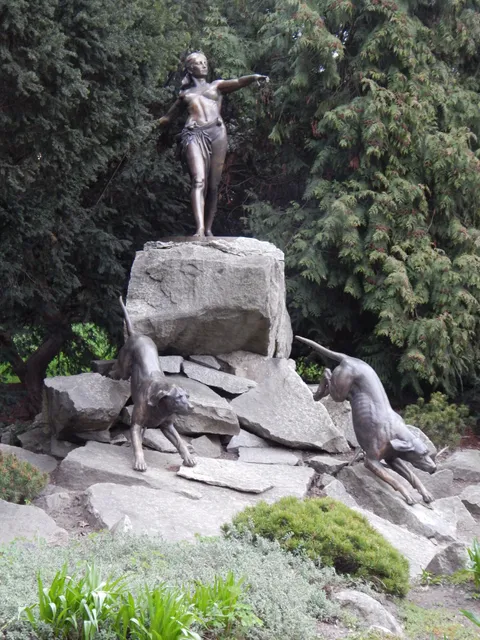
Diana Monument
4.8
(30)
Click for details
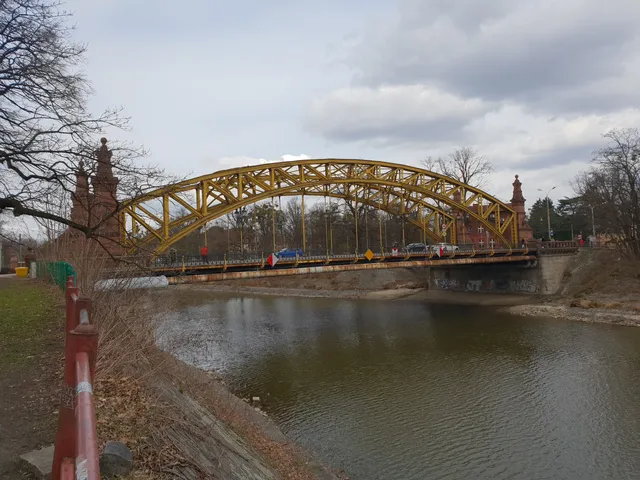
Zwierzyniecki Bridge
4.7
(267)
Click for details
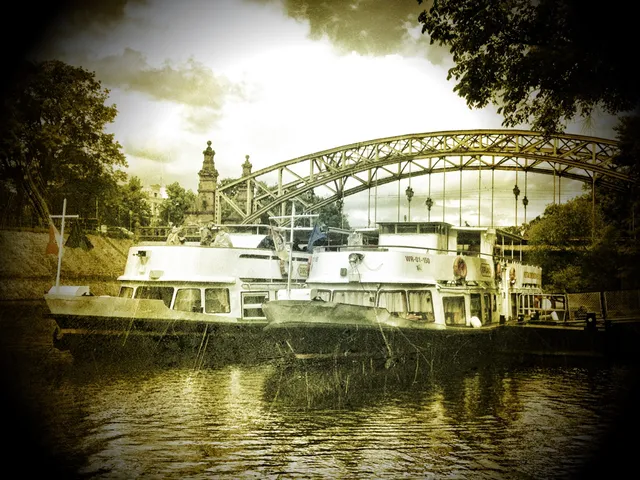
Passenger Shipping
4.4
(192)
Click for details
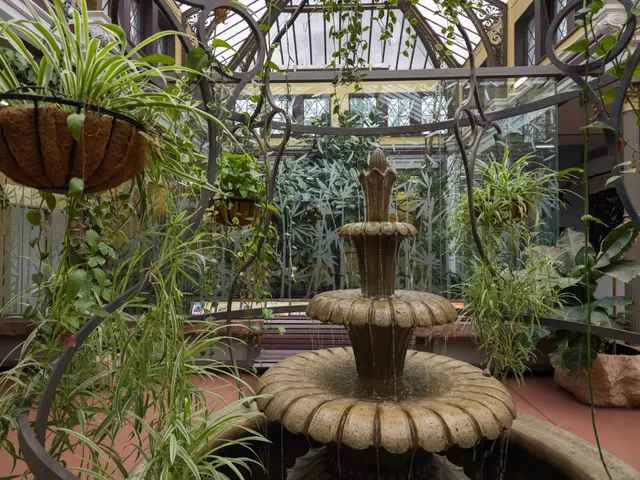
Ptaszarnia
4.7
(35)
Click for details