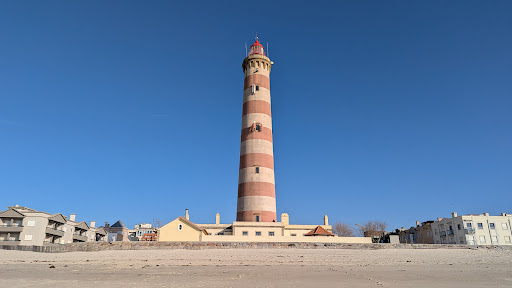
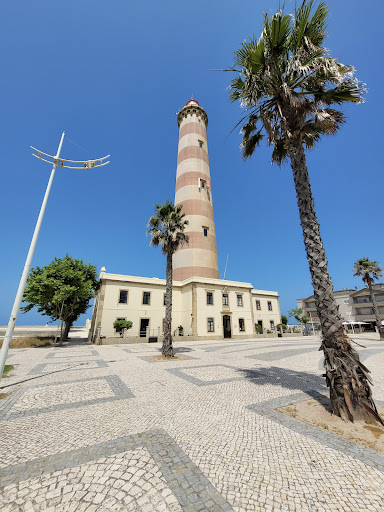
Farol de Aveiro things to do, attractions, restaurants, events info and trip planning
Basic Info
Farol de Aveiro
Lgo do Farol 1, 3830-763 Gafanha da Nazaré, Portugal
4.6(5K)
Open until 12:00 AM
Save
spot
spot
Ratings & Description
Info
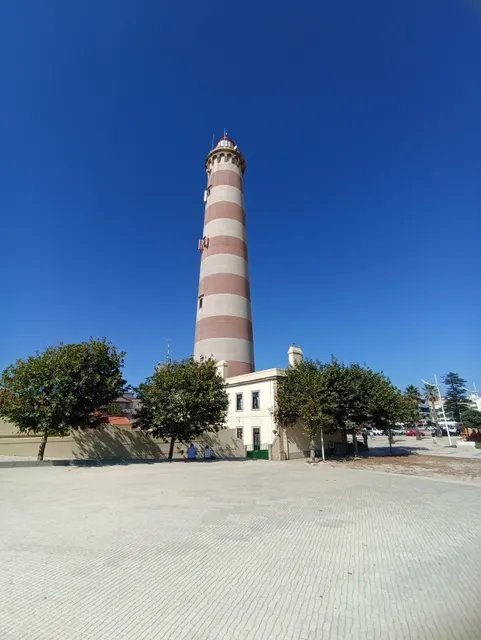
The Lighthouse of Praia da Barra, also known as the Aveiro Lighthouse, is an active lighthouse in the civil parish of Gafanha da Nazaré, municipality of Ílhavo, in the Portuguese district of Aveiro.
Cultural
Outdoor
Family friendly
attractions: , restaurants: Café Farol, Restaurante Praia Do Farol, BLUEFIN, Taberna Nobe, MIAMI Burger & Steak, bentos.beach.garden, Madremia Pizza Bistro, Barba Azul, The Sushi House, Tábua da Ria, Marisqueira Corte Real, local businesses: Paredão da Barra Beach (Old Beach)
 Learn more insights from Wanderboat AI.
Open hoursSee all hours
MonClosedOpen
Plan your stay

Pet-friendly Hotels in Ílhavo
Find a cozy hotel nearby and make it a full experience.

Affordable Hotels in Ílhavo
Find a cozy hotel nearby and make it a full experience.

The Coolest Hotels You Haven't Heard Of (Yet)
Find a cozy hotel nearby and make it a full experience.

Trending Stays Worth the Hype in Ílhavo
Find a cozy hotel nearby and make it a full experience.
Reviews
Live events
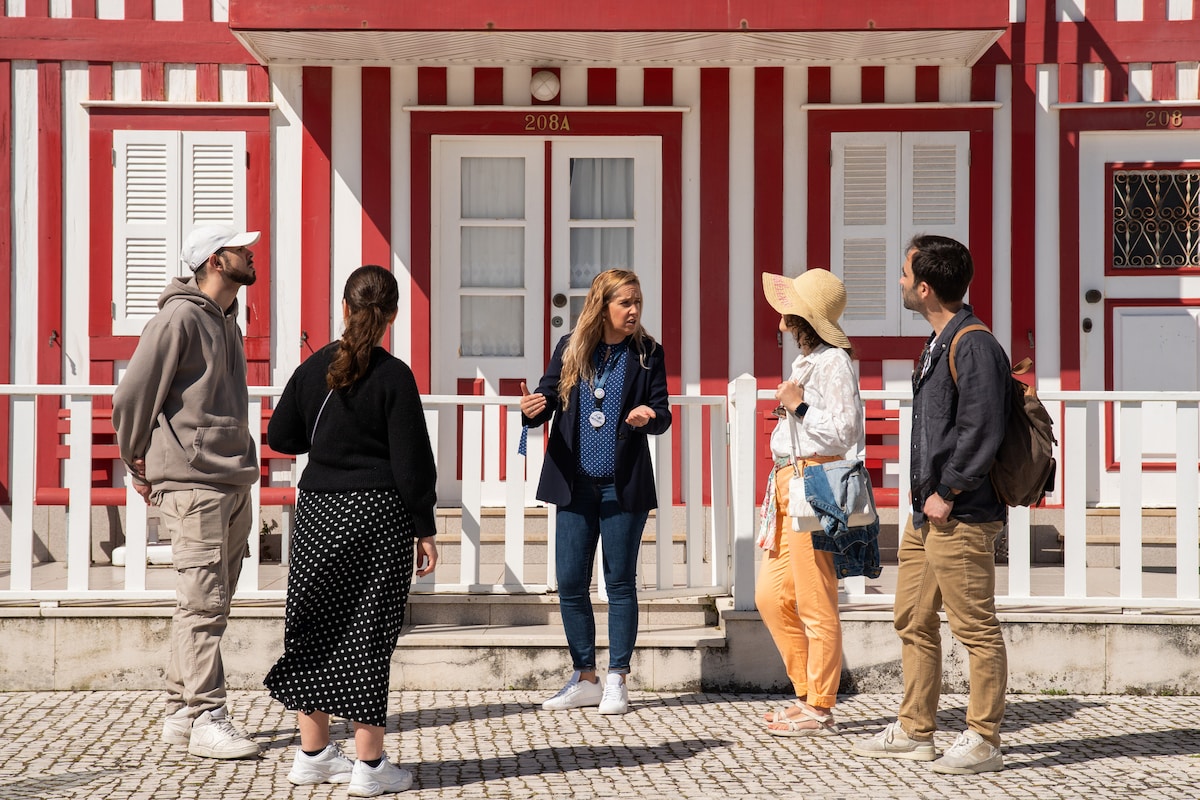
The Coast’s Best-Kept Secret -Costa Nova and Barra
Mon, Feb 23 • 3:30 PM
3810-126, Aveiro, Portugal
View details
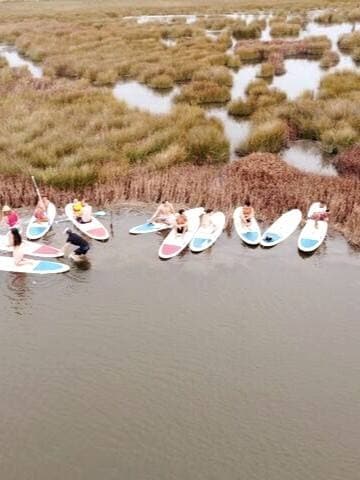
Stand Up Paddle - Ria de Aveiro, 30 minutes from Porto
Mon, Feb 23 • 9:00 AM
3880, Válega, Portugal
View details
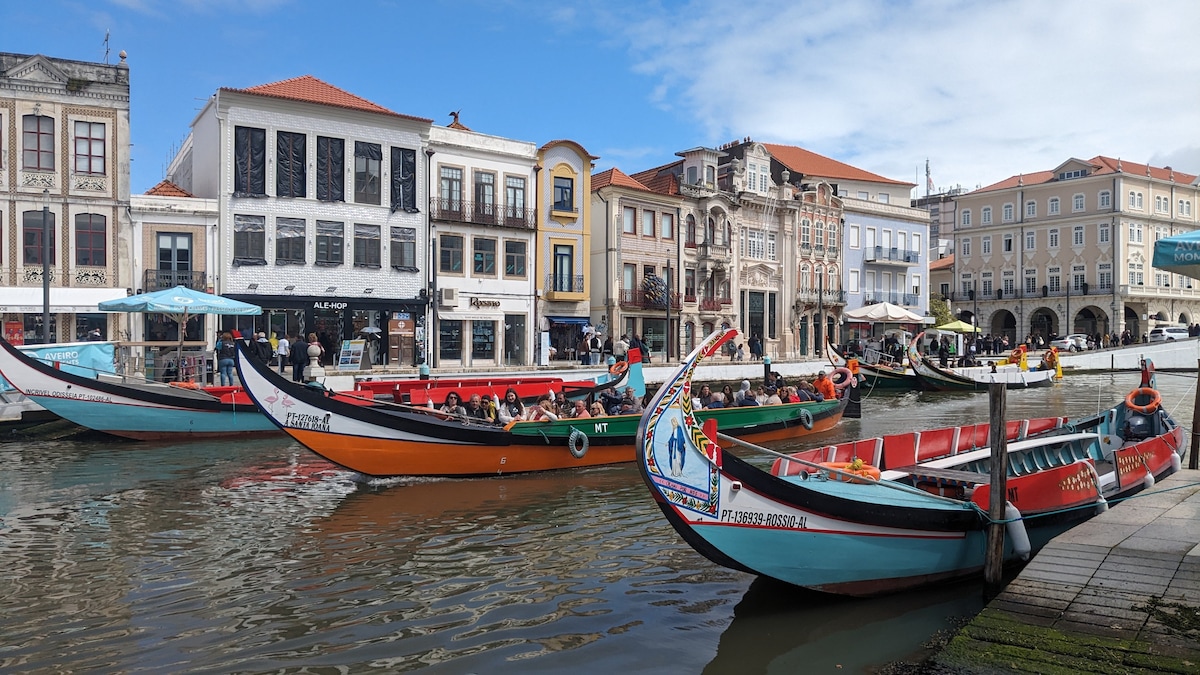
Culture, Canals, and Creators of Aveiro
Mon, Feb 23 • 10:00 AM
3800-163, Aveiro, Portugal
View details
Nearby restaurants of Farol de Aveiro
Café Farol
Restaurante Praia Do Farol
BLUEFIN
Taberna Nobe
MIAMI Burger & Steak
bentos.beach.garden
Madremia Pizza Bistro
Barba Azul, The Sushi House
Tábua da Ria
Marisqueira Corte Real
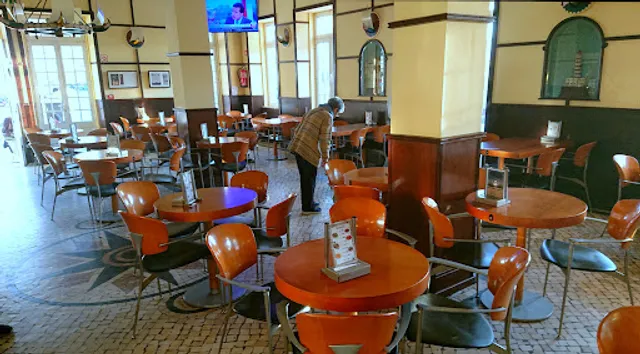
Café Farol
4.0
(516)
$$
Closed
Click for details
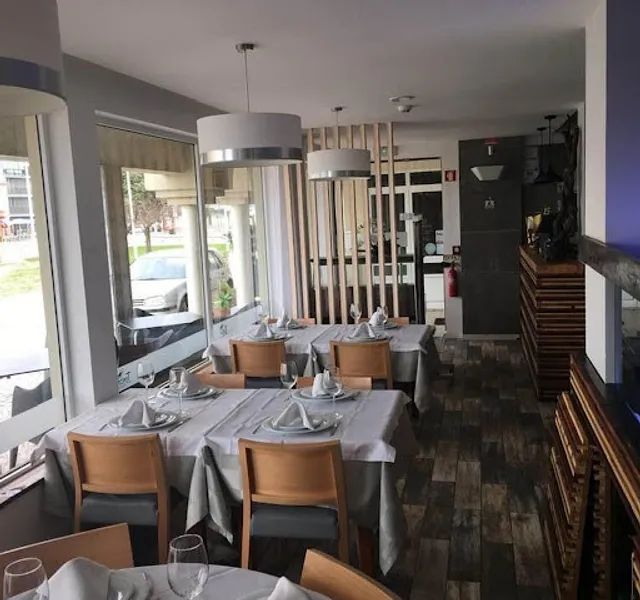
Restaurante Praia Do Farol
4.4
(235)
$$
Open until 12:00 AM
Click for details
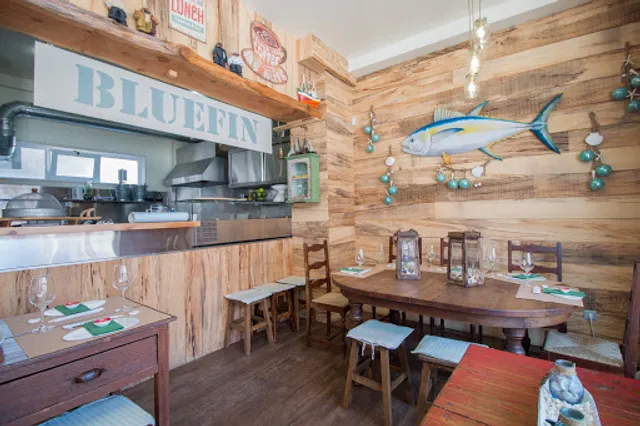
BLUEFIN
4.6
(294)
$$
Open until 12:00 AM
Click for details
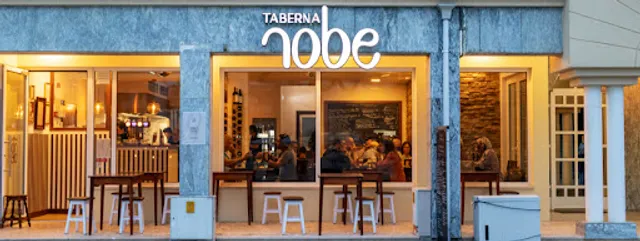
Taberna Nobe
4.7
(153)
Closed
Click for details
Nearby local services of Farol de Aveiro
Paredão da Barra Beach (Old Beach)
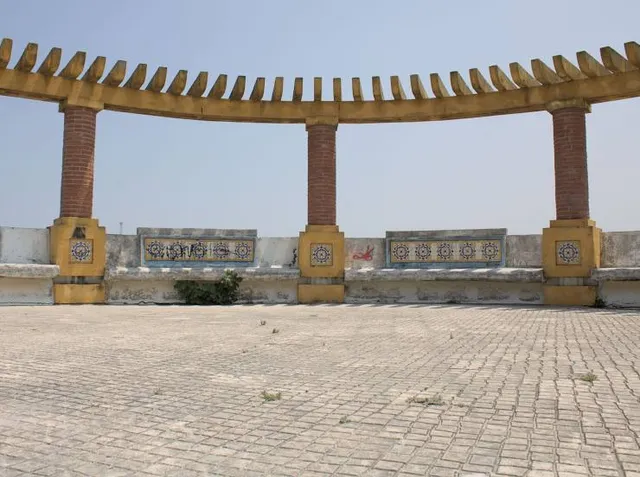
Paredão da Barra Beach (Old Beach)
4.6
(2.8K)
Click for details