Church of the Saint Condestable things to do, attractions, restaurants, events info and trip planning
Basic Info
Church of the Saint Condestable
R. Saraiva de Carvalho, 1350-318 Lisboa, Portugal
4.5(438)
Open until 12:30 PM
Save
spot
spot
Ratings & Description
Info
Cultural
Accessibility
attractions: Barbeiro do Mercado, Jardim da Parada, Biblioteca Cinema Europa, Casa Fernando Pessoa, Galeria Pedro Cera, Prazeres Cemetery Lisbon, Jardim da Parada dos Prazeres, Basilica of Estrela, Cristina Guerra Contemporary Art, Jardim da Estrela, restaurants: Hummusbar Lisboa, Verde Gaio, Coelho da Rocha, Segredos de Goa, Origin's 4, La Bottega di Gio, Churrasquinho do Bairro, Petiscar, Fábrica Rodizio de Picanha - Campo de Ourique, Amélia Lisboa, local businesses: Mercado de Campo de Ourique, ALDI Campo de Ourique, Casa a Granel, Doce Glaciar - Pastelaria E Geladaria, Lda., Talho Nuno Félix, Talho Superdesconto Mercado, Barbers hub001, Sabor Mercearia - Grocery store, Fruity & Fresh Market, Barbearia Oliveira
 Learn more insights from Wanderboat AI.
Phone
+351 21 396 5394
Open hoursSee all hours
Tue9 AM - 12:30 PM, 4 - 6:30 PMOpen
Plan your stay

Pet-friendly Hotels in Lisbon
Find a cozy hotel nearby and make it a full experience.

Affordable Hotels in Lisbon
Find a cozy hotel nearby and make it a full experience.

The Coolest Hotels You Haven't Heard Of (Yet)
Find a cozy hotel nearby and make it a full experience.

Trending Stays Worth the Hype in Lisbon
Find a cozy hotel nearby and make it a full experience.
Reviews
Live events
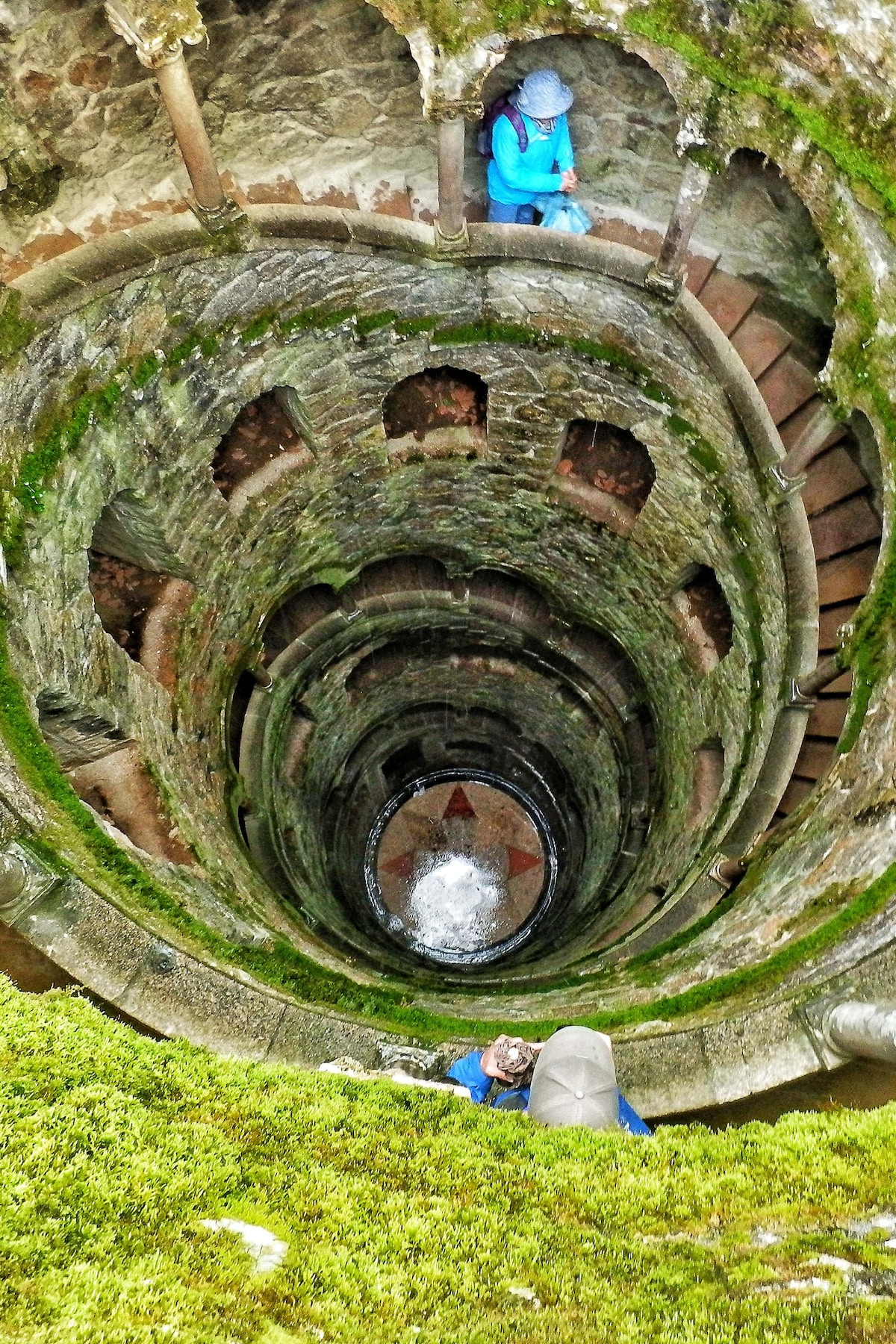
Sintra Tour from Lisbon - The True Experience
Tue, Jan 27 • 8:45 AM
1249-970, Lisbon, Portugal
View details
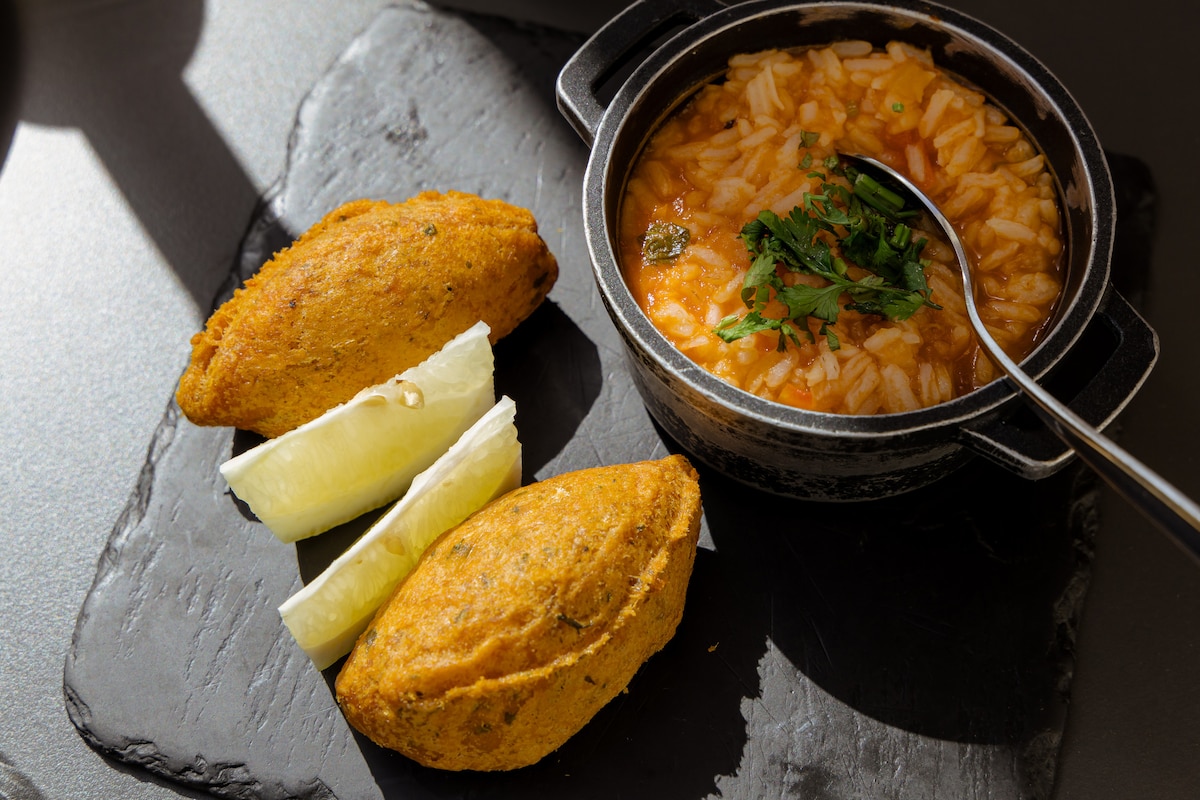
Lisbons Best flavors
Mon, Feb 2 • 10:30 AM
1100-411, Lisbon, Portugal
View details

Lisbon sailboat tour on Tagus River
Tue, Jan 27 • 11:00 AM
1350-355, Lisbon, Portugal
View details
Nearby attractions of Church of the Saint Condestable
Barbeiro do Mercado
Jardim da Parada
Biblioteca Cinema Europa
Casa Fernando Pessoa
Galeria Pedro Cera
Prazeres Cemetery Lisbon
Jardim da Parada dos Prazeres
Basilica of Estrela
Cristina Guerra Contemporary Art
Jardim da Estrela

Barbeiro do Mercado
4.7
(148)
Closed
Click for details
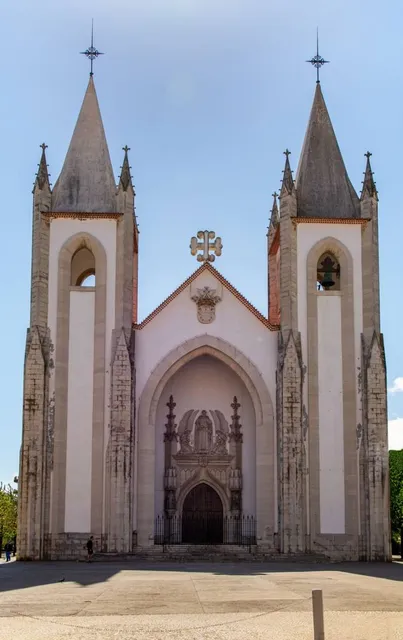
Jardim da Parada
4.5
(1.7K)
Open until 12:00 AM
Click for details
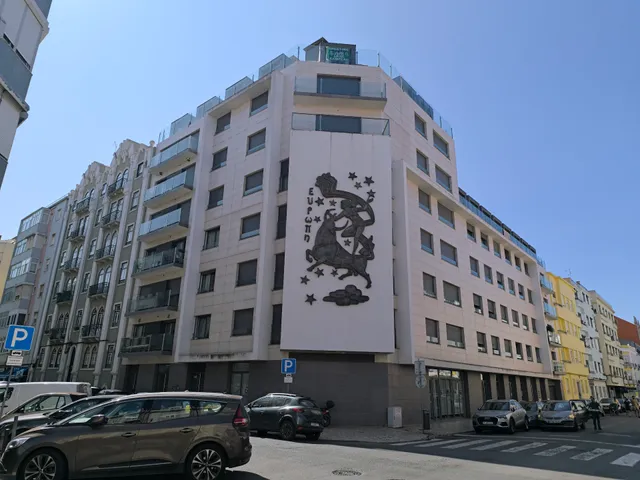
Biblioteca Cinema Europa
4.4
(69)
Closed
Click for details
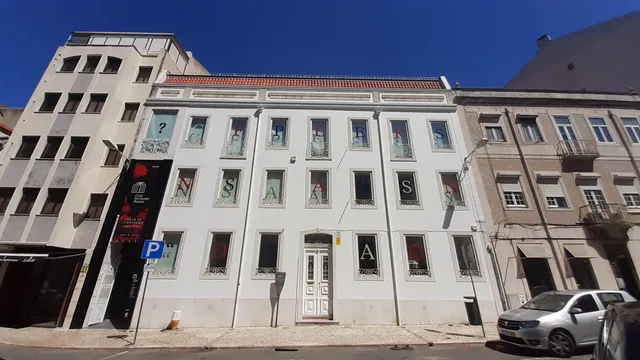
Casa Fernando Pessoa
4.5
(1.0K)
Open until 12:00 AM
Click for details
Nearby restaurants of Church of the Saint Condestable
Hummusbar Lisboa
Verde Gaio
Coelho da Rocha
Segredos de Goa
Origin's 4
La Bottega di Gio
Churrasquinho do Bairro
Petiscar
Fábrica Rodizio de Picanha - Campo de Ourique
Amélia Lisboa
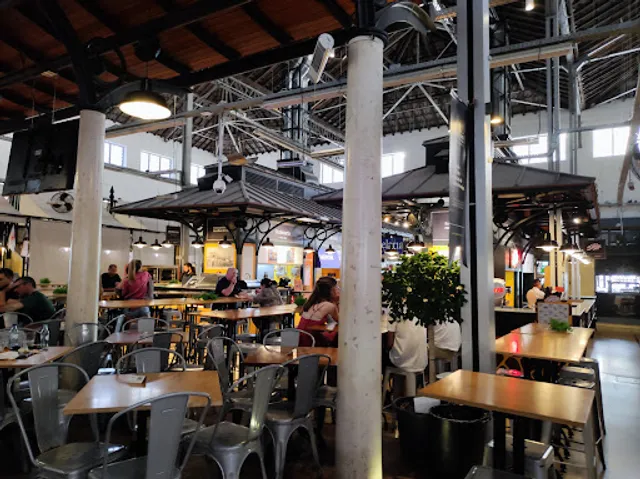
Hummusbar Lisboa
4.5
(251)
Closed
Click for details
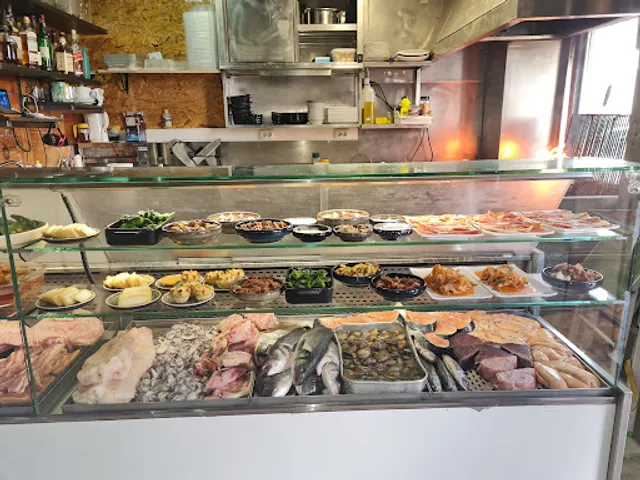
Verde Gaio
4.0
(252)
Open until 12:00 AM
Click for details
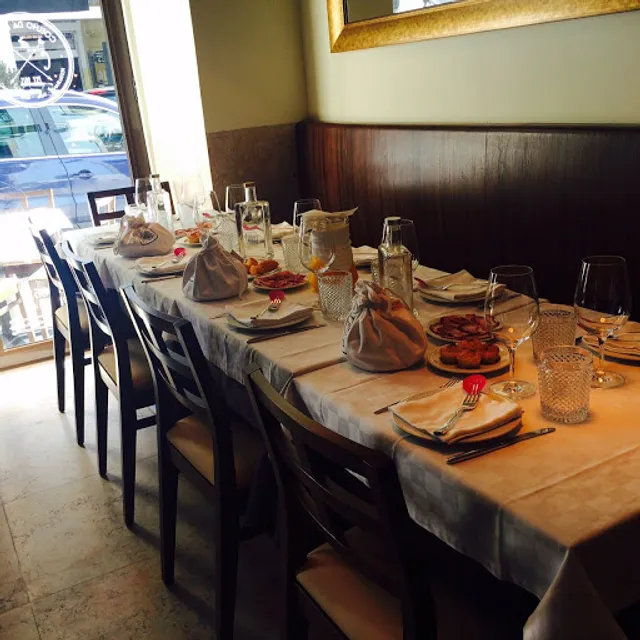
Coelho da Rocha
4.6
(314)
$$$
Closed
Click for details
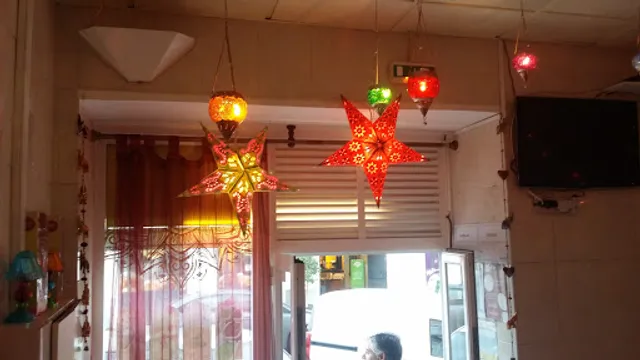
Segredos de Goa
4.4
(187)
$$
Open until 12:00 AM
Click for details
Nearby local services of Church of the Saint Condestable
Mercado de Campo de Ourique
ALDI Campo de Ourique
Casa a Granel
Doce Glaciar - Pastelaria E Geladaria, Lda.
Talho Nuno Félix
Talho Superdesconto Mercado
Barbers hub001
Sabor Mercearia - Grocery store
Fruity & Fresh Market
Barbearia Oliveira

Mercado de Campo de Ourique
4.4
(1.2K)
Click for details
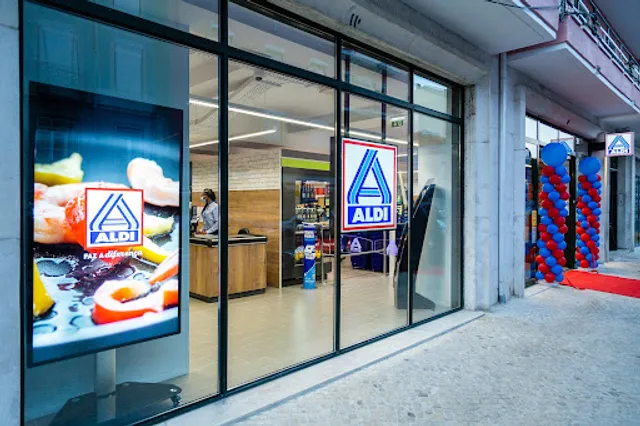
ALDI Campo de Ourique
4.1
(260)
Click for details
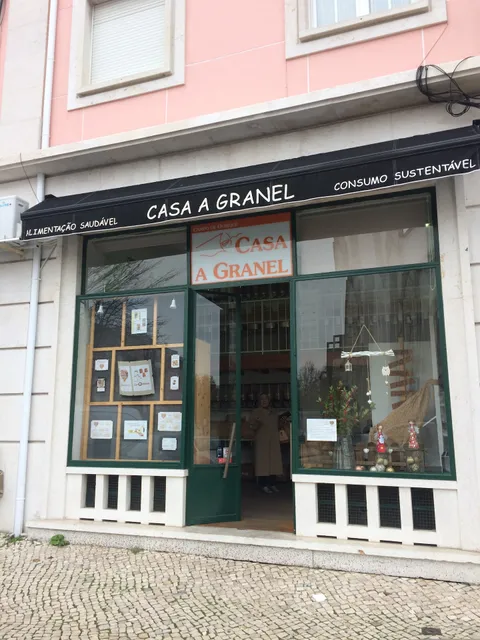
Casa a Granel
4.8
(64)
Click for details

Doce Glaciar - Pastelaria E Geladaria, Lda.
4.4
(20)
Click for details