HTML SitemapExplore
Find Things to DoFind The Best Restaurants

Igreja Matriz de São João Baptista — Attraction in Vila do Conde

Name
Igreja Matriz de São João Baptista
Description
Nearby attractions
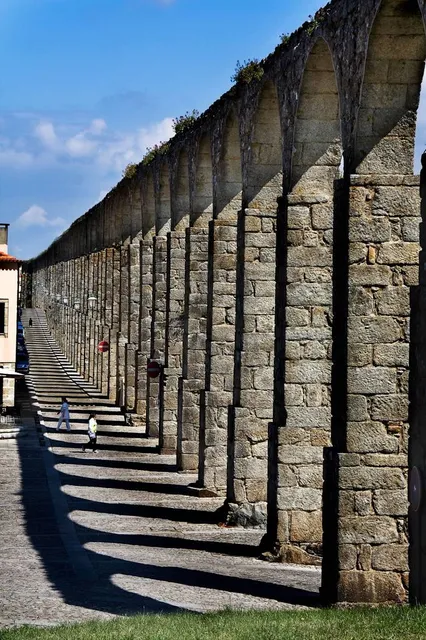
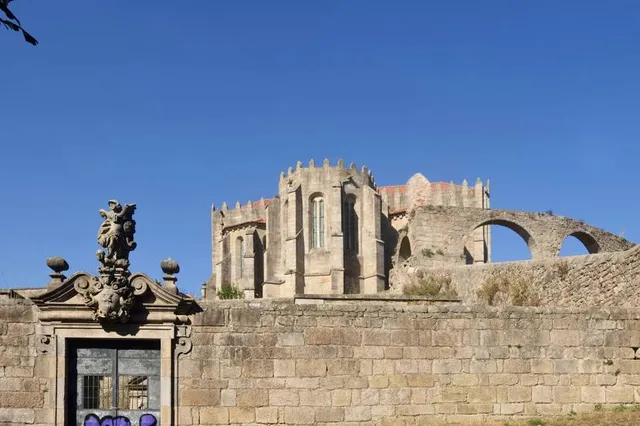
Aqueduto de Santa Clara
4480-754 Vila do Conde, Portugal
Museu das Rendas de Bilros
R. de São Bento 70, 4480-781 Vila do Conde, Portugal
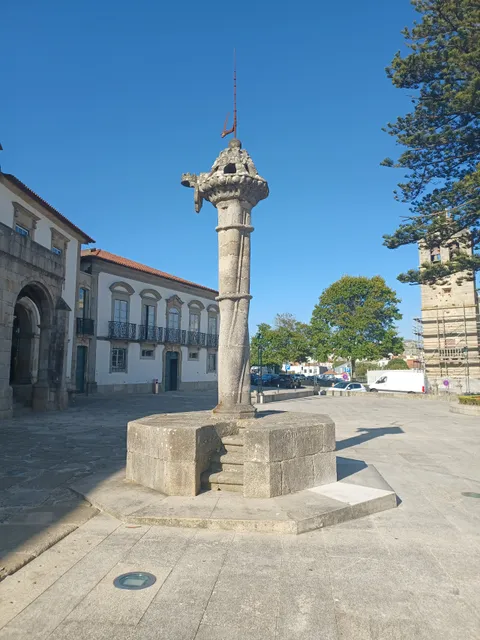
Pelourinho
Praça Vasco da Gama 2, 4480-754 Vila do Conde, Portugal
Igreja e Mosteiro de Santa Clara
Lg. Doutor Acácio Barbosa, 4480-952 Vila do Conde, Portugal
José Régio House
Av. Mouzinho de Albuquerque, 4480-671 Vila do Conde, Portugal
Cais da Alfândega
R. do Cais das Lavandeiras 12, 4480-789 Vila do Conde, Portugal
Centro de Memória de Vila do Conde
Largo de São Sebastião, 4480-754 Vila do Conde, Portugal
Casa do Barco - Loja de Turismo Interativa de Vila Do Conde
R. do Cais das Lavandeiras 48, 4480-754 Vila do Conde, Portugal
Alfândega Régia de Vila do Conde
Rua Cais da Alfândega, 4480-702 Vila do Conde, Portugal
Jardim Júlio Graça
Jardim Júlio Graça, Jardim Da, Av. Júlio Graça S/N, 4480-672 Vila do Conde, Portugal
Nearby restaurants
Bifeiros
R. da Igreja 12, 4480-754 Vila do Conde, Portugal
O Mestre
Praça José Régio 113, 4480-754 Vila do Conde, Portugal
O Pisco Comes e Bebes
R. 5 de Outubro 280, 4480-643 Vila do Conde, Portugal
Saura cool
4480-671 Vila do Conde, Portugal
Adega da Vila
R. Comendador António Fernandes da Costa 57, 4480-740 Vila do Conde, Portugal
Ikigai Omakase João Vitorino
R. da Costa 5, 4480-754 Vila do Conde, Portugal
Bastardos Restaurante
Largo da Roda 21, 4480-703 Vila do Conde, Portugal
Adega do Testas
R. Comendador António Fernandes da Costa 63, 4480-754 Vila do Conde, Portugal
Portuguesia
R. do Lidador 128, 4480-791 Vila do Conde, Portugal
Relíquia
R. de São Bento 87, 4480-781 Vila do Conde, Portugal
Nearby hotels
Hotel Brazão
Av. Dr. João Canavarro 7, 4480-688 Vila do Conde, Portugal
Autor GuestHouse
R. do Lidador nº225, 4480-791 Vila do Conde, Portugal
The Lince Santa Clara Historic Hotel
Largo Dom Afonso Sanches, 4480-754 Vila do Conde, Portugal
Laranjal Guesthouse
Largo do Laranjal 17, 4480-707 Vila do Conde, Portugal
Guest House EÇA AGORA!
R. da Costa 75, 4480-746 Vila do Conde, Portugal
Villa Regio - alojamento local
R. de Santo Amaro 26, 4480-780 Vila do Conde, Portugal
Casa do Rio charm suites
Praça da República 9, 4480-715 Vila do Conde, Portugal
Rendilheira Boutique Hotel
Praça da República n2, 4480-715 Vila do Conde, Portugal
Naval Guest House
R. do Cais das Lavandeiras 37, 4480-789 Vila do Conde, Portugal
CARMINHO HOUSE
Calçada de São Francisco 62, 4480-671 Vila do Conde, Portugal
Related posts
Keywords
Igreja Matriz de São João Baptista tourism.Igreja Matriz de São João Baptista hotels.Igreja Matriz de São João Baptista bed and breakfast. flights to Igreja Matriz de São João Baptista.Igreja Matriz de São João Baptista attractions.Igreja Matriz de São João Baptista restaurants.Igreja Matriz de São João Baptista travel.Igreja Matriz de São João Baptista travel guide.Igreja Matriz de São João Baptista travel blog.Igreja Matriz de São João Baptista pictures.Igreja Matriz de São João Baptista photos.Igreja Matriz de São João Baptista travel tips.Igreja Matriz de São João Baptista maps.Igreja Matriz de São João Baptista things to do.
Igreja Matriz de São João Baptista things to do, attractions, restaurants, events info and trip planning
Igreja Matriz de São João Baptista
PortugalVila do CondeIgreja Matriz de São João Baptista

Basic Info

Igreja Matriz de São João Baptista

R. da Igreja, 4480-754 Vila do Conde, Portugal
4.6(410)
Open 24 hours
Save
spot

Ratings & Description

Info

Cultural
Scenic
Family friendly
Accessibility
attractions: Aqueduto de Santa Clara, Museu das Rendas de Bilros, Pelourinho, Igreja e Mosteiro de Santa Clara, José Régio House, Cais da Alfândega, Centro de Memória de Vila do Conde, Casa do Barco - Loja de Turismo Interativa de Vila Do Conde, Alfândega Régia de Vila do Conde, Jardim Júlio Graça, restaurants: Bifeiros, O Mestre, O Pisco Comes e Bebes, Saura cool, Adega da Vila, Ikigai Omakase João Vitorino, Bastardos Restaurante, Adega do Testas, Portuguesia, Relíquia
logoLearn more insights from Wanderboat AI.
Phone
+351 252 640 810
Website
paroquiadeviladoconde.pt

Plan your stay

hotel
Pet-friendly Hotels in Vila do Conde
Find a cozy hotel nearby and make it a full experience.
hotel
Affordable Hotels in Vila do Conde
Find a cozy hotel nearby and make it a full experience.
hotel
The Coolest Hotels You Haven't Heard Of (Yet)
Find a cozy hotel nearby and make it a full experience.
hotel
Trending Stays Worth the Hype in Vila do Conde
Find a cozy hotel nearby and make it a full experience.

Reviews

Nearby attractions of Igreja Matriz de São João Baptista

Aqueduto de Santa Clara

Museu das Rendas de Bilros

Pelourinho

Igreja e Mosteiro de Santa Clara

José Régio House

Cais da Alfândega

Centro de Memória de Vila do Conde

Casa do Barco - Loja de Turismo Interativa de Vila Do Conde

Alfândega Régia de Vila do Conde

Jardim Júlio Graça

Aqueduto de Santa Clara

Aqueduto de Santa Clara

4.6

(535)

Open 24 hours
Click for details
Museu das Rendas de Bilros

Museu das Rendas de Bilros

4.6

(108)

Open 24 hours
Click for details
Pelourinho

Pelourinho

4.7

(12)

Open 24 hours
Click for details
Igreja e Mosteiro de Santa Clara

Igreja e Mosteiro de Santa Clara

4.7

(327)

Open 24 hours
Click for details

Things to do nearby

Uncover Portos history with a local guide
Sun, Dec 28 • 3:30 PM
4050-161, Porto, Portugal
View details
Explore the Douro Valley Wineries, Lunch & Cruise
Mon, Dec 29 • 8:00 AM
4000-069, Porto, Portugal
View details
Discover Portos Six Bridges with Port Wine
Mon, Dec 29 • 11:00 AM
4400-354, Vila Nova de Gaia, Portugal
View details

Nearby restaurants of Igreja Matriz de São João Baptista

Bifeiros

O Mestre

O Pisco Comes e Bebes

Saura cool

Adega da Vila

Ikigai Omakase João Vitorino

Bastardos Restaurante

Adega do Testas

Portuguesia

Relíquia

Bifeiros

Bifeiros

4.2

(398)

$$

Click for details
O Mestre

O Mestre

4.3

(1.5K)

Click for details
O Pisco Comes e Bebes

O Pisco Comes e Bebes

4.5

(203)

$$

Click for details
Saura cool

Saura cool

4.3

(161)

Click for details
Get the Appoverlay
Get the AppOne tap to find yournext favorite spots!
Wanderboat LogoWanderboat

Your everyday Al companion for getaway ideas

CompanyAbout Us
InformationAI Trip PlannerSitemap
SocialXInstagramTiktokLinkedin
LegalTerms of ServicePrivacy Policy

Get the app

© 2025 Wanderboat. All rights reserved.

Reviews of Igreja Matriz de São João Baptista

4.6
(410)
avatar
5.0
2y

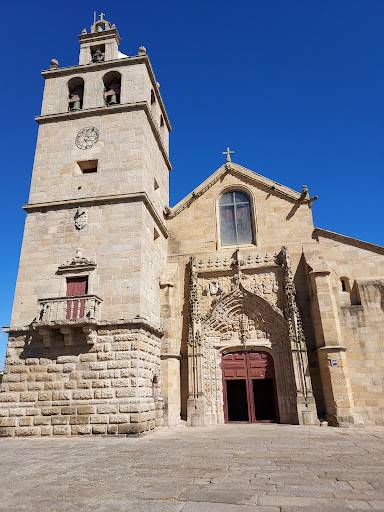
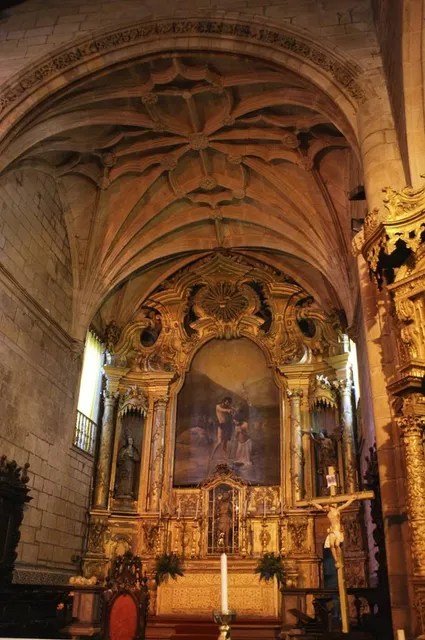
The construction of the Matrix of Vila do Conde was driven with the passage of King D. Manuel I by Vila do Conde, on his way to Compostela, in 1502, which in addition to a personal contribution poured taxes on the people and the nuns of Santa Clara to the construction of the new matrix. The fair of the Fair of the Fair, of December 5, 1502, gave precise instructions on how this church should be built. However, this project was widely changed with the construction of the Absidial Chapels (1507) - today dedicated to Our Lady of the Rosary and SS. Sacrament. Note the construction of the portico and the influence of João de Castilho, at this time. In 1518, the date of sacred, the Church had three ships and only later acquired a cruciform projection with the construction of the transept chapels: the Holy Body or Our Lady of Boa Viagem (1542) and that of St. Miguel-O-Anjo or Our Lady of the Assumption in (1561). The Vila do Conde matrix was thus voted as a markedly Manueline space, for the maritime motifs expressed in the decoration of the portal, the chapels arcs (especially the transepto), the baptismal source and the rich decoration of the vaels of the Mor, Absidial Chapels and the transepto. The following centuries brought the enrichment from their interior. In the seventeenth century the bell tower was built. In the eighteenth century the interiors of the churches adorned with the golden carving, the result of the gold that the Portuguese removed from Brazil. The matrix was made up of thirteen gilded altaries, which today present themselves in this way: on the side of the Gospel - Lord of Bonfim, St. Anthony, Our Lady of Piedade, Our Lady of the Assumption (Chapel of the Transept), Our Lady of the Rosary ( ABSIDIAL CAPELA); On the Epistle side the altarpieces of Our Lady of Conception, souls of purgatory, Sacred Heart of Jesus, Our Lady of the Boa Viagem (transept) and Blessed Sacrament (Absidial Chapel). The Mor Chapel has a altarpiece, with throne under the panel that represents the baptism of Christ by St. John the Baptist and, below this, the image of St. John the Baptist, flanked by the images of St. Gabriel and Our Lady Mother of God. Of the eighteenth century is the pulpit and the panel of the sacristy. In the twentieth century, under the impulse of the canon mons. José Augusto Ferreira did an important work of improvement. The openings were covered by Polychromic stained glass seasons in France: the central window represents the last supper; The naves the life and death of St. John the Baptist. In 1908 the Commander Bento d'Aguiar offered...

   Read more
avatar
5.0
1y

Nach einem langen Fußmarsch erreichen wir endlich die Igreja Matriz de São João Baptista in Vila do Conde, und was für ein Anblick das ist! Die Kirche, mit ihrer imposanten, im Manuelinischen Stil gestalteten Fassade, erhebt sich vor uns wie ein lebendiges Relikt einer längst vergangenen Epoche. Die filigranen Verzierungen an den Bögen und das detailreiche Steinwerk, in das sich nautische Symbole und florale Muster einfügen, spiegeln die große Zeit Portugals als Seefahrernation wider. Direkt über dem Portal ist eine kunstvolle Darstellung von Johannes dem Täufer zu sehen – passenderweise der Heilige, dem diese Kirche gewidmet ist.

Der Himmel hat sich inzwischen bewölkt, und das gedämpfte Licht unterstreicht die Erhabenheit dieses Ortes, der als Wahrzeichen und spirituelle Stütze seit Jahrhunderten über Vila do Conde wacht. Wir nähern uns langsam dem großen Eingang und bemerken, wie andere Pilger vor uns ebenso andächtig die Treppen hinaufsteigen, ihren Pilgerpass fest in der Hand.

Die Fassade ist unglaublich detailliert und zeugt vom Manuelinischen Stil, der typisch für die Zeit der großen portugiesischen Entdeckungsfahrten ist. Wir betrachten die kunstvollen Verzierungen des Portals, die mit Knotenmustern und Seemotiven geschmückt sind. Der Wind weht uns sanft die salzige Meeresluft entgegen, die uns daran erinnert, wie nah Vila do Conde am Atlantik liegt. Die beiden Türme zu beiden Seiten des Portals verleihen der Kirche eine beeindruckende, fast wehrhafte Haltung. Es ist ein Gebäude, das etwas Beständiges ausstrahlt, wie ein Anker in der Geschichte.

Mit müden Schritten betreten wir das Innere, und sofort umfängt uns eine wohltuende Kühle. Die hohen Gewölbe und die Weite des Raumes lassen uns wie winzige Figuren unter dem Himmelsgewölbe erscheinen. Hier fühlt man die Ehrfurcht, die dieser Ort schon seit Jahrhunderten auslöst. Vorne erstrahlt der Altar mit einer Darstellung von Johannes dem Täufer, unserem Patron für die heutige Etappe. Vergoldetes Holz, alte Gemälde und feine Steinmetzarbeiten ziehen uns in ihren Bann – jedes Detail erzählt von einer anderen Zeit, von Hoffnungen und Gebeten, die einst die Menschen hierherbrachten. Drinnen umfängt uns ein Gefühl von Ruhe und Andacht. Die hohen, hellen Gewölbe scheinen den Raum noch weiter und luftiger zu machen, und die kühle Luft tut nach der langen, heißen Strecke gut. Der Altar strahlt in Gold und warmem Holz, und in der Mitte steht eine prachtvolle Figur von Johannes dem Täufer. Es fühlt sich gut an, hier zu sein – als wären wir am Ende des Tages doch irgendwie „nach Hause“ gekommen.

In einer Seitenkapelle wartet eine ruhige Nonne am Stempeltisch, und wir stellen uns schweigend an. Der Moment, in dem sie lächelnd den Stempel in den Pass drückt, hat eine symbolische Kraft: Ein kurzer, unauffälliger Akt, der unsere Tagesetappe besiegelt und uns daran erinnert, dass wir das Ziel dieses Tages fast erreicht haben. Doch dieser Stempel ist auch ein Versprechen auf all das, was noch kommt.

Wir setzen uns auf eine der kühlen Holzbanken, lassen uns für einen Augenblick nieder, spüren die Schwere in unseren Beinen und die warme Ruhe dieses Ortes. Der Geist ist wach, inspiriert, aber der Körper schreit leise nach einer Pause – die 28 Kilometer machen sich langsam bemerkbar. Unsere Unterkunft ist nur noch zwei Kilometer entfernt, aber im Moment möchten wir einfach für einen Augenblick in dieser Oase der Stille verweilen, bevor wir das letzte Stück des heutigen Weges zurücklegen.

Stand : 30.05.2022 / Caminho Portugues - Tag 1

„Das wichtigste Stück des Reisegepäcks ist und bleibt ein...

   Read more
avatar
5.0
3y

A Igreja Matriz de Vila do Conde, dedicada a São João Baptista, começou a ser construída nos últimos anos do século XV, no topo do monte onde se encontrava o primitivo Mosteiro de Santa Clara e a primitiva Matriz, dedicada a São João Evangelista. Até 1502 pouco estaria feito, apesar das avultadas despesas com os mestres de obras. No final desse ano, em peregrinação a Santiago de Compostela, D. Manuel I fez uma breve paragem em Vila do Conde. Esta visita causou um despertar do interesse do rei por estas terras, patrocinando e impulsionando a edificação da Igreja Matriz e de outras obras. Em troca, D. Manuel, rei que dá nome a todo um estilo arquitectónico, o manuelino, impõe as regras de construção da nova igreja, direções que não foram seguidas totalmente, para além de apontar um novo local para a edificação. Neste período, o de maior prosperidade do país e de Vila do Conde em particular, o centro habitacional desta vila começou a deslocar-se do topo do monte onde se encontra o Mosteiro de Santa Clara, primeiro local escolhido, para o litoral, impondo-se assim a transferência do centro religioso da vila. Por ordem régia, o local indicado para uma nova igreja foi um terreiro, onde se encontrava uma capela dedicada ao mártir São Sebastião. Esta capela foi reedificada num largo que aí adquiriu o seu nome e que ainda hoje mantém. O que não se mantém é a localização da referida capela, que voltou a ser transferida em 1853 para o cemitério, onde se encontra atualmente. A construção da Matriz prolongou-se ao longo de quase todo o século XVI, sucedendo-se mestres pedreiros e carpinteiros, dos quais se destaca João de Castilho, pedreiro biscainho que em Vila do Conde permaneceu entre 1511 e 1513. A ele se deve a construção das naves, arcos e da magnífica entrada principal. Mais tarde se construíram a torre sineira e as capelas laterais, dedicadas a Nossa Senhora da Boa Viagem e Corpo Santo de um lado (1542), e a São Miguel o Anjo e Nossa Senhora da Assunção do outro (1561). No século XVIII a Igreja Matriz foi adornada pelos retábulos de talha dourada e já nos inícios do século XX foram instalados os vitrais, provenientes de França, por deliberação do prior Mons. José Augusto Ferreira e patrocínio de Francisco Estevão Soares, e o órgão de tubos, oferta de Bento...

   Read more
Page 1 of 7
Previous
Next

Posts

Artur VictoriaArtur Victoria
The construction of the Matrix of Vila do Conde was driven with the passage of King D. Manuel I by Vila do Conde, on his way to Compostela, in 1502, which in addition to a personal contribution poured taxes on the people and the nuns of Santa Clara to the construction of the new matrix. The fair of the Fair of the Fair, of December 5, 1502, gave precise instructions on how this church should be built. However, this project was widely changed with the construction of the Absidial Chapels (1507) - today dedicated to Our Lady of the Rosary and SS. Sacrament. Note the construction of the portico and the influence of João de Castilho, at this time. In 1518, the date of sacred, the Church had three ships and only later acquired a cruciform projection with the construction of the transept chapels: the Holy Body or Our Lady of Boa Viagem (1542) and that of St. Miguel-O-Anjo or Our Lady of the Assumption in (1561). The Vila do Conde matrix was thus voted as a markedly Manueline space, for the maritime motifs expressed in the decoration of the portal, the chapels arcs (especially the transepto), the baptismal source and the rich decoration of the vaels of the Mor, Absidial Chapels and the transepto. The following centuries brought the enrichment from their interior. In the seventeenth century the bell tower was built. In the eighteenth century the interiors of the churches adorned with the golden carving, the result of the gold that the Portuguese removed from Brazil. The matrix was made up of thirteen gilded altaries, which today present themselves in this way: on the side of the Gospel - Lord of Bonfim, St. Anthony, Our Lady of Piedade, Our Lady of the Assumption (Chapel of the Transept), Our Lady of the Rosary ( ABSIDIAL CAPELA); On the Epistle side the altarpieces of Our Lady of Conception, souls of purgatory, Sacred Heart of Jesus, Our Lady of the Boa Viagem (transept) and Blessed Sacrament (Absidial Chapel). The Mor Chapel has a altarpiece, with throne under the panel that represents the baptism of Christ by St. John the Baptist and, below this, the image of St. John the Baptist, flanked by the images of St. Gabriel and Our Lady Mother of God. Of the eighteenth century is the pulpit and the panel of the sacristy. In the twentieth century, under the impulse of the canon mons. José Augusto Ferreira did an important work of improvement. The openings were covered by Polychromic stained glass seasons in France: the central window represents the last supper; The naves the life and death of St. John the Baptist. In 1908 the Commander Bento d'Aguiar offered the pipe organ.
Paulo ValentimPaulo Valentim
A Igreja Matriz de São João Batista, situada em Vila do Conde, é um dos monumentos religiosos mais importantes da cidade e um excelente exemplo da arquitetura gótica e manuelina em Portugal. A sua construção teve início em 1496, durante o reinado de D. Manuel I, e foi concluída no século XVI, refletindo o estilo manuelino, caracterizado por uma fusão de elementos góticos e renascentistas, com forte influência marítima, típica da época dos Descobrimentos. A fachada principal da igreja é notável por seu portal ricamente ornamentado, com motivos naturalistas e simbólicos, como cordas e esferas armilares, elementos frequentemente associados ao estilo manuelino. O interior da igreja também é de grande beleza, com uma nave ampla e alta, decorada com belas talhas douradas e azulejos tradicionais portugueses. Destaca-se no seu interior o retábulo-mor, que é uma obra-prima do barroco, e o teto da capela-mor, com uma pintura impressionante. A igreja também abriga uma importante coleção de arte sacra, incluindo imagens e objetos litúrgicos de grande valor histórico. A Igreja Matriz de São João Batista não é apenas um local de culto, mas também um símbolo da história e cultura de Vila do Conde, refletindo a rica herança religiosa e artística da cidade. Além disso, está intimamente ligada à história da construção naval e ao período dos Descobrimentos, já que muitos dos navegadores e construtores navais da região estavam associados a esta igreja. Ela continua a ser um ponto central nas celebrações religiosas da cidade, especialmente durante as festas de São João, padroeiro de Vila do Conde.
Charlie WoodwardCharlie Woodward
Beautiful church sits above the Vila do Conde market. Fantastic frescos, argoiles and stain glass windows. It is as if the building were sand blasted. For October 5th, a national holiday, we watched a very cute, traditional parade. See the video. Very proud marchers.
See more posts
See more posts
hotel
Find your stay

Pet-friendly Hotels in Vila do Conde

Find a cozy hotel nearby and make it a full experience.

The construction of the Matrix of Vila do Conde was driven with the passage of King D. Manuel I by Vila do Conde, on his way to Compostela, in 1502, which in addition to a personal contribution poured taxes on the people and the nuns of Santa Clara to the construction of the new matrix. The fair of the Fair of the Fair, of December 5, 1502, gave precise instructions on how this church should be built. However, this project was widely changed with the construction of the Absidial Chapels (1507) - today dedicated to Our Lady of the Rosary and SS. Sacrament. Note the construction of the portico and the influence of João de Castilho, at this time. In 1518, the date of sacred, the Church had three ships and only later acquired a cruciform projection with the construction of the transept chapels: the Holy Body or Our Lady of Boa Viagem (1542) and that of St. Miguel-O-Anjo or Our Lady of the Assumption in (1561). The Vila do Conde matrix was thus voted as a markedly Manueline space, for the maritime motifs expressed in the decoration of the portal, the chapels arcs (especially the transepto), the baptismal source and the rich decoration of the vaels of the Mor, Absidial Chapels and the transepto. The following centuries brought the enrichment from their interior. In the seventeenth century the bell tower was built. In the eighteenth century the interiors of the churches adorned with the golden carving, the result of the gold that the Portuguese removed from Brazil. The matrix was made up of thirteen gilded altaries, which today present themselves in this way: on the side of the Gospel - Lord of Bonfim, St. Anthony, Our Lady of Piedade, Our Lady of the Assumption (Chapel of the Transept), Our Lady of the Rosary ( ABSIDIAL CAPELA); On the Epistle side the altarpieces of Our Lady of Conception, souls of purgatory, Sacred Heart of Jesus, Our Lady of the Boa Viagem (transept) and Blessed Sacrament (Absidial Chapel). The Mor Chapel has a altarpiece, with throne under the panel that represents the baptism of Christ by St. John the Baptist and, below this, the image of St. John the Baptist, flanked by the images of St. Gabriel and Our Lady Mother of God. Of the eighteenth century is the pulpit and the panel of the sacristy. In the twentieth century, under the impulse of the canon mons. José Augusto Ferreira did an important work of improvement. The openings were covered by Polychromic stained glass seasons in France: the central window represents the last supper; The naves the life and death of St. John the Baptist. In 1908 the Commander Bento d'Aguiar offered the pipe organ.
Artur Victoria

Artur Victoria

hotel
Find your stay

Affordable Hotels in Vila do Conde

Find a cozy hotel nearby and make it a full experience.

Get the Appoverlay
Get the AppOne tap to find yournext favorite spots!
A Igreja Matriz de São João Batista, situada em Vila do Conde, é um dos monumentos religiosos mais importantes da cidade e um excelente exemplo da arquitetura gótica e manuelina em Portugal. A sua construção teve início em 1496, durante o reinado de D. Manuel I, e foi concluída no século XVI, refletindo o estilo manuelino, caracterizado por uma fusão de elementos góticos e renascentistas, com forte influência marítima, típica da época dos Descobrimentos. A fachada principal da igreja é notável por seu portal ricamente ornamentado, com motivos naturalistas e simbólicos, como cordas e esferas armilares, elementos frequentemente associados ao estilo manuelino. O interior da igreja também é de grande beleza, com uma nave ampla e alta, decorada com belas talhas douradas e azulejos tradicionais portugueses. Destaca-se no seu interior o retábulo-mor, que é uma obra-prima do barroco, e o teto da capela-mor, com uma pintura impressionante. A igreja também abriga uma importante coleção de arte sacra, incluindo imagens e objetos litúrgicos de grande valor histórico. A Igreja Matriz de São João Batista não é apenas um local de culto, mas também um símbolo da história e cultura de Vila do Conde, refletindo a rica herança religiosa e artística da cidade. Além disso, está intimamente ligada à história da construção naval e ao período dos Descobrimentos, já que muitos dos navegadores e construtores navais da região estavam associados a esta igreja. Ela continua a ser um ponto central nas celebrações religiosas da cidade, especialmente durante as festas de São João, padroeiro de Vila do Conde.
Paulo Valentim

Paulo Valentim

hotel
Find your stay

The Coolest Hotels You Haven't Heard Of (Yet)

Find a cozy hotel nearby and make it a full experience.

hotel
Find your stay

Trending Stays Worth the Hype in Vila do Conde

Find a cozy hotel nearby and make it a full experience.

Beautiful church sits above the Vila do Conde market. Fantastic frescos, argoiles and stain glass windows. It is as if the building were sand blasted. For October 5th, a national holiday, we watched a very cute, traditional parade. See the video. Very proud marchers.
Charlie Woodward

Charlie Woodward

See more posts
See more posts