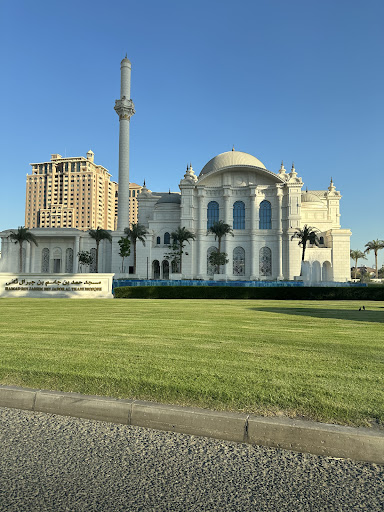
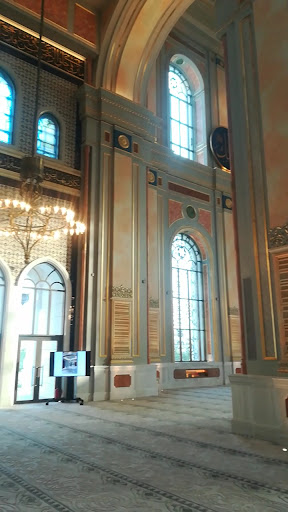
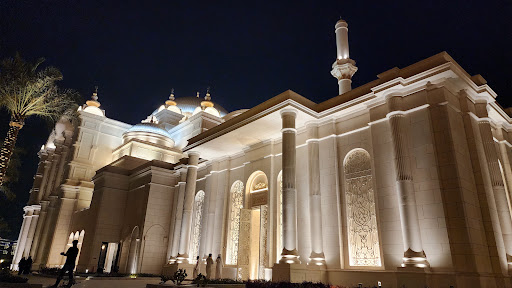
Hamad Bin Jassim Bin Jaber Bin Mohamed Al Thani Mosque things to do, attractions, restaurants, events info and trip planning
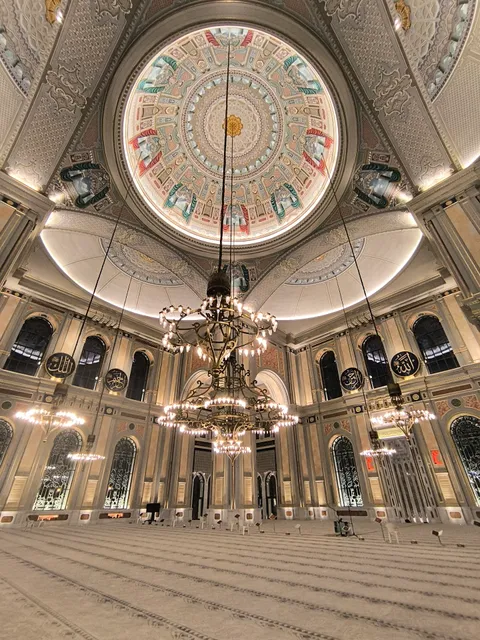
Basic Info
Hamad Bin Jassim Bin Jaber Bin Mohamed Al Thani Mosque
Porto Arabia Drive, Doha, Qatar
4.8(359)
Open 24 hours
Save
spot
spot
Ratings & Description
Info
Cultural
Accessibility
attractions: Gewan Island, Crystal Walk, Crystal Walk (Parking), شارع الكريستال Crystal Street, restaurants: Burger & Lobster Qatar, Aziza Lebanese Restaurant, Burj Al-Hamam, The Kitchen Doha, Le Relais de l’Entrecote, Cotti Coffee - UDC Tower Doha, Ahwet Zeitouna Qatar - Lebanese Restaurant in Qatar, Yasmine Palace Restaurant, Zorba Doha, Bay View, local businesses: Grand Royal Furniture Trading LLC, Tower 2, Porto Arabia, Anima Gallery, Crystal walk bridge, Crystal 1, CurioCITY Center Of Play
 Learn more insights from Wanderboat AI.
Plan your stay

Pet-friendly Hotels in Doha
Find a cozy hotel nearby and make it a full experience.

Affordable Hotels in Doha
Find a cozy hotel nearby and make it a full experience.

The Coolest Hotels You Haven't Heard Of (Yet)
Find a cozy hotel nearby and make it a full experience.

Trending Stays Worth the Hype in Doha
Find a cozy hotel nearby and make it a full experience.
Reviews
Live events
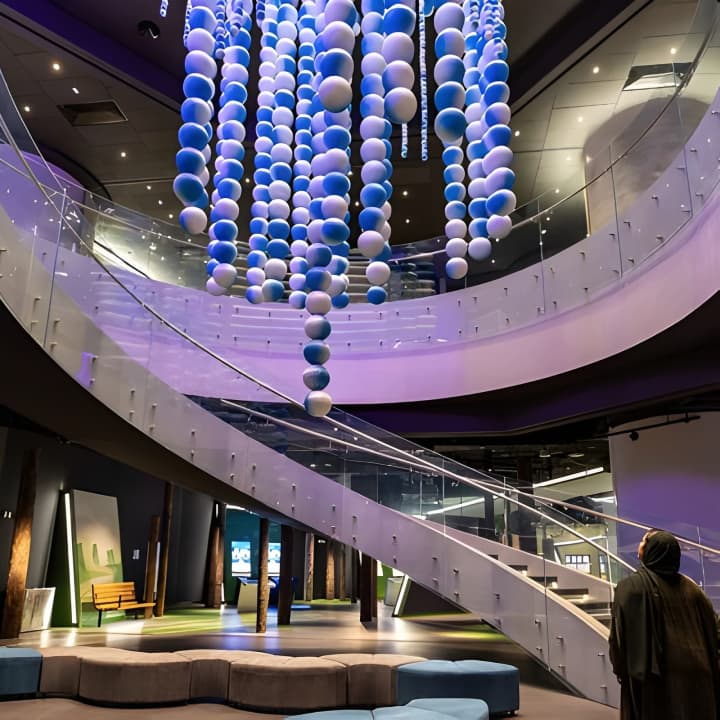
3-2-1 Olympic and Sports Museum ticket | Qatar
Sat, Feb 28 • 9:00 AM
7F72+F2, Doha
View details
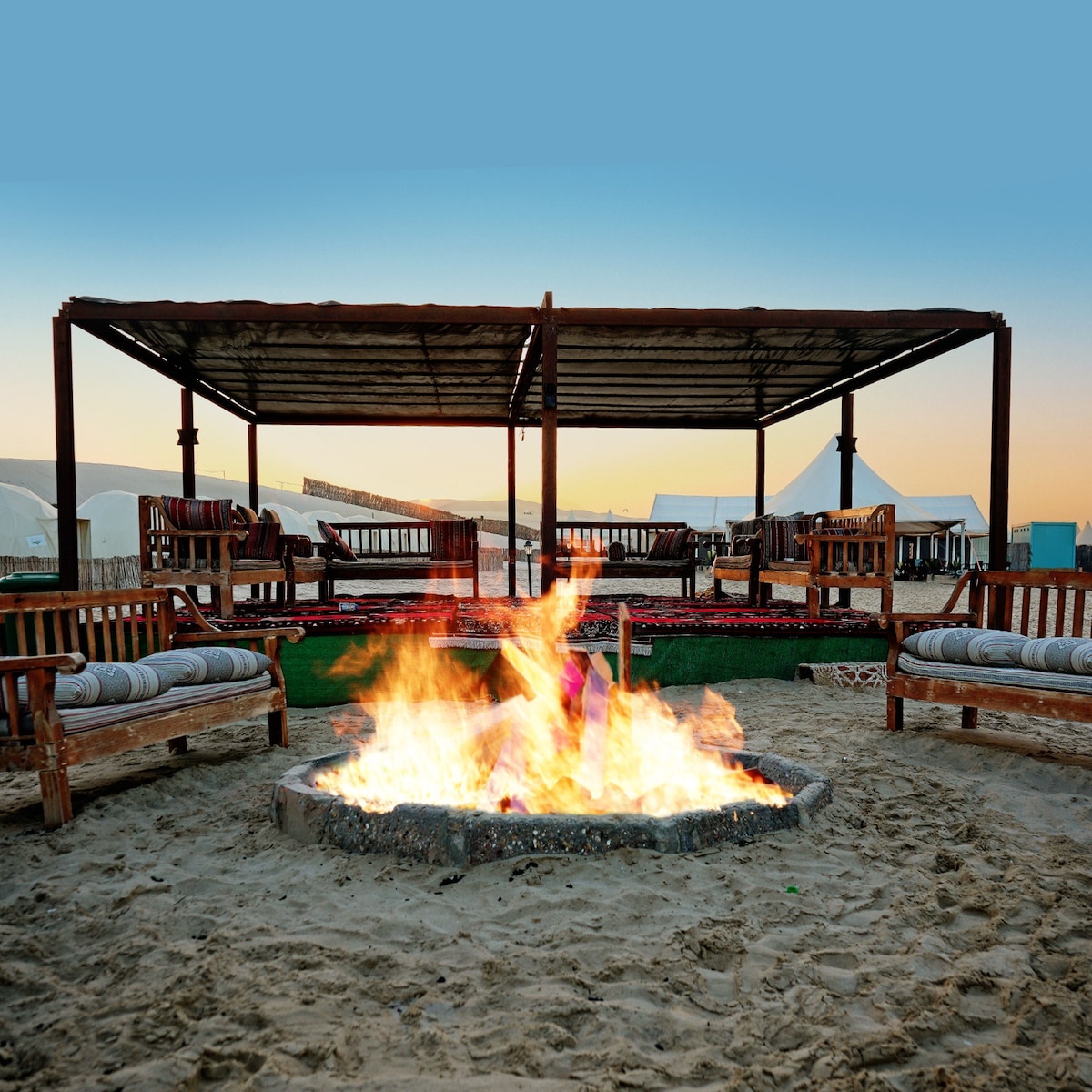
Desert safari & sunset by the inland sea in Qatar
Sat, Feb 28 • 2:30 PM
Doha, Doha Municipality 542, Qatar
View details

Conquer dunes and hit the beach with an adventurer
Sat, Feb 28 • 12:00 AM
Doha, Doha Municipality -, Qatar
View details
Nearby attractions of Hamad Bin Jassim Bin Jaber Bin Mohamed Al Thani Mosque
Gewan Island
Crystal Walk
Crystal Walk (Parking)
شارع الكريستال Crystal Street
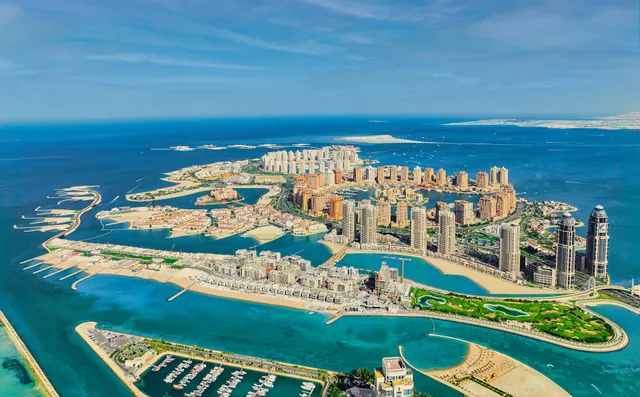
Gewan Island
4.7
(1.2K)
Open 24 hours
Click for details
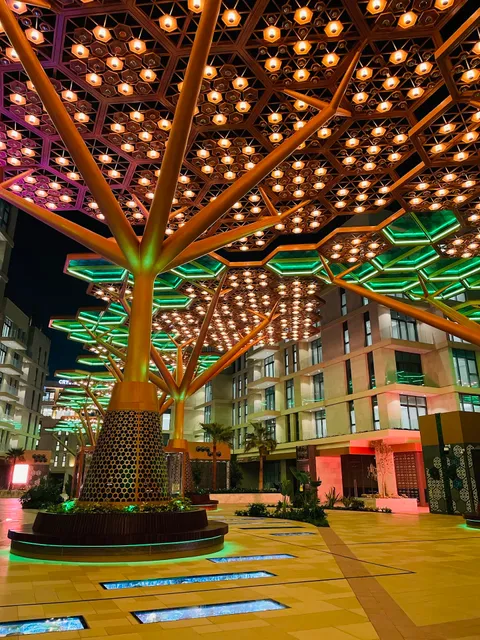
Crystal Walk
4.8
(1.2K)
Open 24 hours
Click for details
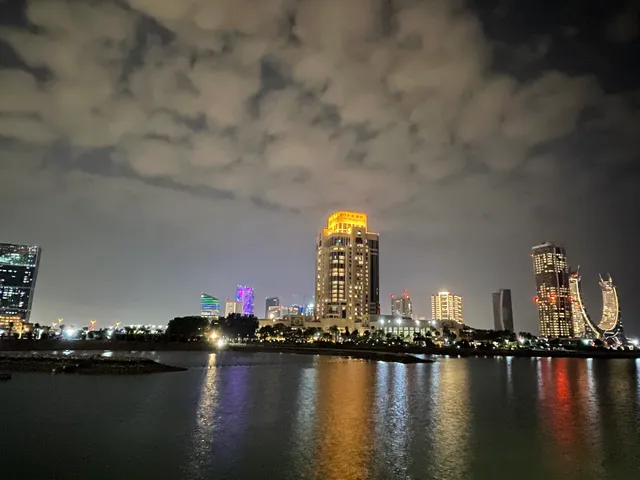
Crystal Walk (Parking)
4.5
(19)
Open 24 hours
Click for details
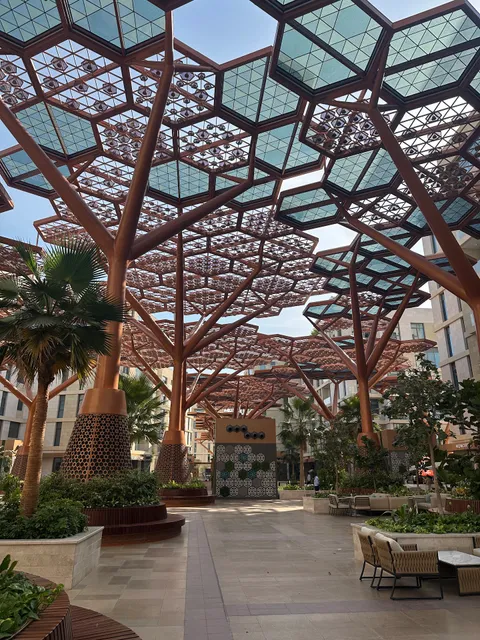
شارع الكريستال Crystal Street
4.7
(39)
Open 24 hours
Click for details
Nearby restaurants of Hamad Bin Jassim Bin Jaber Bin Mohamed Al Thani Mosque
Burger & Lobster Qatar
Aziza Lebanese Restaurant
Burj Al-Hamam
The Kitchen Doha
Le Relais de l’Entrecote
Cotti Coffee - UDC Tower Doha
Ahwet Zeitouna Qatar - Lebanese Restaurant in Qatar
Yasmine Palace Restaurant
Zorba Doha
Bay View
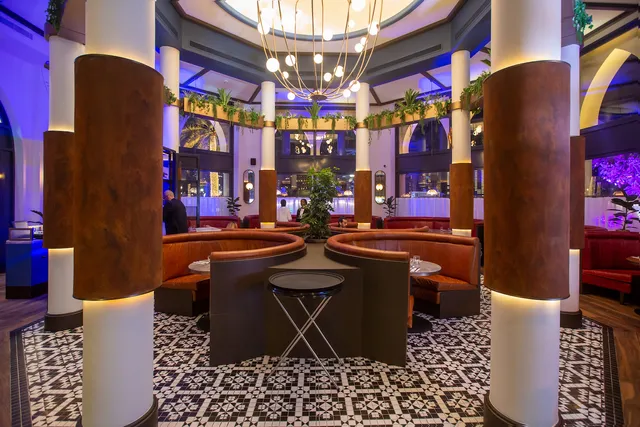
Burger & Lobster Qatar
4.4
(229)
Closed
Click for details
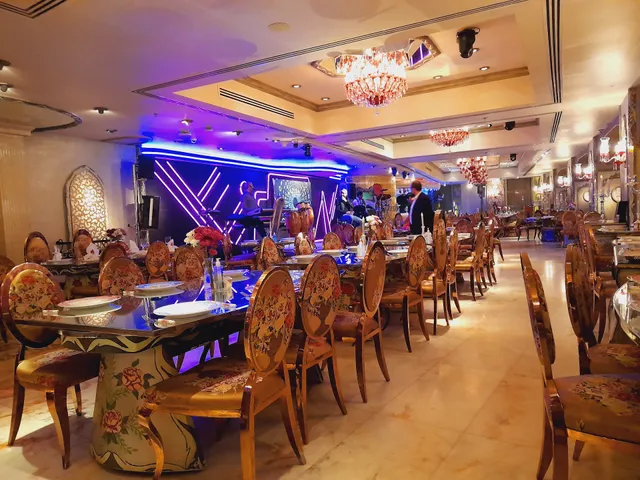
Aziza Lebanese Restaurant
4.2
(199)
Closed
Click for details
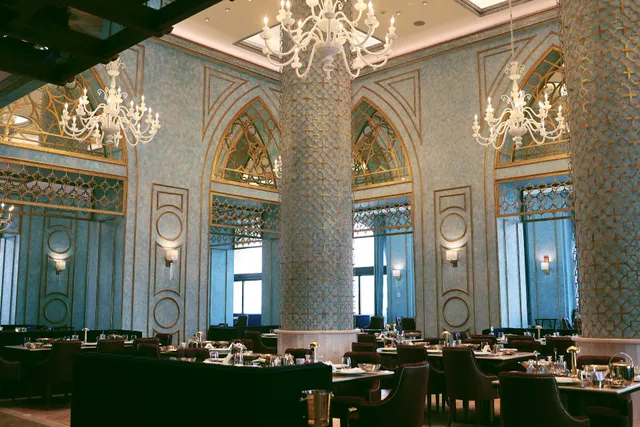
Burj Al-Hamam
4.4
(1.3K)
$$$
Closed
Click for details
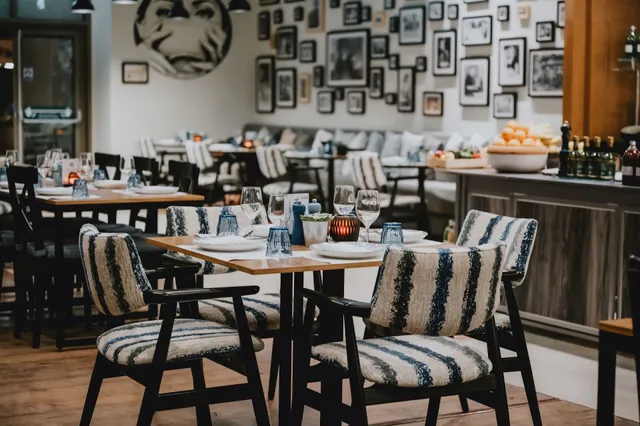
The Kitchen Doha
4.7
(757)
Closed
Click for details
Nearby local services of Hamad Bin Jassim Bin Jaber Bin Mohamed Al Thani Mosque
Grand Royal Furniture Trading LLC
Tower 2, Porto Arabia
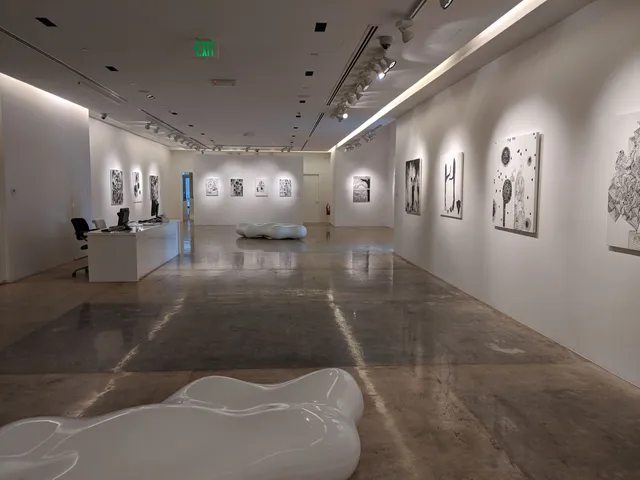
Anima Gallery
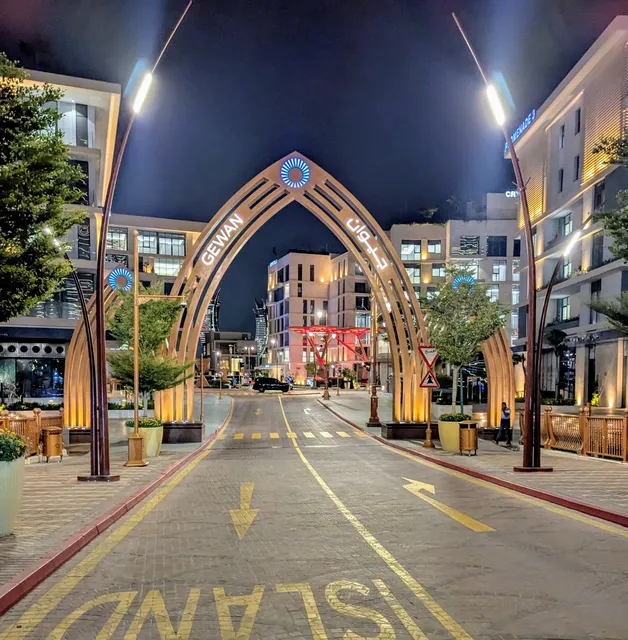
Crystal walk bridge
Crystal 1
CurioCITY Center Of Play
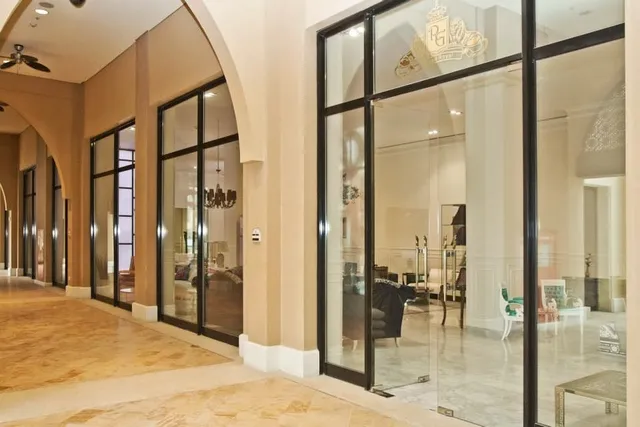
Grand Royal Furniture Trading LLC
5.0
(12)
Click for details
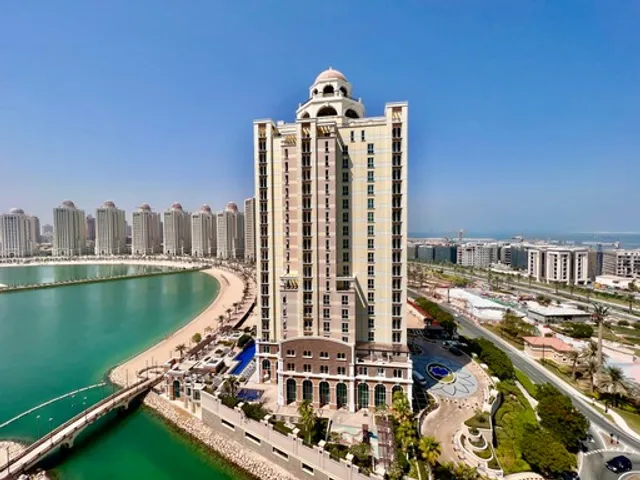
Tower 2, Porto Arabia
4.5
(10)
Click for details
Anima Gallery
4.0
(27)
Click for details
Crystal walk bridge
4.9
(10)
Click for details