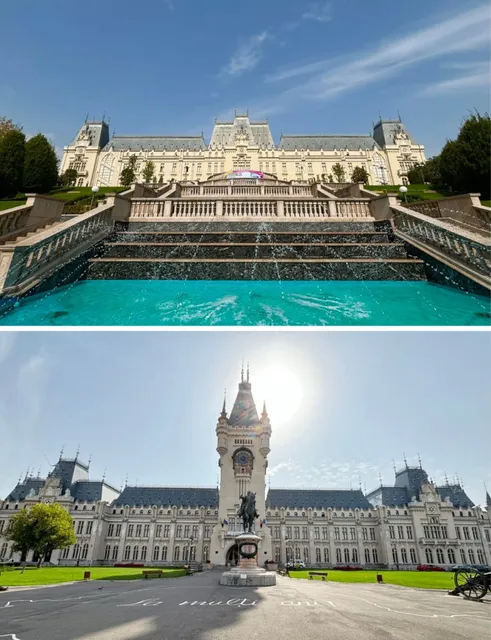
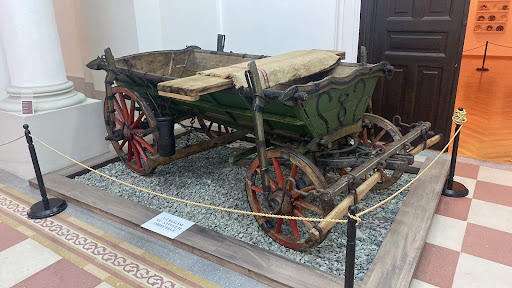
Palace of Culture things to do, attractions, restaurants, events info and trip planning
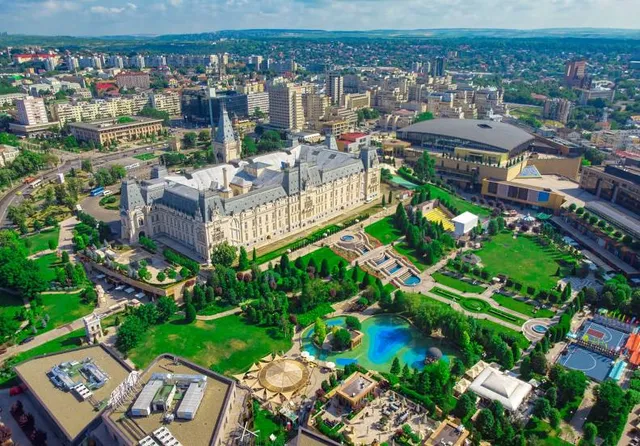
Basic Info
Palace of Culture
Bulevardul Ștefan cel Mare și Sfânt 1, 700028 Iași, Romania
4.8(6.3K)
Open until 12:00 AM


tickets
Save
spot
spot
Ratings & Description
Info
The Palace of Culture and Science is a notable high-rise building in central Warsaw, Poland. With a total height of 237 metres, it is the second tallest building in both Warsaw and Poland, the sixth tallest building in the European Union and one of the tallest in Europe.
Cultural
Accessibility
Family friendly
attractions: Palas Public Garden, The Equestrian Statue of Stephen the Great, Moldova National Museum Complex, Muzeul Etnografic al Moldovei, Biserica Sfântul Nicolae Domnesc, Muzeul Ştiinţei şi Tehnicii „Ştefan Procopiu”, Casa Dosoftei, Metropolitan Cathedral Iasi, Iasi Metropolitan Museum, "Regina Maria" Municipal Museum Burchi-Septilici, restaurants: Czech In restro Brewery, Kung Food, La Cao, local businesses: Mănăstirea Sfinții Trei Ierarhi, Moldova and Bucovina Metropolitan Cathedral, Episcopia Romano-Catolică Iaşi, Baia Turceasca, Monastery's Church
 Learn more insights from Wanderboat AI.
Phone
+40 232 275 979
Website
palatulculturii.ro
Open hoursSee all hours
MonClosedOpen
Plan your stay

Pet-friendly Hotels in Iași Metropolitan Area
Find a cozy hotel nearby and make it a full experience.

Affordable Hotels in Iași Metropolitan Area
Find a cozy hotel nearby and make it a full experience.

The Coolest Hotels You Haven't Heard Of (Yet)
Find a cozy hotel nearby and make it a full experience.

Trending Stays Worth the Hype in Iași Metropolitan Area
Find a cozy hotel nearby and make it a full experience.
Reviews
Live events

Candlelight: Coldplay & Imagine Dragons
Sat, Jan 31 • 4:00 PM
Bulevardul Ștefan cel Mare și Sfânt 1, Iași, 700028
View details

Unfiltered Series: Fuckup Night
Tue, Jan 27 • 5:00 PM
Fab Lab Iasi, 2nd floor, Strada Rândunica 2, Iași 700259, Romania
View details
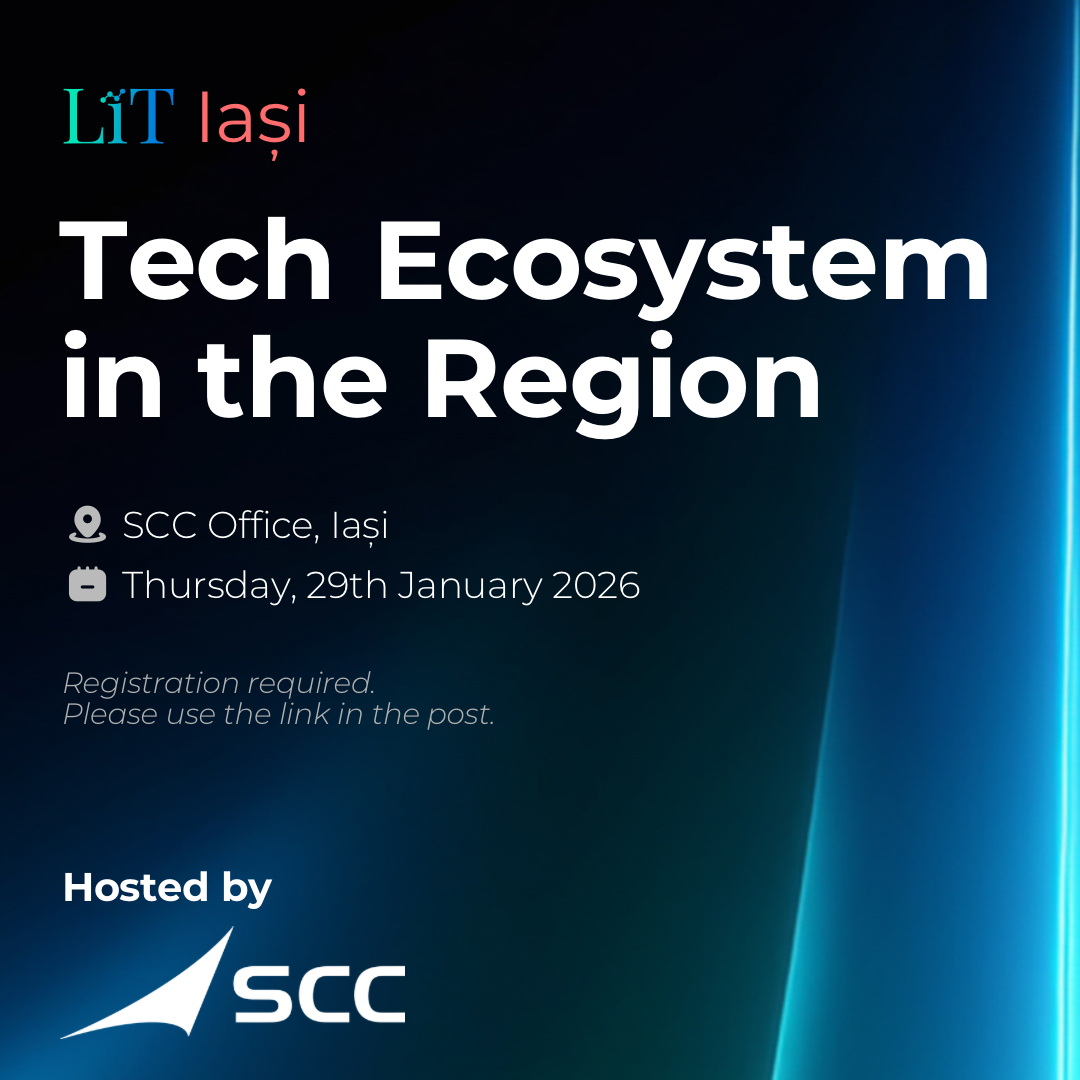
LiT Iași: Tech Ecosystem in the Region
Thu, Jan 29 • 4:30 PM
Iași, Județul Iași
View details
Nearby attractions of Palace of Culture
Palas Public Garden
The Equestrian Statue of Stephen the Great
Moldova National Museum Complex
Muzeul Etnografic al Moldovei
Biserica Sfântul Nicolae Domnesc
Muzeul Ştiinţei şi Tehnicii „Ştefan Procopiu”
Casa Dosoftei
Metropolitan Cathedral Iasi
Iasi Metropolitan Museum
"Regina Maria" Municipal Museum Burchi-Septilici
Palas Public Garden
4.8
(4.8K)
Open until 12:00 AM
Click for details
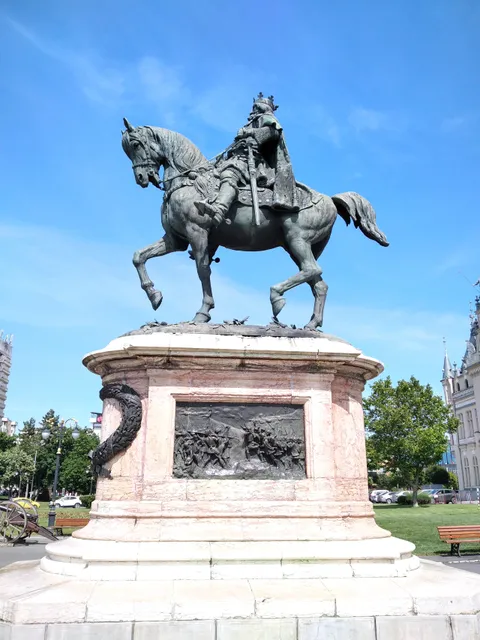
The Equestrian Statue of Stephen the Great
4.9
(203)
Open until 12:00 AM
Click for details
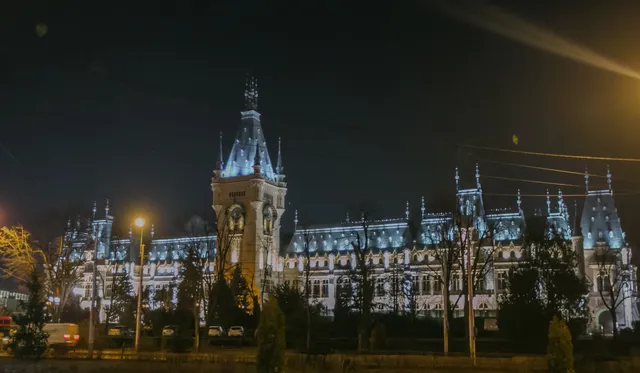
Moldova National Museum Complex
4.7
(78)
Open until 12:00 AM
Click for details
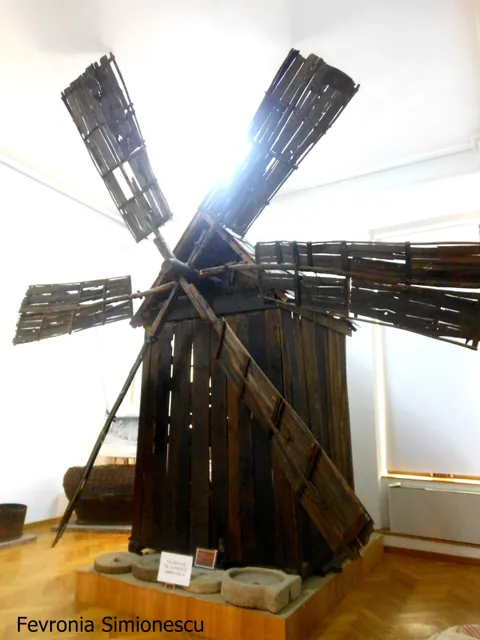
Muzeul Etnografic al Moldovei
4.9
(30)
Open 24 hours
Click for details
Nearby restaurants of Palace of Culture
Czech In restro Brewery
Kung Food
La Cao
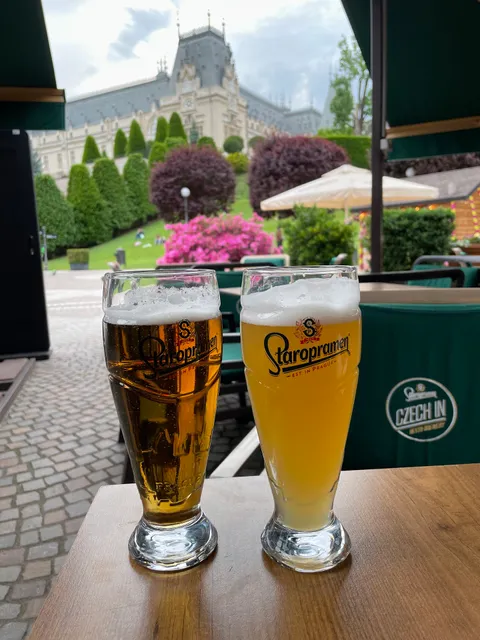
Czech In restro Brewery
4.3
(896)
$$
Open until 12:00 AM
Click for details

Kung Food
2.9
(77)
Closed
Click for details
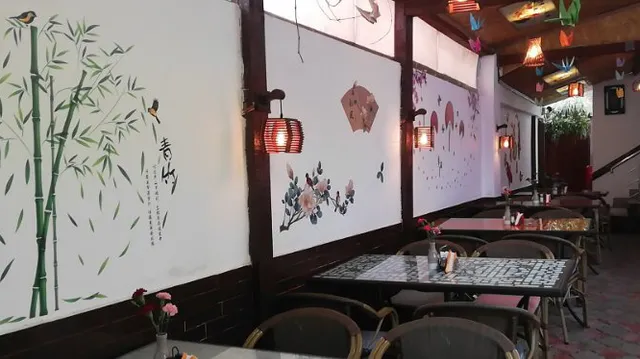
La Cao
4.4
(603)
$$
Closed
Click for details
Nearby local services of Palace of Culture
Mănăstirea Sfinții Trei Ierarhi
Moldova and Bucovina Metropolitan Cathedral
Episcopia Romano-Catolică Iaşi
Baia Turceasca
Monastery's Church
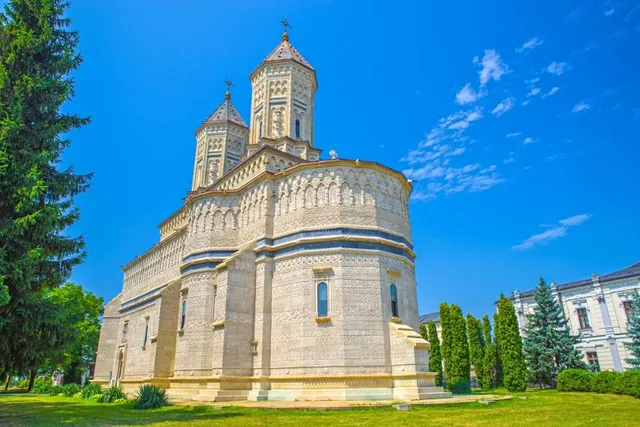
Mănăstirea Sfinții Trei Ierarhi
4.8
(1.6K)
Click for details
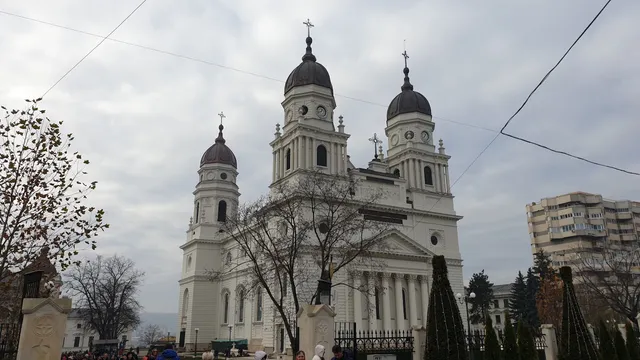
Moldova and Bucovina Metropolitan Cathedral
4.7
(294)
Click for details
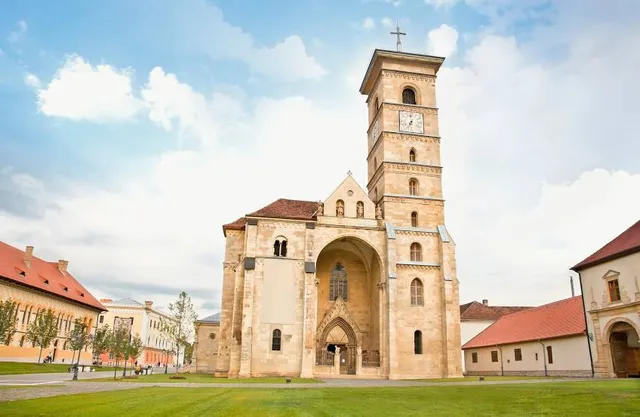
Episcopia Romano-Catolică Iaşi
4.8
(16)
Click for details
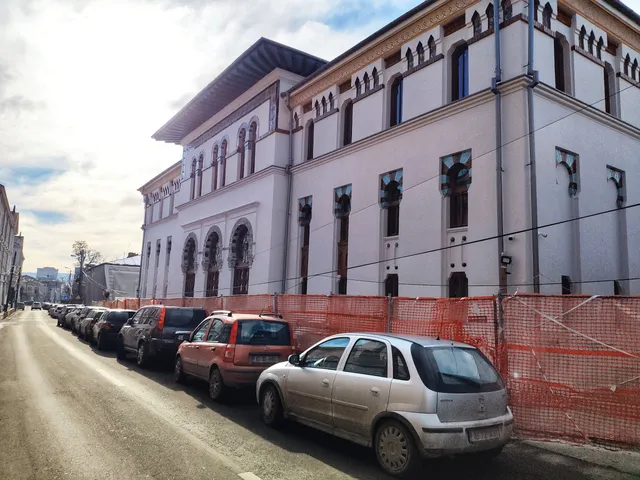
Baia Turceasca
3.7
(30)
Click for details