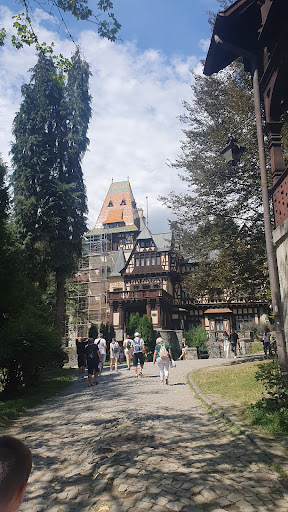
A Disappointment at the Foot of the Bucegi Mountains: Pelișor Castle
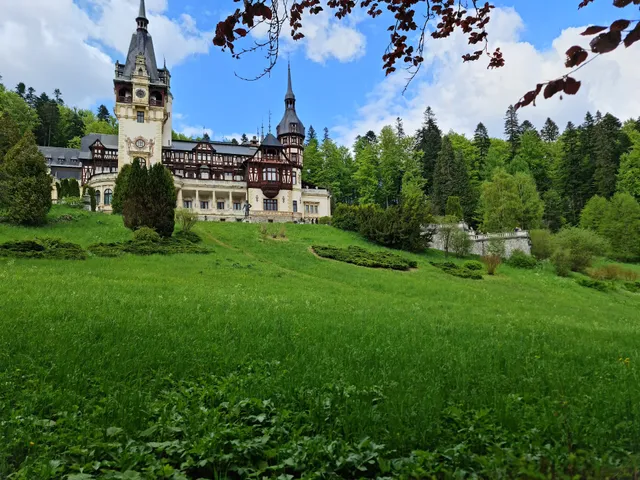
The visit to Pelișor Castle, often presented as a jewel of Romanian heritage, quickly turns into a disappointing experience. The journey itself, which should set a regal tone, is a grim reality: an unkempt road with damaged and potholed sections that seems to foreshadow the general state of neglect.
This same lack of care is evident in the castle's surroundings. The gardens, which should be an oasis of green and tranquility, are left to decay. Uncut grass and weeds grow unchecked, and visitors have no benches to rest on or trash cans to use, making the entire area feel ignored and disrespectful to the public.
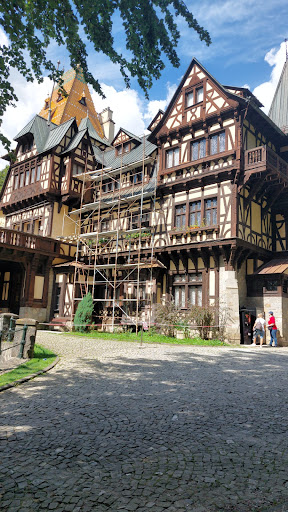
Upon arrival at the castle, the exterior view only confirms the initial impression. The walls are visibly poorly maintained, and the visit is overshadowed by the crowd at the entrance, which reduces the experience to a simple walkthrough. Inside, the disappointment reaches its peak. Instead of feeling transported back in time, you are met with clear restrictions. The viewing is done, practically, only from the doorways, and the sight is far from memorable. The furniture and decorations seem to lack historical value. The carpets, presented as heritage pieces, appear to be Chinese or Turkish examples, some no more than 25-30 years old, while others, slightly older, are neither spectacular nor special. Pelișor seems to be stuck in a state of indifference and lack of vision, far from the splendor and elegance a monument of its importance should possess.
In conclusion, the Pelișor experience leaves a bitter taste. Instead of being an exceptional destination, the castle comes across as a series of failures: deficient infrastructure, an unkempt courtyard, and an interior that fails to impress or justify the effort...
Read moreI enjoyed visiting this wonderful castle. In my opinion it is a great place to bring little ones. Like that they will listen and learn more about romanian reign.
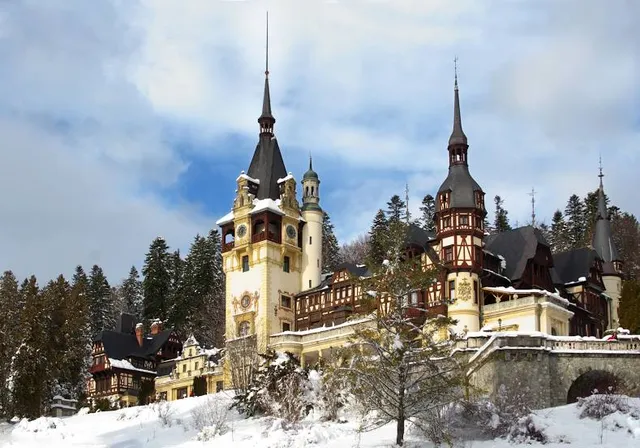
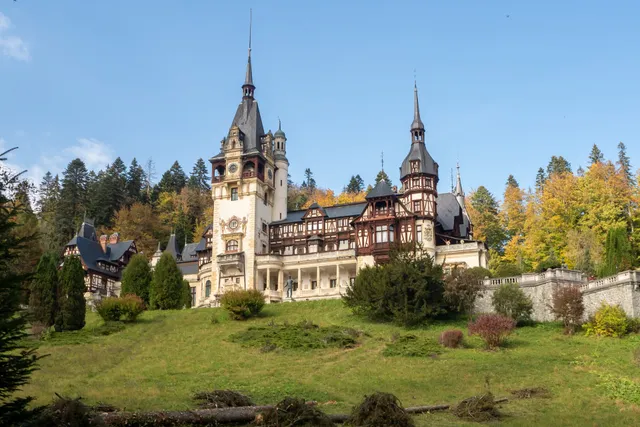
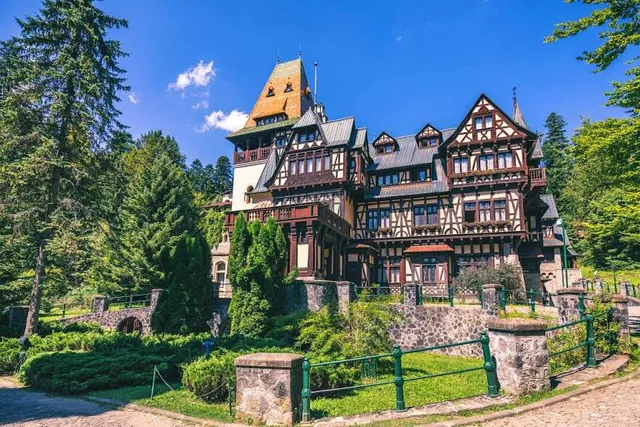
The Pelisor castle is part of the vast architectural ensemble created by King Carol I, along the Peles river’s valley, during the entire period of his reign. It was built between 1899 and 1902, as a residence for the Royal Heirs to the throne of Romania, Prince Ferdinand and Princess Marie.
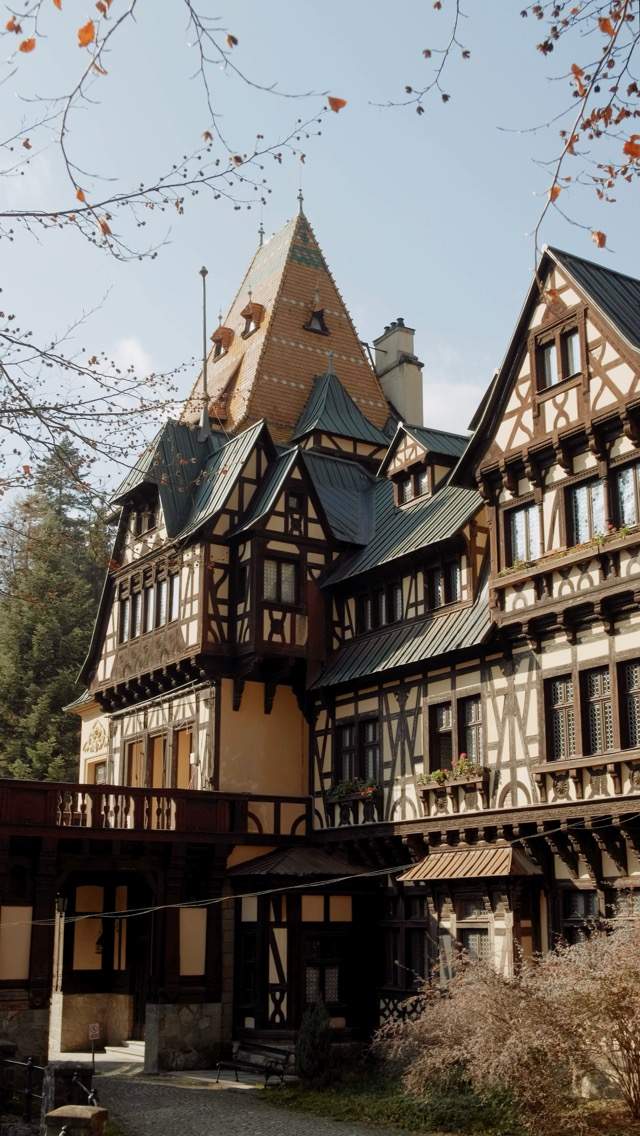
As opposed to the solemnity of the Great Castle, the Pelisor Castle, although on the exterior one can easily recognize the German Neo- Renaissance style, is decorated in a new, modern style. The construction of the castle, based on the plans of the architect Karel Liman, respected the requirements of King Carol I, towards the exterior architecture, with Fachwerk elements, adding however Neo-Romanian elements, which give the building a cheerful note: for instance, the two towers covered with colored tiles, similar to the spires of the churches from Bucovina.
In terms of interior architecture, Karel Liman used, undoubtedly at the request of Princess Marie, along with elements of Art Nouveau, specific Romanian elements, splitting the space through the use of Brancovan elements, the division of space in horizontal plan.
The interior decoration, conceived by Marie herself in different periods of time, between 1902-1903 and 1925-1928, illustrated her creed in aesthetics and art.
The Pelisor castle reveals, through its interior ornamentation, the romantic, mysterious personality, of Queen Marie of Romania, the promoter of a new and unusual art, for the style chosen by her for this “dream house” is...
Read morePelișor (or "Little Peleș") is part of the same tourist complex as the much-celebrated Peleș Castle, being located just a few hundred meters from its bigger and more renowned counterpart.
If you find yourself in the area and have a keen interest in Romania's recent history, Pelisor is a must-see attraction. However, if Romanian history doesn't pique your curiosity, you might opt to skip this visit and allocate more time to exploring the main castle. Incidentally, during my last visit, I encountered some French tourists who were quite disappointed by the experience — a sentiment perhaps understandable for those accustomed to France's array of imposing and sophisticated castles.
Among its highlights are Queen Maria's rooms, particularly the opulent Golden Room.
That being said, similar criticisms to those voiced regarding Peleș Castle persist: the admission fee is rather steep, access to many rooms is restricted, leaving visitors to be content with what they can see from inside the door, information provided is often sparse and unengaging...
Regrettably, I can't award more than three stars, despite my admiration...
Read more