Museum of Yugoslavia things to do, attractions, restaurants, events info and trip planning
Basic Info
Museum of Yugoslavia
Михаила Мике Јанковића 6, Beograd 11000, Serbia
4.5(1.9K)
Open until 12:00 AM

tickets
Save
spot
spot
Ratings & Description
Info
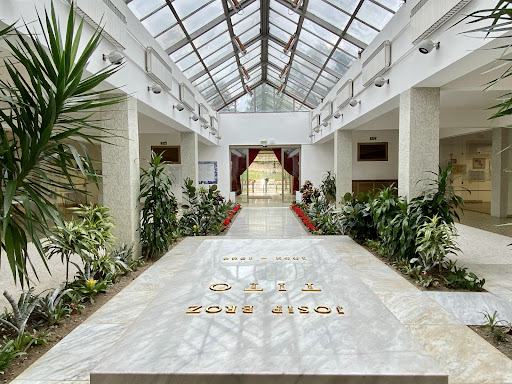
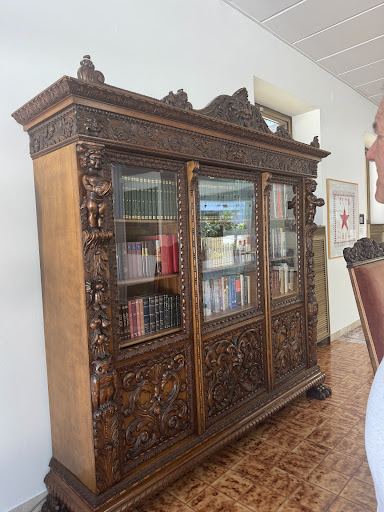
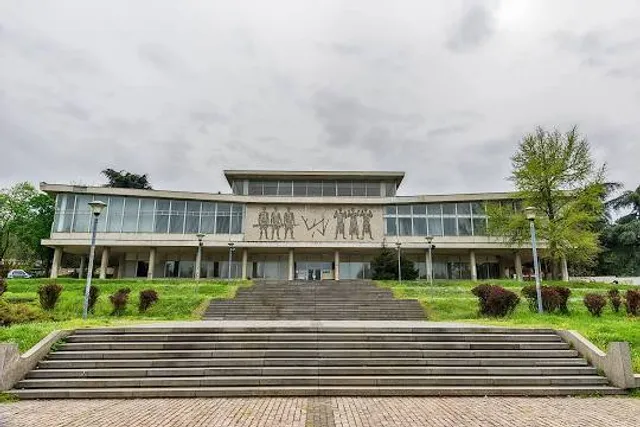
The Museum of Yugoslavia is a public history museum in Belgrade, the capital of Serbia. It chronicles the period of Kingdom of Yugoslavia and Socialist Yugoslavia as well as the life of Josip Broz Tito. Tito's grave is located in one of the museum buildings.
Cultural
Accessibility
attractions: House of Flowers, Statue of Josip Broz Tito, The Legacy of Petar Lubarda, Javni Akvarijum i Tropikarijum Beograd, Hyde Park, Orthodox Monastery of the Presentation of the Holy Virgin, Galerija legat Milice Zorić i Rodoljuba Čolakovića, Museum of Toma Rosandić, restaurants: Stari Mlin (Old Mill), Coffeedream, Merak Balkan Cuisine, Bizu Restaurant & Sushi Bar, local businesses: House of Flowers, Vračar plateau
 Learn more insights from Wanderboat AI.
Phone
+381 11 3671485
Website
muzej-jugoslavije.org
Open hoursSee all hours
Tue10 AM - 6 PMOpen
Plan your stay

Pet-friendly Hotels in City of Belgrade
Find a cozy hotel nearby and make it a full experience.

Affordable Hotels in City of Belgrade
Find a cozy hotel nearby and make it a full experience.

The Coolest Hotels You Haven't Heard Of (Yet)
Find a cozy hotel nearby and make it a full experience.

Trending Stays Worth the Hype in City of Belgrade
Find a cozy hotel nearby and make it a full experience.
Reviews
Live events

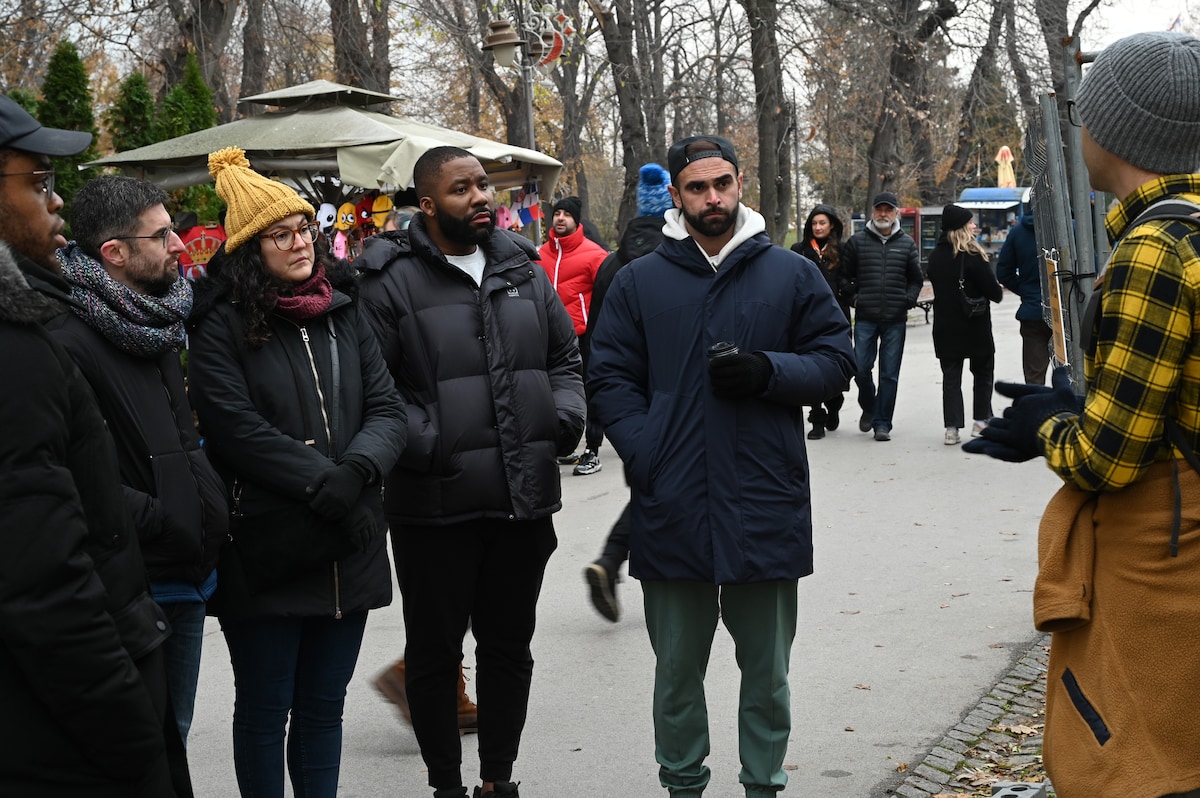
Belgrade Historic Walking Tour
Tue, Jan 27 • 11:00 AM
Belgrade, RS 11000, Serbia
View details
Explore Belgrades past and culture with a guide
Tue, Jan 27 • 1:30 PM
Belgrade, RS 11102, Serbia
View details

Taste natural wine with scenic views near Belgrade
Tue, Jan 27 • 12:00 PM
Grocka, Vojvodina -, Serbia
View details
Nearby attractions of Museum of Yugoslavia
House of Flowers
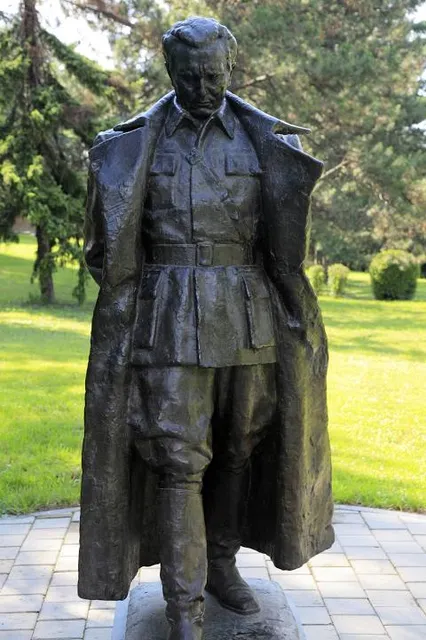
Statue of Josip Broz Tito
The Legacy of Petar Lubarda
Javni Akvarijum i Tropikarijum Beograd
Hyde Park
Orthodox Monastery of the Presentation of the Holy Virgin
Galerija legat Milice Zorić i Rodoljuba Čolakovića
Museum of Toma Rosandić
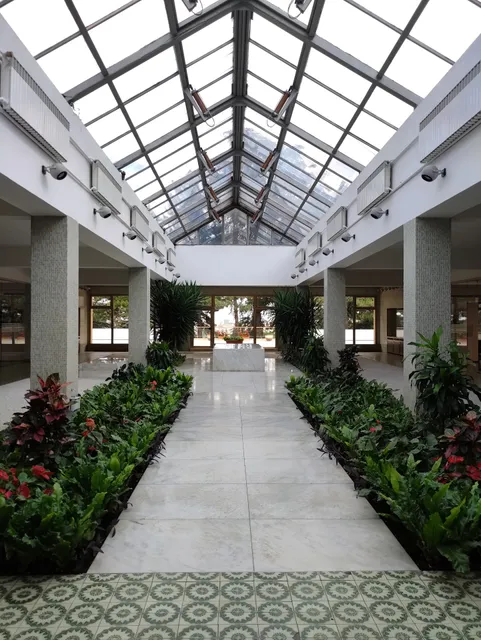
House of Flowers
4.6
(2K)
Open until 12:00 AM
Click for details
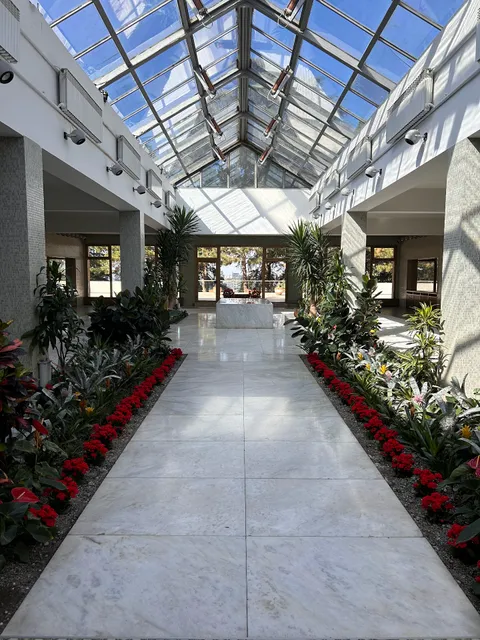
Statue of Josip Broz Tito
4.4
(130)
Open until 12:00 AM
Click for details
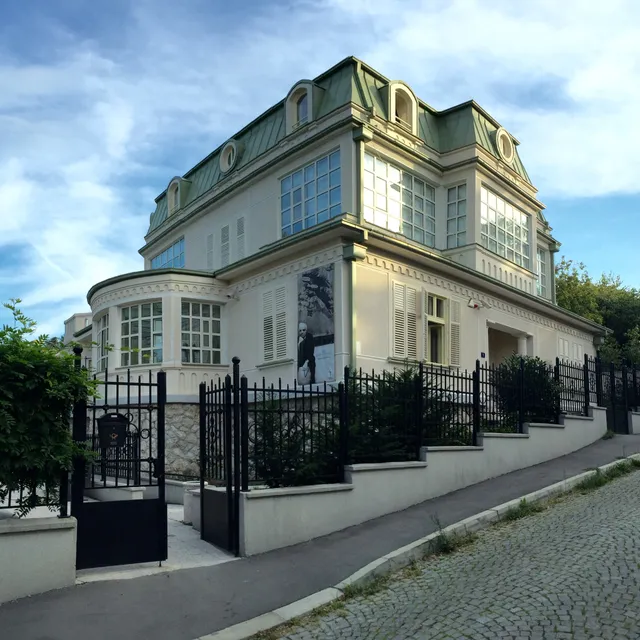
The Legacy of Petar Lubarda
4.8
(235)
Open until 12:00 AM
Click for details
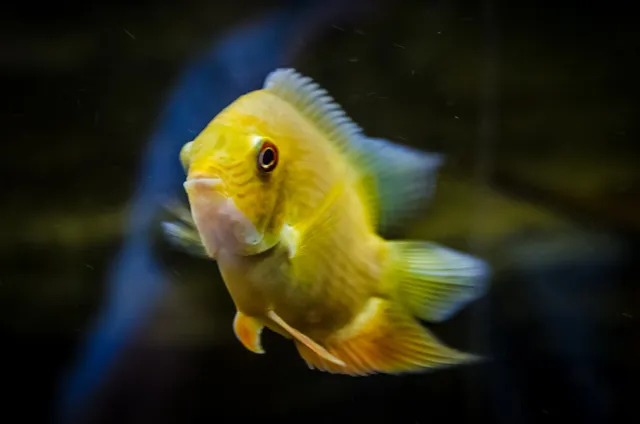
Javni Akvarijum i Tropikarijum Beograd
4.6
(1.5K)
Closed
Click for details
Nearby restaurants of Museum of Yugoslavia
Stari Mlin (Old Mill)
Coffeedream
Merak Balkan Cuisine
Bizu Restaurant & Sushi Bar
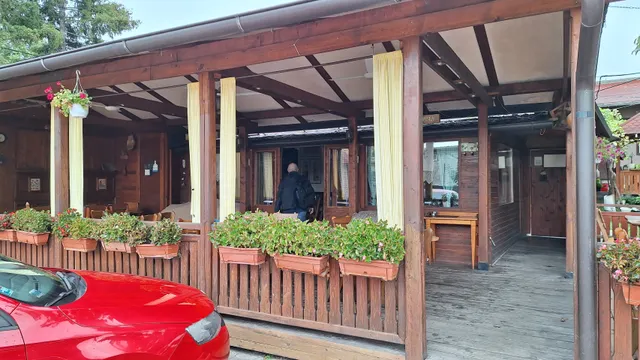
Stari Mlin (Old Mill)
4.6
(432)
$$
Closed
Click for details
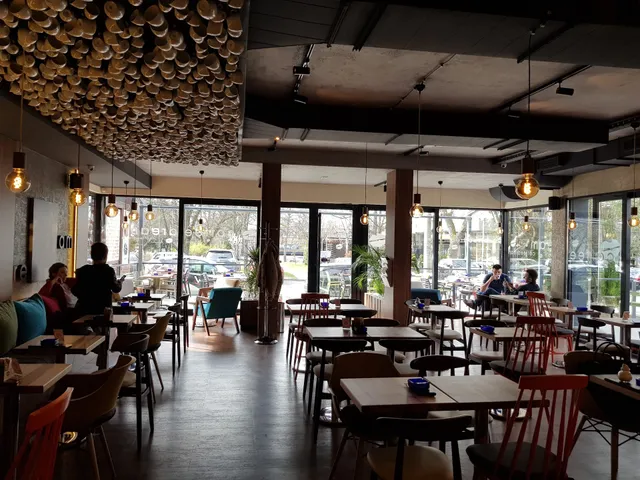
Coffeedream
4.6
(471)
Open until 11:00 PM
Click for details
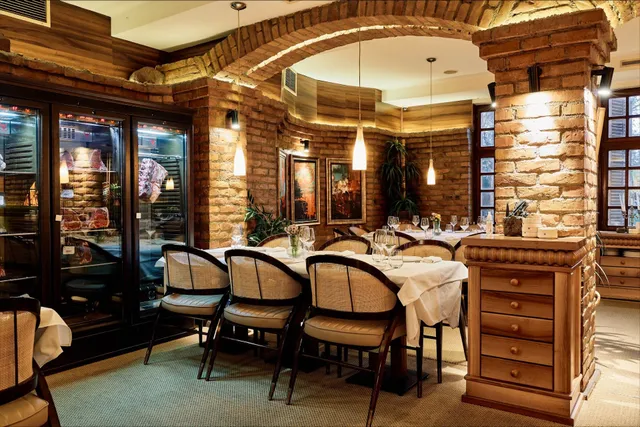
Merak Balkan Cuisine
4.4
(222)
$$
Open until 11:00 PM
Click for details
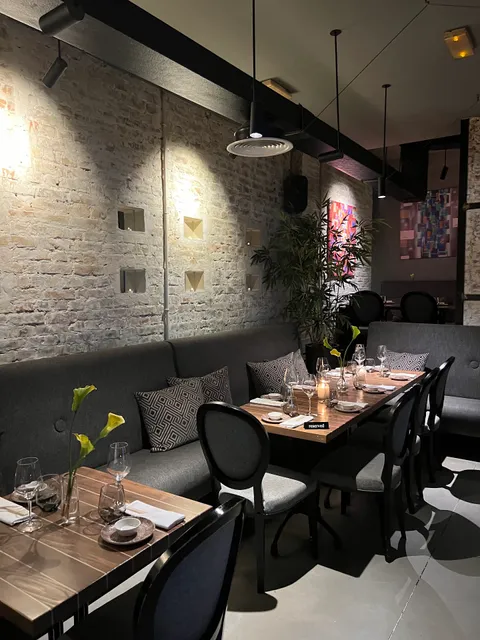
Bizu Restaurant & Sushi Bar
4.6
(349)
$$$
Closed
Click for details
Nearby local services of Museum of Yugoslavia
House of Flowers
Vračar plateau
House of Flowers
4.6
(1.3K)
Click for details
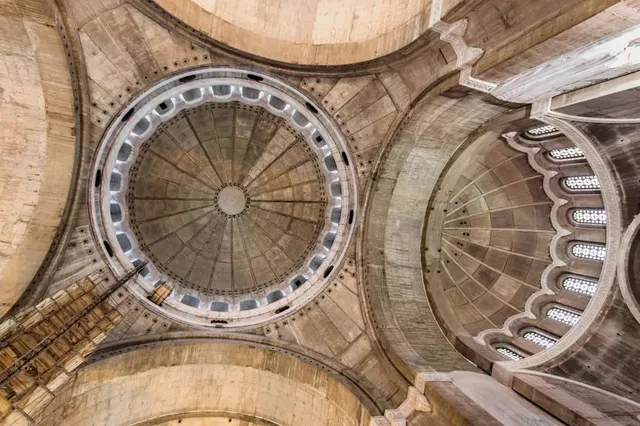
Vračar plateau
4.6
(7)
Click for details