Castle of Good Hope things to do, attractions, restaurants, events info and trip planning
Basic Info
Castle of Good Hope
Castle St, Foreshore, Cape Town, 8001, South Africa
4.3(5.3K)
Closed


tickets
Save
spot
spot
Ratings & Description
Info
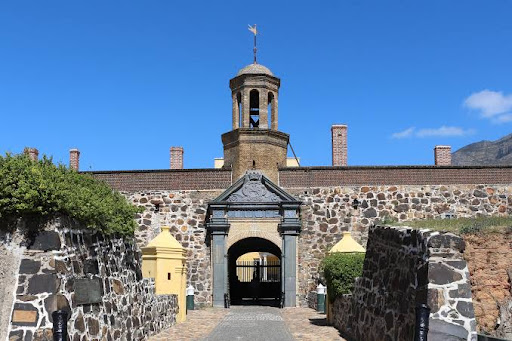
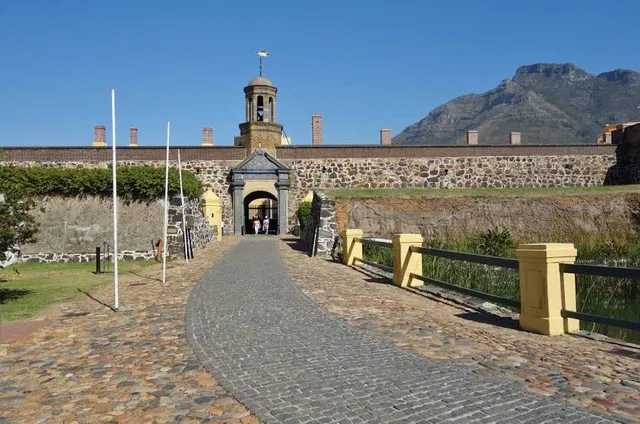
The Castle of Good Hope is a bastion fort built in the 17th century in Cape Town, South Africa. Originally located on the coastline of Table Bay, following land reclamation the fort is now located inland.
Cultural
Outdoor
Accessibility
attractions: Castle Military Museum, Cape Town City Hall, The Old Granary, President Nelson Mandela Statue, Iziko Slave Lodge, Groote Kerk Kaapstad, Church Square, St George's Cathedral, Iziko Social History Resource Centre, StateoftheART Gallery Cape Town, restaurants: Dust And Dynamite, Truth Coffee Roasting, Eastern Food Bazaar, Harringtons Cocktail Lounge, KFC Cape Town Station, Swan Café, SurfaRosa, Wild Eatery, THE ELECTRIC, NURI SUSHI CBD Cape Town, local businesses: Golden Acre, District Six Museum, Speakers-Corner, Greenmarket Square, Table mountain, The Service Dining Rooms, Virgin Active Gym Cape Town Foreshore, African Craft Whole Sale Market, Atterbury House, Good Company Market St Georges Mall (Thursdays)
 Learn more insights from Wanderboat AI.
Phone
+27 12 461 4673
Website
castleofgoodhope.co.za
Open hoursSee all hours
Sun9 AM - 4 PMClosed
Plan your stay

Pet-friendly Hotels in Cape Town Ward 115
Find a cozy hotel nearby and make it a full experience.

Affordable Hotels in Cape Town Ward 115
Find a cozy hotel nearby and make it a full experience.

The Coolest Hotels You Haven't Heard Of (Yet)
Find a cozy hotel nearby and make it a full experience.

Trending Stays Worth the Hype in Cape Town Ward 115
Find a cozy hotel nearby and make it a full experience.
Reviews
Live events

kayak with dolphins
Mon, Feb 23 • 9:00 AM
Cape Town, Western Cape, 8005, South Africa
View details
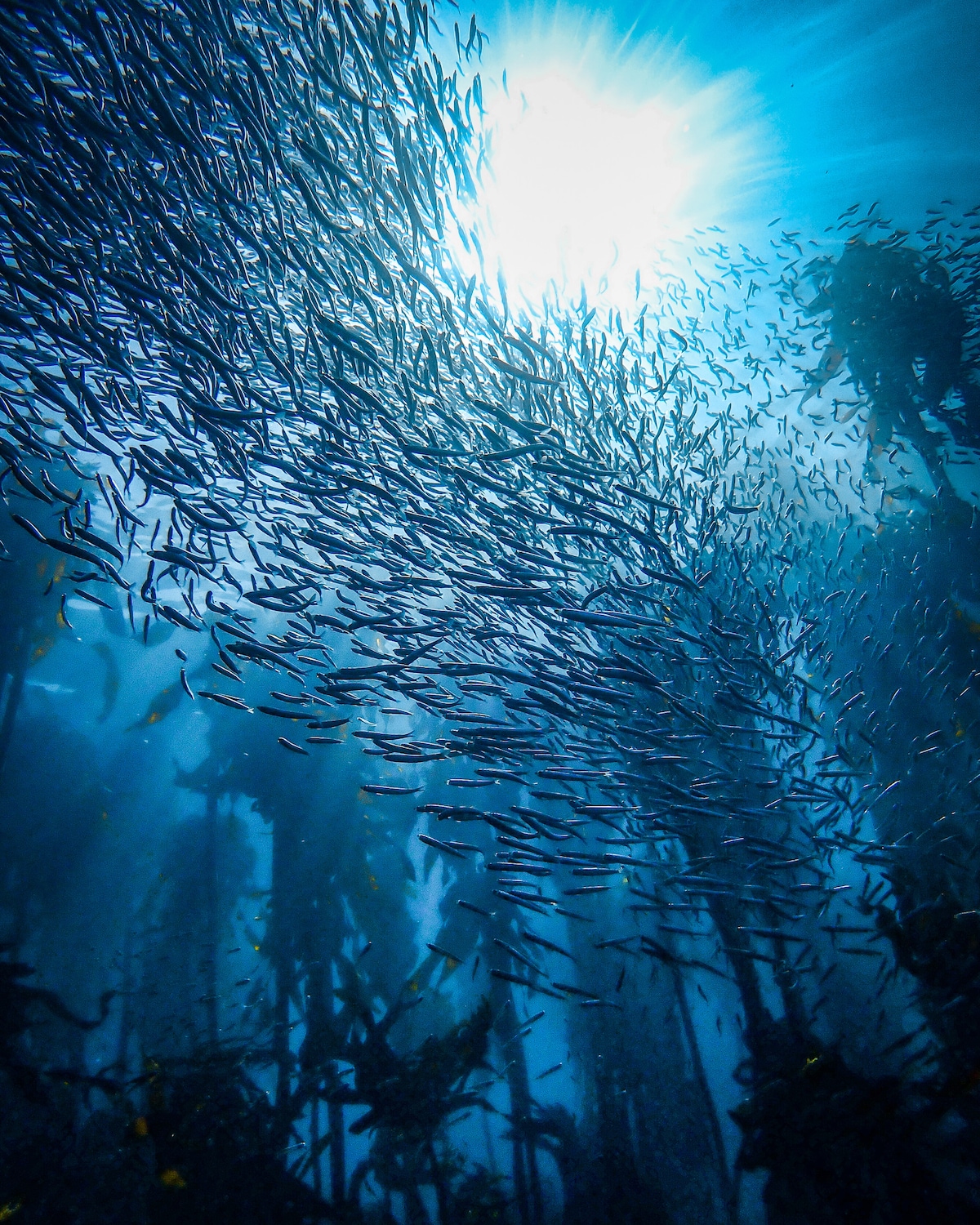
Guided Snorkel through Africas magical Kelp Forest
Sun, Feb 22 • 12:30 PM
Cape Town, Western Cape, 7945, South Africa
View details
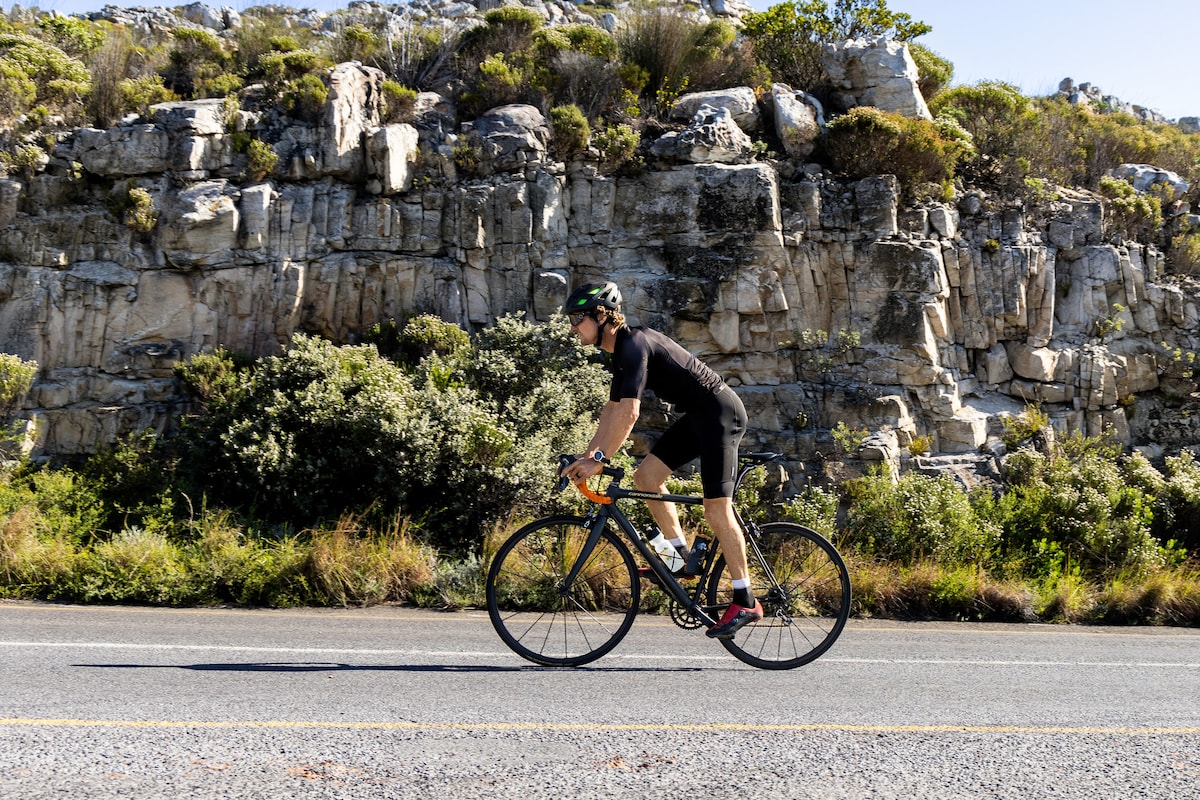
Cycle to the tip of Africa
Wed, Feb 25 • 7:00 AM
Cape Town, Western Cape, 7995, South Africa
View details
Nearby attractions of Castle of Good Hope
Castle Military Museum
Cape Town City Hall
The Old Granary
President Nelson Mandela Statue
Iziko Slave Lodge
Groote Kerk Kaapstad
Church Square
St George's Cathedral
Iziko Social History Resource Centre
StateoftheART Gallery Cape Town
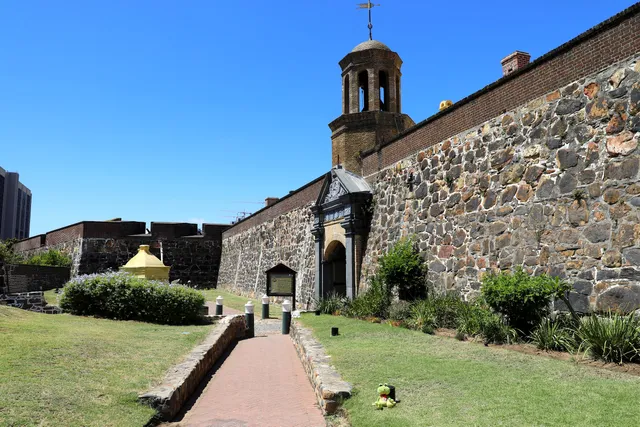
Castle Military Museum
4.5
(25)
Open 24 hours
Click for details

Cape Town City Hall
4.5
(287)
Open until 12:00 AM
Click for details
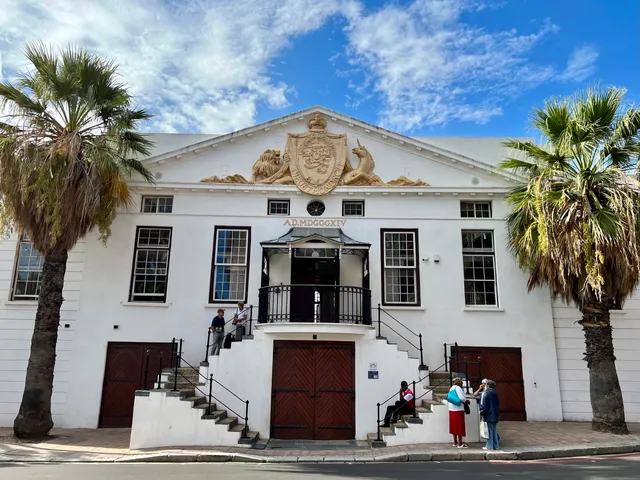
The Old Granary
4.8
(43)
Open 24 hours
Click for details
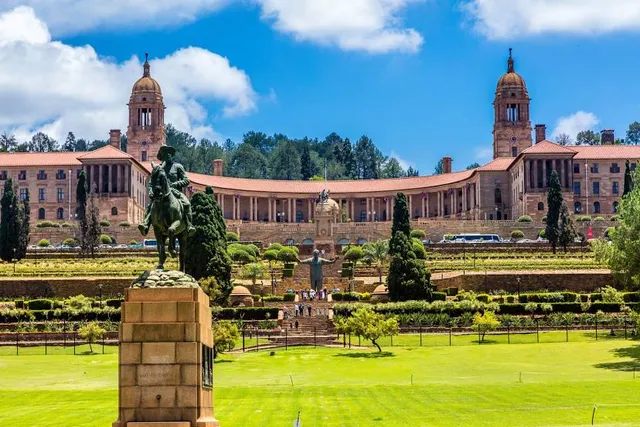
President Nelson Mandela Statue
4.6
(22)
Open 24 hours
Click for details
Nearby restaurants of Castle of Good Hope
Dust And Dynamite
Truth Coffee Roasting
Eastern Food Bazaar
Harringtons Cocktail Lounge
KFC Cape Town Station
Swan Café
SurfaRosa
Wild Eatery
THE ELECTRIC
NURI SUSHI CBD Cape Town
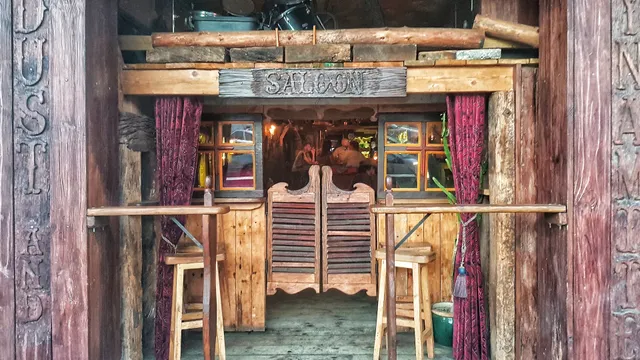
Dust And Dynamite
4.5
(179)
$$
Open until 12:00 AM
Click for details
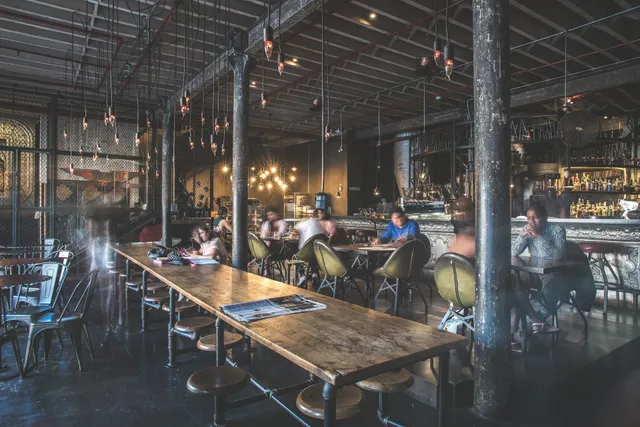
Truth Coffee Roasting
4.5
(2.5K)
Open until 10:00 PM
Click for details
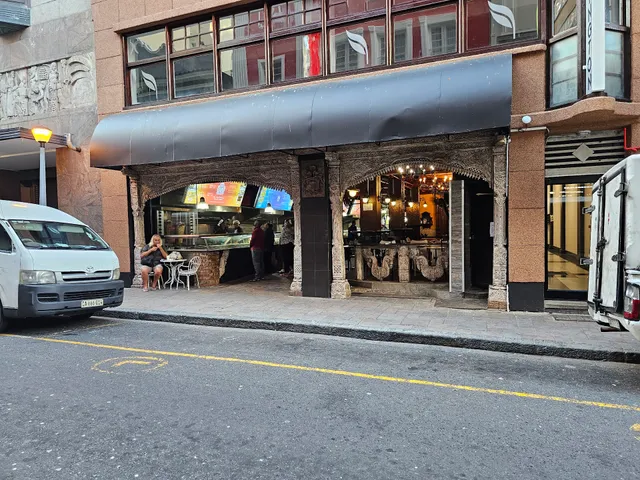
Eastern Food Bazaar
4.3
(4.2K)
Open until 9:00 PM
Click for details
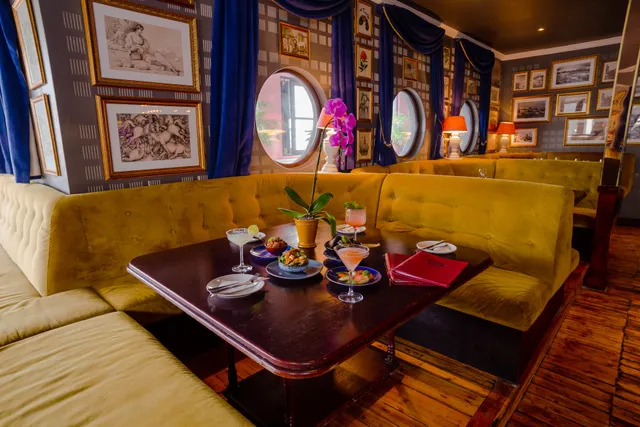
Harringtons Cocktail Lounge
4.4
(546)
$$$
Open until 12:00 AM
Click for details
Nearby local services of Castle of Good Hope
Golden Acre
District Six Museum
Speakers-Corner
Greenmarket Square
Table mountain
The Service Dining Rooms
Virgin Active Gym Cape Town Foreshore
African Craft Whole Sale Market
Atterbury House
Good Company Market St Georges Mall (Thursdays)
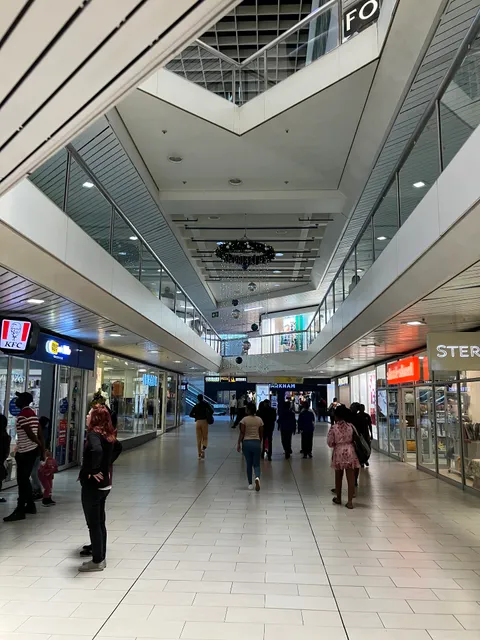
Golden Acre
4.0
(3.7K)
Click for details
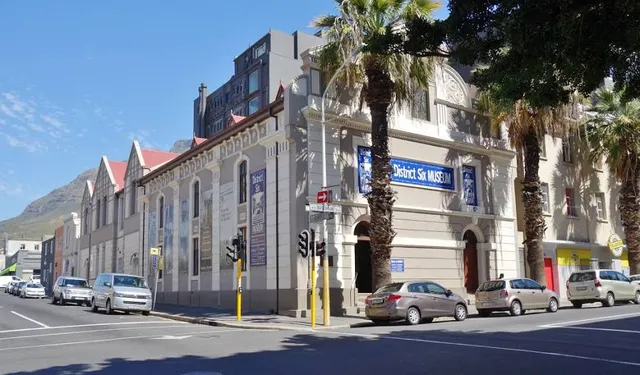
District Six Museum
4.4
(1.2K)
Click for details
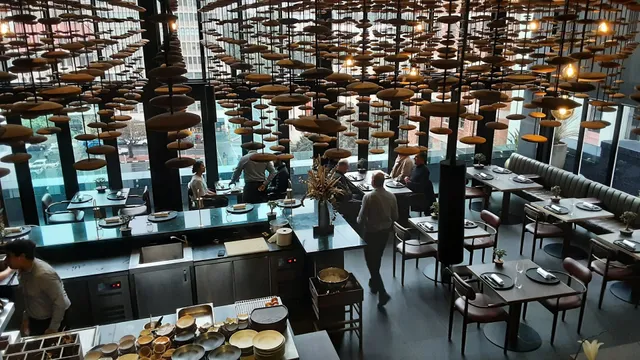
Speakers-Corner
4.5
(52)
Click for details
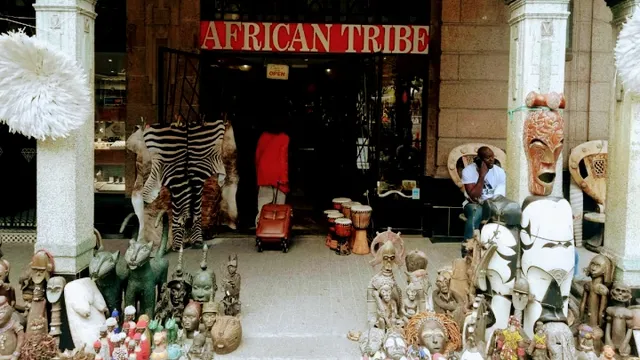
Greenmarket Square
4.1
(2.3K)
Click for details