Quick Takeaways
🏛️ Impressive, modern museum documenting South Africa’s apartheid era
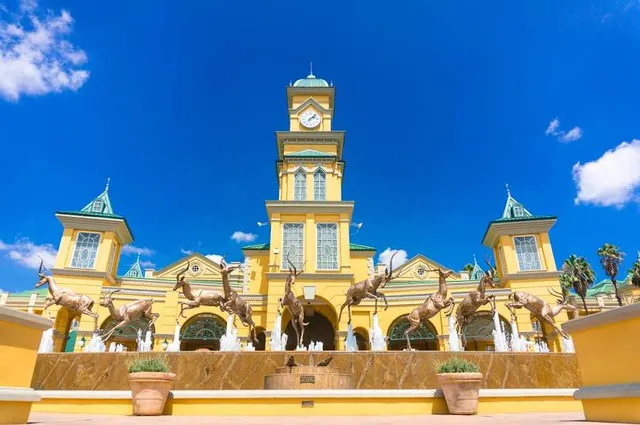
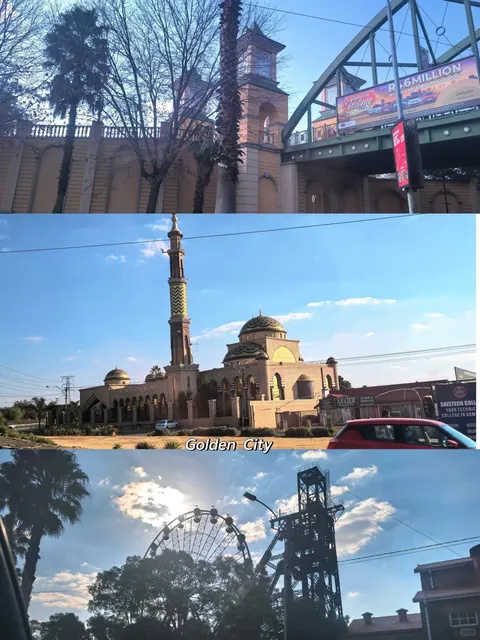
📍 Located in Ormonde, Johannesburg — adjacent to Gold Reef City
🚗 Safe, accessible area with ample parking and good transport links (car, taxi, bus, or guided tour)
💬 Everyone speaks fluent English; signage and staff communication are easy
🕊️ Immersive exhibits tell South Africa’s story from apartheid’s origins to its abolition
📽️ Powerful use of artefacts, videos, and photography — deeply emotional and thought-provoking
🧭 Layout can be confusing — follow the large vertical black signs to stay on route
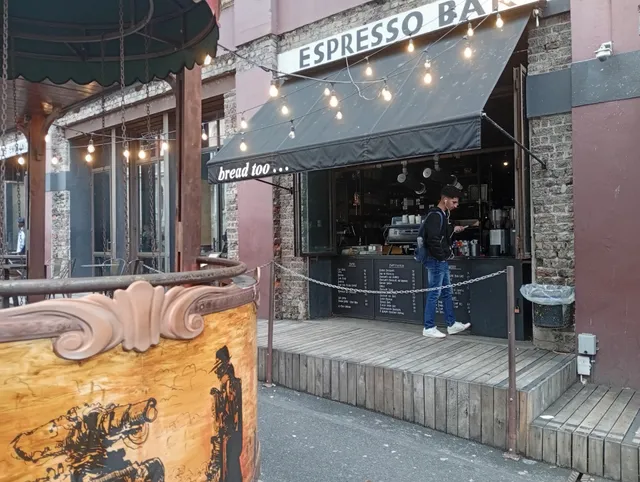
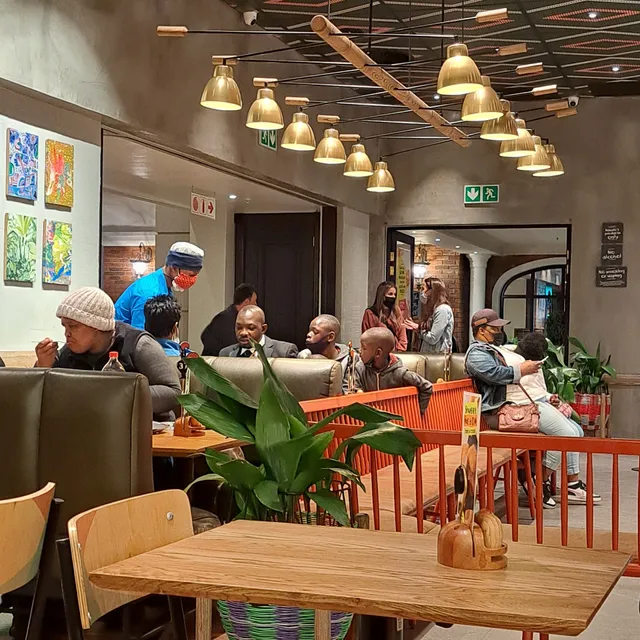
☕ Good café with friendly staff and outdoor seating; local food and wildlife nearby
🛍️ Gift shop is overpriced but offers quality books, clothing, and standard souvenirs
⏱️ Allow 1–2 hours to visit fully
🙏 A sobering, essential experience that powerfully portrays South Africa’s long struggle for freedom
⸻
Full Review
The Apartheid Museum is a striking and modern site that powerfully documents one of the darkest yet most defining periods in South African history.
Located in Ormonde, Johannesburg, beside Gold Reef City, the area is relatively safe for tourists — especially during the day. While Johannesburg does have a reputation for crime, this particular location is well policed and well maintained. It’s accessible by car, taxi, bus, or tour, and at no point did I feel unsafe. I wouldn’t say there are zero risks — as with any large city, awareness is important — but tourist-related crime here is very low.
If you drive, there’s ample, clearly marked parking only a short walk from the entrance. Ticketing is straightforward, with friendly staff who all speak fluent English, and prices are reasonable.
From the very beginning, the museum immerses you in the ideology of segregation that defined apartheid. The entrance itself symbolically separates visitors by race — an immediate and sobering reminder of the injustice at the system’s core. From there, the exhibits guide you chronologically through apartheid’s origins, enforcement, resistance, and eventual dismantling.
The displays are rich and varied, using a mix of artefacts, documents, photographs, films, and oral histories to tell the story. The presentation is impactful and emotional, with several areas that are genuinely moving. Many visitors — myself included — found certain sections deeply affecting, with some visibly in tears.
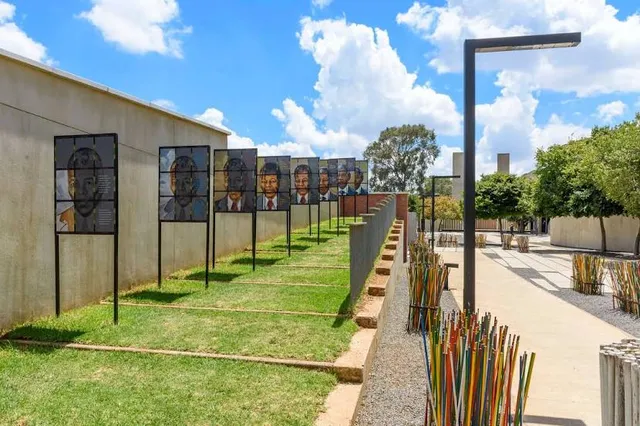
The layout can be a little confusing, so make sure to follow the large black vertical signs to avoid missing key parts of the exhibition. Most of the museum is indoors, though there are a few outdoor installations, a small garden area, and a café with outside seating. If it rains, it won’t impact the experience, as the majority of the exhibits are housed inside.
The café, though modest in appearance, serves good coffee and light snacks. The staff are friendly and happy to chat — one told me about the locally sourced food and the wildlife around the site, sparked by a conversation about weaver birds nesting above the café seating area.
The gift shop is perhaps the weakest part of the experience — it’s expensive, but it does stock a good range of high-quality books, clothing, and South African-themed accessories, alongside the usual souvenirs.
Overall, the Apartheid Museum is a must-visit. It’s emotional, educational, and unforgettable. You can easily spend one to two hours here, though you might linger longer if you want to take everything in.
It’s a sobering reminder of how far South Africa has come — and a testament to the resilience, pain, and triumph of those who fought...
Read moreThe Apartheid Museum in Johannesburg is a profound and sobering experience that provides a deep insight into South Africa’s tumultuous history during the apartheid era. Opened in 2001, the museum is dedicated to educating visitors about the policies of racial segregation and the ongoing struggle for equality in South Africa.
The museum's layout is thoughtfully organized, guiding visitors through chronological displays that depict the rise and fall of apartheid. From the initial policies of racial segregation in the early 20th century to the eventual liberation and democratic elections in the 1990s, each exhibit is well-researched and informative. The use of multimedia presentations, artifacts, photographs, and personal narratives enhances the storytelling aspect, making the historical events more tangible and relatable. Particularly moving are the personal stories shared throughout the museum, which humanize the broader historical context. The audio-visual installations and documentary footage provide further depth, immersing visitors in the emotional weight of the experiences faced by those who lived under apartheid.
The architectural design of the museum is both striking and symbolic, using space effectively to reflect the themes of exclusion and confinement characteristic of that era. Dark corridors lead to well-lit galleries, creating a stark contrast that resonates with the country’s past, provoking reflection and dialogue. Every aspect of the museum, from the exhibits to the overall aesthetic, is intended to evoke a sense of both mourning and hope.
The Apartheid Museum serves not only as a reminder of South Africa's complex history but also as a crucial educational resource for both locals and international visitors. It encourages discussions about race, equality, and the importance of human rights. To truly appreciate the significance of the exhibits, it is recommended to take a guided tour, as knowledgeable guides provide invaluable context and facilitate thoughtful conversations around the topics presented.
The museum's location in Johannesburg makes it easily accessible, and the staff are friendly and welcoming. There are also facilities such as a café and a gift shop, allowing visitors to reflect on their experience over a cup of coffee and perhaps take home a piece of the museum's informative materials.
In conclusion, the Apartheid Museum is a must-visit for anyone seeking to understand the complexities of South Africa’s past. It is an emotional journey that elicits both a sense of loss and a call to action for progress and inclusivity. The museum not only honors the lives affected by apartheid but also serves as a reminder of the ongoing fight for equality and justice worldwide. Whether you are a local or a tourist, the Apartheid Museum is an essential stop that will leave a...
Read moreThe Apartheid Museum in Ormonde, Johannesburg, remains an extraordinary and essential experience, a powerful testament to South Africa's complex and transformative history. Each visit reveals new layers of depth and significance, and today's experience was particularly impactful.
From the moment you step through its doors, the museum immerses you in the harsh realities of apartheid, using a diverse and impactful array of exhibits, photographs, artifacts, and compelling audiovisual presentations. It's a journey that doesn't just inform, but profoundly moves you, fostering a deep understanding of the immense impact apartheid had on individuals and society. The narrative unfolds with a poignant clarity, tracing the origins of this oppressive system to its eventual dismantling, illuminating the struggles, sacrifices, and ultimate triumphs that shaped the nation.
What truly elevates the Apartheid Museum is its unwavering commitment to education, understanding, tolerance, and reconciliation. It doesn't shy away from the pain, but instead, transforms it into a powerful lesson in human resilience and the collective power of resistance. By highlighting the roles of individuals, organizations, and the international community in the struggle against apartheid, the museum inspires hope and reinforces the ongoing pursuit of justice and equality.
However, today's visit was particularly exceptional, thanks to the insightful and engaging guided tour led by Mduduzi, a dedicated staff member. Despite having visited the museum multiple times, Mduduzi's passionate and knowledgeable presentation brought the exhibits to life in a new and profoundly moving way. He didn't just recite facts; he connected with us, weaving personal stories and historical context into a vibrant and unforgettable experience. His ability to make the history feel immediate and relevant transformed what could have been a familiar visit into a truly dynamic and emotionally resonant journey.
Mduduzi's contribution highlighted the crucial role of passionate individuals in preserving and sharing this vital history.
For anyone seeking an immersive and thought-provoking encounter with South Africa's past, the Apartheid Museum is an absolute must-visit. And if you're fortunate enough to experience a tour with Mduduzi, you'll discover a new dimension to this already powerful museum, leaving you enriched with knowledge and a renewed appreciation for the enduring struggle for justice...
Read more