Palacio de los Olvidados things to do, attractions, restaurants, events info and trip planning
Basic Info
Palacio de los Olvidados
Cta. de Sta. Inés, 6, Albaicín, 18010 Granada, Spain
4.4(713)
Open until 7:00 PM


tickets
Save
spot
spot
Ratings & Description
Info
Cultural
Accessibility
Family friendly
attractions: Mirador Placeta de Carvajales, Hammam Al Ándalus, El Bañuelo, Mirador de San Nicolás, Patio de los Perfumes, Casa de Zafra y Centro de Interpretación del Albaicín, Tablao Flamenco Casa Ana Granada, Iglesia de San Gil y Santa Ana, Mirador de la Churra, Nasrid Palaces, restaurants: Bar Minotauro - Café y Tapas, La Tabernilla del Darro, Ossobuco Ristorante Granada, Negro Carbón Albayzín, Café 4 Gatos, Efecto Club, El Trillo Restaurante Granada, Huerto del Loro, Restaurante Carmen El Agua, Bar los diamantes, local businesses: Palacio Flamenco Granada, Mirador Placeta de Carvajales, Casa de Zafra, Taberna La Bienpagá, Carrera del Darro, Nuba Andalusí, Nasrid Palaces, Alcazaba, Granada Travel Center, Mercado arabe
 Learn more insights from Wanderboat AI.
Phone
+34 958 10 08 40
Website
palaciodelosolvidados.es
Open hoursSee all hours
Sun10:30 AM - 7 PMOpen
Plan your stay

Pet-friendly Hotels in Granada
Find a cozy hotel nearby and make it a full experience.

Affordable Hotels in Granada
Find a cozy hotel nearby and make it a full experience.

The Coolest Hotels You Haven't Heard Of (Yet)
Find a cozy hotel nearby and make it a full experience.

Trending Stays Worth the Hype in Granada
Find a cozy hotel nearby and make it a full experience.
Reviews
Live events
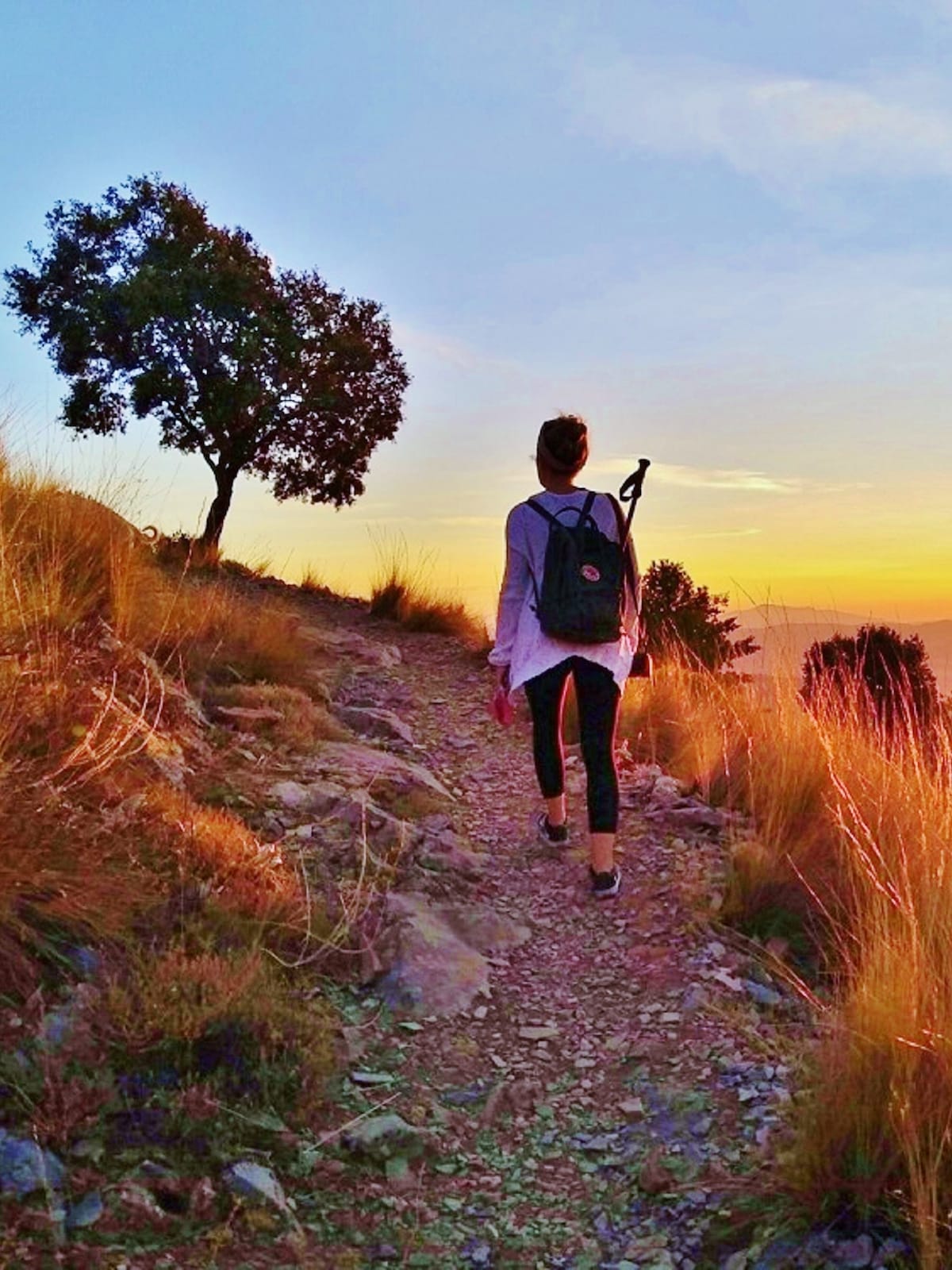
Sunset Hike & Summit Sierra Nevada with pup
Sun, Feb 8 • 4:45 PM
18008, Granada, Andalusia, Spain
View details

Valentine’s cocktail Workshop
Sat, Feb 14 • 5:00 PM
1 Calle Nueva del Santísimo 18001 Granada
View details
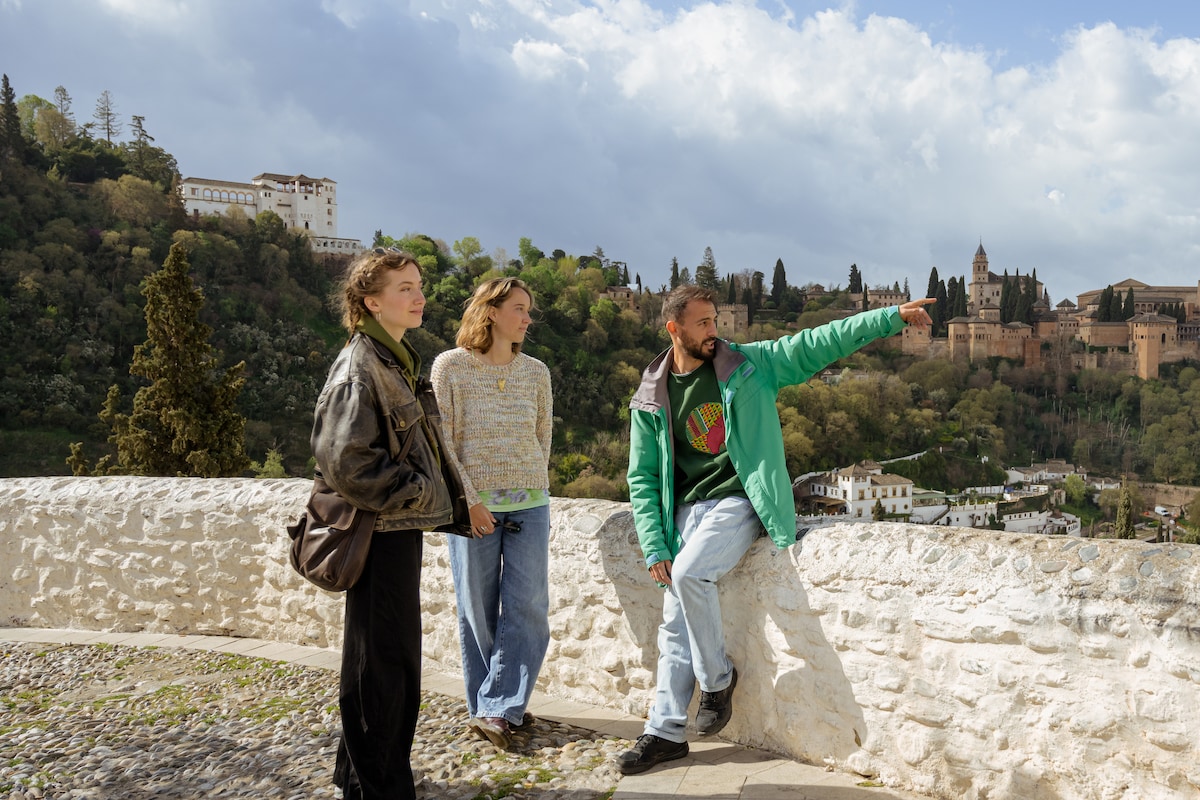
Tour the Albaicín and Sacromonte
Mon, Feb 9 • 9:00 AM
18010, Granada, Andalusia, Spain
View details
Nearby attractions of Palacio de los Olvidados
Mirador Placeta de Carvajales
Hammam Al Ándalus
El Bañuelo
Mirador de San Nicolás
Patio de los Perfumes
Casa de Zafra y Centro de Interpretación del Albaicín
Tablao Flamenco Casa Ana Granada
Iglesia de San Gil y Santa Ana
Mirador de la Churra
Nasrid Palaces
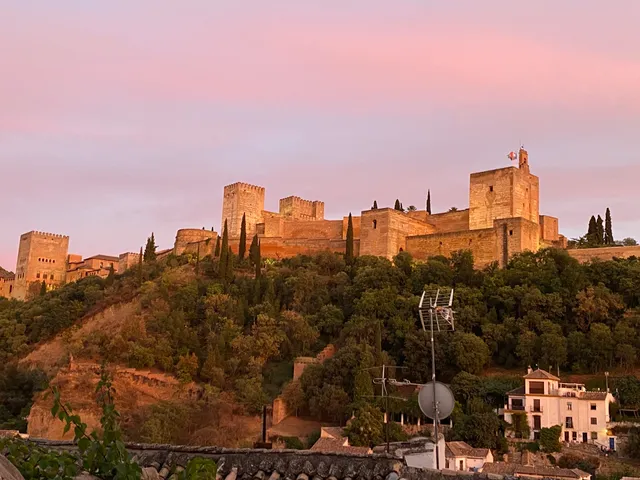
Mirador Placeta de Carvajales
4.7
(1.9K)
Open until 12:00 AM
Click for details
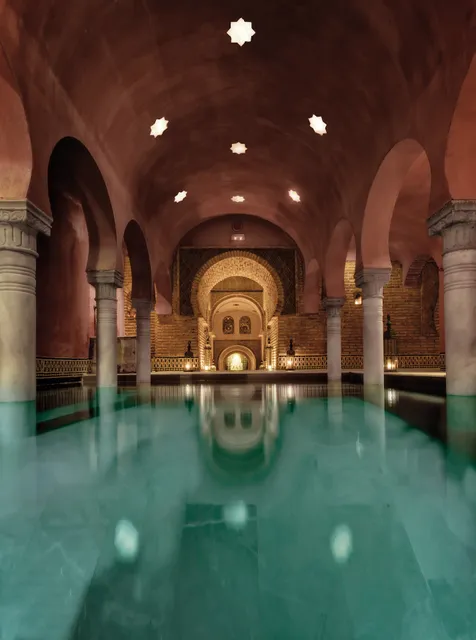
Hammam Al Ándalus
4.6
(2.5K)
Open until 12:00 AM
Click for details
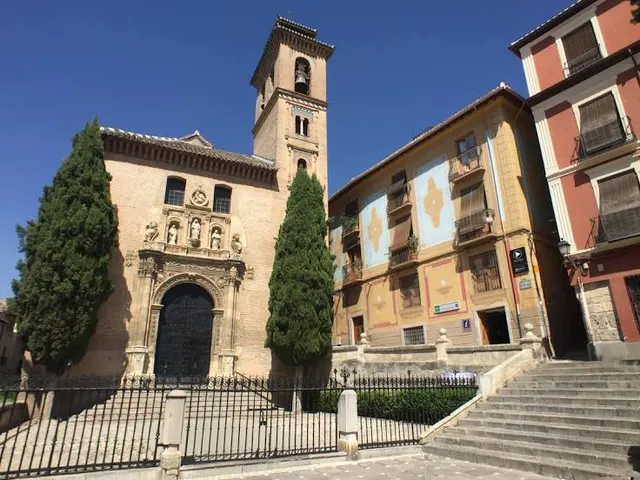
El Bañuelo
4.2
(1.3K)
Open 24 hours
Click for details

Mirador de San Nicolás
4.7
(26.1K)
Open until 12:00 AM
Click for details
Nearby restaurants of Palacio de los Olvidados
Bar Minotauro - Café y Tapas
La Tabernilla del Darro
Ossobuco Ristorante Granada
Negro Carbón Albayzín
Café 4 Gatos
Efecto Club
El Trillo Restaurante Granada
Huerto del Loro
Restaurante Carmen El Agua
Bar los diamantes
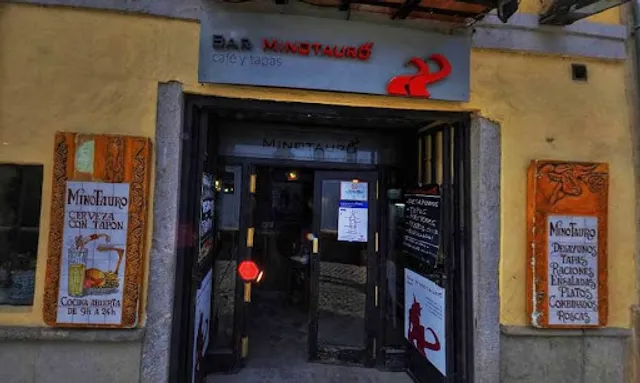
Bar Minotauro - Café y Tapas
4.4
(981)
Open until 12:00 AM
Click for details
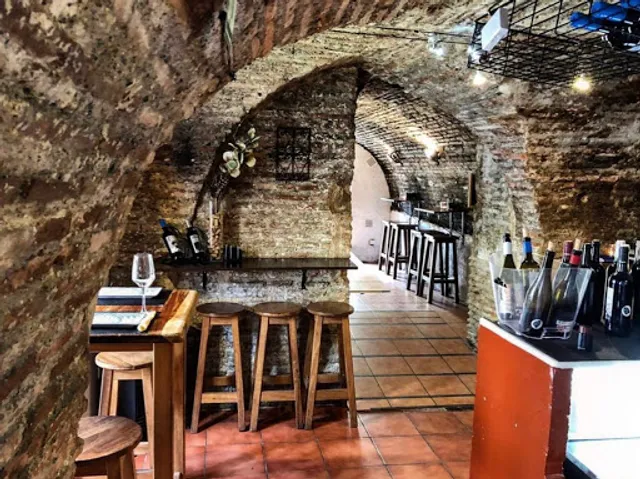
La Tabernilla del Darro
4.3
(1.1K)
Open until 1:00 AM
Click for details
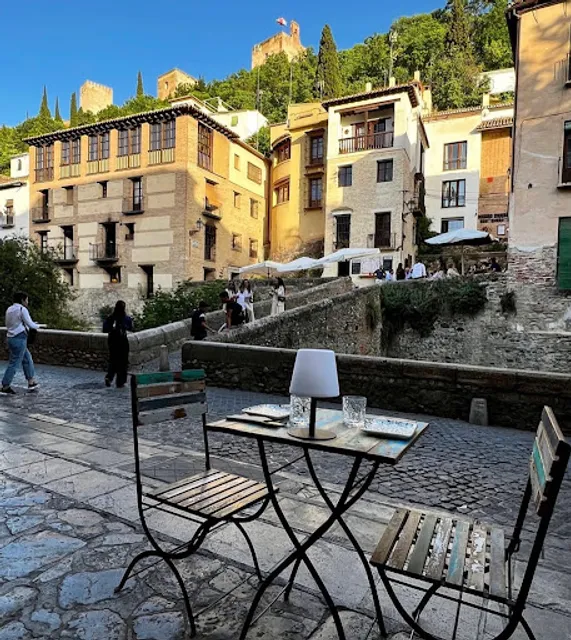
Ossobuco Ristorante Granada
4.4
(561)
Open until 11:00 PM
Click for details
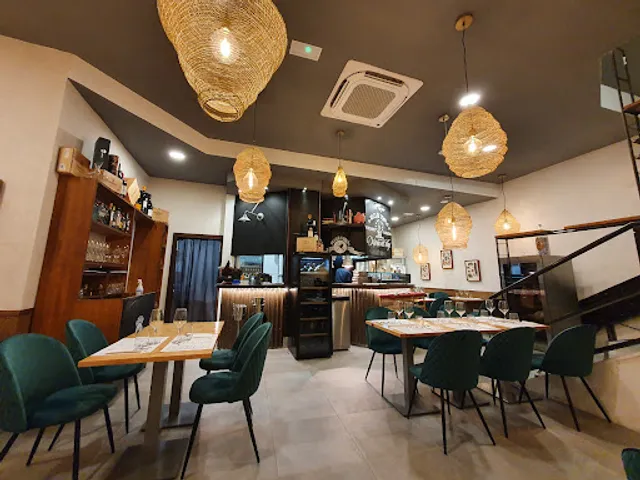
Negro Carbón Albayzín
4.4
(847)
$$
Open until 4:00 PM
Click for details
Nearby local services of Palacio de los Olvidados
Palacio Flamenco Granada
Mirador Placeta de Carvajales
Casa de Zafra
Taberna La Bienpagá
Carrera del Darro
Nuba Andalusí
Nasrid Palaces
Alcazaba
Granada Travel Center
Mercado arabe

Palacio Flamenco Granada
4.9
(1.0K)
Click for details
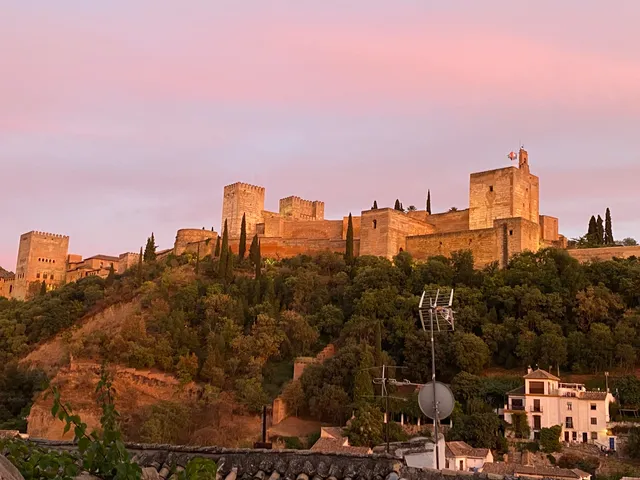
Mirador Placeta de Carvajales
4.7
(1.7K)
Click for details
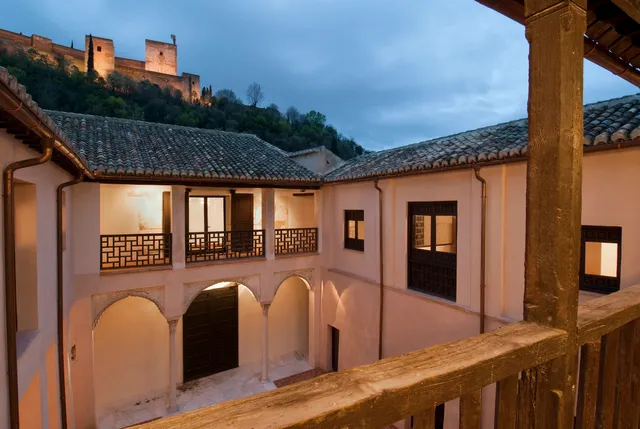
Casa de Zafra
4.1
(563)
Click for details
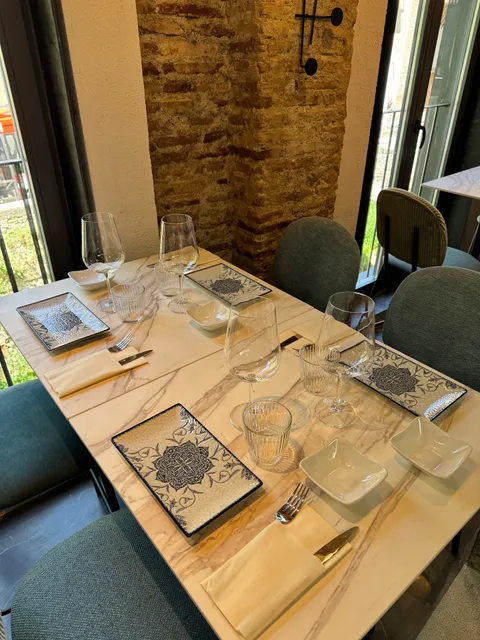
Taberna La Bienpagá
4.7
(200)
Click for details