National Museum of Roman Art things to do, attractions, restaurants, events info and trip planning
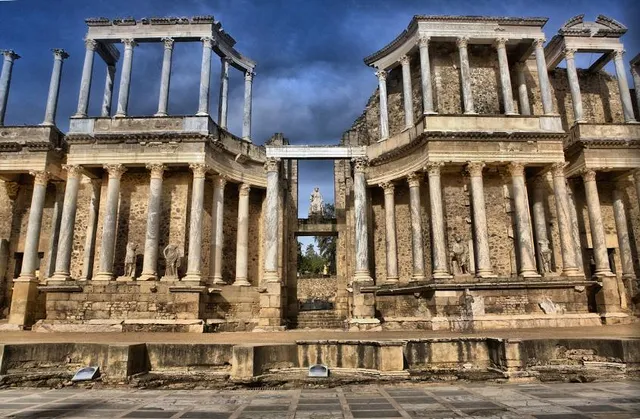
Basic Info
National Museum of Roman Art
C/ José Ramón Mélida, s/n, 06800 Mérida, Badajoz, Spain
4.7(2.8K)
Open until 12:00 AM

tickets
Save
spot
spot
Ratings & Description
Info
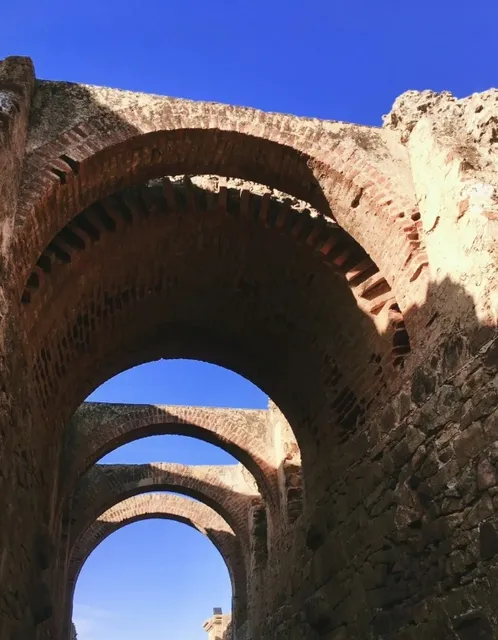
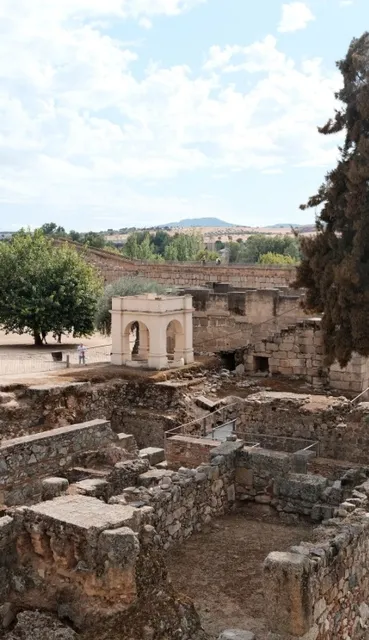
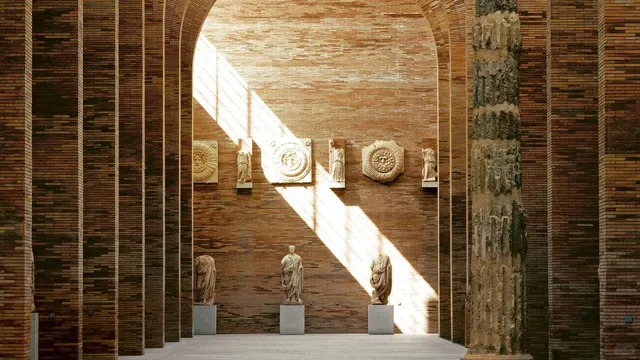
The National Museum of Roman Art is an archaeology museum located in Mérida, Spain. Devoted to Roman art, it exhibits extensive material from the archaeological ensemble of Mérida, one of the largest and most extensive archaeological sites in Spain, registered as UNESCO World Heritage Site in 1993.
Cultural
Accessibility
attractions: Teatro Romano de Mérida, Tourist Office Teatro Romano Merida, Ruinas Romanas de Mérida, Casa Romana del Anfiteatro, Roman Amphitheater of Mérida, Temple of Diana, Termas Romanas de Mérida, Pórtico del Foro Municipal de Augusta Emérita, Termas Públicas Romanas, Open Merida Museum (MAM), restaurants: scamas, Serendipity, Restaurante Olimpo, Las 7 Sillas, Restaurante La Casona, Restaurante El Puchero de la Nieta, El Escondite Café, Shangri-La el vegetariano, Restaurante Mesón El Alfarero, Mesón - Tienda El Yantar Mérida, local businesses: MITHRA, Temple of Diana, Taller de Artesania y Cerámica Terracota Mérida Extremadura, Supermercado Spar Mérida, altea artesania romana y decoración, Plantiber, Joyería Gallardo S, Más Que Churros, HR Informática, Basilica of Santa Eulalia
 Learn more insights from Wanderboat AI.
Phone
+34 924 31 16 90
Website
museoarteromano.es
Open hoursSee all hours
Tue9:30 a.m. - 8 p.m.Open
Plan your stay

Pet-friendly Hotels in Mérida
Find a cozy hotel nearby and make it a full experience.

Affordable Hotels in Mérida
Find a cozy hotel nearby and make it a full experience.

The Coolest Hotels You Haven't Heard Of (Yet)
Find a cozy hotel nearby and make it a full experience.

Trending Stays Worth the Hype in Mérida
Find a cozy hotel nearby and make it a full experience.
Reviews
Nearby attractions of National Museum of Roman Art
Teatro Romano de Mérida
Tourist Office Teatro Romano Merida
Ruinas Romanas de Mérida
Casa Romana del Anfiteatro
Roman Amphitheater of Mérida
Temple of Diana
Termas Romanas de Mérida
Pórtico del Foro Municipal de Augusta Emérita
Termas Públicas Romanas
Open Merida Museum (MAM)
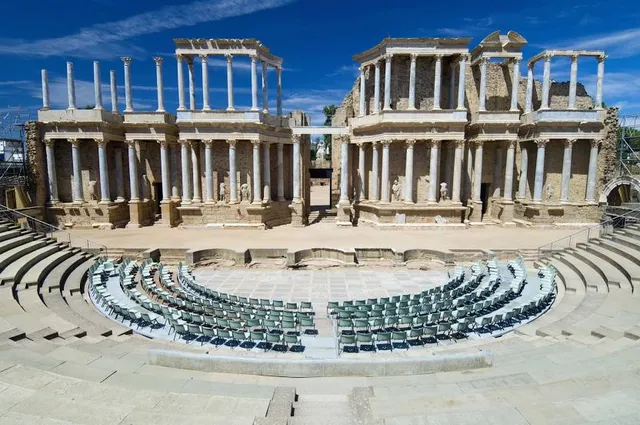
Teatro Romano de Mérida
4.8
(16K)
Closed
Click for details
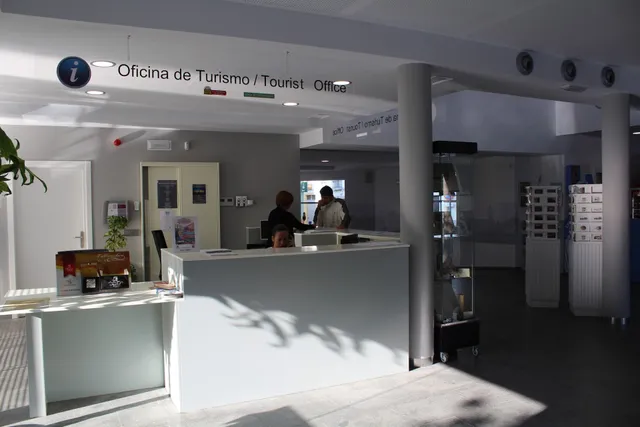
Tourist Office Teatro Romano Merida
4.1
(220)
Closed
Click for details
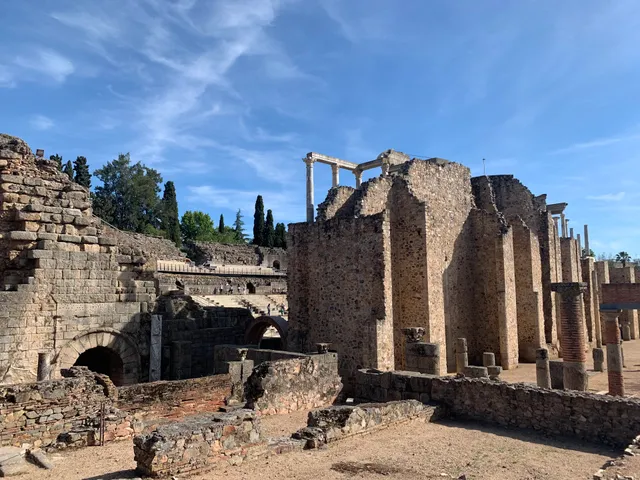
Ruinas Romanas de Mérida
4.7
(152)
Open until 12:00 AM
Click for details
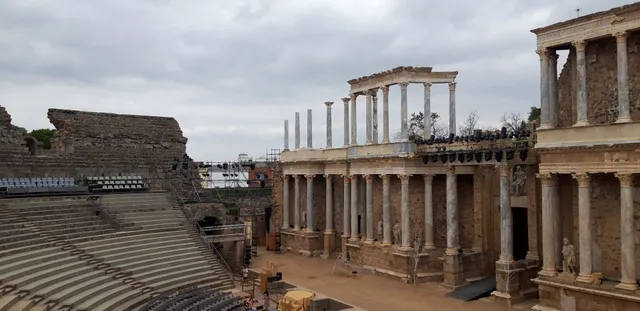
Casa Romana del Anfiteatro
4.7
(228)
Closed
Click for details
Nearby restaurants of National Museum of Roman Art
scamas
Serendipity
Restaurante Olimpo
Las 7 Sillas
Restaurante La Casona
Restaurante El Puchero de la Nieta
El Escondite Café
Shangri-La el vegetariano
Restaurante Mesón El Alfarero
Mesón - Tienda El Yantar Mérida
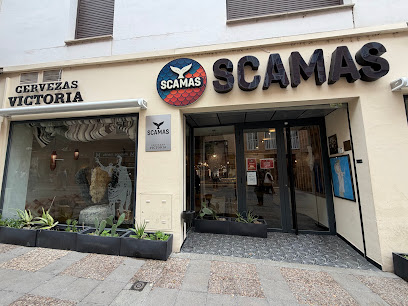
scamas
4.1
(38)
$$
Open until 12:00 AM
Click for details

Serendipity
4.2
(952)
$
Closed
Click for details
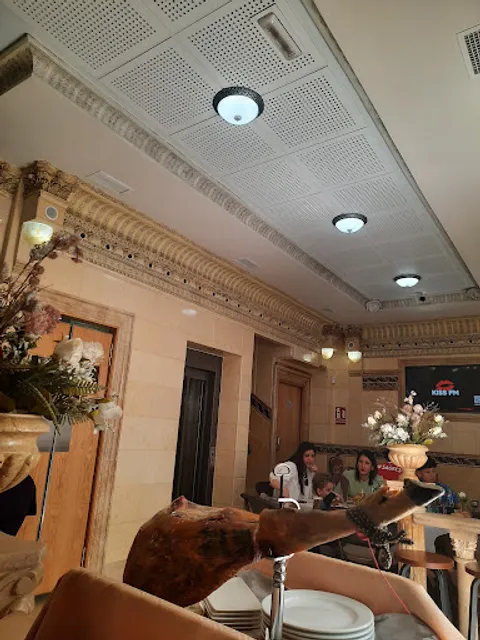
Restaurante Olimpo
4.2
(472)
$
Click for details

Las 7 Sillas
4.0
(503)
Open until 12:00 AM
Click for details
Nearby local services of National Museum of Roman Art
MITHRA
Temple of Diana
Taller de Artesania y Cerámica Terracota Mérida Extremadura
Supermercado Spar Mérida
altea artesania romana y decoración
Plantiber
Joyería Gallardo S
Más Que Churros
HR Informática
Basilica of Santa Eulalia
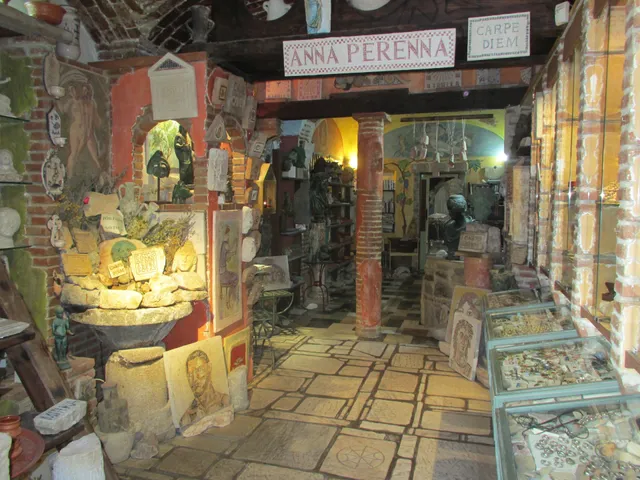
MITHRA
3.4
(92)
Click for details
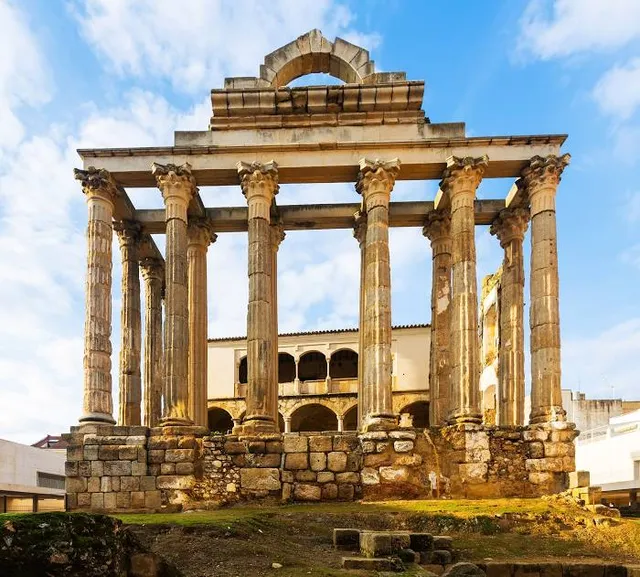
Temple of Diana
4.6
(5.6K)
Click for details
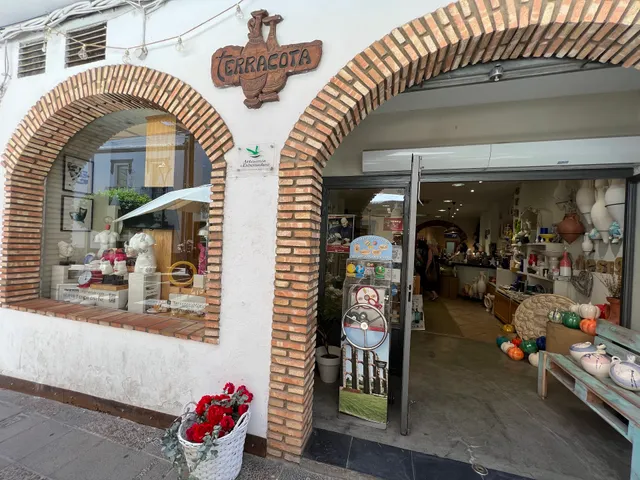
Taller de Artesania y Cerámica Terracota Mérida Extremadura
4.7
(101)
Click for details

Supermercado Spar Mérida
4.0
(80)
Click for details