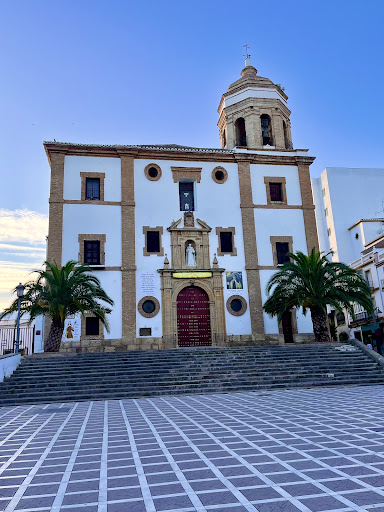
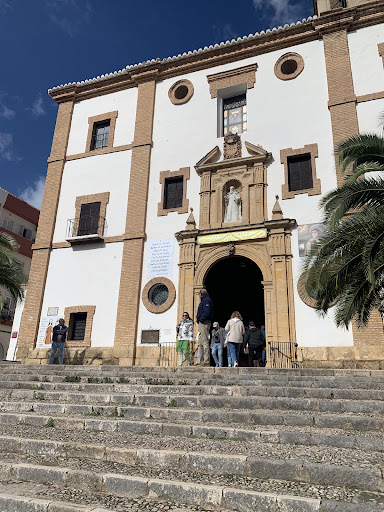
Church of Our Lady of Mercy Ronda things to do, attractions, restaurants, events info and trip planning
Basic Info
Church of Our Lady of Mercy Ronda
C. Carlos Cobo Gómez, 2, 29400 Ronda, Málaga, Spain
4.5(205)
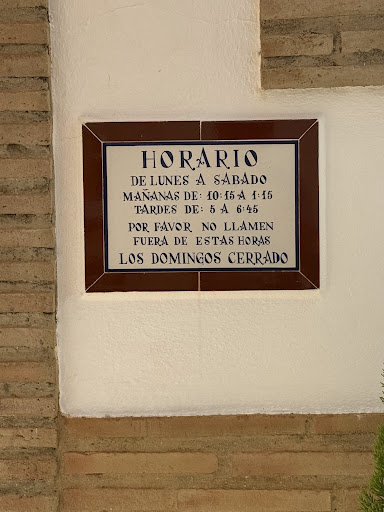
Open 24 hours
Save
spot
spot
Ratings & Description
Info
Cultural
Scenic
Family friendly
Accessibility
attractions: Alameda del Tajo, Bullring of the Royal Cavalry of Ronda, Centro de Interpretación del Puente Nuevo, Mirador de Ronda, El Tajo de Ronda, Ronda spain, Museo Taurino De La Real Maestranza De Caballería De Ronda, Paseo de Blas Infante, Puente Nuevo Viewpoint, Mirador de Aldehuela, restaurants: Entre Vinos, Restaurante Casa Mateos, Restaurante Japonés - MIYAGI EXPRESS SUSHI BAR, Cafe Colon, Taberna la Merced, Restaurante A tu Vera, Restaurante: Las Castañuelas, Restaurante Las Maravillas, Restaurante Pizzería Michelangelo, LEOCADIO La Casa del Jamón Ronda, local businesses: MASKOM SUPERMERCADOS, Goyesco, Kiosko Equis 24, Confitería Vanessa, ClínicaPC Informática, Sumay Cacao – Tienda de Cacao Ceremonial, Dulcis Ronda, Electro hogar Cristino, Galerias Madrid, Fix Ronda
 Learn more insights from Wanderboat AI.
Phone
+34 952 87 29 65
Plan your stay

Pet-friendly Hotels in Ronda
Find a cozy hotel nearby and make it a full experience.

Affordable Hotels in Ronda
Find a cozy hotel nearby and make it a full experience.

The Coolest Hotels You Haven't Heard Of (Yet)
Find a cozy hotel nearby and make it a full experience.

Trending Stays Worth the Hype in Ronda
Find a cozy hotel nearby and make it a full experience.
Reviews
Live events

Climb the Tajo de Ronda
Thu, Jan 29 • 9:45 AM
29400, Ronda, Andalusia, Spain
View details
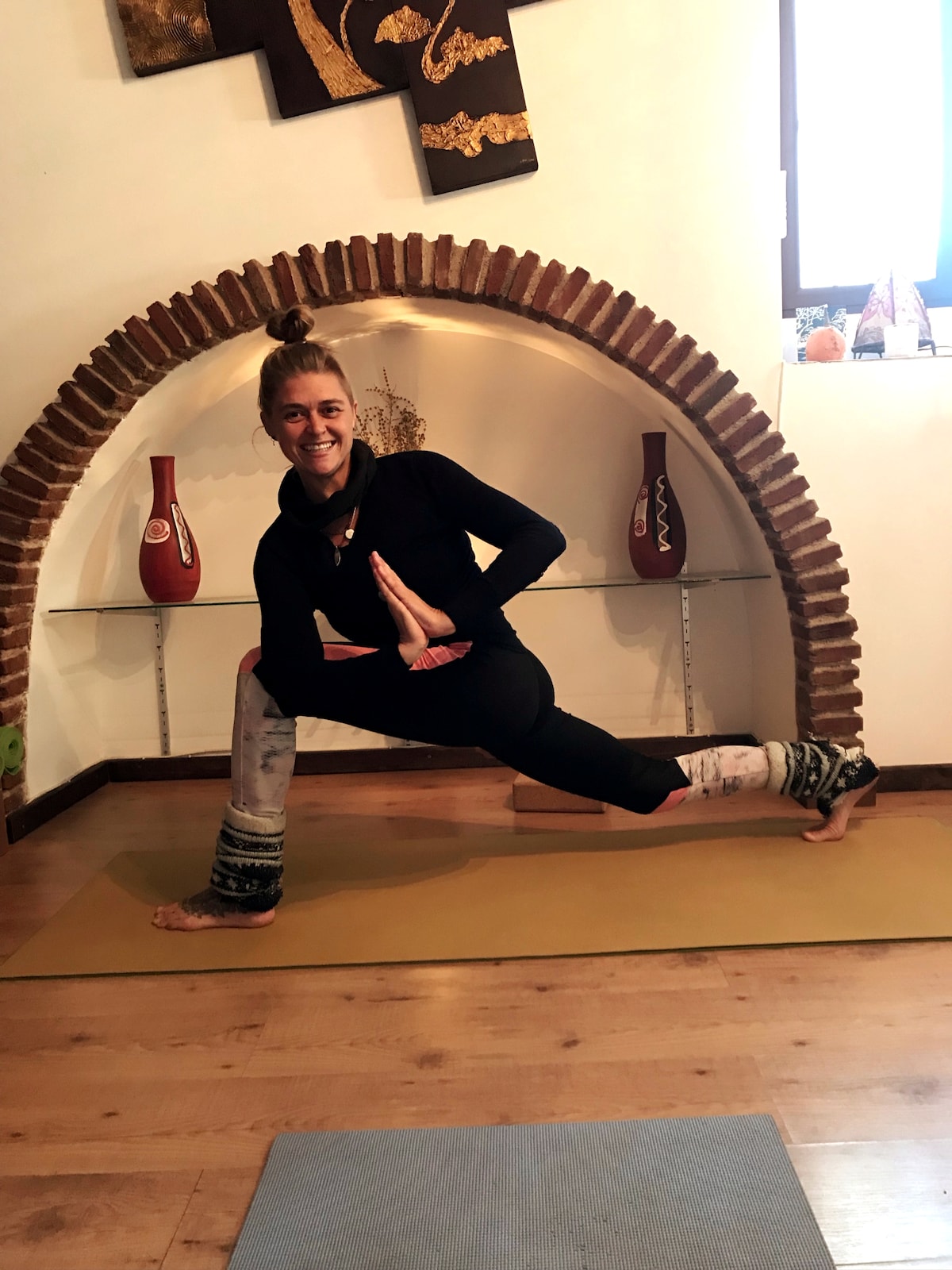
Practice vinyasa flow yoga
Sat, Jan 31 • 11:30 AM
11680, Algodonales, Andalusia, Spain
View details
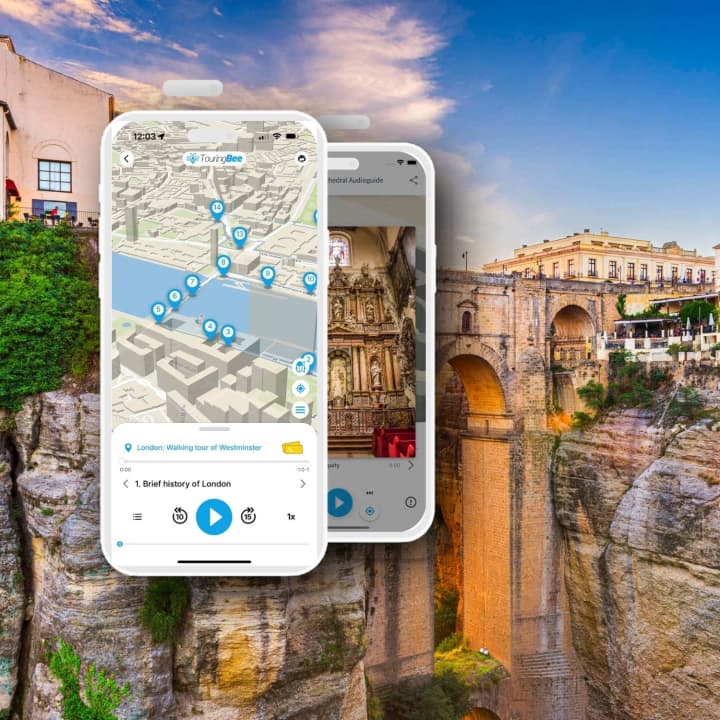
Ronda: Visita a la ciudad con Audioguía en la App Móvil
Thu, Jan 1 • 12:00 AM
Ronda, 29400
View details
Nearby attractions of Church of Our Lady of Mercy Ronda
Alameda del Tajo
Bullring of the Royal Cavalry of Ronda
Centro de Interpretación del Puente Nuevo
Mirador de Ronda
El Tajo de Ronda
Ronda spain
Museo Taurino De La Real Maestranza De Caballería De Ronda
Paseo de Blas Infante
Puente Nuevo Viewpoint
Mirador de Aldehuela
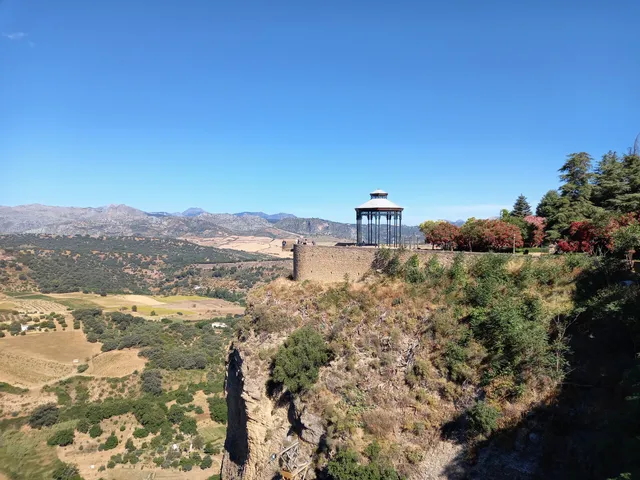
Alameda del Tajo
4.7
(2.1K)
Open until 10:00 PM
Click for details
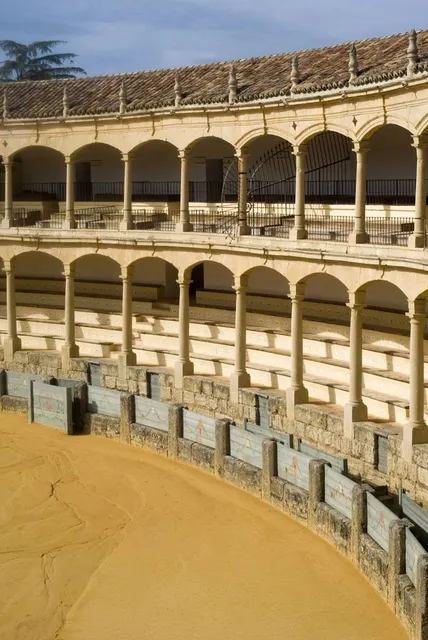
Bullring of the Royal Cavalry of Ronda
4.5
(995)
Open until 6:00 PM
Click for details
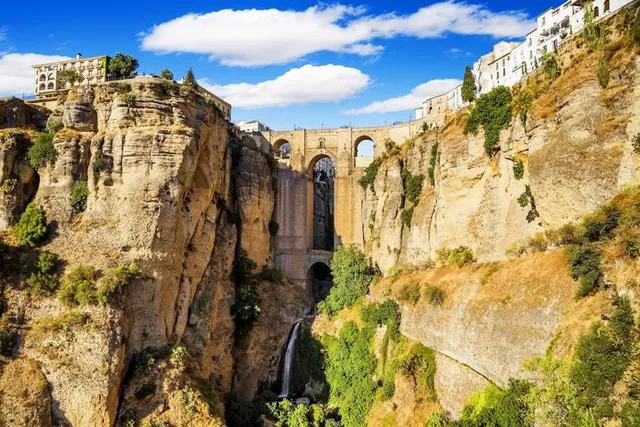
Centro de Interpretación del Puente Nuevo
4.7
(12.7K)
Open until 6:00 PM
Click for details
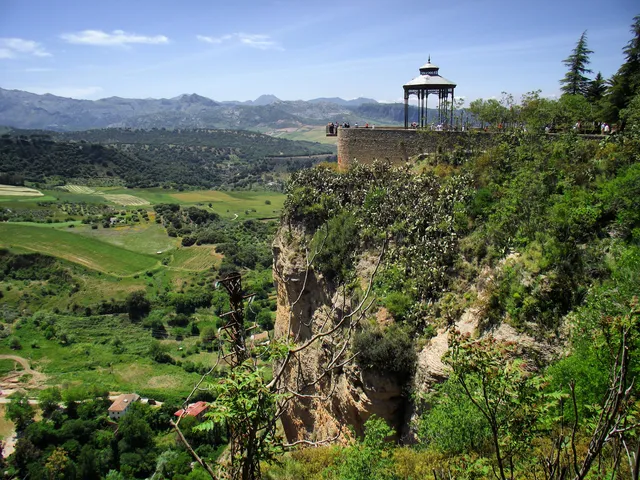
Mirador de Ronda
4.8
(1.3K)
Open until 12:00 AM
Click for details
Nearby restaurants of Church of Our Lady of Mercy Ronda
Entre Vinos
Restaurante Casa Mateos
Restaurante Japonés - MIYAGI EXPRESS SUSHI BAR
Cafe Colon
Taberna la Merced
Restaurante A tu Vera
Restaurante: Las Castañuelas
Restaurante Las Maravillas
Restaurante Pizzería Michelangelo
LEOCADIO La Casa del Jamón Ronda
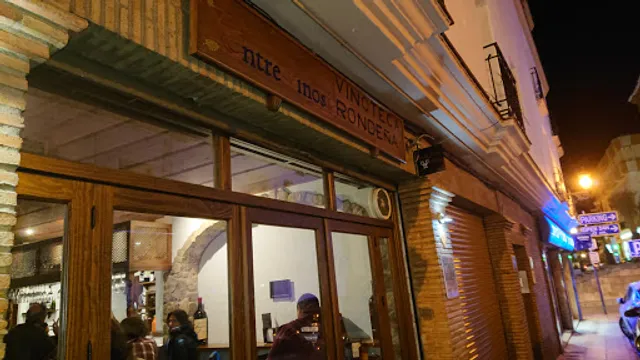
Entre Vinos
4.6
(503)
Open until 4:30 PM
Click for details
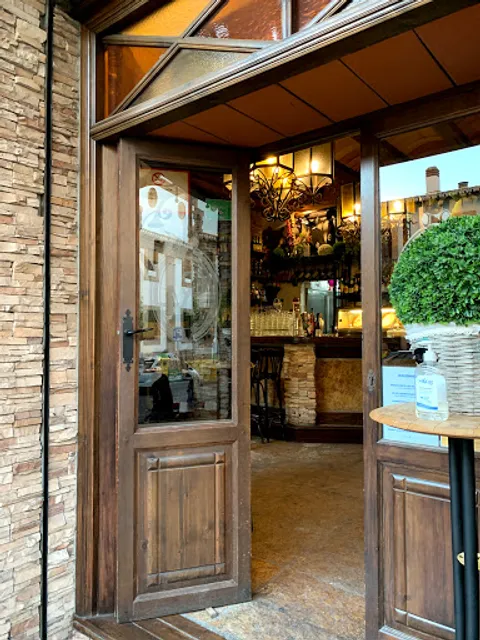
Restaurante Casa Mateos
4.5
(636)
Closed
Click for details
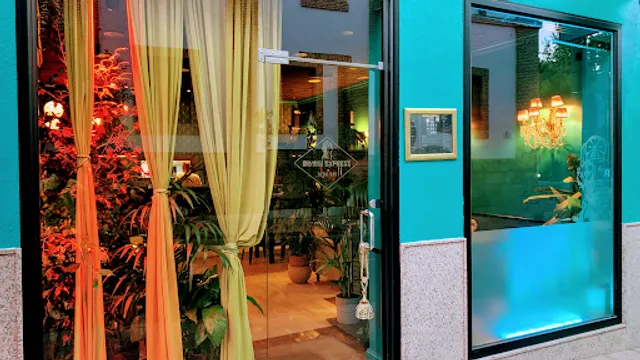
Restaurante Japonés - MIYAGI EXPRESS SUSHI BAR
4.8
(285)
Open until 12:00 AM
Click for details
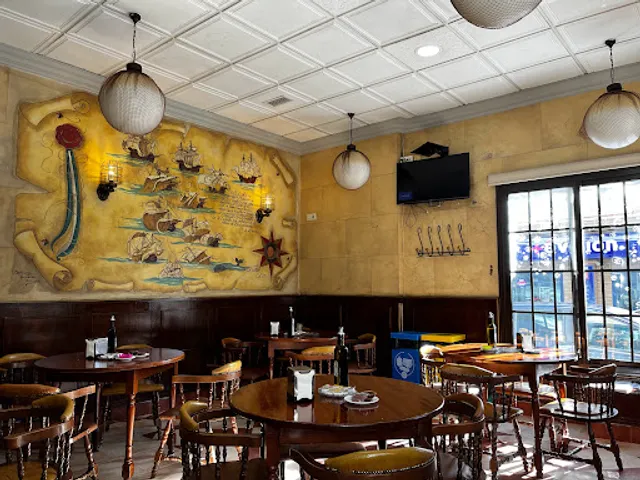
Cafe Colon
4.3
(294)
Open until 8:00 PM
Click for details
Nearby local services of Church of Our Lady of Mercy Ronda
MASKOM SUPERMERCADOS
Goyesco
Kiosko Equis 24
Confitería Vanessa
ClínicaPC Informática
Sumay Cacao – Tienda de Cacao Ceremonial
Dulcis Ronda
Electro hogar Cristino
Galerias Madrid
Fix Ronda
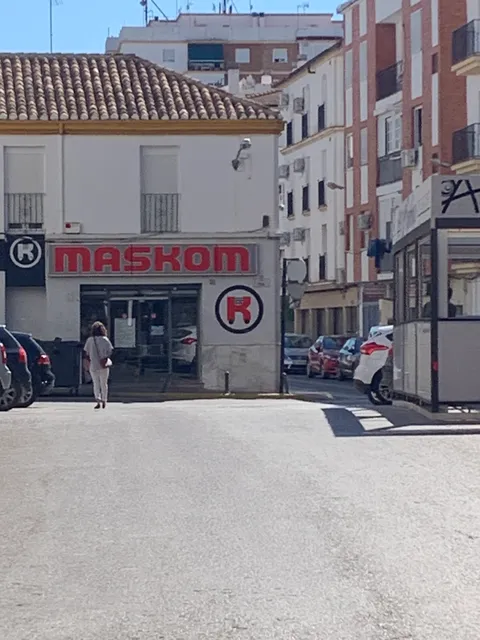
MASKOM SUPERMERCADOS
4.1
(198)
Click for details

Goyesco
5.0
(24)
Click for details
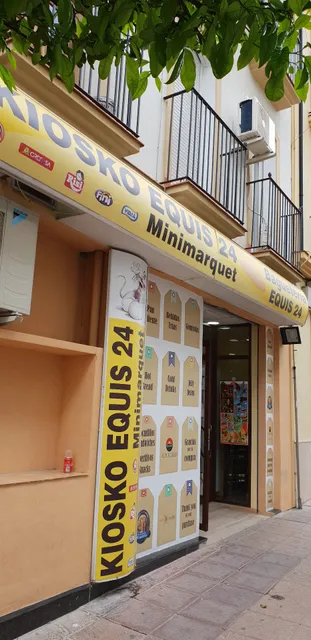
Kiosko Equis 24
4.1
(45)
Click for details
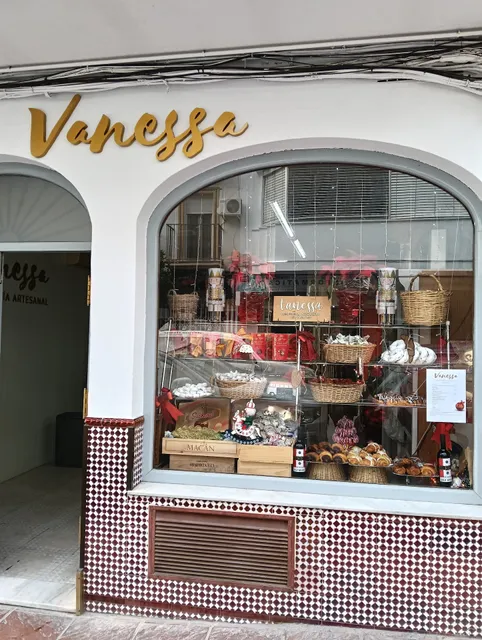
Confitería Vanessa
4.8
(71)
Click for details