.
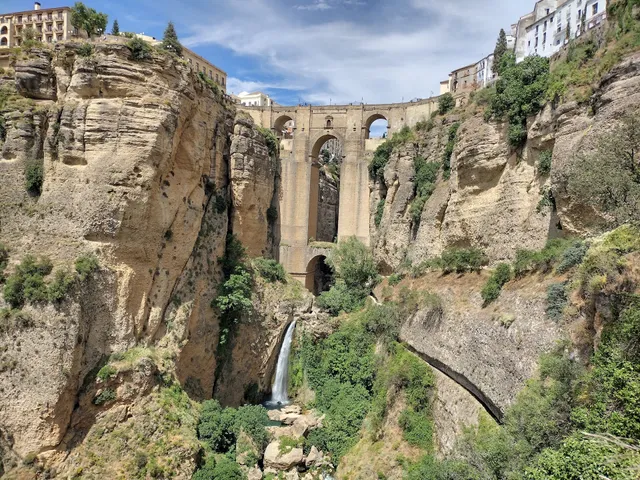
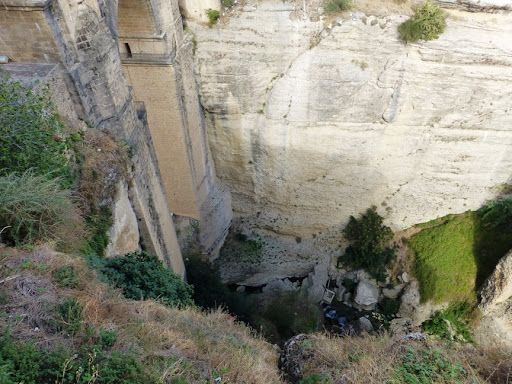
A suggested non-tourist walk to see the Tajo and the Río Guadalevín . The Tajo in Ronda - the deep gorge splitting the town in two - is not to be confused with the River Tagus, also called Tajo in Spanish.
The river flowing through the Ronda Tajo gorge is the Río Guadalevín. My photos show an unusual view of it: in flood! Another photo shows it in springtime, just as it leaves the gorge, flowing through a field of poppies.
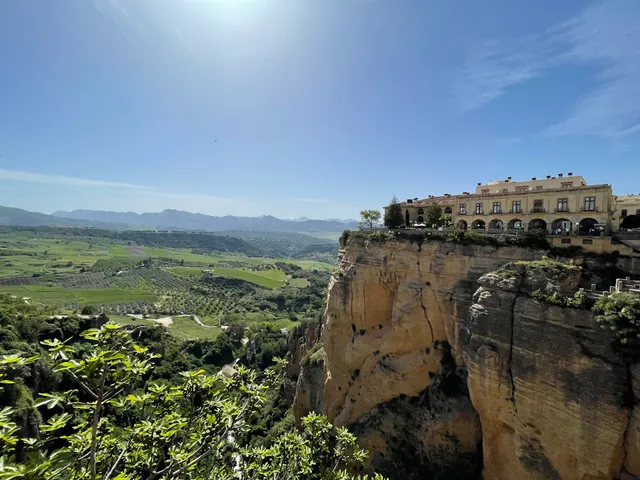
To get a good view of the gorge, go along the little (public) path that goes beside and behind the Ronda Parador. There is no charge for this. Then cross the famous Puente Nuevo bridge to the observation platform on the other side of the road; from there you can get another breath-taking (or heartstopping if you are nervous) view.
Then, take a walk where fewer tourists tend to go. You'll probably find the Puente Nuevo area jam-packed with Japanese groups.
This walk will take about 45 minutes in all.
From the observation platform, turn left down the main street. The pavement is quite narrow - take care. Walk for about 150 metres until you come to a wide-mouthed turning on the left which has on the right-hand side a very old square brick tower. This is the Alminar de San Sebastián; it is a former minaret for calling the faithful of Ronda to prayer to Allah. You can see the horseshoe arch to its door.
Ronda was conquered by the Arabs in 713, and re-conquered by Isabel and Fernando in 1485, so it had more than 750 years of Muslim rule - and religion.
Continue down this road – where the road forks, take the right-hand fork, moving down towards the river. Half way down, you come to a handsome building on the right; this is the Palacio del Marqués de Salvatierra - the Palace of the Marquess. He made his fortune in the Indies, and you can see above the balcony 4 figures of Andean Indies holding up the house.
From the viewpoint in front of this palace you can look down over the Río Guadalevín. This is the Puente Viejo, the Old Bridge, built 1616; sometimes called the Puente Arabe because it has the Arab baths nearby. These Baños Arabes can also be glimpsed across the river.
Walking down round the hairpin bend towards the Puente Viejo, you come to an archway, the Arco Felipe V; the Baños Arabes can again be seen below on your right. Looking back up through the Arch you can see the old city walls.
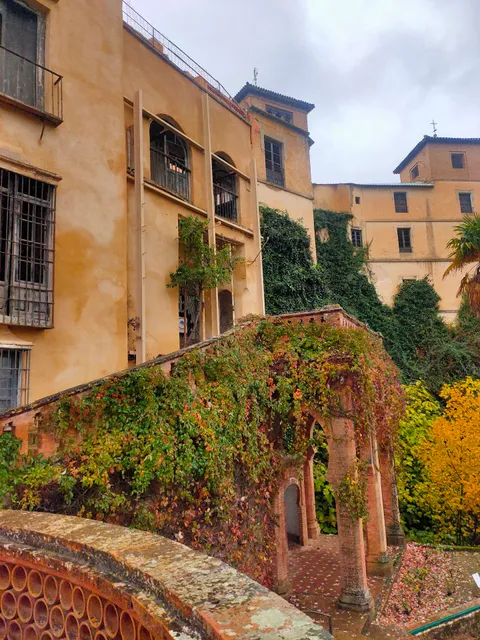
Looking down from the Arch, you can see on the left the steps both down to the bottom of the gorge (not recommended) and up through the stepped "garden" (it hasn't got much greenery) called the Jardines Ciudad de Cuenca. This is where you are going to walk to bring you back up to the Puente Nuevo, with a very good view of the gorge.
The entrance to the steps up is sometimes locked. Don't worry! If the access to the steps is locked, just 5 metres further on there’s a narrow street on the left between the houses where you can join the steps and garden.
Before going up the steps, you could look at the Fuente de los ocho canos - an interesting eight-spouted fountain. A good photo opportunity for a large family. Just walk 50 metres or so along the same road - it is right in front of you.
Don't be put off by the steps up through the so-called garden. There are so many little viewpoints built, giving you a chance to look down into the Tajo, or across to the other side, seeing the terraces at different levels that householders have built, that you get more than enough chance to get your breath back.
At the top, turn left, and you'll come to the main street just past...
Read moreRonda Valley, nestled in the heart of the Serrania de Ronda in Andalusia, Spain, is a place that defies mere description. With its dramatic landscape, it captivates visitors from the moment they set eyes on it. Let me paint a picture for you.
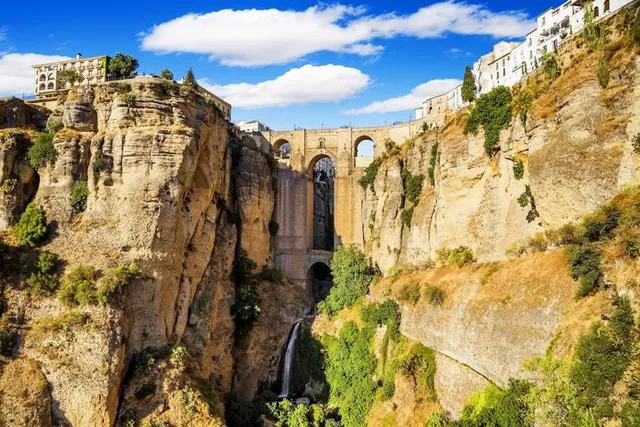
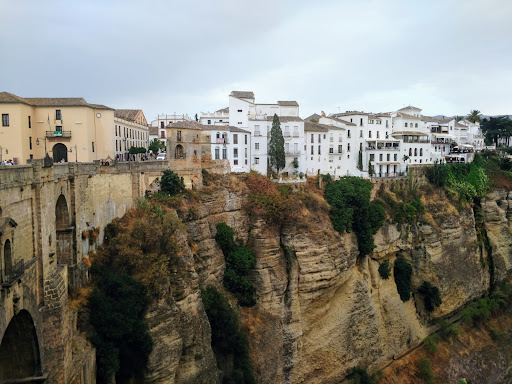
Ronda sits perched on a rocky outcrop, split in half by a deep river gorge created by the El Tajo river. The iconic Puente Nuevo, an 18th-century arched bridge, spans this chasm, connecting the two halves of the town. Whitewashed houses cling to the edge of the gorge, their balconies offering breathtaking views.
As you explore Ronda’s winding streets, you’ll discover its rich history. Founded by the Romans, it has seen the rise and fall of empires, including the Visigoths and the Arabs. The town’s authenticity lies in its ancient fortifications, guarded by imposing sierras. These natural walls encircle the Ronda depression, creating a landscape of rugged beauty.
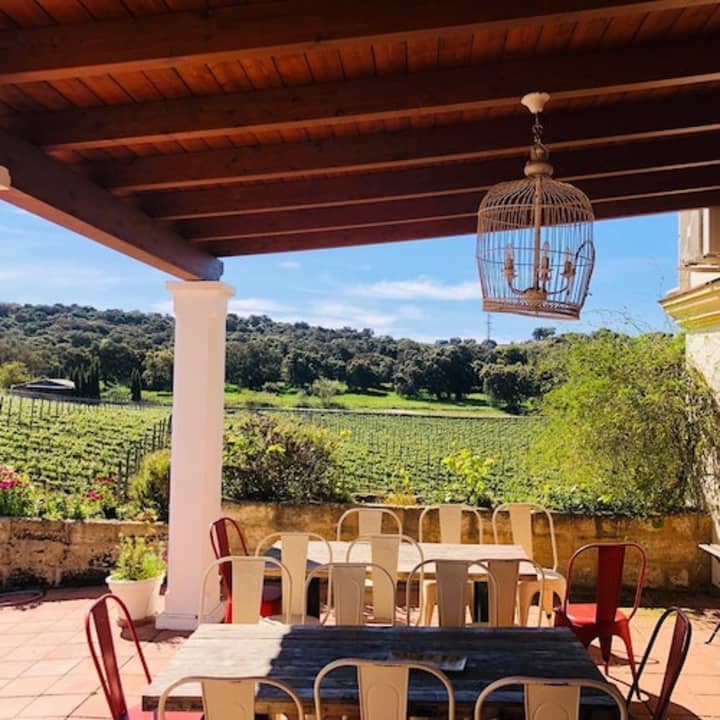
Hotel Ronda Valley, a family-friendly gem, awaits travelers seeking respite. Imagine waking up to mountain vistas, enjoying a dip in the large swimming pool, and savoring home-cooked meals at the restaurant. The rooms boast the best mattresses, ensuring a restful stay. And don’t miss the terrace bar, where you can soak in the enchanting surroundings.
Whether you’re drawn by history, nature, or simply the allure of a place that takes your breath away, Ronda Valley delivers. It’s a destination that lingers in your memory long after you’ve left. So pack your bags, cross that ancient bridge, and let Ronda weave its magic...
Read moreSuperb, minunat, priveliște faină, încântătoare...Tajo din Ronda este una dintre cele mai impresionante minuni naturale ale Spaniei...situat în orașul Ronda, în provincia Málaga, Tajo este un defileu adânc de peste 100 de metri care separă orașul vechi de cel nou...formarea Tajo de Ronda datează de milioane de ani, când zona era acoperită de mare...mișcările tectonice ale terenului au dus la ridicarea nivelului zonei, iar apa a început să erodeze rocile, dând naștere acestui defileu impresionant...una dintre cele mai impresionante priveliști asupra râului poate fi savurată de pe Puente Nuevo, un pod de piatră înalt de peste 60 de metri care traversează defileul și leagă orașul vechi de cel nou...Puente Nuevo este unul dintre cele mai emblematice repere din Ronda, oferind priveliști uimitoare asupra râului și orașului...istoria defileului Tajo din Ronda datează de mii de ani și este intrinsec legată de dezvoltarea orașului Ronda și a zonelor înconjurătoare...acest defileu impresionant a fost martorul unor evenimente istorice semnificative și au lăsat o amprentă de neșters asupra regiunii...de-a lungul a milioane de ani, eroziunea cauzată de râul Guadalevín a săpat adânc în roca calcaroasă, creând acest defileu spectaculos pe care îl cunoaștem acum sub numele de Tajo de Ronda...primele așezări umane din regiune datează din perioada neolitică, ceea ce indică faptul că Tajo de Ronda a fost locuit din cele mai vechi timpuri...romanii și-au lăsat și ei amprenta asupra zonei, construind o serie de așezări și fortificații în apropierea defileului...totuși, în perioada dominației islamice, Tajo de Ronda a dobândit un rol semnificativ în istoria regiunii...arabii au construit o fortăreață cunoscută sub numele de „Hisn Rundah” pe vârful dealului adiacent defileului, de unde aveau o poziție strategică pentru a controla regiunea...în Evul Mediu, Ronda a devenit un important oraș de graniță între regatele musulmane și creștine...orașul și-a schimbat stăpânul de mai multe ori de-a lungul secolelor, în contextul luptelor pentru putere și al bătăliilor care au avut loc în regiune...Tajo-ul din Ronda, cu terenul său accidentat și defileul impresionant, a jucat un rol crucial în apărarea orașului...unul dintre cele mai semnificative evenimente din istoria Tajo din Ronda a fost construcția Puente Nuevo (Podul Nou) în secolul al XVIII-lea...acest pod emblematic, care traversează defileul și leagă partea veche de partea nouă a orașului, a fost o realizare arhitecturală impresionantă...construcția Puente Nuevo a durat câțiva ani și a necesitat un efort uman considerabil, dar a fost finalizată în cele din urmă în 1793 și a devenit un simbol al orașului...în secolul al XIX-lea, Ronda și râul au devenit destinații populare pentru călătorii și artiștii romantici...frumusețea sa naturală și atmosfera unică au atras scriitori, pictori și poeți care au găsit inspirație în acest spectacol al naturii...astăzi, Tajo din Ronda rămâne un punct central al orașului și una dintre cele mai vizitate destinații turistice din regiune...istoria sa fascinantă și frumusețea naturală uimitoare fac din fiecare vizită o experiență de neuitat...Tajo de Ronda, cu bogata sa istorie și peisajul impresionant, este o mărturie vie a istoriei lungi și fascinante a regiunii...este o amintire a importanței trecutului și o mărturie a puterii transformatoare a naturii...vizitând Tajo de Ronda, călătorii au ocazia să se conecteze cu istoria, să se minuneze de grandoarea naturii și să aprecieze frumusețea persistentă a acestui loc unic...pe lângă tot ce am menționat mai sus, Tajo de Ronda găzduiește mai multe specii de păsări, cum ar fi șoimul călător și vulturul auriu...iubitorii de natură se pot bucura de o plimbare pe traseele cheilor, unde pot aprecia frumusețea florei și faunei locale...în timpul Războiului Civil Spaniol, Puente Nuevo (Podul Nou) a fost folosit ca închisoare, iar mulți prizonieri au fost aruncați de pe pod în defileu...astăzi, o placă comemorativă de pe pod amintește de victimele...
Read more