Bullring of the Royal Cavalry of Ronda things to do, attractions, restaurants, events info and trip planning
Basic Info
Bullring of the Royal Cavalry of Ronda
C. Virgen de la Paz, 15, 29400 Ronda, Málaga, Spain
4.5(995)
Closed

tickets
Save
spot
spot
Ratings & Description
Info
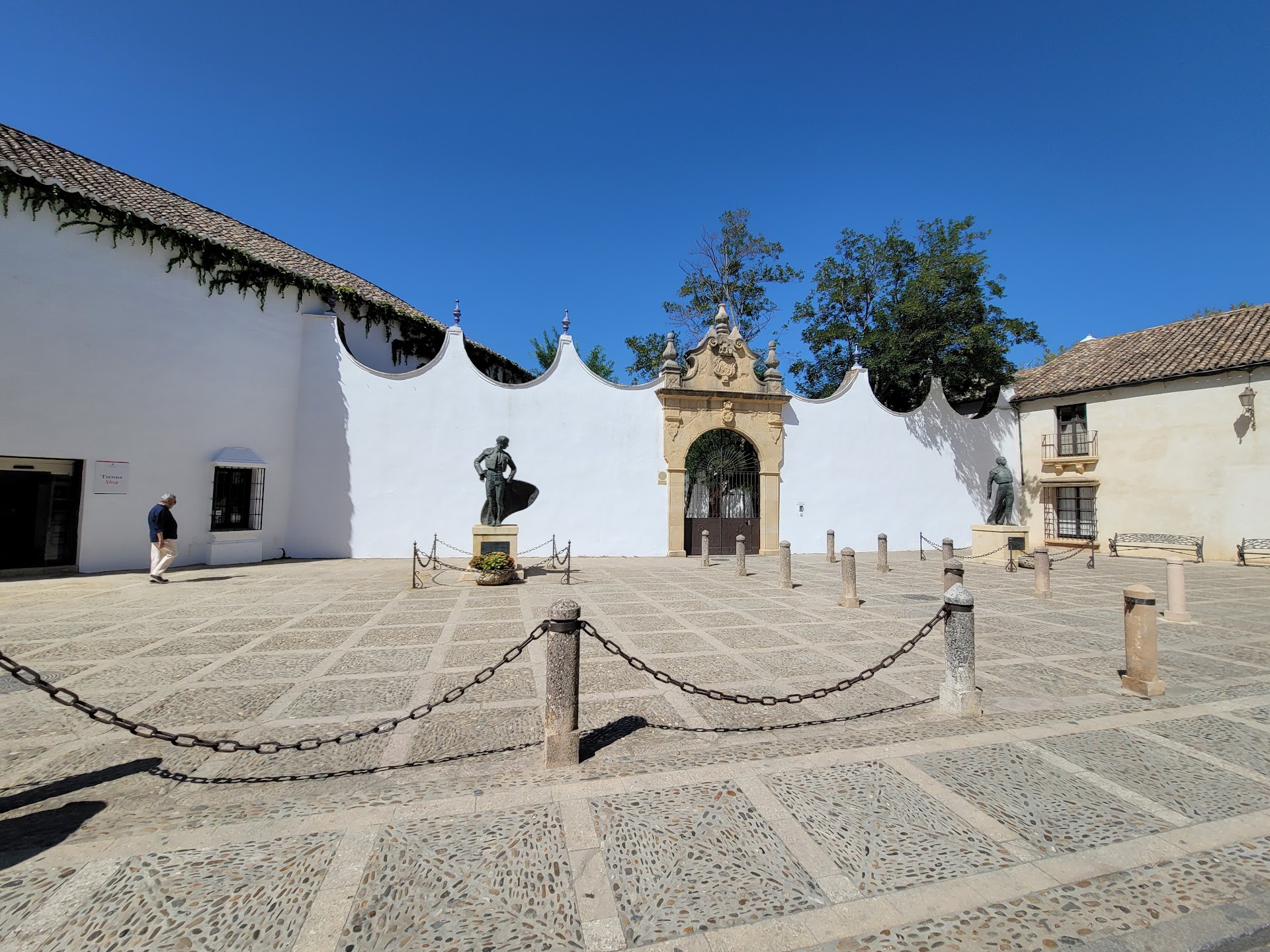
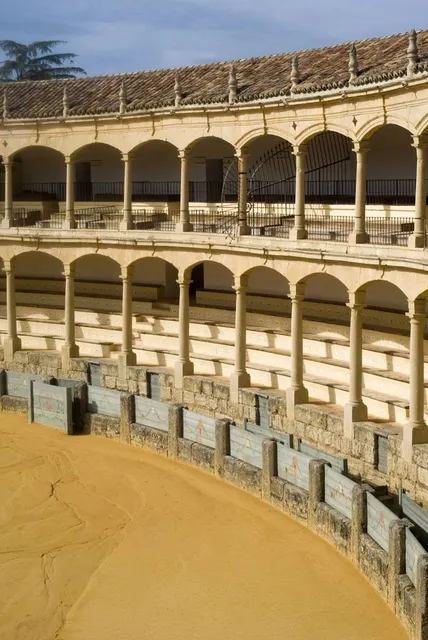
The Plaza de Toros de Ronda is a Bullring in Ronda, it has a diameter of 66 metres, surrounded by a passage formed by two rings of stone. There are two layers of seating, each with five raised rows and 136 pillars that make up 68 arches. The Royal Box has a sloping roof covered in Arabic tiles.
Cultural
Accessibility
attractions: Centro de Interpretación del Puente Nuevo, Alameda del Tajo, Mirador de Ronda, El Tajo de Ronda, Ronda spain, Museo Taurino De La Real Maestranza De Caballería De Ronda, Paseo de Blas Infante, Puente Nuevo Viewpoint, Ernest Hemingway Ronda Sculpture, Mirador de Aldehuela, restaurants: Restaurante Las Maravillas, Rte. Pedro Romero Ronda, Restaurante Panorámico, Toro Tapas Ronda · Restaurante de Cocina Mediterránea y Tapas, Tragatá | Benito Gómez | Restaurante en Ronda, Restaurante Abades Ronda, BlackCoffee - Café & Homemade Ice Cream, Restaurante Jerez, Puerta Grande, Cerveceria la Giralda, local businesses: Carrefour Express, El Señorío, Confitería Las Campanas, Sabor a España, Galgo, Viuda De Cipriano, Miramira, Parroquia de Nuestra Señora del Socorro, TORERÍAS - Made in Spain, ALE-HOP
 Learn more insights from Wanderboat AI.
Phone
+34 952 87 41 32
Website
rmcr.org
Open hoursSee all hours
Wed10 AM - 6 PMClosed
Plan your stay

Pet-friendly Hotels in Ronda
Find a cozy hotel nearby and make it a full experience.

Affordable Hotels in Ronda
Find a cozy hotel nearby and make it a full experience.

The Coolest Hotels You Haven't Heard Of (Yet)
Find a cozy hotel nearby and make it a full experience.

Trending Stays Worth the Hype in Ronda
Find a cozy hotel nearby and make it a full experience.
Reviews
Live events

Climb the Tajo de Ronda
Wed, Jan 28 • 9:45 AM
29400, Ronda, Andalusia, Spain
View details
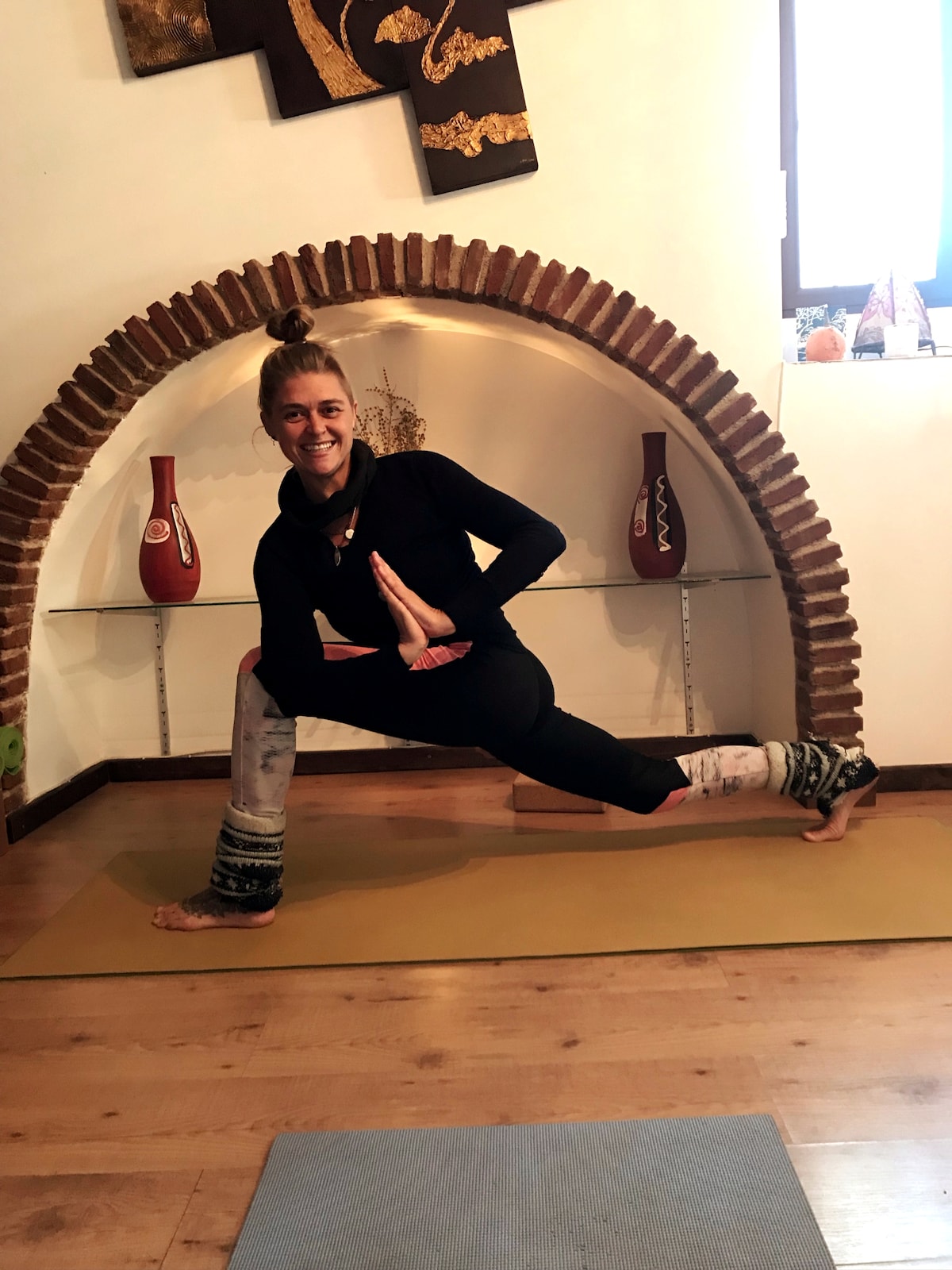
Practice vinyasa flow yoga
Sat, Jan 31 • 11:30 AM
11680, Algodonales, Andalusia, Spain
View details
Ronda: Visita a la ciudad con Audioguía en la App Móvil
Thu, Jan 1 • 12:00 AM
Ronda, 29400
View details
Nearby attractions of Bullring of the Royal Cavalry of Ronda
Centro de Interpretación del Puente Nuevo
Alameda del Tajo
Mirador de Ronda
El Tajo de Ronda
Ronda spain
Museo Taurino De La Real Maestranza De Caballería De Ronda
Paseo de Blas Infante
Puente Nuevo Viewpoint
Ernest Hemingway Ronda Sculpture
Mirador de Aldehuela
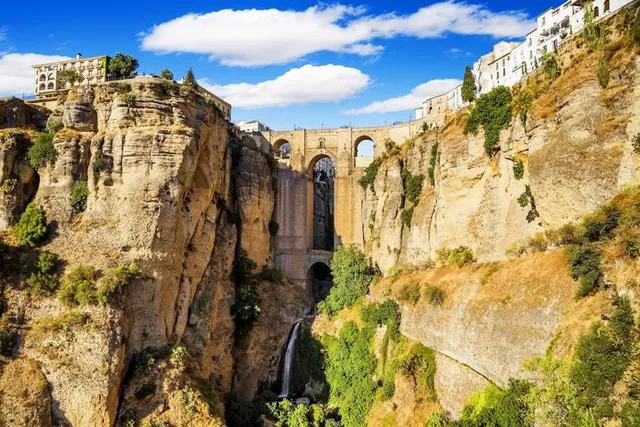
Centro de Interpretación del Puente Nuevo
4.7
(12.7K)
Closed
Click for details
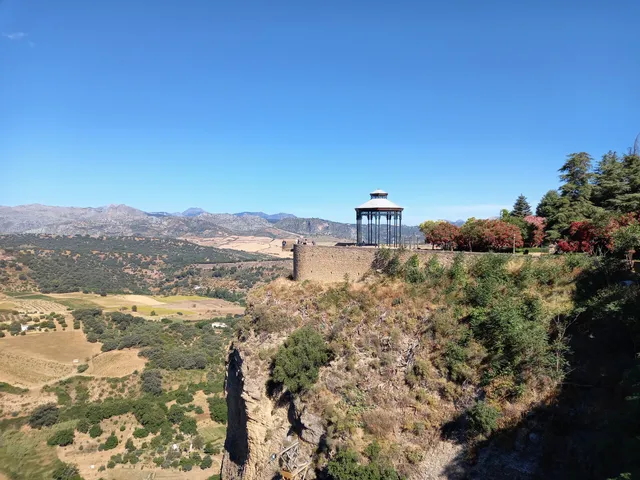
Alameda del Tajo
4.7
(2.1K)
Closed
Click for details
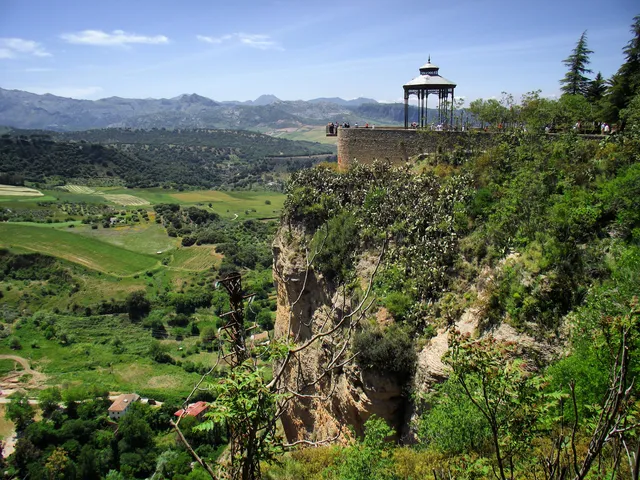
Mirador de Ronda
4.8
(1.3K)
Open until 12:00 AM
Click for details
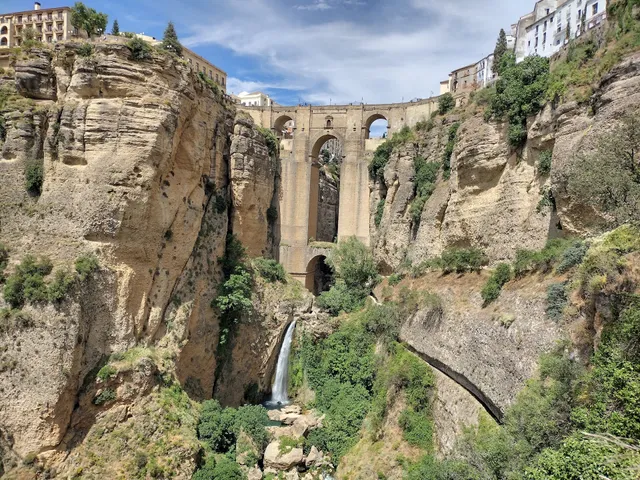
El Tajo de Ronda
4.8
(1.8K)
Open until 12:00 AM
Click for details
Nearby restaurants of Bullring of the Royal Cavalry of Ronda
Restaurante Las Maravillas
Rte. Pedro Romero Ronda
Restaurante Panorámico
Toro Tapas Ronda · Restaurante de Cocina Mediterránea y Tapas
Tragatá | Benito Gómez | Restaurante en Ronda
Restaurante Abades Ronda
BlackCoffee - Café & Homemade Ice Cream
Restaurante Jerez
Puerta Grande
Cerveceria la Giralda
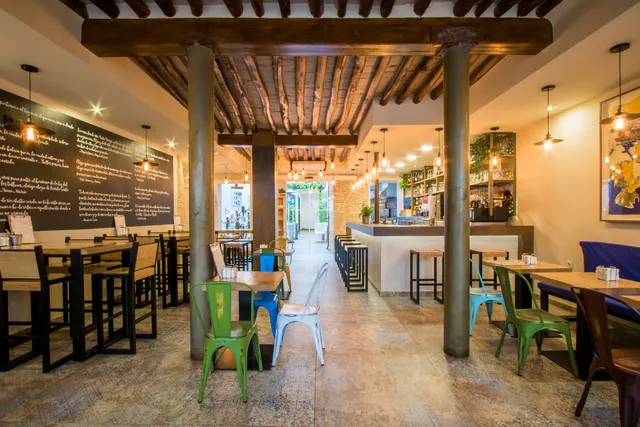
Restaurante Las Maravillas
4.4
(3K)
Closed
Click for details
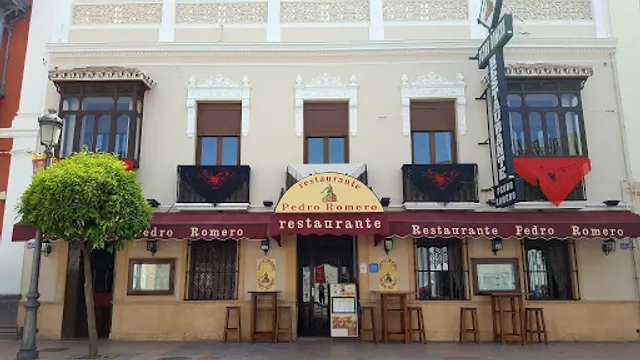
Rte. Pedro Romero Ronda
4.6
(710)
$$
Open until 12:00 AM
Click for details
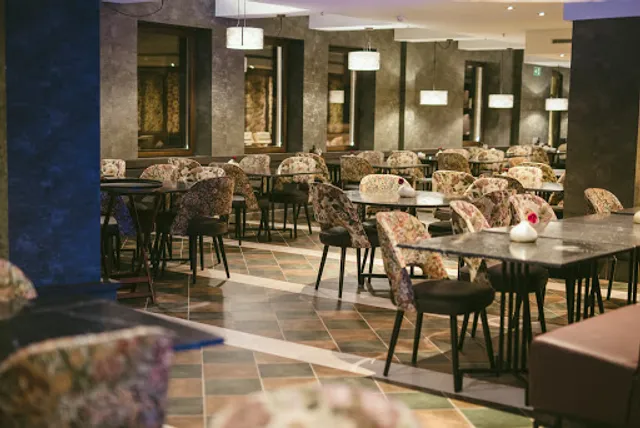
Restaurante Panorámico
4.5
(521)
$$
Closed
Click for details
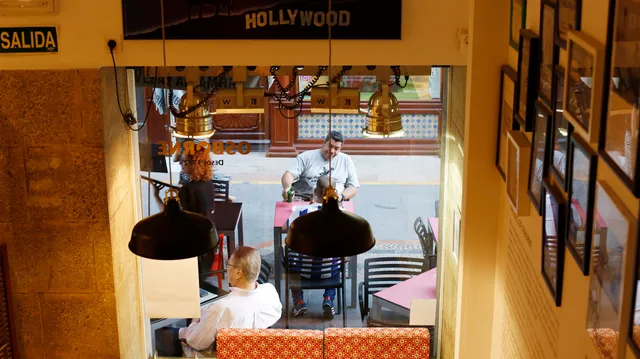
Toro Tapas Ronda · Restaurante de Cocina Mediterránea y Tapas
4.2
(1.0K)
Closed
Click for details
Nearby local services of Bullring of the Royal Cavalry of Ronda
Carrefour Express
El Señorío
Confitería Las Campanas
Sabor a España
Galgo
Viuda De Cipriano
Miramira
Parroquia de Nuestra Señora del Socorro
TORERÍAS - Made in Spain
ALE-HOP

Carrefour Express
4.2
(183)
Click for details
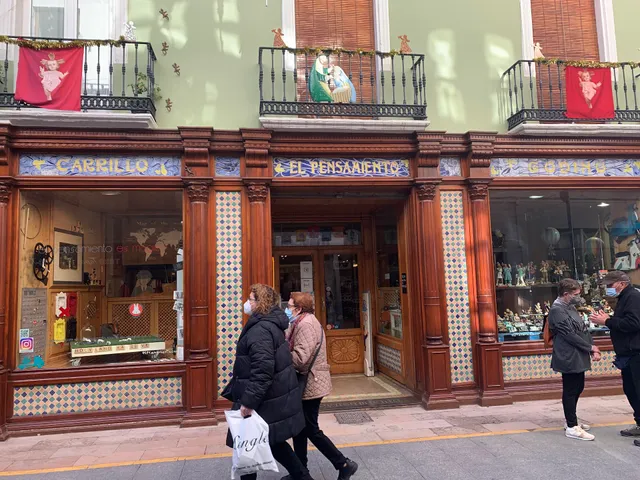
El Señorío
3.0
(120)
Click for details

Confitería Las Campanas
3.6
(129)
Click for details
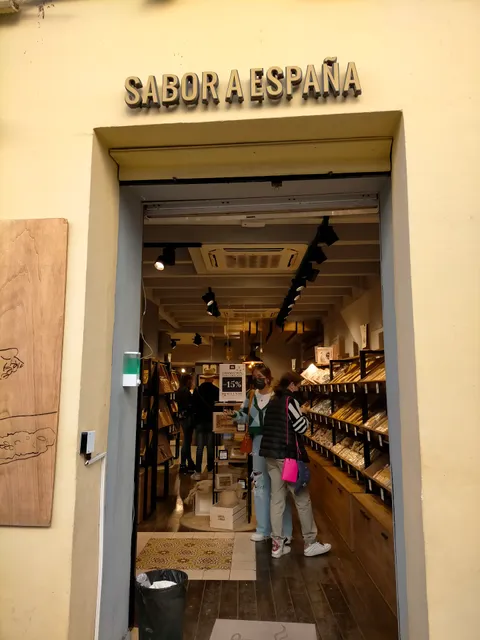
Sabor a España
4.2
(45)
Click for details