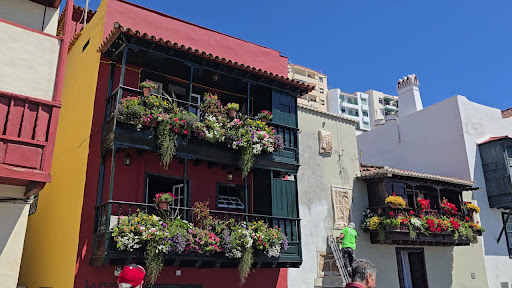
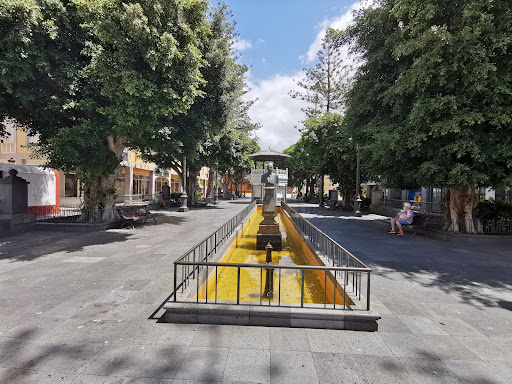
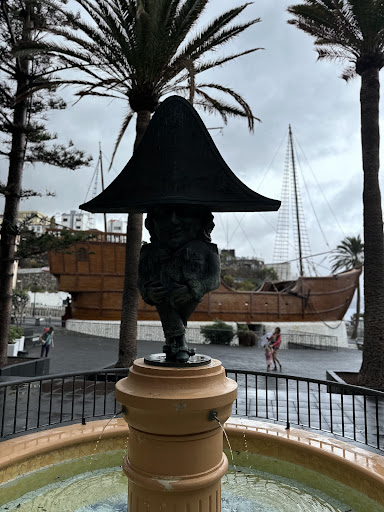
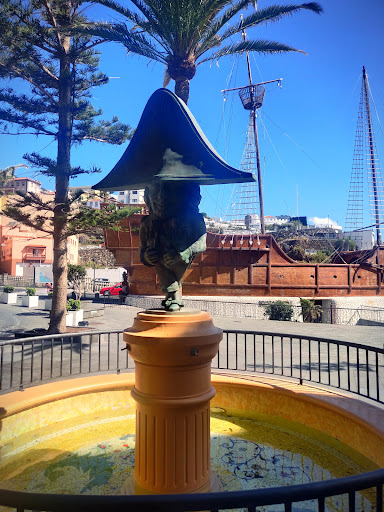
Monumento a El Enano things to do, attractions, restaurants, events info and trip planning
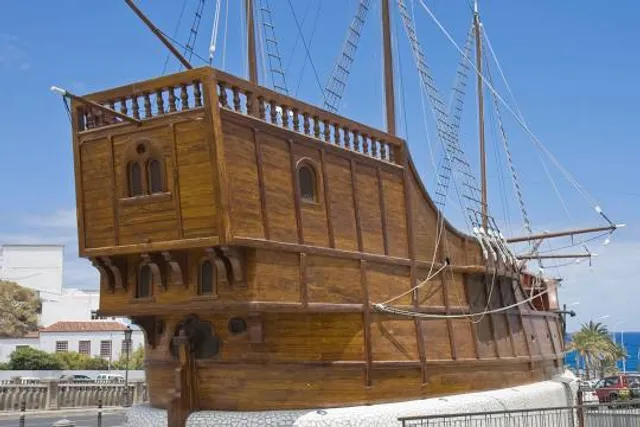
Basic Info
Monumento a El Enano
Calle Dr. Pérez Camacho, 7, 38700 Santa Cruz de la Palma, Santa Cruz de Tenerife, Spain
4.5(31)
Open until 12:00 AM
Save
spot
spot
Ratings & Description
Info
Cultural
Scenic
attractions: Castillo de La Virgen, Museo Insular de La Palma, Real Castillo de Santa Catalina, Playa de Santa Cruz de La Palma, Plaza de San Francisco, Iglesia Matriz de El Salvador, Palacio de Salazar, La Molina Artesanía Sta. Cruz de La Palma, restaurants: Bar Arepera El Encuentro, Cafeteria Las Nieves, Restaurante Mexicano Ajúa, Bar Boxes, La Isla de Goya, El cuarto de Tula, Café Bar Plaza Chica, Piccolo - Pizza & Pasta Restaurant, La Lonja, Vinatería Albillo, local businesses: Museo Naval - Barco de la Virgen, Mercado de Santa Cruz de La Palma, Sol y Arte, Nova Informatica La Palma, S.L, Mirador Barranco del Carmen, Bazar Irca, KISSING ROOM 22, Artesanía SanLupe
 Learn more insights from Wanderboat AI.
Open hoursSee all hours
SatOpen 24 hoursOpen
Plan your stay

Pet-friendly Hotels in Santa Cruz de la Palma
Find a cozy hotel nearby and make it a full experience.

Affordable Hotels in Santa Cruz de la Palma
Find a cozy hotel nearby and make it a full experience.

The Coolest Hotels You Haven't Heard Of (Yet)
Find a cozy hotel nearby and make it a full experience.

Trending Stays Worth the Hype in Santa Cruz de la Palma
Find a cozy hotel nearby and make it a full experience.
Reviews
Live events
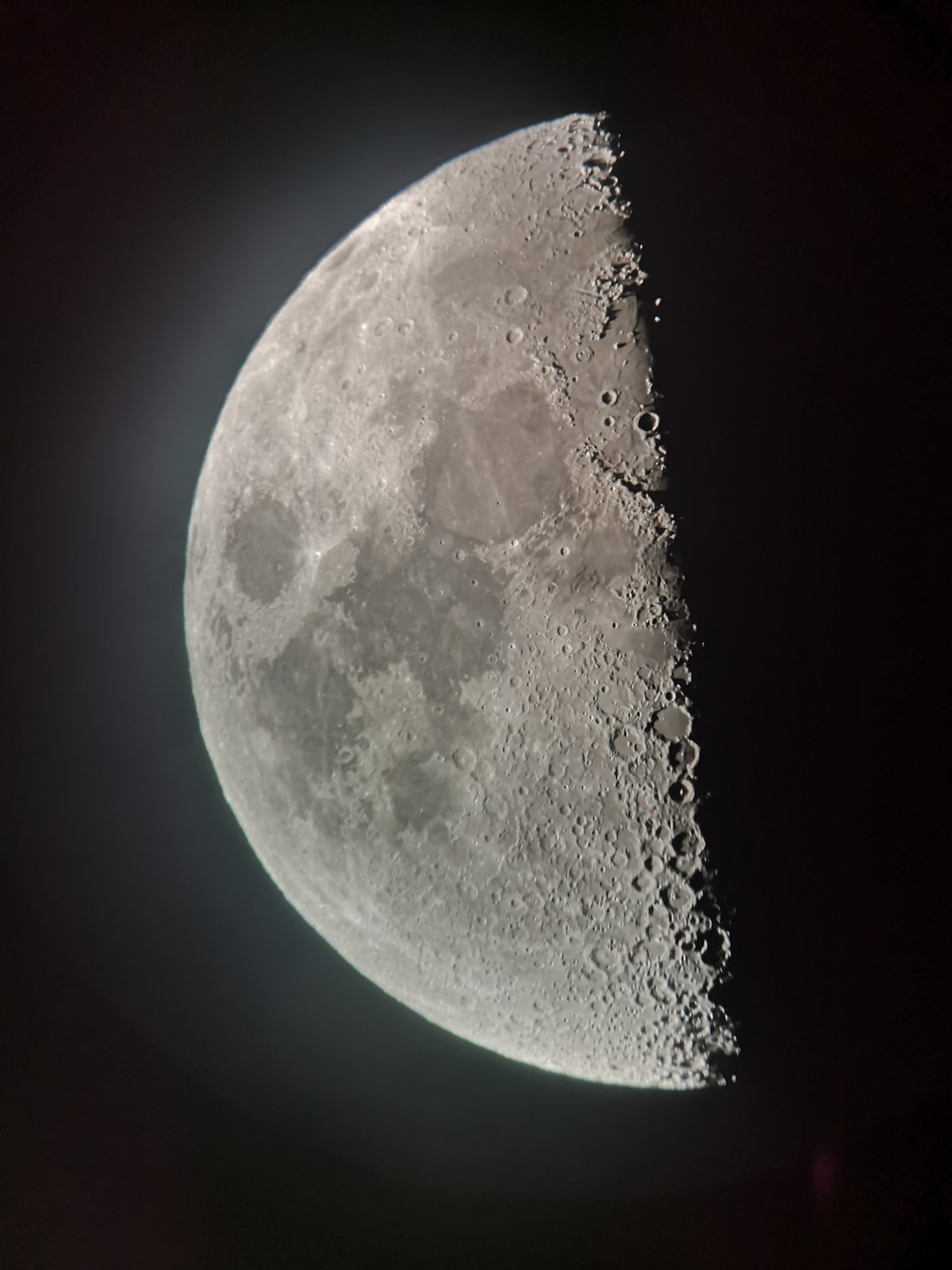
Discover the night sky in La Palma
Sat, Feb 14 • 7:30 PM
38789, Santa Cruz de Tenerife, Canarias, Spain
View details
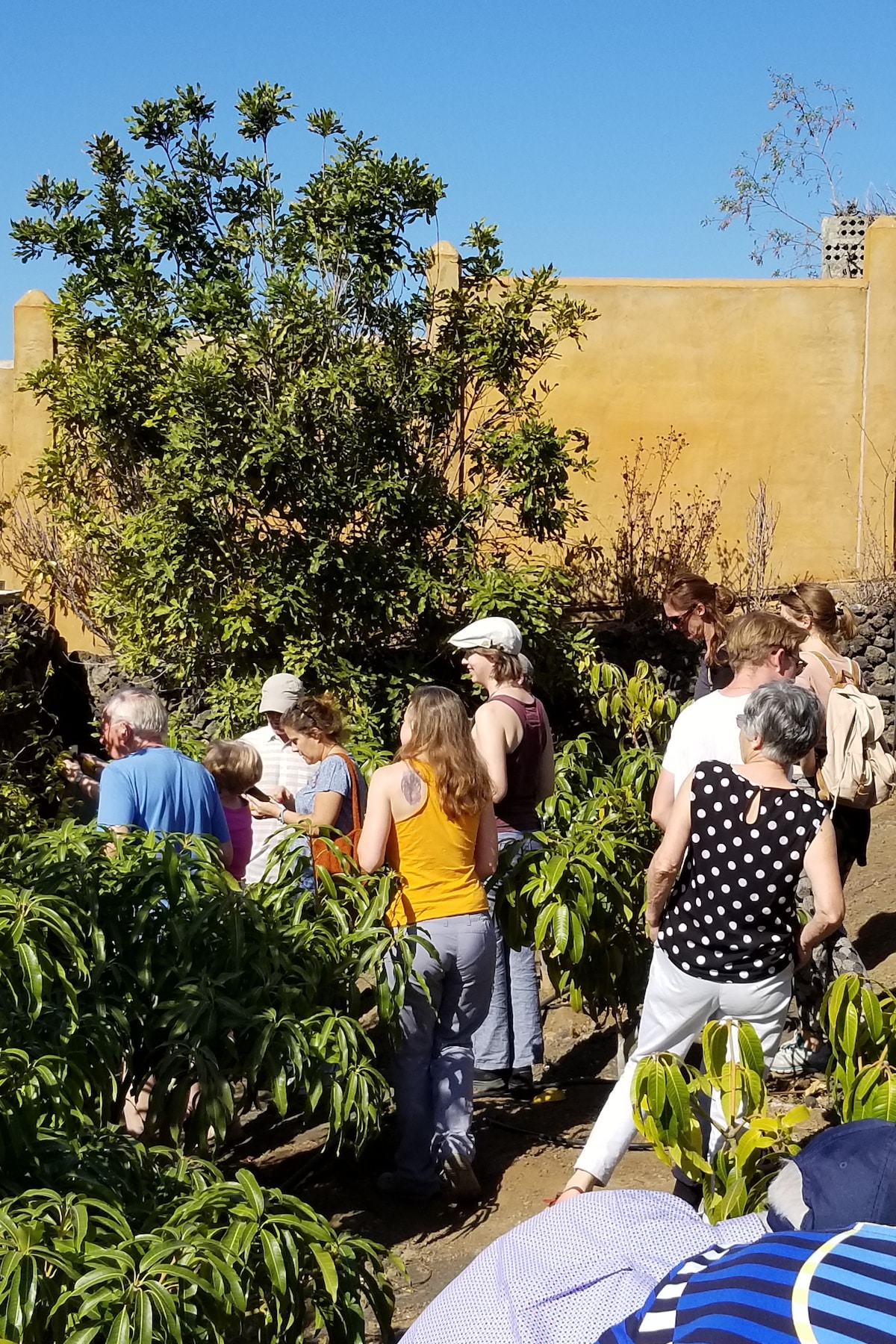
slow food among tropical trees
Sun, Feb 15 • 12:00 PM
38779, Tazacorte, Canarias, Spain
View details
Nearby attractions of Monumento a El Enano
Castillo de La Virgen
Museo Insular de La Palma
Real Castillo de Santa Catalina
Playa de Santa Cruz de La Palma
Plaza de San Francisco
Iglesia Matriz de El Salvador
Palacio de Salazar
La Molina Artesanía Sta. Cruz de La Palma
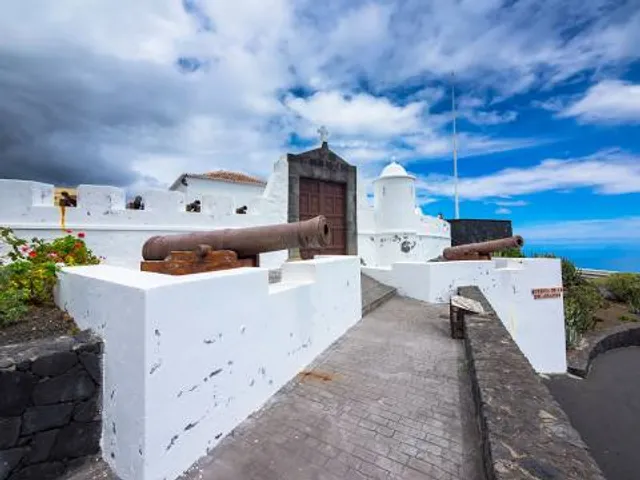
Castillo de La Virgen
4.4
(561)
Open until 12:00 AM
Click for details
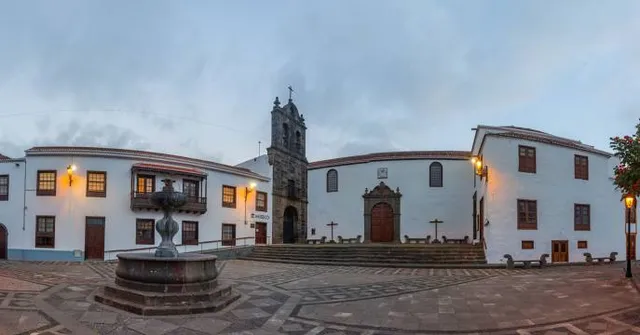
Museo Insular de La Palma
4.4
(93)
Closed
Click for details
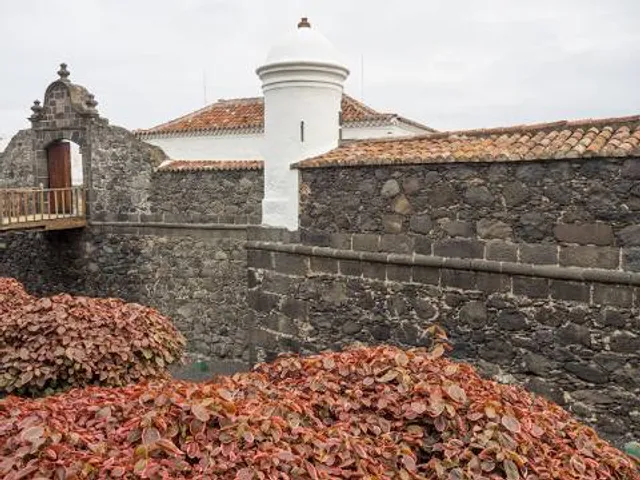
Real Castillo de Santa Catalina
4.1
(75)
Closed
Click for details
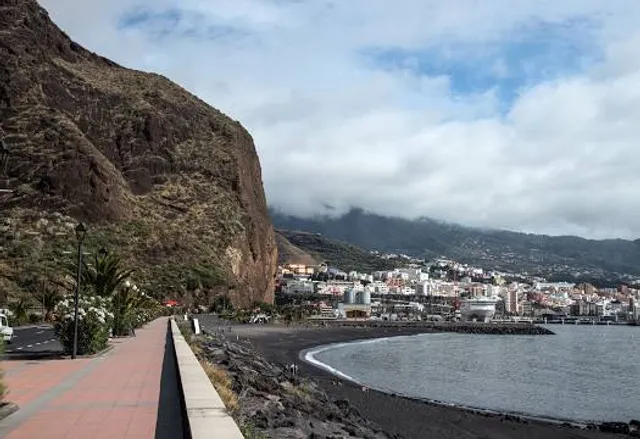
Playa de Santa Cruz de La Palma
4.3
(509)
Open 24 hours
Click for details
Nearby restaurants of Monumento a El Enano
Bar Arepera El Encuentro
Cafeteria Las Nieves
Restaurante Mexicano Ajúa
Bar Boxes
La Isla de Goya
El cuarto de Tula
Café Bar Plaza Chica
Piccolo - Pizza & Pasta Restaurant
La Lonja
Vinatería Albillo
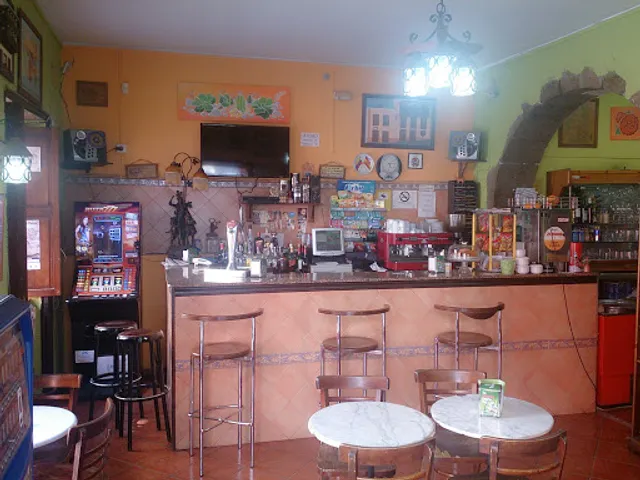
Bar Arepera El Encuentro
4.0
(475)
Open until 12:00 AM
Click for details
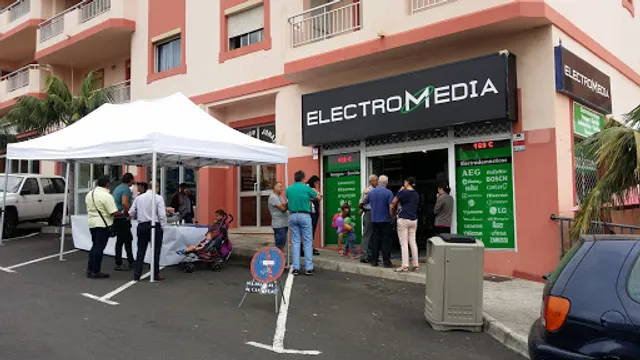
Cafeteria Las Nieves
4.3
(265)
Closed
Click for details
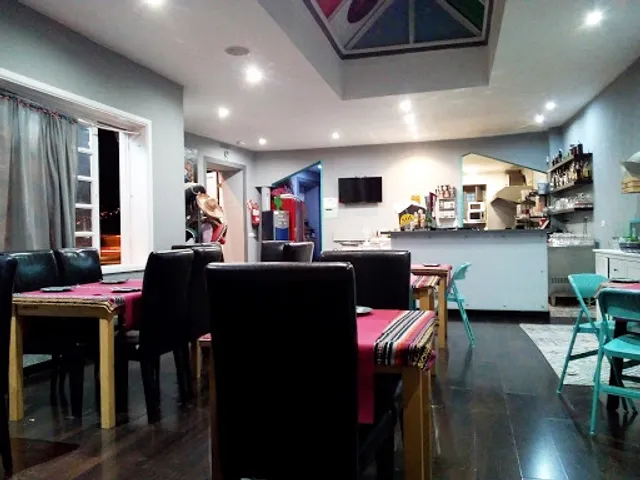
Restaurante Mexicano Ajúa
4.4
(402)
Closed
Click for details

Bar Boxes
4.4
(69)
Closed
Click for details
Nearby local services of Monumento a El Enano
Museo Naval - Barco de la Virgen
Mercado de Santa Cruz de La Palma
Sol y Arte
Nova Informatica La Palma, S.L
Mirador Barranco del Carmen
Bazar Irca
KISSING ROOM 22
Artesanía SanLupe
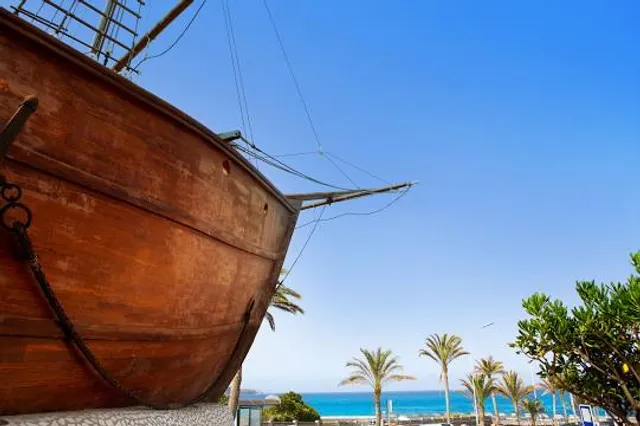
Museo Naval - Barco de la Virgen
4.2
(518)
Click for details
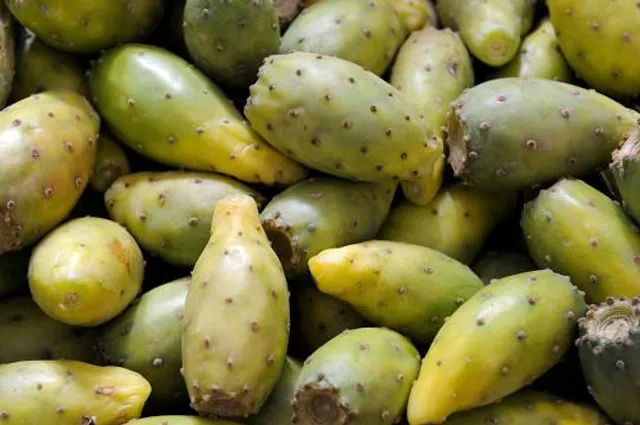
Mercado de Santa Cruz de La Palma
4.4
(150)
Click for details
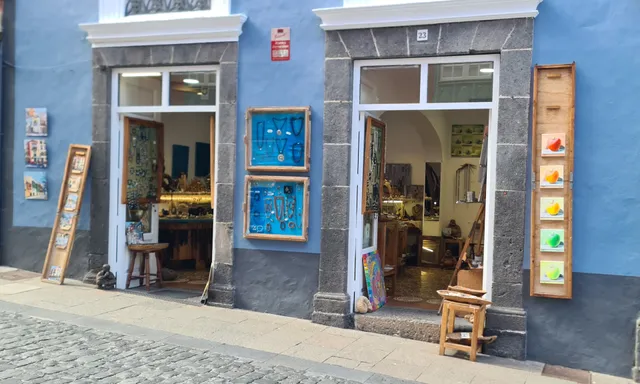
Sol y Arte
5.0
(25)
Click for details
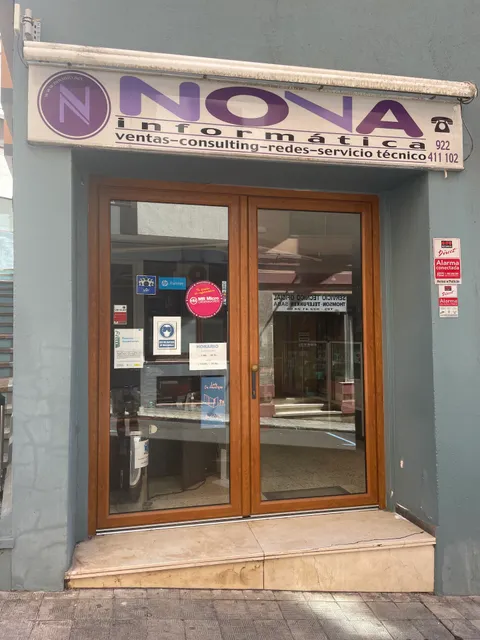
Nova Informatica La Palma, S.L
4.0
(33)
Click for details