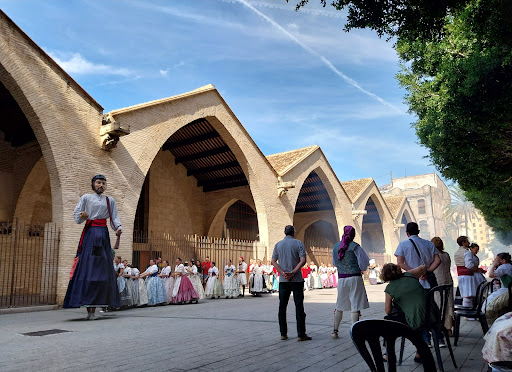
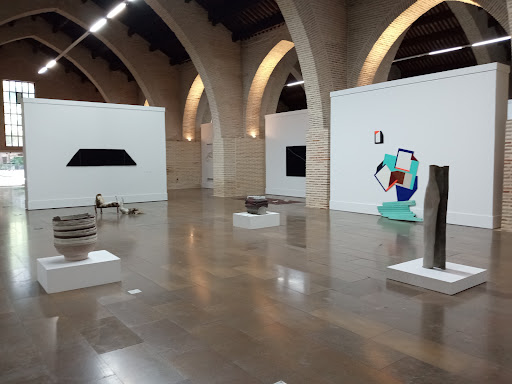
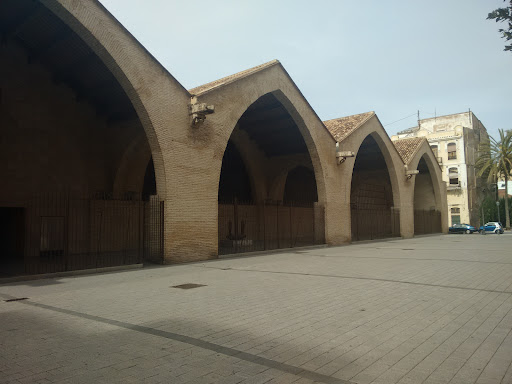
Drassanes del Grau things to do, attractions, restaurants, events info and trip planning
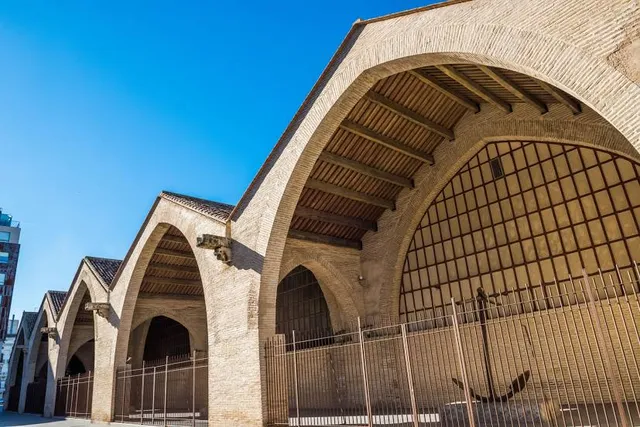
Basic Info
Drassanes del Grau
Pl. Juan Antonio Benlliure, s/n, Poblados Marítimos, 46011 València, Valencia, Spain
4.3(301)
Open until 12:00 AM
Save
spot
spot
Ratings & Description
Info
Cultural
attractions: La Marina de Valencia, Museo del Arroz, Antigua estación del Grao de Valencia, Museo Semana Santa Marinera, Monumento a Joaquín Sorolla, Veles e Vents, Parc d'Eivissa, Cabanyal Horta (Cabañal Huerta), Centro Cultural Reina 121, Bodega Gómez, restaurants: La Tasqueta del Mercat Puerto, Taberna El Clavo, La Fábrica de Barrett, Bodega La Peseta, MiKENGO, Nueva Casa Calabuig, Restaurante Namúa Gastronomic, Cafè Pitti, Bar Richmond's, Malafama Canyamelar, local businesses: JUMPER ESCAPE ROOM, Museo Del Arroz de Valencia, Maxi Cash Valencia, L'Arrosset, Correos, Port Souvenir Shop, Isla Despedidas Valencia – Despedidas, Fiestas y Packs, TEATRO HOT, The Terminal Hub, Museo del arroz
 Learn more insights from Wanderboat AI.
Phone
+34 963 52 54 78
Website
valencia.es
Open hoursSee all hours
Tue10 AM - 2 PM, 3 - 7 PMOpen
Plan your stay

Pet-friendly Hotels in Valencia
Find a cozy hotel nearby and make it a full experience.

Affordable Hotels in Valencia
Find a cozy hotel nearby and make it a full experience.

The Coolest Hotels You Haven't Heard Of (Yet)
Find a cozy hotel nearby and make it a full experience.

Trending Stays Worth the Hype in Valencia
Find a cozy hotel nearby and make it a full experience.
Reviews
Live events
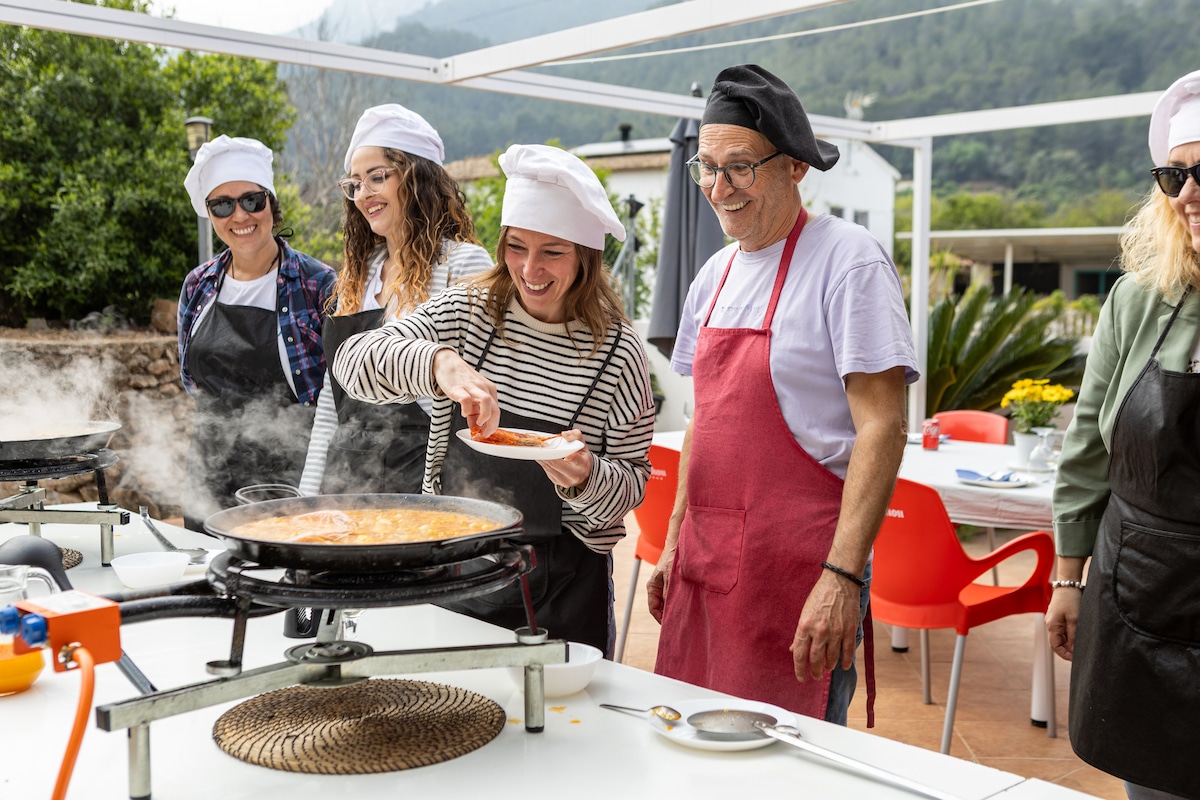
Experience authentic paella cooking
Wed, Feb 25 • 10:00 AM
46013, València, Comunidad Valenciana, Spain
View details
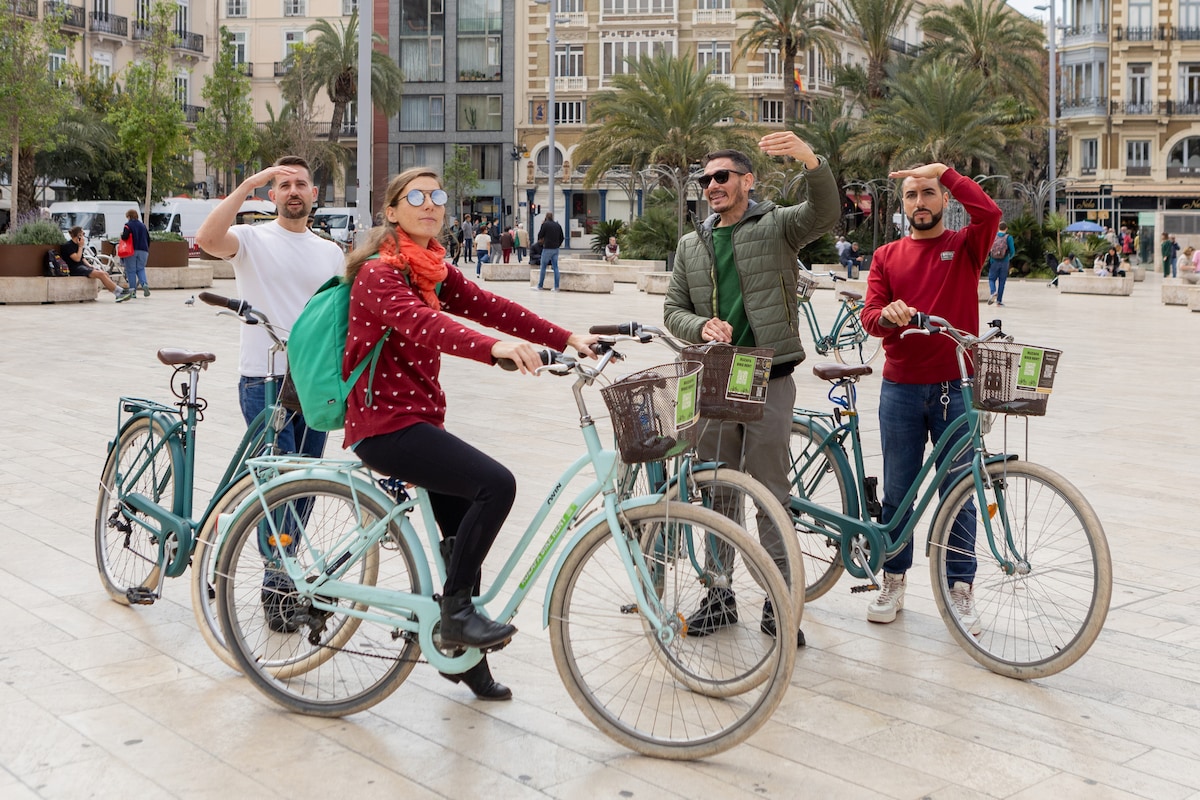
Pedal through Valencia
Wed, Feb 25 • 1:00 PM
46001, Valencia, Valencian Community, Spain
View details
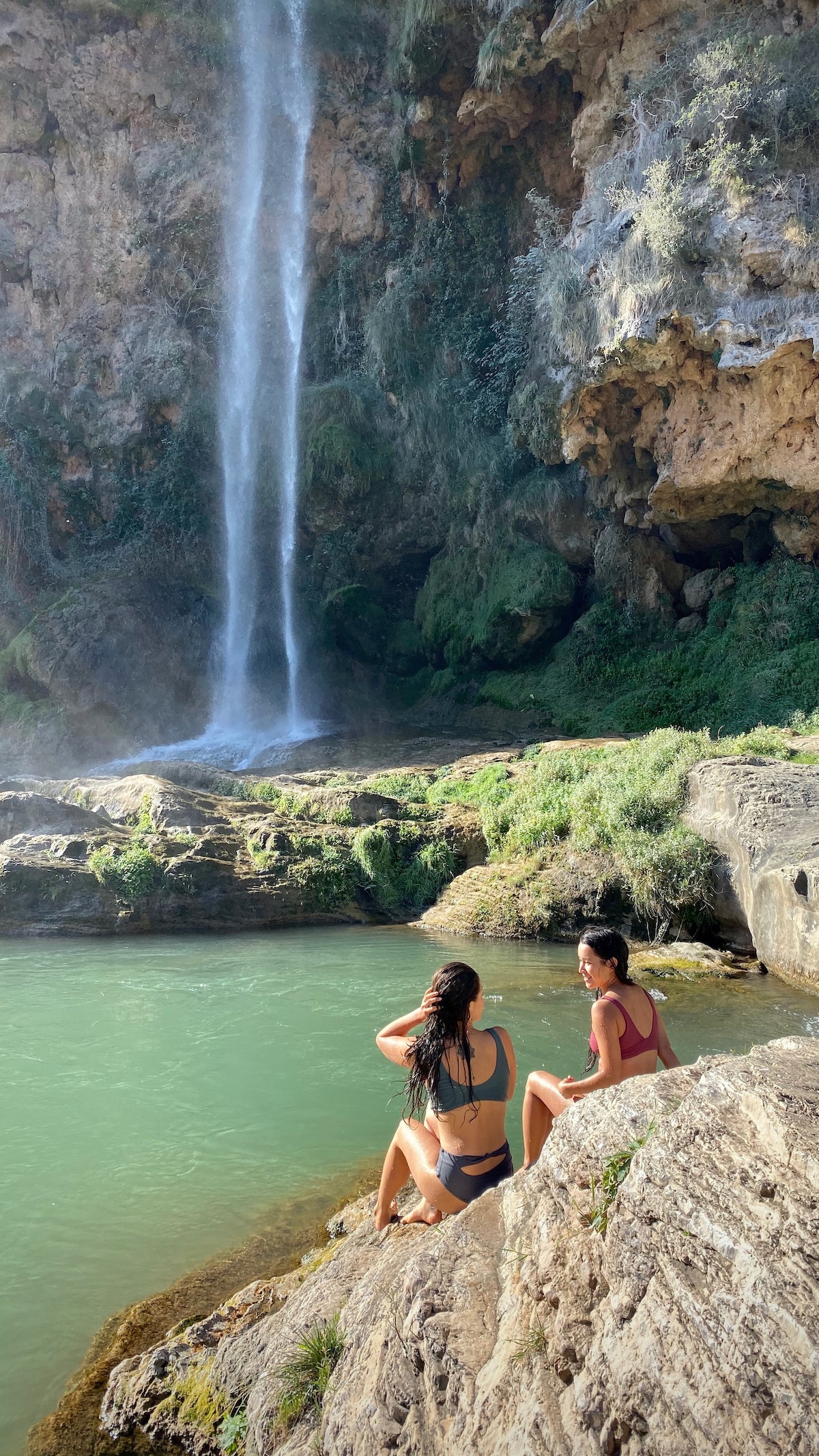
Epic Day: thermal springs and waterfalls with Mike
Wed, Feb 25 • 9:30 AM
46004, València, Comunidad Valenciana, Spain
View details
Nearby attractions of Drassanes del Grau
La Marina de Valencia
Museo del Arroz
Antigua estación del Grao de Valencia
Museo Semana Santa Marinera
Monumento a Joaquín Sorolla
Veles e Vents
Parc d'Eivissa
Cabanyal Horta (Cabañal Huerta)
Centro Cultural Reina 121
Bodega Gómez
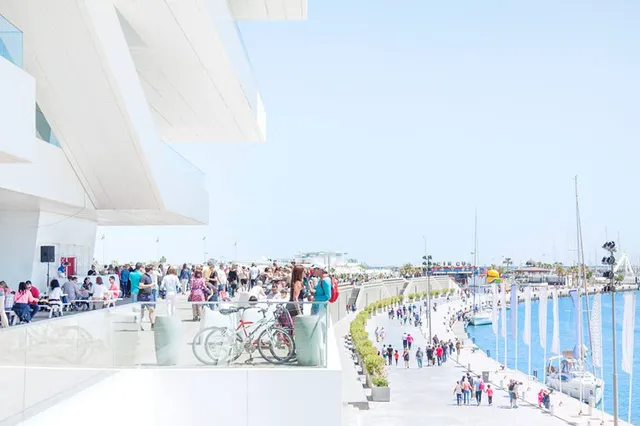
La Marina de Valencia
4.5
(3.1K)
Closed
Click for details
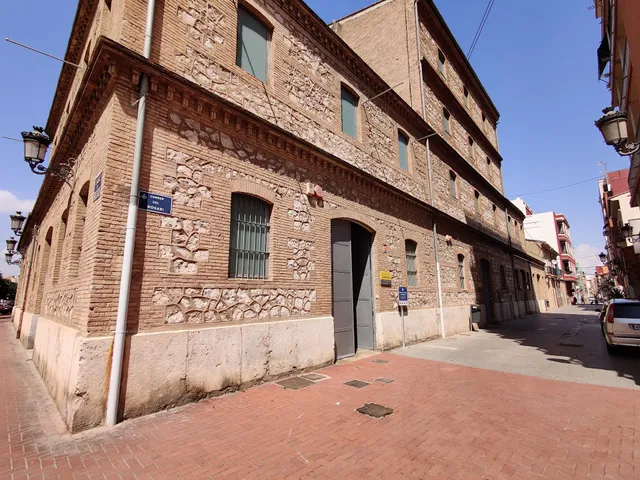
Museo del Arroz
4.3
(448)
Open until 12:00 AM
Click for details
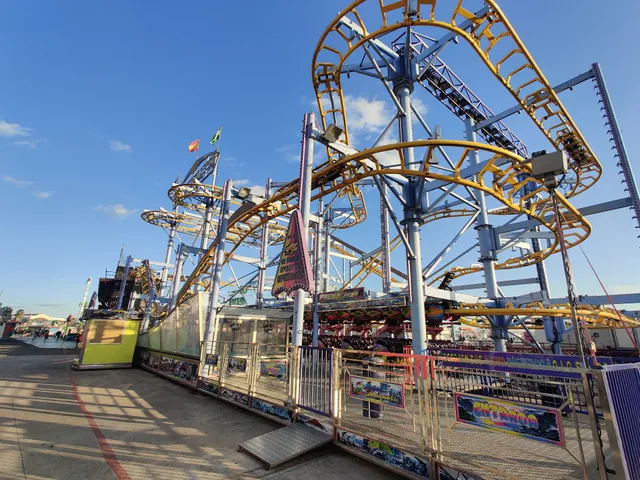
Antigua estación del Grao de Valencia
4.3
(591)
Open 24 hours
Click for details

Museo Semana Santa Marinera
4.4
(90)
Open until 12:00 AM
Click for details
Nearby restaurants of Drassanes del Grau
La Tasqueta del Mercat Puerto
Taberna El Clavo
La Fábrica de Barrett
Bodega La Peseta
MiKENGO
Nueva Casa Calabuig
Restaurante Namúa Gastronomic
Cafè Pitti
Bar Richmond's
Malafama Canyamelar
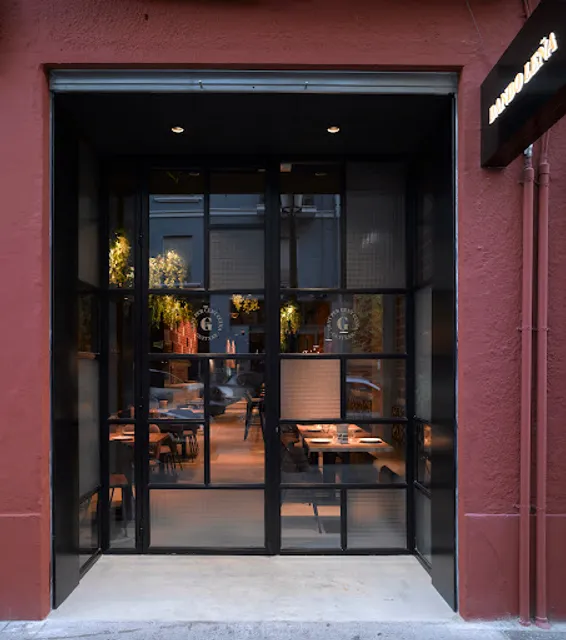
La Tasqueta del Mercat Puerto
4.3
(886)
Open until 12:00 AM
Click for details
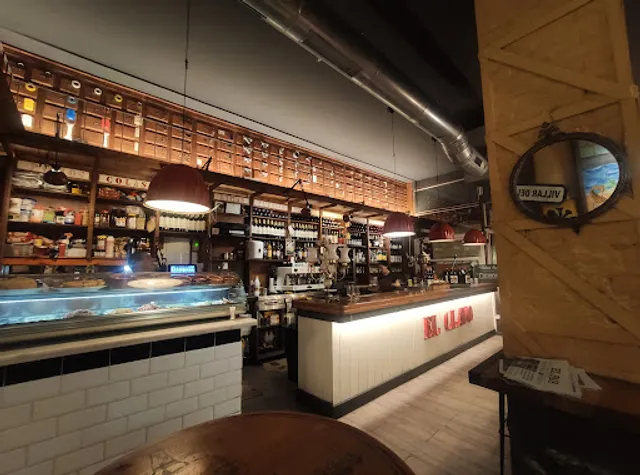
Taberna El Clavo
4.1
(1.3K)
Open until 12:00 AM
Click for details
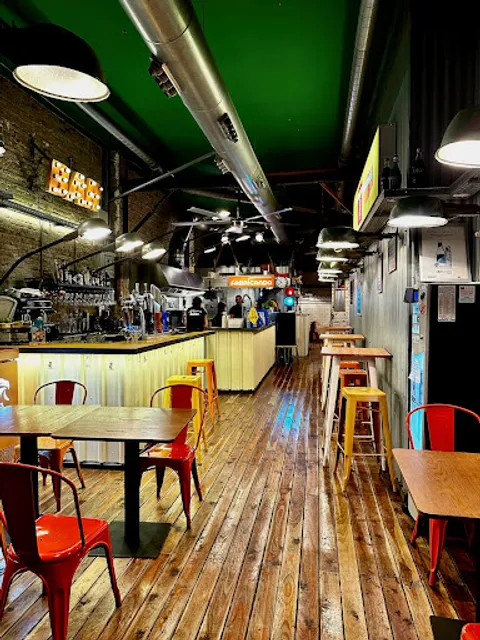
La Fábrica de Barrett
4.5
(660)
Click for details
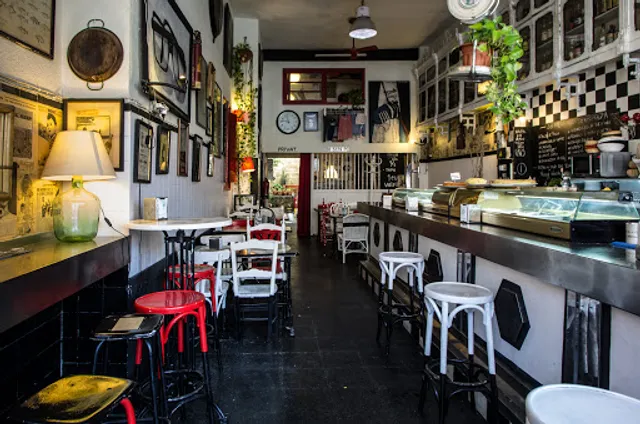
Bodega La Peseta
3.9
(676)
Open until 12:00 AM
Click for details
Nearby local services of Drassanes del Grau
JUMPER ESCAPE ROOM
Museo Del Arroz de Valencia
Maxi Cash Valencia
L'Arrosset
Correos
Port Souvenir Shop
Isla Despedidas Valencia – Despedidas, Fiestas y Packs
TEATRO HOT
The Terminal Hub
Museo del arroz
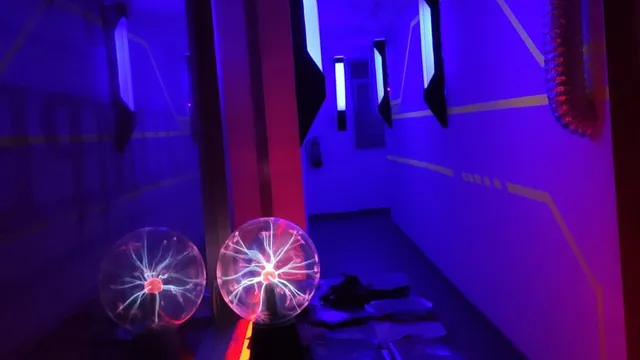
JUMPER ESCAPE ROOM
4.8
(225)
Click for details
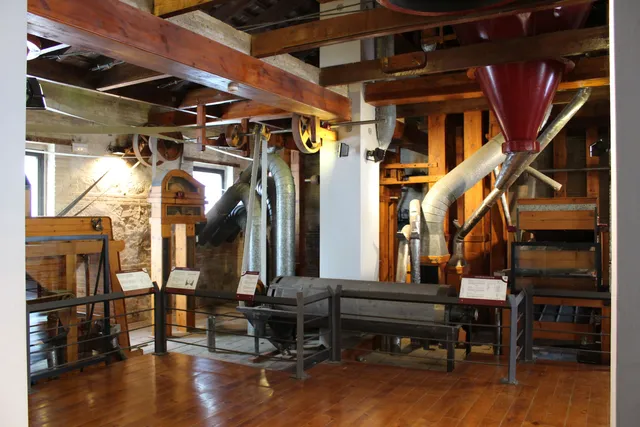
Museo Del Arroz de Valencia
4.3
(345)
Click for details
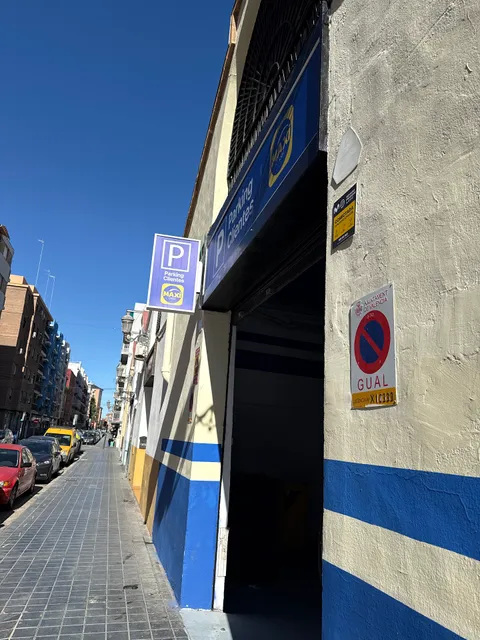
Maxi Cash Valencia
4.5
(119)
Click for details
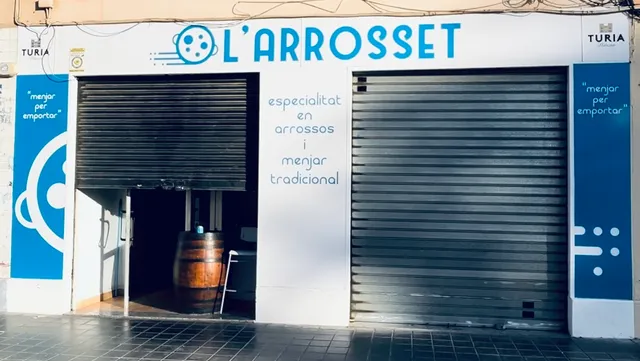
L'Arrosset
4.7
(42)
Click for details