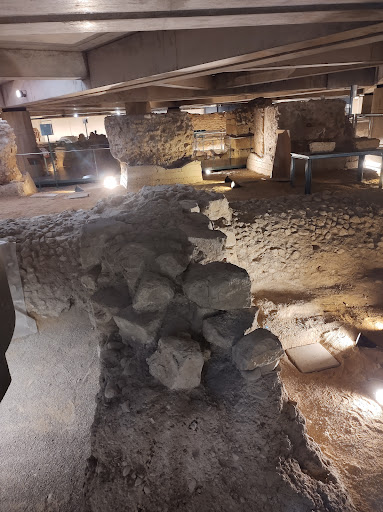
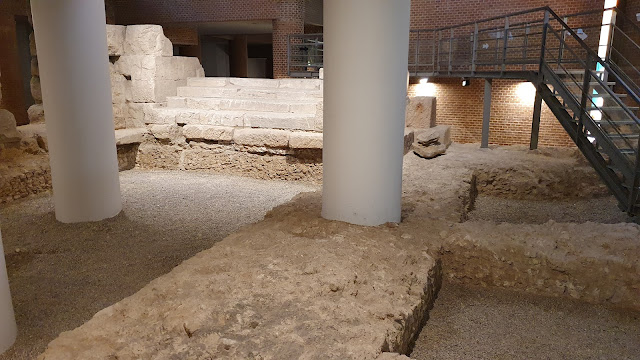
Caesaraugusta River Harbor Museum things to do, attractions, restaurants, events info and trip planning
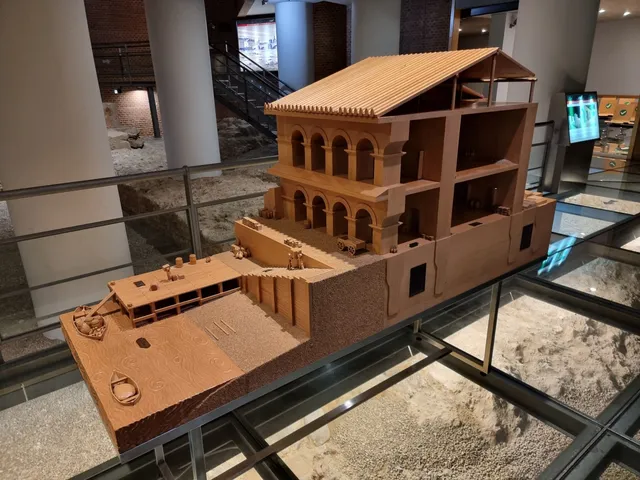
Basic Info
Caesaraugusta River Harbor Museum
Pl. de San Bruno, 8, Casco Antiguo, 50001 Zaragoza, Spain
4.3(358)
Closed

tickets
Save
spot
spot
Ratings & Description
Info
Cultural
Family friendly
Accessibility
attractions: Cathedral of the Savior of Zaragoza, Stone Bridge, Alma Mater Museum, Museo del Foro de Caesaraugusta, Plaza de San Bruno, Cathedral-Basilica of Our Lady of the Pillar, Sala de Exposiciones La Lonja, Plaza del Pilar, Arco del Deán, Tapestry Museum, restaurants: Café Odeón, Tragantúa Gran Taberna, Restaurante Méli Mélo, La Flor de la Sierra, Restaurante La Tagliatella | C/ Don Jaime, Zaragoza, Restaurante El Fuelle, Restaurante Isla Sicilia Zaragoza. Con y Sin Gluten., Casa Dominó, La Flor de Lis, New York Café, local businesses: Catedral del Salvador de Zaragoza, Puente de Piedra, Mercadona, Coco Room Zaragoza., Basílica de Nuestra Señora del Pilar, Urban Hell Tattoo - Estudio de Tatuajes y Piercings en Zaragoza, MasQueHogares.com, La Casa del Loco, Roman Catholic Archdiocese of Zaragoza, Da Luxe Café Cantante
 Learn more insights from Wanderboat AI.
Phone
+34 976 72 12 07
Website
zaragoza.es
Open hoursSee all hours
Fri10 a.m. - 2 p.m., 5 - 9 p.m.Closed
Plan your stay

Pet-friendly Hotels in Zaragoza
Find a cozy hotel nearby and make it a full experience.

Affordable Hotels in Zaragoza
Find a cozy hotel nearby and make it a full experience.

The Coolest Hotels You Haven't Heard Of (Yet)
Find a cozy hotel nearby and make it a full experience.

Trending Stays Worth the Hype in Zaragoza
Find a cozy hotel nearby and make it a full experience.
Reviews
Live events
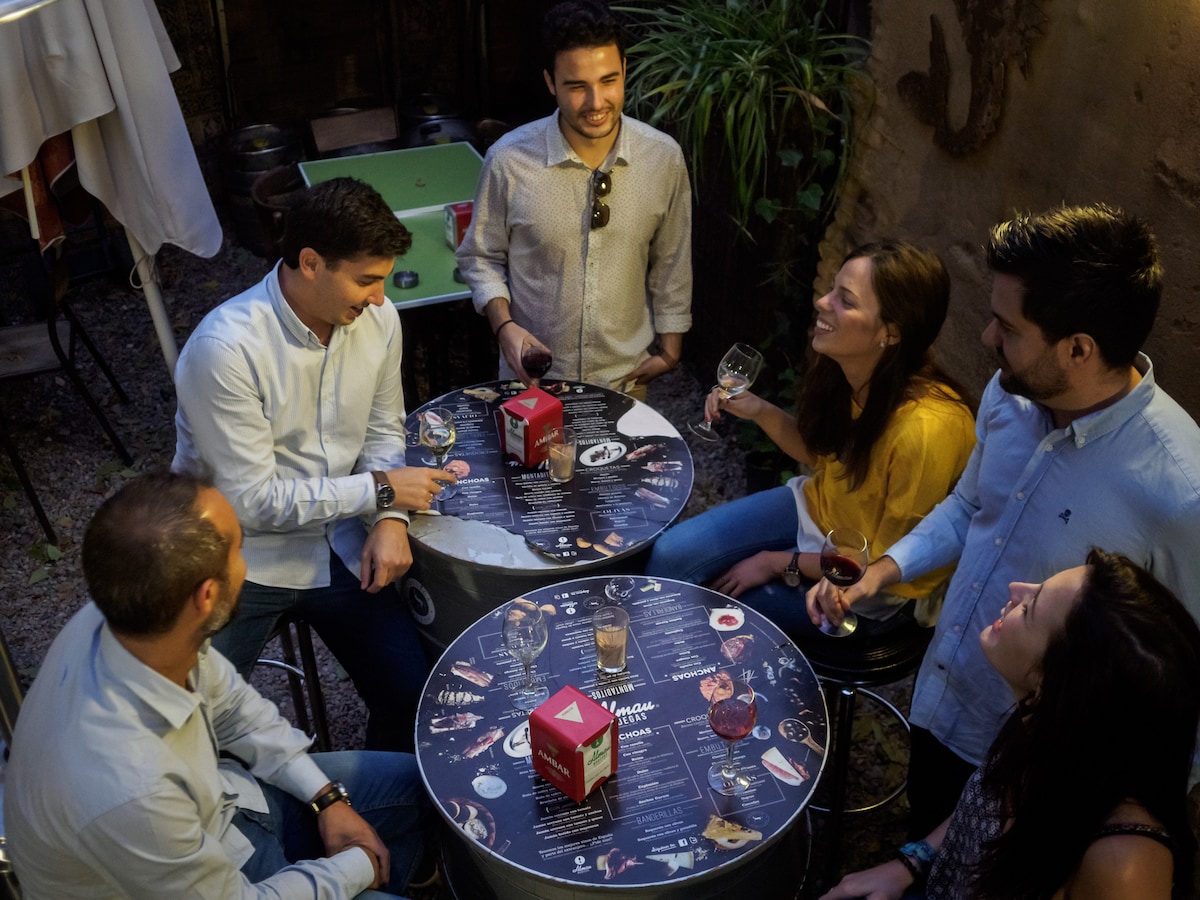
Wine tasting and tapas tour
Fri, Feb 27 • 6:00 PM
50003, Zaragoza, Aragon, Spain
View details

ENCHIRIADIS. DRUMMING
Sat, Feb 28 • 8:00 PM
10 Paseo de Cuéllar #18 50006 Zaragoza
View details
Candlelight: Las Cuatro Estaciones de Vivaldi
Sat, Feb 28 • 7:00 PM
Calle César Augusto, 35, Zaragoza, 50003
View details
Nearby attractions of Caesaraugusta River Harbor Museum
Cathedral of the Savior of Zaragoza
Stone Bridge
Alma Mater Museum
Museo del Foro de Caesaraugusta
Plaza de San Bruno
Cathedral-Basilica of Our Lady of the Pillar
Sala de Exposiciones La Lonja
Plaza del Pilar
Arco del Deán
Tapestry Museum
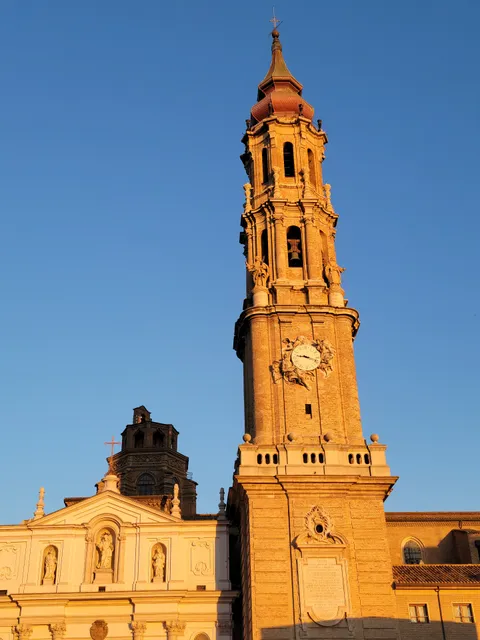
Cathedral of the Savior of Zaragoza
4.7
(3K)
Open 24 hours
Click for details
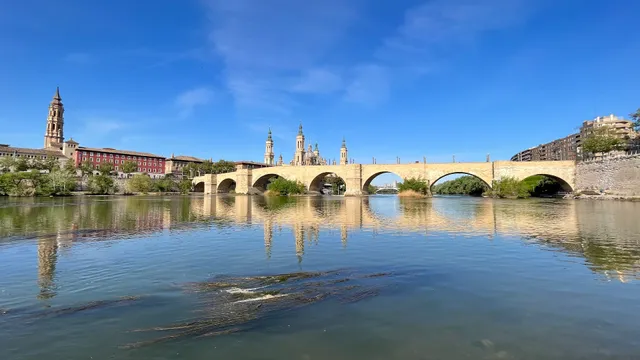
Stone Bridge
4.7
(3.8K)
Open until 12:00 AM
Click for details
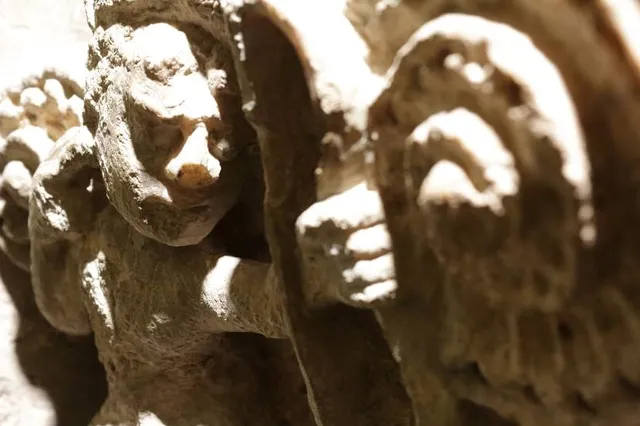
Alma Mater Museum
4.5
(374)
Closed
Click for details
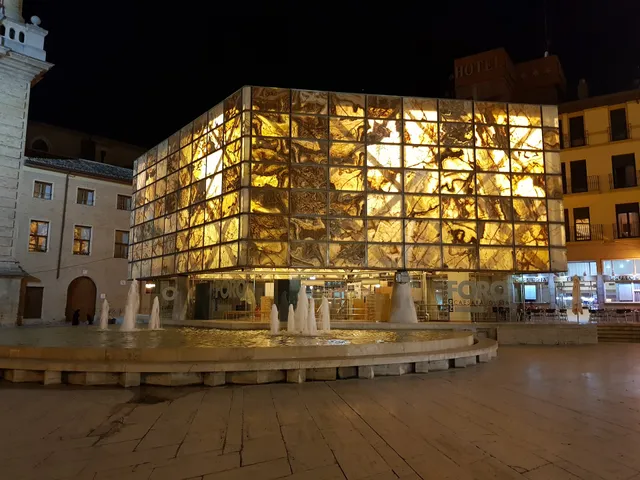
Museo del Foro de Caesaraugusta
4.5
(873)
Closed
Click for details
Nearby restaurants of Caesaraugusta River Harbor Museum
Café Odeón
Tragantúa Gran Taberna
Restaurante Méli Mélo
La Flor de la Sierra
Restaurante La Tagliatella | C/ Don Jaime, Zaragoza
Restaurante El Fuelle
Restaurante Isla Sicilia Zaragoza. Con y Sin Gluten.
Casa Dominó
La Flor de Lis
New York Café
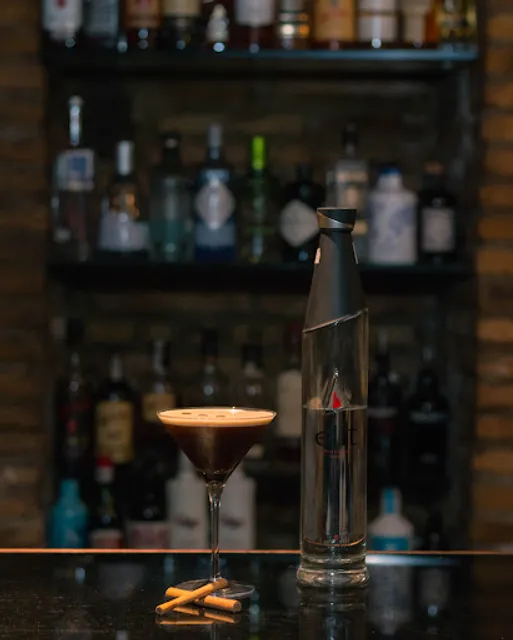
Café Odeón
4.2
(383)
Closed
Click for details
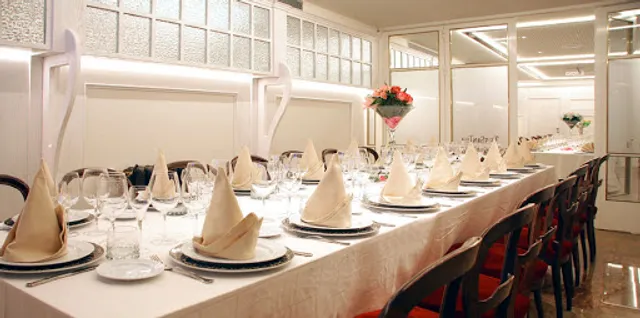
Tragantúa Gran Taberna
4.2
(1.1K)
$$$
Closed
Click for details
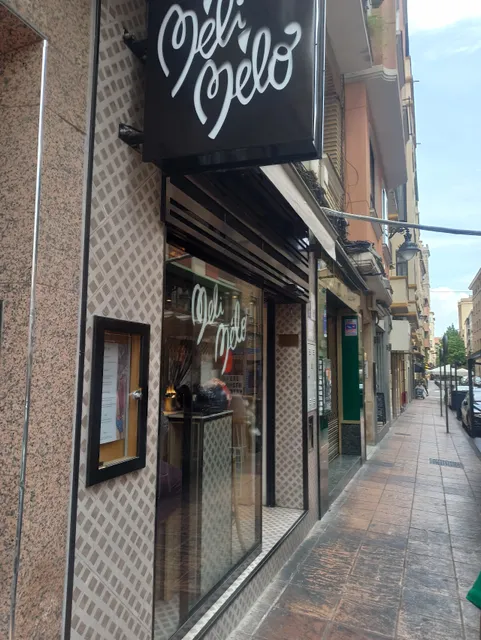
Restaurante Méli Mélo
4.4
(2K)
Closed
Click for details
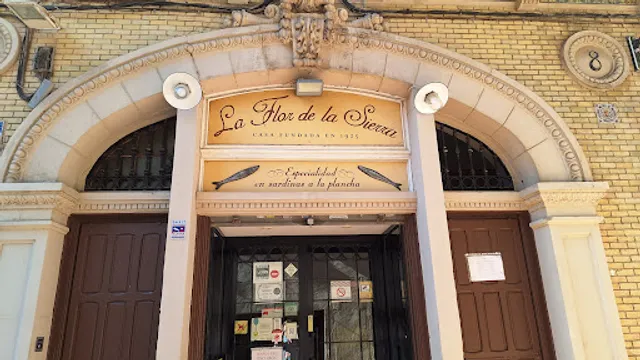
La Flor de la Sierra
4.3
(743)
Closed
Click for details
Nearby local services of Caesaraugusta River Harbor Museum
Catedral del Salvador de Zaragoza
Puente de Piedra
Mercadona
Coco Room Zaragoza.
Basílica de Nuestra Señora del Pilar
Urban Hell Tattoo - Estudio de Tatuajes y Piercings en Zaragoza
MasQueHogares.com
La Casa del Loco
Roman Catholic Archdiocese of Zaragoza
Da Luxe Café Cantante
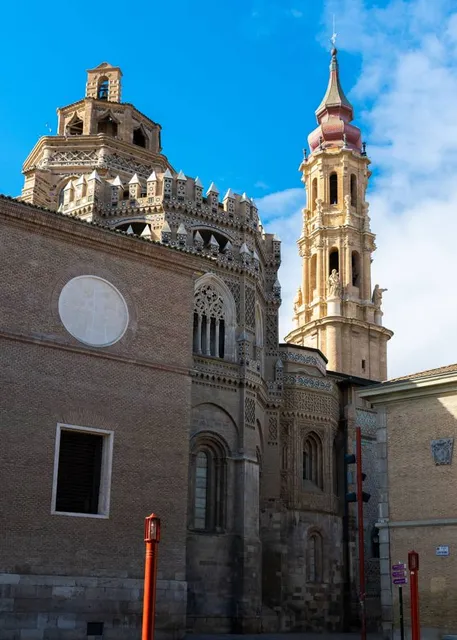
Catedral del Salvador de Zaragoza
4.6
(2.4K)
Click for details
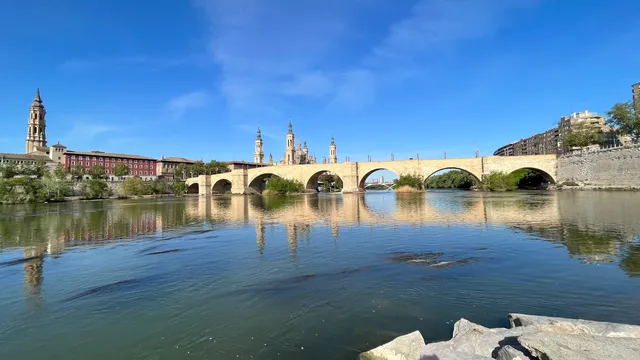
Puente de Piedra
4.7
(3.4K)
Click for details
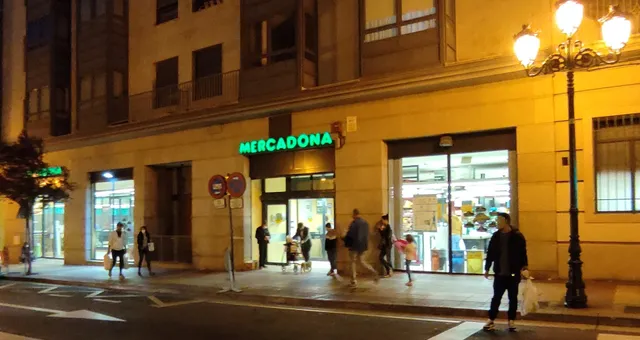
Mercadona
4.1
(1.0K)
Click for details
Coco Room Zaragoza.
4.9
(1.7K)
Click for details