Wat Jed Yot, Phra Aram Luang things to do, attractions, restaurants, events info and trip planning
Basic Info
Wat Jed Yot, Phra Aram Luang
90, Chang Phueak, Mueang Chiang Mai District, Chiang Mai 50300, Thailand
4.7(1.9K)
Open until 6:00 PM
Save
spot
spot
Ratings & Description
Info
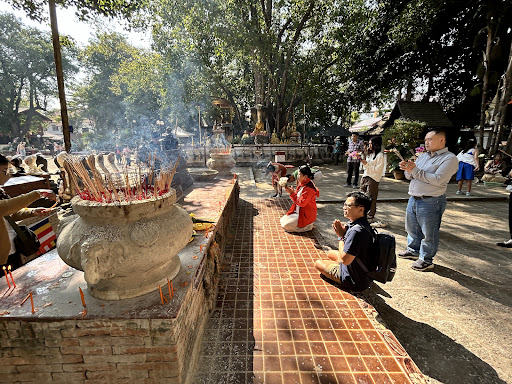
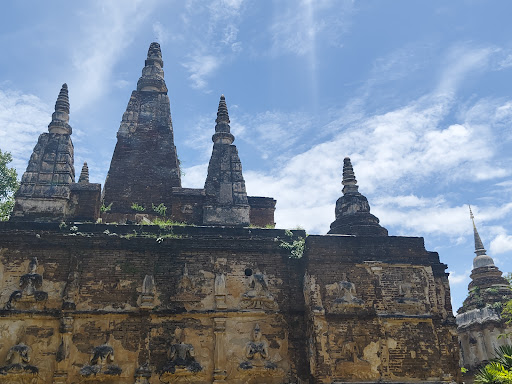
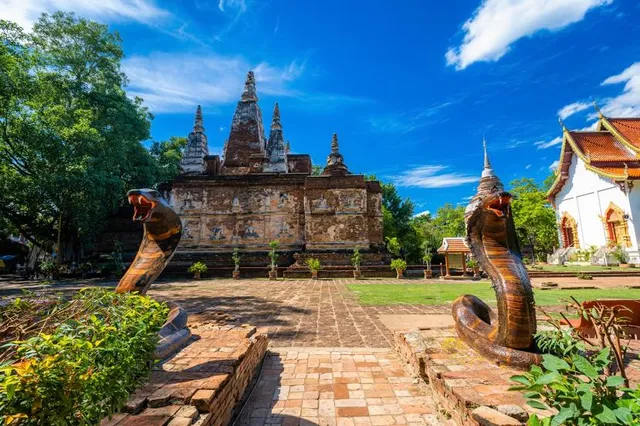
Wat Chet Yot or officially called Wat Photharam Maha Wihan is a Buddhist temple in Chiang Mai in northern Thailand. It is a centre of pilgrimage for those born in the year of the Snake.
Cultural
Family friendly
attractions: Chiang Mai National Museum, Maya Square, restaurants: Thajene Chomchan, TASTY24, Mooyim JimJum Hotpot Restaurant, Yumpumajedyod Chiang Mai, Misora Sushi Bar & Bistro, Som Tam Udon, Cafe Arte, Baan Mae Café & Restaurant, Omnia Cafe & Roastery, The Blue Hut Cafe, local businesses: Green Space Weed Cannabis Social Club | Lounge | Rooftop, MAYA Lifestyle Shopping Center, Daydream sleep salon at The Kannas, Rimping Supermarket, Maya Lifestyle Branch, Salon by Blue, Dot.Cutt, Fathai Apartment ฟ้าไทยอพาร์ทเม้นท์, Think Park, PAÑPURI, I Style Beauty Chiang Mai
 Learn more insights from Wanderboat AI.
Phone
+66 82 749 7499
Open hoursSee all hours
Sun6 AM - 6 PMOpen
Plan your stay

Pet-friendly Hotels in Chiang Mai Province
Find a cozy hotel nearby and make it a full experience.

Affordable Hotels in Chiang Mai Province
Find a cozy hotel nearby and make it a full experience.

The Coolest Hotels You Haven't Heard Of (Yet)
Find a cozy hotel nearby and make it a full experience.

Trending Stays Worth the Hype in Chiang Mai Province
Find a cozy hotel nearby and make it a full experience.
Reviews
Live events
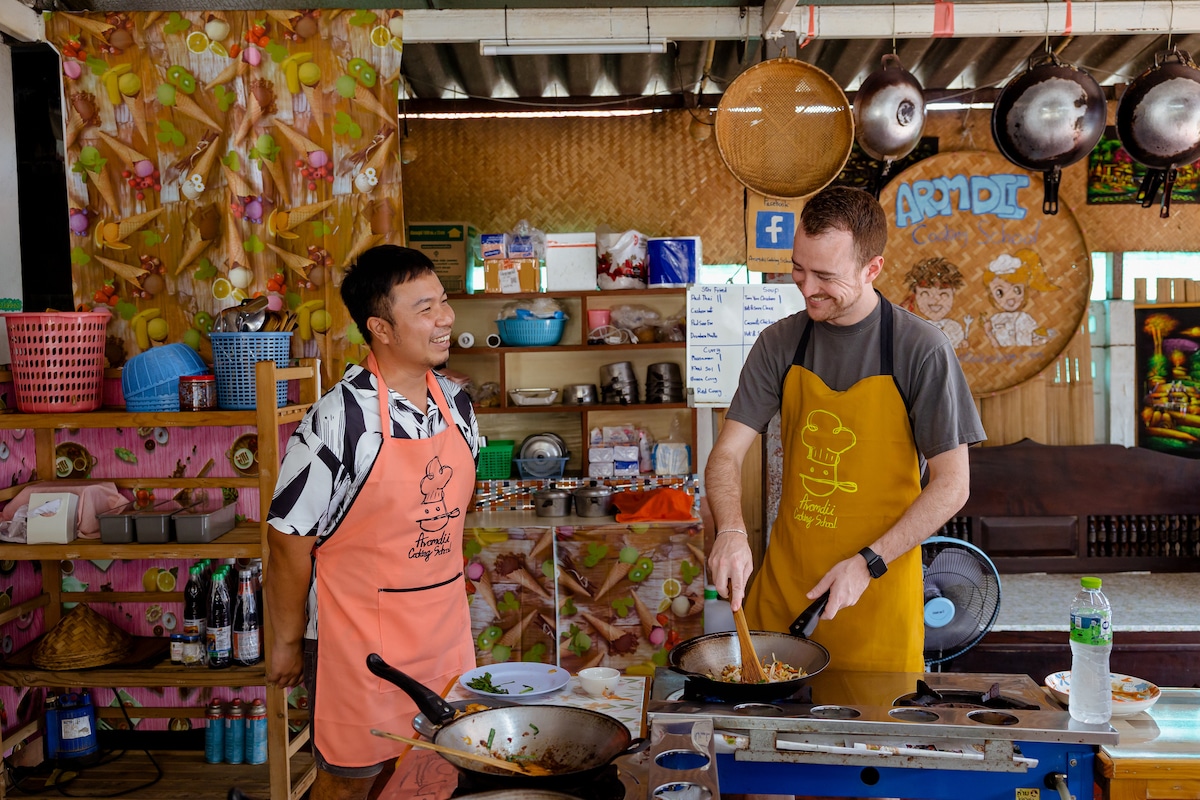
Aromdii Thai cooking
Mon, Feb 23 • 9:00 AM
Haiya Sub-district, Chiang Mai, 50100, Thailand
View details
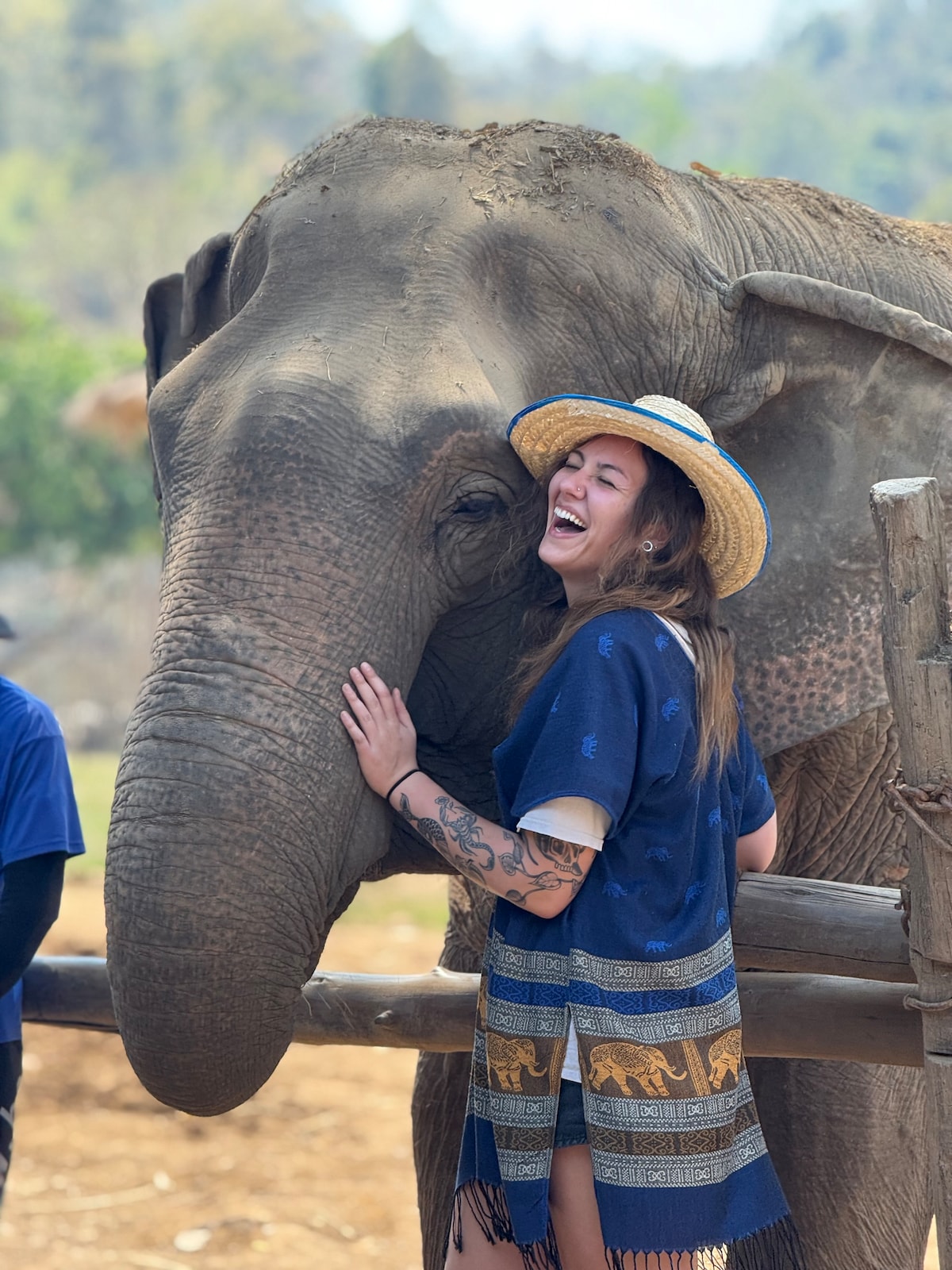
Take care of elephants and sticky waterfalls
Wed, Feb 25 • 8:30 AM
Si Phum, Chiang Mai, 50200, Thailand
View details
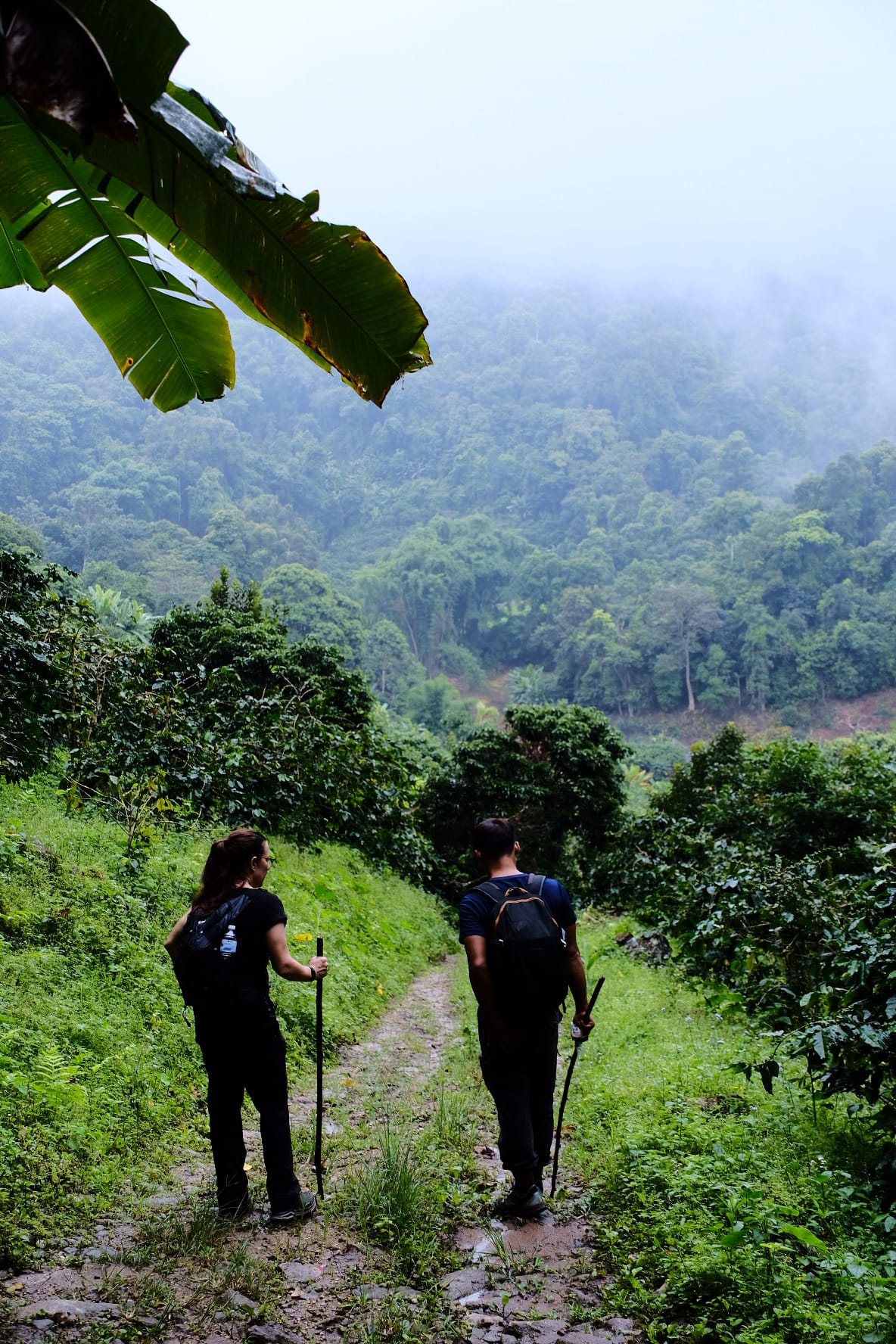
Chiangmai : Doi Pui Summit Hiking Experience
Mon, Feb 23 • 8:00 AM
Si Phum, Chiang Mai, 50100, Thailand
View details
Nearby attractions of Wat Jed Yot, Phra Aram Luang
Chiang Mai National Museum
Maya Square
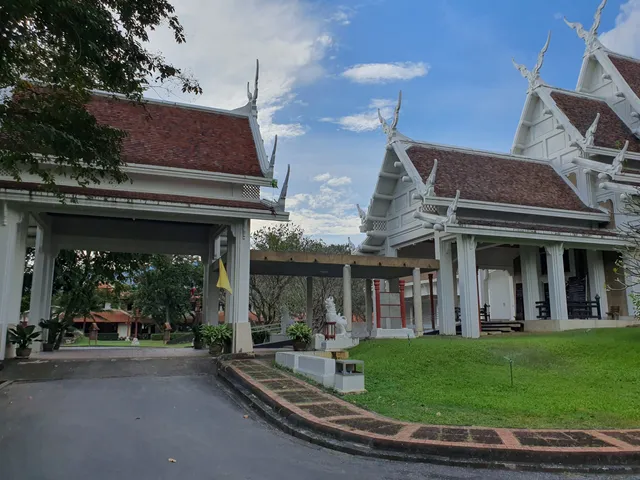
Chiang Mai National Museum
4.2
(467)
Closed
Click for details
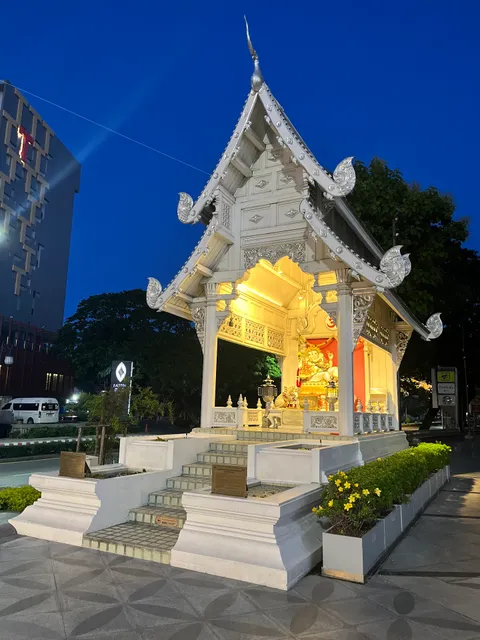
Maya Square
4.5
(112)
Open until 10:00 PM
Click for details
Nearby restaurants of Wat Jed Yot, Phra Aram Luang
Thajene Chomchan
TASTY24
Mooyim JimJum Hotpot Restaurant
Yumpumajedyod Chiang Mai
Misora Sushi Bar & Bistro
Som Tam Udon
Cafe Arte
Baan Mae Café & Restaurant
Omnia Cafe & Roastery
The Blue Hut Cafe
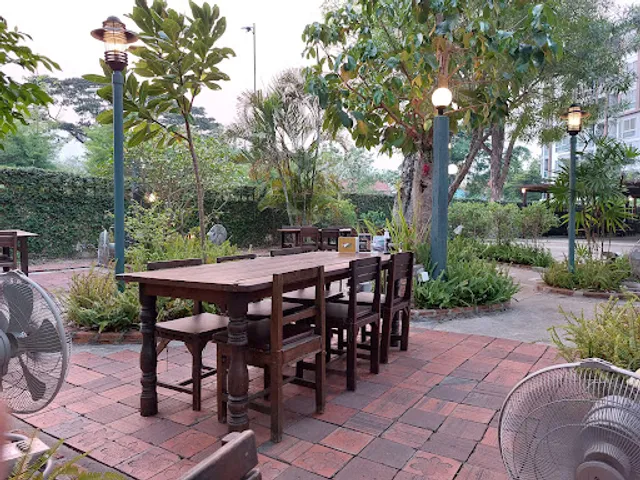
Thajene Chomchan
4.3
(410)
Closed
Click for details
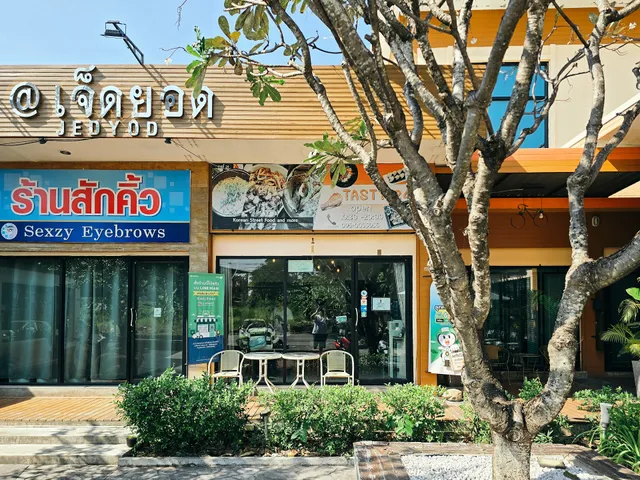
TASTY24
4.7
(89)
Closed
Click for details
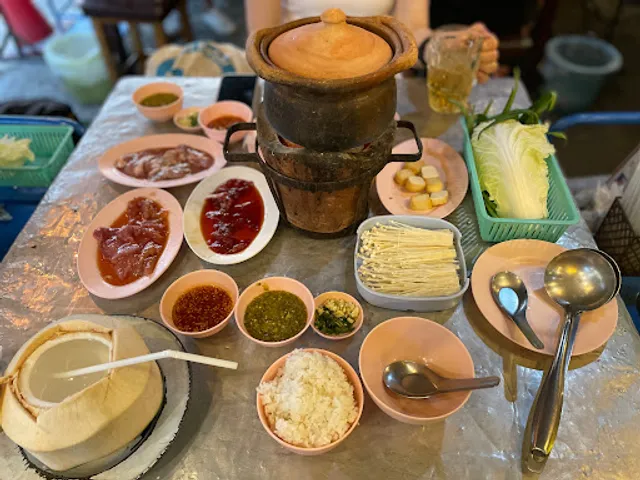
Mooyim JimJum Hotpot Restaurant
4.2
(446)
Closed
Click for details

Yumpumajedyod Chiang Mai
4.6
(1.2K)
Open until 11:30 PM
Click for details
Nearby local services of Wat Jed Yot, Phra Aram Luang
Green Space Weed Cannabis Social Club | Lounge | Rooftop
MAYA Lifestyle Shopping Center
Daydream sleep salon at The Kannas
Rimping Supermarket, Maya Lifestyle Branch
Salon by Blue
Dot.Cutt
Fathai Apartment ฟ้าไทยอพาร์ทเม้นท์
Think Park
PAÑPURI
I Style Beauty Chiang Mai
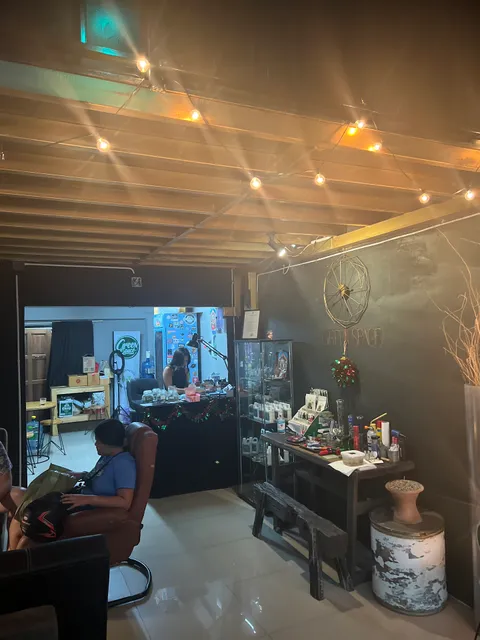
Green Space Weed Cannabis Social Club | Lounge | Rooftop
5.0
(98)
Click for details

MAYA Lifestyle Shopping Center
4.4
(6.5K)
Click for details

Daydream sleep salon at The Kannas
4.9
(465)
Click for details
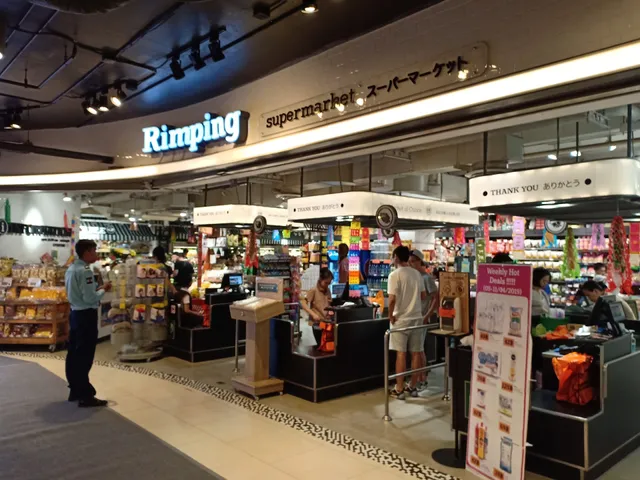
Rimping Supermarket, Maya Lifestyle Branch
4.4
(767)
Click for details