HTML SitemapExplore
logo
Find Things to DoFind The Best Restaurants

Chiang Rai City Pillar Shrine (San Lak Mueang) — Attraction in Chiang Rai Province

Name
Chiang Rai City Pillar Shrine (San Lak Mueang)
Description
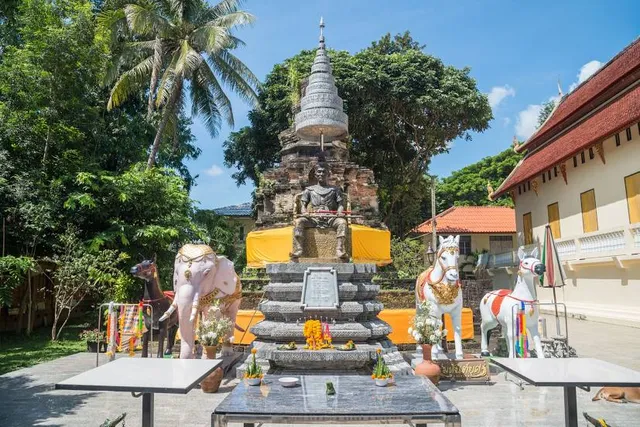
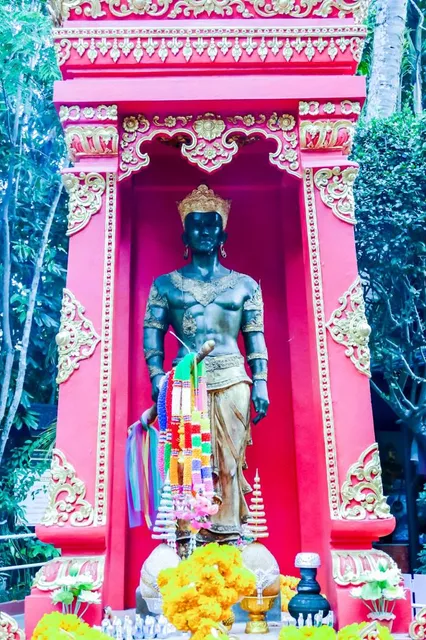
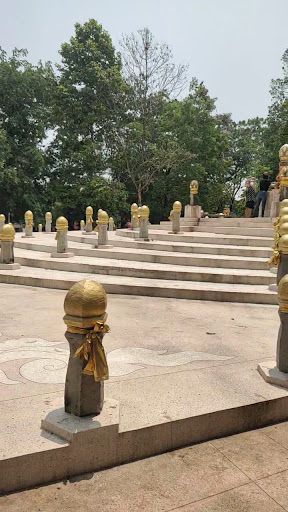
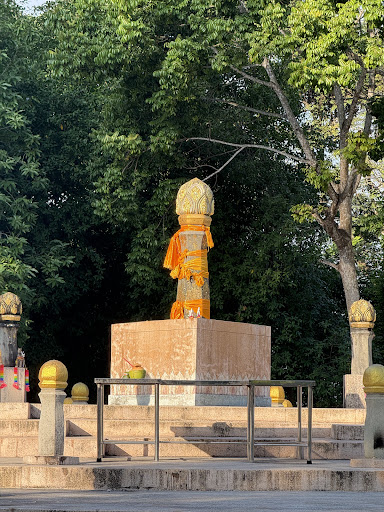
The Navel City Pillar of Chiang Rai was constructed in 1987 on the occasion of the 60th birthday of King Bhumibol Adulyadej and the 725th anniversary of the City of Chiang Rai in northern Thailand.
Nearby attractions
Wat Phra That Doi Chom Thong
WR8F+72M, ArjAmnuay Rd, Rop Wiang Sub-district, Mueang Chiang Rai District, Chiang Rai 57000, Thailand
Wat Doi Ngam Muang
WR6F+XX9, Tambon Wiang, Mueang Chiang Rai District, Chiang Rai 57000, Thailand
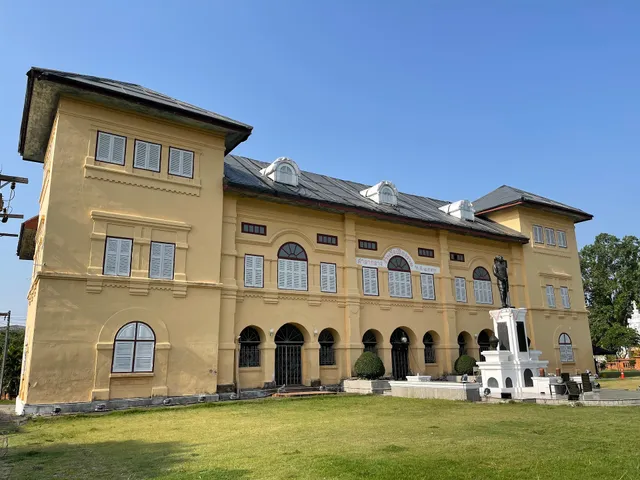
Hongluang Saengkaew Museum
19 หมู่ที่ 1 วัดพระแก้ว 19 หมู่ที่ 1 Trairat Rd, Mueang Chiang Rai District, Chiang Rai 57000, Thailand
Wat Mung Muang
2415 Ruangnakron Rd, Wiang, Mueang Chiang Rai District, Chiang Rai 57000, Thailand
Nearby restaurants
The Hungry Wolf
1131 Kraisorasit, Tambon Wiang, Mueang Chiang Rai District, Chiang Rai 57000, Thailand
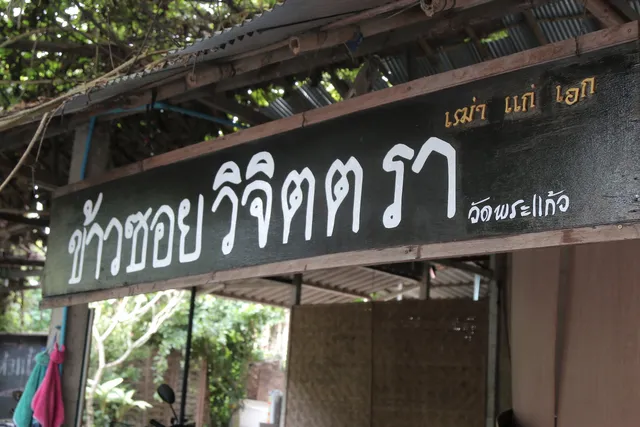
Khao Soi Thao Gae Ek
1 14 Trairat Rd, Tambon Wiang, Mueang Chiang Rai District, Chiang Rai 57000, Thailand
The Peak Wine & Grill เดอะพีค ไวน์ แอนด์ กริลล์
1129 Wiang, Mueang Chiang Rai District, Chiang Rai 57000, Thailand
China Garden Restaurant ไชน่า การ์เด้น เชียงราย
1129 Kraisorasit, Wiang, Mueang Chiang Rai District, Chiang Rai 57000, Thailand
ร้านป้านอม กระเพาะปลา ข้าวขาหมู
72 Uttarakit, Tambon Wiang, Mueang Chiang Rai District, Chiang Rai 57000, Thailand
Simply So
Chiangrai Condotel 72 Uttarakit, Tambon Rop Wiang, Mueang Chiang Rai District, Chiang Rai 57000, Thailand
The Timothy [ Eat What You Love ]
161/20 เวียง เมือง Chiang Rai 57000, Thailand
Come Craft Asian Fusion Cuisine&Thai Food
296, 13 หมู่ 15 Ratyotha Rd, Tambon Rop Wiang, เมือง Chiang Rai 57000, Thailand
Love salmon chiangrai
377 Ngam Muang Rd, Tambon Wiang, Mueang Chiang Rai District, Chiang Rai 57000, Thailand
Baan Lert Ros บ้านเลิศรส
Wiang, Mueang Chiang Rai District, Chiang Rai 57000, Thailand
Nearby hotels
Villa Mungkala Chiang Rai
1100, เวียง, 71 ArjAmnuay Rd, Tambon Rop Wiang, Mueang Chiang Rai District, Chiang Rai 57000, Thailand
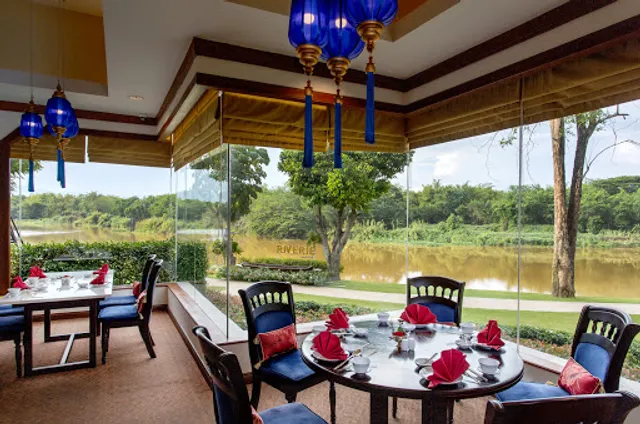
The Riverie by Katathani Chiang Rai
1129 Kraisorasit Road Vieng Maung, Chiang Rai 57000, Thailand
B2 Chiang Rai Boutique & Budget Hotel
393 เวียง 38-40 Thanon Baanpa Pragarn Road, Tambon Wiang, Mueang Chiang Rai District, Chiang Rai 57000, Thailand
Chainarai Riverside Recreation Centre
639 หมู่ที่ 3 ถนน Maefarloung Alley, Tambon Rim Kok, เมือง Chiang Rai 57100, Thailand
Huen Chan Thip
168/2 Thanalai, Wiang, Mueang Chiang Rai District, Chiang Rai 57000, Thailand
Baan Norn Plearn
Wiang, Mueang Chiang Rai District, Chiang Rai 57000, Thailand
โรงแรมลาวีอองโรส เชียงราย LA VIE EN ROSE CHIANG RAI
92 โรงแรมลาวีอองโรส 9 Ratyotha Rd, Tambon Rop Wiang, Mueang Chiang Rai District, Chiang Rai 57000, Thailand
I-House Chiangrai
382/8 Thanon Baanpa Pragarn Road, Wiang, Mueang Chiang Rai District, Chiang Rai 57000, Thailand
Garden House
163/1, Mueang Chiang Rai District, Chiang Rai 57000, Thailand
Related posts
Keywords
Chiang Rai City Pillar Shrine (San Lak Mueang) tourism.Chiang Rai City Pillar Shrine (San Lak Mueang) hotels.Chiang Rai City Pillar Shrine (San Lak Mueang) bed and breakfast. flights to Chiang Rai City Pillar Shrine (San Lak Mueang).Chiang Rai City Pillar Shrine (San Lak Mueang) attractions.Chiang Rai City Pillar Shrine (San Lak Mueang) restaurants.Chiang Rai City Pillar Shrine (San Lak Mueang) travel.Chiang Rai City Pillar Shrine (San Lak Mueang) travel guide.Chiang Rai City Pillar Shrine (San Lak Mueang) travel blog.Chiang Rai City Pillar Shrine (San Lak Mueang) pictures.Chiang Rai City Pillar Shrine (San Lak Mueang) photos.Chiang Rai City Pillar Shrine (San Lak Mueang) travel tips.Chiang Rai City Pillar Shrine (San Lak Mueang) maps.Chiang Rai City Pillar Shrine (San Lak Mueang) things to do.
Chiang Rai City Pillar Shrine (San Lak Mueang) things to do, attractions, restaurants, events info and trip planning
Chiang Rai City Pillar Shrine (San Lak Mueang)
ThailandChiang Rai ProvinceChiang Rai City Pillar Shrine (San Lak Mueang)

Basic Info

Chiang Rai City Pillar Shrine (San Lak Mueang)

25 ถนน ไตรรัตน์ Tambon Rop Wiang, Mueang Chiang Rai District, Chiang Rai 57000, Thailand
4.5(414)
Open 24 hours
Save
spot

Ratings & Description

Info

The Navel City Pillar of Chiang Rai was constructed in 1987 on the occasion of the 60th birthday of King Bhumibol Adulyadej and the 725th anniversary of the City of Chiang Rai in northern Thailand.

Cultural
Family friendly
Accessibility
attractions: Wat Phra That Doi Chom Thong, Wat Doi Ngam Muang, Hongluang Saengkaew Museum, Wat Mung Muang, restaurants: The Hungry Wolf, Khao Soi Thao Gae Ek, The Peak Wine & Grill เดอะพีค ไวน์ แอนด์ กริลล์, China Garden Restaurant ไชน่า การ์เด้น เชียงราย, ร้านป้านอม กระเพาะปลา ข้าวขาหมู, Simply So, The Timothy [ Eat What You Love ], Come Craft Asian Fusion Cuisine&Thai Food, Love salmon chiangrai, Baan Lert Ros บ้านเลิศรส
logoLearn more insights from Wanderboat AI.

Plan your stay

hotel
Pet-friendly Hotels in Chiang Rai Province
Find a cozy hotel nearby and make it a full experience.

hotel
Affordable Hotels in Chiang Rai Province
Find a cozy hotel nearby and make it a full experience.

hotel
The Coolest Hotels You Haven't Heard Of (Yet)
Find a cozy hotel nearby and make it a full experience.

hotel
Trending Stays Worth the Hype in Chiang Rai Province
Find a cozy hotel nearby and make it a full experience.

Reviews

Nearby attractions of Chiang Rai City Pillar Shrine (San Lak Mueang)

Wat Phra That Doi Chom Thong

Wat Doi Ngam Muang

Hongluang Saengkaew Museum

Wat Mung Muang

Wat Phra That Doi Chom Thong

Wat Phra That Doi Chom Thong

4.5

(511)

Open 24 hours
Click for details
Wat Doi Ngam Muang

Wat Doi Ngam Muang

4.6

(238)

Open 24 hours
Click for details
Hongluang Saengkaew Museum

Hongluang Saengkaew Museum

4.5

(53)

Closed
Click for details
Wat Mung Muang

Wat Mung Muang

4.5

(427)

Open 24 hours
Click for details

Things to do nearby

Admire art within nine temples in Chiang Rai
Tue, Dec 9 • 9:00 AM
Tambon Wiang, Chang Wat Chiang Rai, 57000, Thailand
View details
Nearby restaurants of Chiang Rai City Pillar Shrine (San Lak Mueang)

The Hungry Wolf

Khao Soi Thao Gae Ek

The Peak Wine & Grill เดอะพีค ไวน์ แอนด์ กริลล์

China Garden Restaurant ไชน่า การ์เด้น เชียงราย

ร้านป้านอม กระเพาะปลา ข้าวขาหมู

Simply So

The Timothy [ Eat What You Love ]

Come Craft Asian Fusion Cuisine&Thai Food

Love salmon chiangrai

Baan Lert Ros บ้านเลิศรส

The Hungry Wolf

The Hungry Wolf

4.6

(870)

$$

Click for details
Khao Soi Thao Gae Ek

Khao Soi Thao Gae Ek

4.3

(278)

Click for details
The Peak Wine & Grill เดอะพีค ไวน์ แอนด์ กริลล์

The Peak Wine & Grill เดอะพีค ไวน์ แอนด์ กริลล์

4.7

(45)

Click for details
China Garden Restaurant ไชน่า การ์เด้น เชียงราย

China Garden Restaurant ไชน่า การ์เด้น เชียงราย

4.6

(36)

Click for details
Get the Appoverlay
Get the AppOne tap to find yournext favorite spots!
Wanderboat LogoWanderboat

Your everyday Al companion for getaway ideas

CompanyAbout Us
InformationAI Trip PlannerSitemap
SocialXInstagramTiktokLinkedin
LegalTerms of ServicePrivacy Policy

Get the app

© 2025 Wanderboat. All rights reserved.
logo

Reviews of Chiang Rai City Pillar Shrine (San Lak Mueang)

4.5
(414)
avatar
5.0
30w

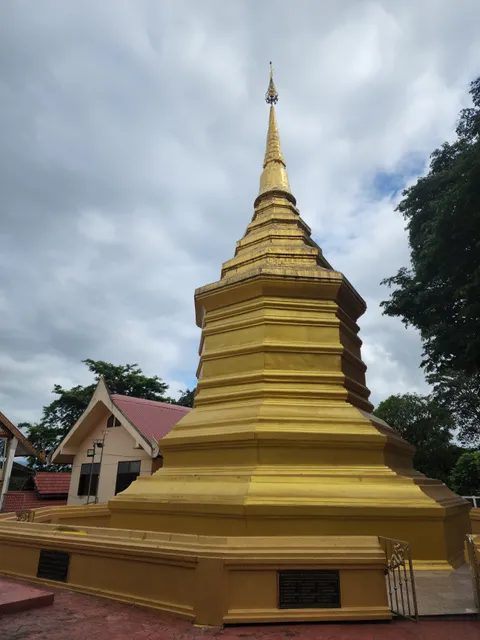
The Chiang Rai City Pillar Shrine (San Lak Mueang), nestled beside Wat Phra That Doi Chom Thong, is a captivating and sacred site that beautifully encapsulates the spiritual and cultural essence of Chiang Rai. This serene shrine is not only a visual delight but also a place of deep historical and spiritual significance. A quick visit here left me in awe of its elegance and tranquility—a true hidden gem worth exploring!

Historical and Cultural Importance

The San Lak Mueang, established in 1988 to commemorate King Mengrai’s 700th anniversary and the 60th birthday of King Bhumibol Adulyadej, serves as the spiritual heart of Chiang Rai. The city pillar, a traditional Thai symbol, is believed to house the city’s guardian spirit, protecting and bringing prosperity to the region. Designed in a striking Khmer style by national artist Chalermchai Kositpipat, the shrine features 108 intricately carved pillars, each representing Buddhist virtues and Lanna heritage. This sacred site is a focal point for locals seeking blessings for good fortune and safety, especially during festivals when offerings of flowers and incense fill the air.

A Serene and Stunning Experience

The shrine’s open-air structure, surrounded by lush greenery and overlooking the Kok River, creates a peaceful ambiance perfect for quiet reflection. The golden pillar, adorned with vibrant cloth and offerings, stands as the centerpiece, exuding a sense of reverence. The area is impeccably clean, with well-maintained grounds that enhance the spiritual atmosphere. The intricate details of the pillars and the subtle Lanna motifs make it a photographer’s delight, especially during the golden hour when the light casts a warm glow.

Why It’s a Must-Visit

Located just a short walk from Chiang Rai’s city center, the shrine is easy to reach and pairs perfectly with a visit to the adjacent Wat Phra That Doi Chom Thong. A 5-10 minute stop is enough to soak in its beauty and significance, making it ideal for travelers with limited time. The lack of crowds adds to its charm, offering a moment of calm amidst Chiang Rai’s bustling attractions. Whether you’re a history buff, a culture enthusiast, or simply seeking a peaceful spot, the San Lak Mueang delivers.

This shrine is a testament to Chiang Rai’s rich heritage and spiritual depth. I highly recommend visiting to experience its quiet beauty and pay respects to the city’s guardian spirit. A truly...

   Read more
avatar
5.0
1y

เสาสะดือเมืองเชียงราย (เสาหลักเมือง) เป็นเครื่องหมายหรือสัญลักษณ์ของการก่อตั้งชุมชนและเมือง สำหรับจังหวัดเชียงรายจะเรียกเสาหลักเมืองว่าเสาสะดือเมือง จากหลักฐานทางประวัติศาสตร์ระบุว่า เมื่อครั้งการสร้างเมืองครั้งแรกใช้คำว่า "เสาสะดือเมือง" ไม่ใช้คำว่าเสาหลักเมือง

เสาสะดือเมืองเชียงรายแห่งนี้สร้างขึ้นในปี พ.ศ. 2530 เนื่องในวโรกาสที่พระบาทสมเด็จพระเจ้าอยู่หัวภูมิพลอดุลยเดชมหาราช รัชกาลที่ 9 ทรงเจริญพระชนมพรรษาครบ 60 พรรษา หรือ 5 รอบ และเป็นการรำลึกถึงพระมหากรุณาธิคุณของพญามังรายมหาราช ผู้ทรงสร้างเมืองเชียงรายเนื่องในวโรกาสการเฉลิมฉลองการสร้างเมืองเชียงรายครบ 725 ปี

ลักษณะของเสาสะดือเมืองเชียงราย สร้างขึ้นโดยยึดตามรูปแบบเสาใจกลางบ้านของชาวไทลื้อซึ่งตั้งถิ่นฐานอยู่ในเขตอำเภอเทิง อำเภอเชียงของ อำเภอพาน จังหวัดเชียงราย ซึ่งปกติเสาใจกลางบ้านของชาวไทลื้อจะสร้างด้วยไม้ แต่เสาสะดือเมืองเชียงรายเป็นเสาหิน ซึ่งสร้างจากหินชั้นดีจากจังหวัดตาก ทั้งนี้เพื่อความคงทนถาวร โดยบริเวณที่ตั้งเสาสะดือเมืองแห่งนี้เรียกว่าดอยจอมทอง ซึ่งตามประวัติศาสตร์กล่าวว่าพญามังรายได้เสด็จมาหาตามช้างของพระองค์ซึ่งหนีเตลิดมา เมื่อพระองค์ได้ทรงพบว่าสถานที่แห่งนี้มีชัยภูมิเหมาะสมในการสร้างบ้านเมือง จึงโปรดให้สร้างเมืองเชียงรายขึ้น

เสาสะดือเมืองเชียงราย สร้างในรูปแบบศิลปะขอมแบบพนมบาแกง โดยยึดตามรูปแบบสมมติของจักรวาล หันหน้าไปสู่ทิศตะวันออก บริเวณด้านนอกสุดเป็นคูน้ำเหมือนในจักรวาล ลานดินถัดจากคูน้ำหมายถึงแผ่นดิน ลานด้านในยกเป็นชั้นๆ จำนวน 6 ชั้น เปรียบเสมือนสวรรค์ทั้ง 6 ชั้น ในกามภูมิ ประกอบด้วยชั้นจาตุมหาราชิกา ดาวดึงส์ ยามะ ดุสิต นิมมานรตี และปรนิมมิตสวัตตี ตามลำดับ โดยแต่ละชั้นจะมีร่องน้ำคั่นกลาง เหมือนปัญจมหานที ได้แก่ คงคา ยมุนา อจิรวดี สรภู และมหิ ไหลลดหลั่นกันลงสู่พื้นดิน ชั้นในสุดยกเป็น 3 ชั้น หมายถึงรูปภูมิ อรูปภูมิ และนิพพาน ตัวเสาสะดือเมืองตั้งโดดเด่นดั่งเขาพระสุเมรุอยู่บนฐานสามเหลี่ยมยกพื้นสูง ซึ่งเปรียบเสมือนตรีกูฏบรรพต หรือผา 3 เส้า มีเสาบริวารล้อมรอบจำนวน 108 ต้น โดยตัวเสาสะดือเมืองมีขนาดใหญ่เท่ากับ 5 กำพระหัตถ์ของพระบาทสมเด็จพระเจ้าอยู่หัวภูมิพลอดุลยเดชมหาราช ซึ่งเป็นไปตามคติความเชื่อของล้านนาโบราณที่จะต้องสร้างเสาสะดือเมืองให้มีขนาดใหญ่เท่ากับ 5 กำพระหัตถ์ และมีความสูงเท่ากับส่วนสูงของพระวรกายของพระมหากษัตริย์

เสาสะดือเมืองเชียงรายและเสาบริวารแกะสลักจากหิน โดยฝีมือของนายสิงห์คำ สมเครือ ช่างฝีมือชาวพะเยา ปัจจุบันเสาสะดือเมืองเชียงรายนอกจากเป็นสถานที่รำลึกถึงการสร้างเมืองเชียงรายแล้ว ยังเป็นสถานที่ท่องเที่ยวที่สำคัญแห่งหนึ่งของจังหวัดเชียงราย

บริเวณข้างเสาสะดือเมืองเชียงราย เป็นที่ตั้งของวัดพระธาตุดอยจอมทอง และเชิงบันไดทางขึ้นไปสู่เสาสะดือเมืองด้านขวามือ มีสิ่งก่อสร้างขนาดย่อมตั้งอยู่ เรียกว่า “กรุวัฒนธรรมเชียงราย” ซึ่งก่อสร้างขึ้นเมืองวันที่ 19 มกราคม พ.ศ. 2544 เพื่อเก็บร่องรอยและหลักฐานทางวัฒนธรรมร่วมสมัยปัจจุบัน ซึ่งกรุวัฒนธรรมเชียงรายนี้จะทำการขุดขึ้นมาอีกครั้งเมื่อมีอายุครบ 100 ปี หรือในวันที่ 19...

   Read more
avatar
4.0
5y

16/8/63 🔆 เสาสะดือเมือง 108 หลัก เสาสะดือเมืองนี้ชาวเชียงรายได้ร่วมใจกันสร้างขึ้นเพื่อเป็นเครื่องรำลึกถึงพระมหากรุณาธิคุณของพญามังราย และเพื่อเฉลิมพระเกียรติพระบาทสมเด็จพระเจ้าอยู่หัว ในวโรกาสมหามงคลพระราชพิธีเฉลิมพระชนมพรรษาครบห้ารอบ โดยได้รับความร่วมมือจากสถาบันวิจัยสังคมมหาวิทยาลัยเชียงใหม่และรัฐบาลเยอรมนี เสาสะดือเมือง 108 หลัก ตั้งอยู่บนรูปแบบสมมุติของจักรวาลอันเป็นคติที่มีมาแต่โบราณ ด้านหน้าหันไปทางทิศตะวันออก ลานรอบนอกหมายถึงแผ่นดิน ล้อมรอบด้วยคูน้ำอันเปรียบได้กับน้ำในขอบจักรวาล รอบในยกขึ้นเป็นหกชั้นหมายถึงสวรรค์ทั้งหกของกามภูมิ แล้วยกขึ้นอีกสามชั้นซึ่งหมายถึงรูปภูมิ อรูปภูมิ และชั้นบนสุดเปรียบได้กับนิพพาน สำหรับตัวเสาสะดือเมืองเป็นดั่งเขาพระสุเมรุ ตั้งอยู่บนฐานสามเหลี่ยม หมายถึงตรีกูฏบรรพตหรือผาสามเส้า ล้อมด้วยเสา 108 ต้น อันหมายถึงสิ่งสำคัญในจักรวาล และล้อมรอบอีกชั้นด้วยร่องน้ำห้าร่องซึ่งเปรียบเป็นปัญจมหานทีลดหลั่นเป็นชั้นไหลลงสู่พื้นดินตามคติโบราณของล้านนา เสาสะดือเมืองจะใหญ่เท่าห้ากำมือและสูงเท่ากับความสูงของพระเจ้าแผ่นดิน โคนเสาสะดือเมืองนี้จึงใหญ่เท่ากับห้าพระหัตถ์กำ และสูงเท่ากับส่วนสูงแห่งพระวรกาย พระบาทสมเด็จพระเจ้าอยู่หัวภูมิพลอดุลยเดช พระองค์ได้เสด็จมาเจิมเสาสะดือเมืองนี้ เมื่อวันที่ 27 ม.ค. 2531ชาวเชียงรายมีความเคารพศรัทธาเสาสะดือเมืองแห่งนี้มาก จึงนิยมมาสรงน้ำเพื่อความร่มเย็นเป็นสุขของชาวเมือง...

   Read more
Page 1 of 7
Previous
Next

Posts

MEHULRAJ NADARMEHULRAJ NADAR
The Chiang Rai City Pillar Shrine (San Lak Mueang), nestled beside Wat Phra That Doi Chom Thong, is a captivating and sacred site that beautifully encapsulates the spiritual and cultural essence of Chiang Rai. This serene shrine is not only a visual delight but also a place of deep historical and spiritual significance. A quick visit here left me in awe of its elegance and tranquility—a true hidden gem worth exploring! Historical and Cultural Importance The San Lak Mueang, established in 1988 to commemorate King Mengrai’s 700th anniversary and the 60th birthday of King Bhumibol Adulyadej, serves as the spiritual heart of Chiang Rai. The city pillar, a traditional Thai symbol, is believed to house the city’s guardian spirit, protecting and bringing prosperity to the region. Designed in a striking Khmer style by national artist Chalermchai Kositpipat, the shrine features 108 intricately carved pillars, each representing Buddhist virtues and Lanna heritage. This sacred site is a focal point for locals seeking blessings for good fortune and safety, especially during festivals when offerings of flowers and incense fill the air. A Serene and Stunning Experience The shrine’s open-air structure, surrounded by lush greenery and overlooking the Kok River, creates a peaceful ambiance perfect for quiet reflection. The golden pillar, adorned with vibrant cloth and offerings, stands as the centerpiece, exuding a sense of reverence. The area is impeccably clean, with well-maintained grounds that enhance the spiritual atmosphere. The intricate details of the pillars and the subtle Lanna motifs make it a photographer’s delight, especially during the golden hour when the light casts a warm glow. Why It’s a Must-Visit Located just a short walk from Chiang Rai’s city center, the shrine is easy to reach and pairs perfectly with a visit to the adjacent Wat Phra That Doi Chom Thong. A 5-10 minute stop is enough to soak in its beauty and significance, making it ideal for travelers with limited time. The lack of crowds adds to its charm, offering a moment of calm amidst Chiang Rai’s bustling attractions. Whether you’re a history buff, a culture enthusiast, or simply seeking a peaceful spot, the San Lak Mueang delivers. This shrine is a testament to Chiang Rai’s rich heritage and spiritual depth. I highly recommend visiting to experience its quiet beauty and pay respects to the city’s guardian spirit. A truly unforgettable stop!
t-rawat wangmaneet-rawat wangmanee
เสาสะดือเมืองเชียงราย (เสาหลักเมือง) เป็นเครื่องหมายหรือสัญลักษณ์ของการก่อตั้งชุมชนและเมือง สำหรับจังหวัดเชียงรายจะเรียกเสาหลักเมืองว่าเสาสะดือเมือง จากหลักฐานทางประวัติศาสตร์ระบุว่า เมื่อครั้งการสร้างเมืองครั้งแรกใช้คำว่า "เสาสะดือเมือง" ไม่ใช้คำว่าเสาหลักเมือง เสาสะดือเมืองเชียงรายแห่งนี้สร้างขึ้นในปี พ.ศ. 2530 เนื่องในวโรกาสที่พระบาทสมเด็จพระเจ้าอยู่หัวภูมิพลอดุลยเดชมหาราช รัชกาลที่ 9 ทรงเจริญพระชนมพรรษาครบ 60 พรรษา หรือ 5 รอบ และเป็นการรำลึกถึงพระมหากรุณาธิคุณของพญามังรายมหาราช ผู้ทรงสร้างเมืองเชียงรายเนื่องในวโรกาสการเฉลิมฉลองการสร้างเมืองเชียงรายครบ 725 ปี ลักษณะของเสาสะดือเมืองเชียงราย สร้างขึ้นโดยยึดตามรูปแบบเสาใจกลางบ้านของชาวไทลื้อซึ่งตั้งถิ่นฐานอยู่ในเขตอำเภอเทิง อำเภอเชียงของ อำเภอพาน จังหวัดเชียงราย ซึ่งปกติเสาใจกลางบ้านของชาวไทลื้อจะสร้างด้วยไม้ แต่เสาสะดือเมืองเชียงรายเป็นเสาหิน ซึ่งสร้างจากหินชั้นดีจากจังหวัดตาก ทั้งนี้เพื่อความคงทนถาวร โดยบริเวณที่ตั้งเสาสะดือเมืองแห่งนี้เรียกว่าดอยจอมทอง ซึ่งตามประวัติศาสตร์กล่าวว่าพญามังรายได้เสด็จมาหาตามช้างของพระองค์ซึ่งหนีเตลิดมา เมื่อพระองค์ได้ทรงพบว่าสถานที่แห่งนี้มีชัยภูมิเหมาะสมในการสร้างบ้านเมือง จึงโปรดให้สร้างเมืองเชียงรายขึ้น เสาสะดือเมืองเชียงราย สร้างในรูปแบบศิลปะขอมแบบพนมบาแกง โดยยึดตามรูปแบบสมมติของจักรวาล หันหน้าไปสู่ทิศตะวันออก บริเวณด้านนอกสุดเป็นคูน้ำเหมือนในจักรวาล ลานดินถัดจากคูน้ำหมายถึงแผ่นดิน ลานด้านในยกเป็นชั้นๆ จำนวน 6 ชั้น เปรียบเสมือนสวรรค์ทั้ง 6 ชั้น ในกามภูมิ ประกอบด้วยชั้นจาตุมหาราชิกา ดาวดึงส์ ยามะ ดุสิต นิมมานรตี และปรนิมมิตสวัตตี ตามลำดับ โดยแต่ละชั้นจะมีร่องน้ำคั่นกลาง เหมือนปัญจมหานที ได้แก่ คงคา ยมุนา อจิรวดี สรภู และมหิ ไหลลดหลั่นกันลงสู่พื้นดิน ชั้นในสุดยกเป็น 3 ชั้น หมายถึงรูปภูมิ อรูปภูมิ และนิพพาน ตัวเสาสะดือเมืองตั้งโดดเด่นดั่งเขาพระสุเมรุอยู่บนฐานสามเหลี่ยมยกพื้นสูง ซึ่งเปรียบเสมือนตรีกูฏบรรพต หรือผา 3 เส้า มีเสาบริวารล้อมรอบจำนวน 108 ต้น โดยตัวเสาสะดือเมืองมีขนาดใหญ่เท่ากับ 5 กำพระหัตถ์ของพระบาทสมเด็จพระเจ้าอยู่หัวภูมิพลอดุลยเดชมหาราช ซึ่งเป็นไปตามคติความเชื่อของล้านนาโบราณที่จะต้องสร้างเสาสะดือเมืองให้มีขนาดใหญ่เท่ากับ 5 กำพระหัตถ์ และมีความสูงเท่ากับส่วนสูงของพระวรกายของพระมหากษัตริย์ เสาสะดือเมืองเชียงรายและเสาบริวารแกะสลักจากหิน โดยฝีมือของนายสิงห์คำ สมเครือ ช่างฝีมือชาวพะเยา ปัจจุบันเสาสะดือเมืองเชียงรายนอกจากเป็นสถานที่รำลึกถึงการสร้างเมืองเชียงรายแล้ว ยังเป็นสถานที่ท่องเที่ยวที่สำคัญแห่งหนึ่งของจังหวัดเชียงราย บริเวณข้างเสาสะดือเมืองเชียงราย เป็นที่ตั้งของวัดพระธาตุดอยจอมทอง และเชิงบันไดทางขึ้นไปสู่เสาสะดือเมืองด้านขวามือ มีสิ่งก่อสร้างขนาดย่อมตั้งอยู่ เรียกว่า “กรุวัฒนธรรมเชียงราย” ซึ่งก่อสร้างขึ้นเมืองวันที่ 19 มกราคม พ.ศ. 2544 เพื่อเก็บร่องรอยและหลักฐานทางวัฒนธรรมร่วมสมัยปัจจุบัน ซึ่งกรุวัฒนธรรมเชียงรายนี้จะทำการขุดขึ้นมาอีกครั้งเมื่อมีอายุครบ 100 ปี หรือในวันที่ 19 มกราคม พ.ศ. 2644
AwAwAw AwAwAwAwAwAw AwAwAw
16/8/63 🔆 เสาสะดือเมือง 108 หลัก เสาสะดือเมืองนี้ชาวเชียงรายได้ร่วมใจกันสร้างขึ้นเพื่อเป็นเครื่องรำลึกถึงพระมหากรุณาธิคุณของพญามังราย และเพื่อเฉลิมพระเกียรติพระบาทสมเด็จพระเจ้าอยู่หัว ในวโรกาสมหามงคลพระราชพิธีเฉลิมพระชนมพรรษาครบห้ารอบ โดยได้รับความร่วมมือจากสถาบันวิจัยสังคมมหาวิทยาลัยเชียงใหม่และรัฐบาลเยอรมนี เสาสะดือเมือง 108 หลัก ตั้งอยู่บนรูปแบบสมมุติของจักรวาลอันเป็นคติที่มีมาแต่โบราณ ด้านหน้าหันไปทางทิศตะวันออก ลานรอบนอกหมายถึงแผ่นดิน ล้อมรอบด้วยคูน้ำอันเปรียบได้กับน้ำในขอบจักรวาล รอบในยกขึ้นเป็นหกชั้นหมายถึงสวรรค์ทั้งหกของกามภูมิ แล้วยกขึ้นอีกสามชั้นซึ่งหมายถึงรูปภูมิ อรูปภูมิ และชั้นบนสุดเปรียบได้กับนิพพาน สำหรับตัวเสาสะดือเมืองเป็นดั่งเขาพระสุเมรุ ตั้งอยู่บนฐานสามเหลี่ยม หมายถึงตรีกูฏบรรพตหรือผาสามเส้า ล้อมด้วยเสา 108 ต้น อันหมายถึงสิ่งสำคัญในจักรวาล และล้อมรอบอีกชั้นด้วยร่องน้ำห้าร่องซึ่งเปรียบเป็นปัญจมหานทีลดหลั่นเป็นชั้นไหลลงสู่พื้นดินตามคติโบราณของล้านนา เสาสะดือเมืองจะใหญ่เท่าห้ากำมือและสูงเท่ากับความสูงของพระเจ้าแผ่นดิน โคนเสาสะดือเมืองนี้จึงใหญ่เท่ากับห้าพระหัตถ์กำ และสูงเท่ากับส่วนสูงแห่งพระวรกาย พระบาทสมเด็จพระเจ้าอยู่หัวภูมิพลอดุลยเดช พระองค์ได้เสด็จมาเจิมเสาสะดือเมืองนี้ เมื่อวันที่ 27 ม.ค. 2531ชาวเชียงรายมีความเคารพศรัทธาเสาสะดือเมืองแห่งนี้มาก จึงนิยมมาสรงน้ำเพื่อความร่มเย็นเป็นสุขของชาวเมือง และเชื่อว่าน้ำที่สรงเสาสะดือเมืองแล้วเป็นน้ำศักดิ์สิทธิ์
See more posts
See more posts
hotel
Find your stay

Pet-friendly Hotels in Chiang Rai Province

Find a cozy hotel nearby and make it a full experience.

The Chiang Rai City Pillar Shrine (San Lak Mueang), nestled beside Wat Phra That Doi Chom Thong, is a captivating and sacred site that beautifully encapsulates the spiritual and cultural essence of Chiang Rai. This serene shrine is not only a visual delight but also a place of deep historical and spiritual significance. A quick visit here left me in awe of its elegance and tranquility—a true hidden gem worth exploring! Historical and Cultural Importance The San Lak Mueang, established in 1988 to commemorate King Mengrai’s 700th anniversary and the 60th birthday of King Bhumibol Adulyadej, serves as the spiritual heart of Chiang Rai. The city pillar, a traditional Thai symbol, is believed to house the city’s guardian spirit, protecting and bringing prosperity to the region. Designed in a striking Khmer style by national artist Chalermchai Kositpipat, the shrine features 108 intricately carved pillars, each representing Buddhist virtues and Lanna heritage. This sacred site is a focal point for locals seeking blessings for good fortune and safety, especially during festivals when offerings of flowers and incense fill the air. A Serene and Stunning Experience The shrine’s open-air structure, surrounded by lush greenery and overlooking the Kok River, creates a peaceful ambiance perfect for quiet reflection. The golden pillar, adorned with vibrant cloth and offerings, stands as the centerpiece, exuding a sense of reverence. The area is impeccably clean, with well-maintained grounds that enhance the spiritual atmosphere. The intricate details of the pillars and the subtle Lanna motifs make it a photographer’s delight, especially during the golden hour when the light casts a warm glow. Why It’s a Must-Visit Located just a short walk from Chiang Rai’s city center, the shrine is easy to reach and pairs perfectly with a visit to the adjacent Wat Phra That Doi Chom Thong. A 5-10 minute stop is enough to soak in its beauty and significance, making it ideal for travelers with limited time. The lack of crowds adds to its charm, offering a moment of calm amidst Chiang Rai’s bustling attractions. Whether you’re a history buff, a culture enthusiast, or simply seeking a peaceful spot, the San Lak Mueang delivers. This shrine is a testament to Chiang Rai’s rich heritage and spiritual depth. I highly recommend visiting to experience its quiet beauty and pay respects to the city’s guardian spirit. A truly unforgettable stop!
MEHULRAJ NADAR

MEHULRAJ NADAR

hotel
Find your stay

Affordable Hotels in Chiang Rai Province

Find a cozy hotel nearby and make it a full experience.

Get the Appoverlay
Get the AppOne tap to find yournext favorite spots!
เสาสะดือเมืองเชียงราย (เสาหลักเมือง) เป็นเครื่องหมายหรือสัญลักษณ์ของการก่อตั้งชุมชนและเมือง สำหรับจังหวัดเชียงรายจะเรียกเสาหลักเมืองว่าเสาสะดือเมือง จากหลักฐานทางประวัติศาสตร์ระบุว่า เมื่อครั้งการสร้างเมืองครั้งแรกใช้คำว่า "เสาสะดือเมือง" ไม่ใช้คำว่าเสาหลักเมือง เสาสะดือเมืองเชียงรายแห่งนี้สร้างขึ้นในปี พ.ศ. 2530 เนื่องในวโรกาสที่พระบาทสมเด็จพระเจ้าอยู่หัวภูมิพลอดุลยเดชมหาราช รัชกาลที่ 9 ทรงเจริญพระชนมพรรษาครบ 60 พรรษา หรือ 5 รอบ และเป็นการรำลึกถึงพระมหากรุณาธิคุณของพญามังรายมหาราช ผู้ทรงสร้างเมืองเชียงรายเนื่องในวโรกาสการเฉลิมฉลองการสร้างเมืองเชียงรายครบ 725 ปี ลักษณะของเสาสะดือเมืองเชียงราย สร้างขึ้นโดยยึดตามรูปแบบเสาใจกลางบ้านของชาวไทลื้อซึ่งตั้งถิ่นฐานอยู่ในเขตอำเภอเทิง อำเภอเชียงของ อำเภอพาน จังหวัดเชียงราย ซึ่งปกติเสาใจกลางบ้านของชาวไทลื้อจะสร้างด้วยไม้ แต่เสาสะดือเมืองเชียงรายเป็นเสาหิน ซึ่งสร้างจากหินชั้นดีจากจังหวัดตาก ทั้งนี้เพื่อความคงทนถาวร โดยบริเวณที่ตั้งเสาสะดือเมืองแห่งนี้เรียกว่าดอยจอมทอง ซึ่งตามประวัติศาสตร์กล่าวว่าพญามังรายได้เสด็จมาหาตามช้างของพระองค์ซึ่งหนีเตลิดมา เมื่อพระองค์ได้ทรงพบว่าสถานที่แห่งนี้มีชัยภูมิเหมาะสมในการสร้างบ้านเมือง จึงโปรดให้สร้างเมืองเชียงรายขึ้น เสาสะดือเมืองเชียงราย สร้างในรูปแบบศิลปะขอมแบบพนมบาแกง โดยยึดตามรูปแบบสมมติของจักรวาล หันหน้าไปสู่ทิศตะวันออก บริเวณด้านนอกสุดเป็นคูน้ำเหมือนในจักรวาล ลานดินถัดจากคูน้ำหมายถึงแผ่นดิน ลานด้านในยกเป็นชั้นๆ จำนวน 6 ชั้น เปรียบเสมือนสวรรค์ทั้ง 6 ชั้น ในกามภูมิ ประกอบด้วยชั้นจาตุมหาราชิกา ดาวดึงส์ ยามะ ดุสิต นิมมานรตี และปรนิมมิตสวัตตี ตามลำดับ โดยแต่ละชั้นจะมีร่องน้ำคั่นกลาง เหมือนปัญจมหานที ได้แก่ คงคา ยมุนา อจิรวดี สรภู และมหิ ไหลลดหลั่นกันลงสู่พื้นดิน ชั้นในสุดยกเป็น 3 ชั้น หมายถึงรูปภูมิ อรูปภูมิ และนิพพาน ตัวเสาสะดือเมืองตั้งโดดเด่นดั่งเขาพระสุเมรุอยู่บนฐานสามเหลี่ยมยกพื้นสูง ซึ่งเปรียบเสมือนตรีกูฏบรรพต หรือผา 3 เส้า มีเสาบริวารล้อมรอบจำนวน 108 ต้น โดยตัวเสาสะดือเมืองมีขนาดใหญ่เท่ากับ 5 กำพระหัตถ์ของพระบาทสมเด็จพระเจ้าอยู่หัวภูมิพลอดุลยเดชมหาราช ซึ่งเป็นไปตามคติความเชื่อของล้านนาโบราณที่จะต้องสร้างเสาสะดือเมืองให้มีขนาดใหญ่เท่ากับ 5 กำพระหัตถ์ และมีความสูงเท่ากับส่วนสูงของพระวรกายของพระมหากษัตริย์ เสาสะดือเมืองเชียงรายและเสาบริวารแกะสลักจากหิน โดยฝีมือของนายสิงห์คำ สมเครือ ช่างฝีมือชาวพะเยา ปัจจุบันเสาสะดือเมืองเชียงรายนอกจากเป็นสถานที่รำลึกถึงการสร้างเมืองเชียงรายแล้ว ยังเป็นสถานที่ท่องเที่ยวที่สำคัญแห่งหนึ่งของจังหวัดเชียงราย บริเวณข้างเสาสะดือเมืองเชียงราย เป็นที่ตั้งของวัดพระธาตุดอยจอมทอง และเชิงบันไดทางขึ้นไปสู่เสาสะดือเมืองด้านขวามือ มีสิ่งก่อสร้างขนาดย่อมตั้งอยู่ เรียกว่า “กรุวัฒนธรรมเชียงราย” ซึ่งก่อสร้างขึ้นเมืองวันที่ 19 มกราคม พ.ศ. 2544 เพื่อเก็บร่องรอยและหลักฐานทางวัฒนธรรมร่วมสมัยปัจจุบัน ซึ่งกรุวัฒนธรรมเชียงรายนี้จะทำการขุดขึ้นมาอีกครั้งเมื่อมีอายุครบ 100 ปี หรือในวันที่ 19 มกราคม พ.ศ. 2644
t-rawat wangmanee

t-rawat wangmanee

hotel
Find your stay

The Coolest Hotels You Haven't Heard Of (Yet)

Find a cozy hotel nearby and make it a full experience.

hotel
Find your stay

Trending Stays Worth the Hype in Chiang Rai Province

Find a cozy hotel nearby and make it a full experience.

16/8/63 🔆 เสาสะดือเมือง 108 หลัก เสาสะดือเมืองนี้ชาวเชียงรายได้ร่วมใจกันสร้างขึ้นเพื่อเป็นเครื่องรำลึกถึงพระมหากรุณาธิคุณของพญามังราย และเพื่อเฉลิมพระเกียรติพระบาทสมเด็จพระเจ้าอยู่หัว ในวโรกาสมหามงคลพระราชพิธีเฉลิมพระชนมพรรษาครบห้ารอบ โดยได้รับความร่วมมือจากสถาบันวิจัยสังคมมหาวิทยาลัยเชียงใหม่และรัฐบาลเยอรมนี เสาสะดือเมือง 108 หลัก ตั้งอยู่บนรูปแบบสมมุติของจักรวาลอันเป็นคติที่มีมาแต่โบราณ ด้านหน้าหันไปทางทิศตะวันออก ลานรอบนอกหมายถึงแผ่นดิน ล้อมรอบด้วยคูน้ำอันเปรียบได้กับน้ำในขอบจักรวาล รอบในยกขึ้นเป็นหกชั้นหมายถึงสวรรค์ทั้งหกของกามภูมิ แล้วยกขึ้นอีกสามชั้นซึ่งหมายถึงรูปภูมิ อรูปภูมิ และชั้นบนสุดเปรียบได้กับนิพพาน สำหรับตัวเสาสะดือเมืองเป็นดั่งเขาพระสุเมรุ ตั้งอยู่บนฐานสามเหลี่ยม หมายถึงตรีกูฏบรรพตหรือผาสามเส้า ล้อมด้วยเสา 108 ต้น อันหมายถึงสิ่งสำคัญในจักรวาล และล้อมรอบอีกชั้นด้วยร่องน้ำห้าร่องซึ่งเปรียบเป็นปัญจมหานทีลดหลั่นเป็นชั้นไหลลงสู่พื้นดินตามคติโบราณของล้านนา เสาสะดือเมืองจะใหญ่เท่าห้ากำมือและสูงเท่ากับความสูงของพระเจ้าแผ่นดิน โคนเสาสะดือเมืองนี้จึงใหญ่เท่ากับห้าพระหัตถ์กำ และสูงเท่ากับส่วนสูงแห่งพระวรกาย พระบาทสมเด็จพระเจ้าอยู่หัวภูมิพลอดุลยเดช พระองค์ได้เสด็จมาเจิมเสาสะดือเมืองนี้ เมื่อวันที่ 27 ม.ค. 2531ชาวเชียงรายมีความเคารพศรัทธาเสาสะดือเมืองแห่งนี้มาก จึงนิยมมาสรงน้ำเพื่อความร่มเย็นเป็นสุขของชาวเมือง และเชื่อว่าน้ำที่สรงเสาสะดือเมืองแล้วเป็นน้ำศักดิ์สิทธิ์
AwAwAw AwAwAw

AwAwAw AwAwAw

See more posts
See more posts