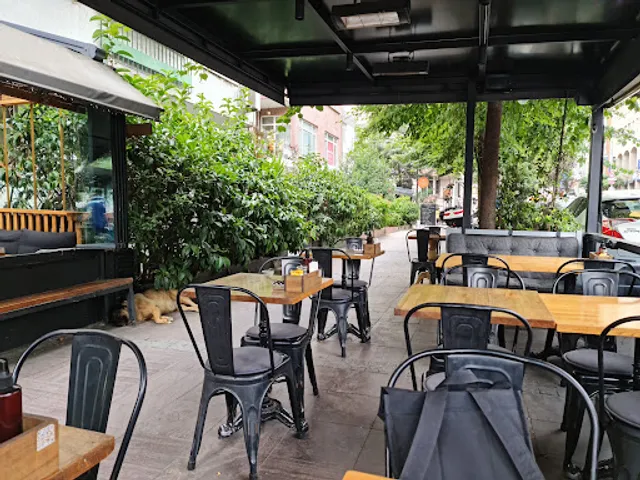
Free entrance with your Müze Kart. You can also enjoy the views with a nice breakfast or lunch at the territory.
Ihlamur Valley is located between the hills of Beşiktaş, Yıldız and Nişantaşı. According to historical sources, from the 18th century to the early 20th century, it was a country excursion spot where the Fulya stream within the valley was shaded by plane trees and linden trees.
The lower part of the valley which includes the Ihlamur Pavilions belonged to Hacı Hüseyin Agha, the administrator of the imperial dockyard during the reign of Sultan Ahmed III (1703-1730). Later it was owned by the state and laid out as an imperial garden. Some archery stones commemorating distance shooting records in the upper part of the valley indicate that Sultan Selim III (1789-1807) and Sultan Mahmud II (1808-1839) held shooting contests with other archers near the Yıldız district. These stones are inscribed with the distances, placings, and dates of the sultans’ shots at targets consisting of jugs filled with water. During the reign of Sultan Abdülmecid (1839-1861), the third part of the valley was planted and terraced to form the “Conversation Garden”.
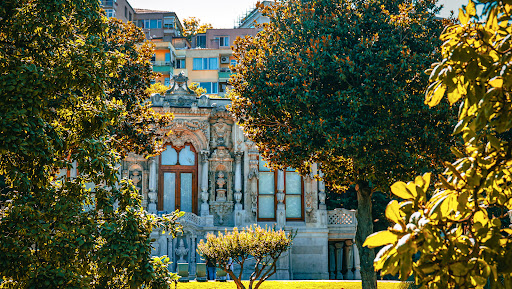
The French poet Lamartine stayed at Ihlamur Pavilions in 1846 as a guest of the Sultan. In his memoirs, he described Ihlamur and its environs as follows: “The building faces a garden with beautiful chestnut trees and big linden trees from which the valley took its name. In front of the three-stepped stairs of the pavilion, there is a small fountain shorter than the branches of jasmine whose water falls into the marble pool with a sweet gurgle. Ihlamur is Sultan’s favorite pavilion, where he rests and meditates.” In place of this modest pavilion that Lamartine mentioned, Sultan Abdülmecid had two pavilions built between the years 1848-1855 and renamed this place “Nüzhetiye” which means “relief, freshness, joy, and happiness.”
During the reign of Sultan Abdülaziz (1861-1876), various entertainments and wrestling matches were held in the imperial garden. This continued to be a popular place for subsequent sultans and their families. After the proclamation of the Republic, Ihlamur Pavilions were assigned to the İstanbul Municipality in 1951 by the Turkish Grand National Assembly and used to house the Tanzimat (Reorganization) Museum.
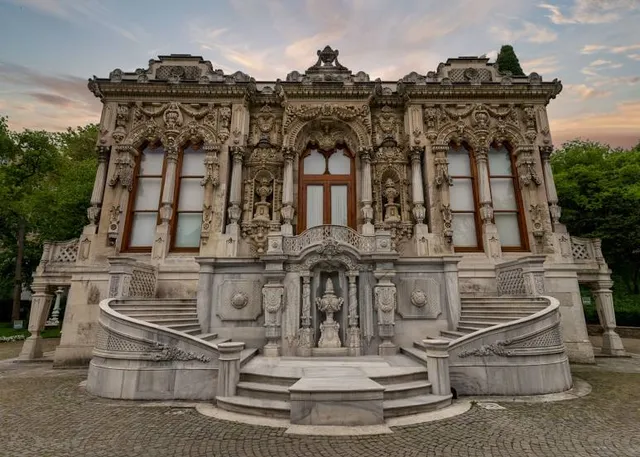
The Ihlamur Pavilions were allocated to National Palaces in 1966 and when landscaping work was completed they were opened to the public as a museum with their original furnishings in 1985. The Ceremonial Pavilion was used as the Sultan’s office and for receptions and the Retinue Pavilion was assigned to the Sultan’s entourage and family. The pavilions were used mostly for day trips by the sultans, and also to entertain foreign statesmen.
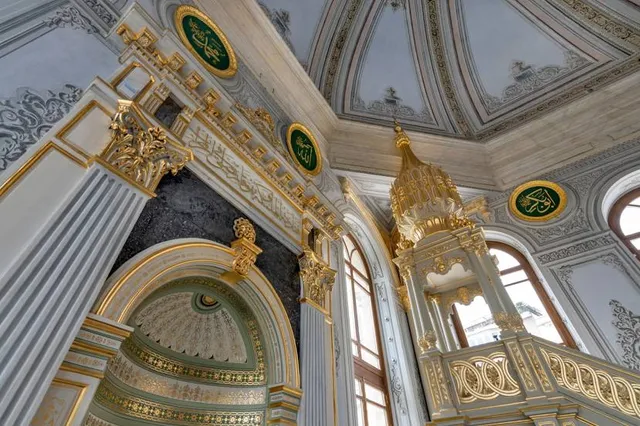
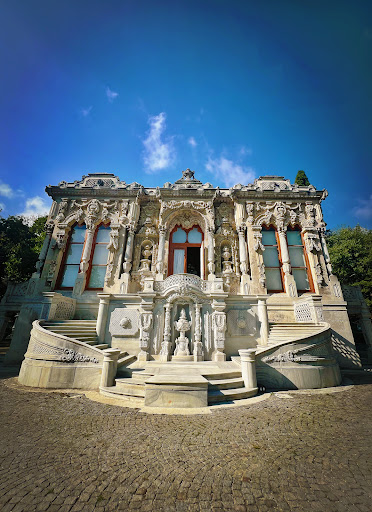
The Ceremonial Pavilion is a remarkable work of architecture with its entrance hall and two rooms on either side of the hall, the baroque-styled staircase at the façade, and its spectacular relief decoration.
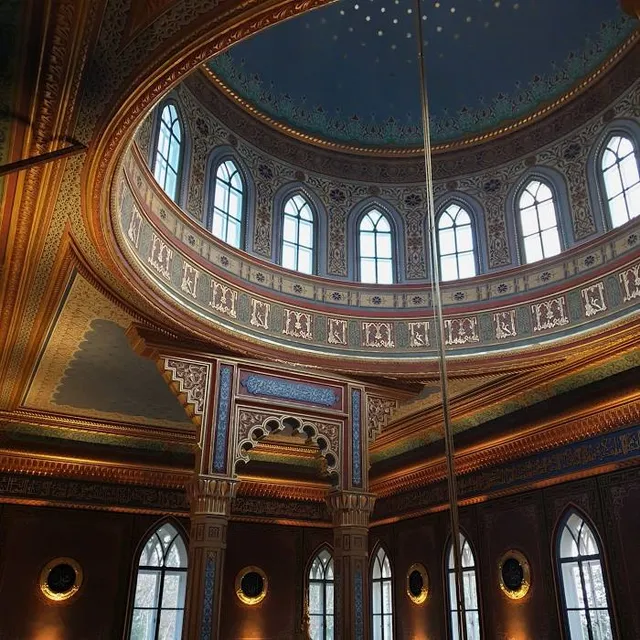
The interior decoration of the pavilion is in Western-style which was preferred in the 19th century Ottoman palaces. Various styled European furniture and furnishings are in unison with the decoration.
The Retinue Pavilion, on the other hand, has traditional architecture with a hall-like room surrounded by rooms at the corners. Stucco work imitating marble was used on its walls in...
Read moreTA Majestic Retreat in the Heart of Istanbul👌🏻👌🏻👌🏻 Ihlamur Palace in Istanbul is a hidden gem that offers visitors a serene and enchanting escape from the bustling city. Nestled amidst lush greenery and majestic trees, this magnificent palace exudes a sense of tranquility and regality that is truly unparalleled. As a visitor who appreciates both historical significance and natural beauty, I found Ihlamur Palace to be a captivating destination that left an indelible impression. The first thing that struck me upon arriving at Ihlamur Palace was its elegant and well-preserved architecture. Dating back to the Ottoman era, the palace showcases stunning examples of Ottoman Rococo and Baroque styles, reflecting the grandeur of the period. The delicate details, intricate carvings, and graceful archways are a testament to the exquisite craftsmanship and architectural prowess of the time. Stepping into the palace's interior is like stepping into a bygone era of opulence and refinement. The rooms are adorned with lavish decorations, ornate chandeliers, and intricate ceiling designs, transporting visitors to a time when the palace was the epitome of luxury and extravagance. Exploring the rooms, each with its unique charm, is a journey that allows one to imagine the palace's rich history and the lives of the prominent figures who once graced its halls. One of the highlights of Ihlamur Palace is its beautiful gardens, which offer a welcome respite from the city's hustle and bustle. The sprawling grounds are meticulously landscaped, featuring vibrant flowers, meticulously manicured lawns, and serene pathways. Walking through the gardens, I felt a sense of tranquility enveloping me, as if time had stood still. It's the perfect place to relax, enjoy a leisurely stroll, or find a quiet spot to immerse oneself in a good book. The palace's Tea Garden is a delightful addition to the overall experience. Situated in a charming pavilion, it offers panoramic views of the gardens while serving traditional Turkish tea and delicacies. Sipping tea amidst such a serene and picturesque setting is a truly blissful experience, allowing visitors to unwind and soak in the beauty of their surroundings. What truly sets Ihlamur Palace apart is its sense of intimacy. Unlike some of the more popular tourist attractions, the palace is relatively lesser-known, resulting in a more peaceful and intimate visit. The absence of large crowds allows visitors to fully appreciate the palace's grandeur and connect with its history on a more personal level. The knowledgeable staff members are friendly and readily available to provide insights and anecdotes, enhancing the overall experience. In conclusion, Ihlamur Palace is a hidden oasis that showcases the splendor of Istanbul's history and offers a serene retreat from the modern world. Its awe-inspiring architecture, meticulously landscaped gardens, and tranquil ambiance create an unforgettable experience. Whether you are a history enthusiast, a nature lover, or simply seeking a peaceful escape, Ihlamur Palace is an absolute must-visit. Prepare to be transported to a world of elegance, beauty, and tranquility as you explore the hidden wonders of this...
Read moreIhlamur Palace is a former imperial Ottoman summer pavilion. It was constructed during the reign of Sultan Abdülmecid I (1839-1860). It is under the administration of the Turkish Directorate of National Palaces.
According to historical sources, from the 18th century to the early 20th century, it was a country excursion spot where the Fulya stream within the valley was shaded by plane trees and linden trees. The lower part of the valley which includes the Ihlamur Pavilions belonged to Hacı Hüseyin Agha, the administrator of the imperial dockyard during the reign of Sultan Ahmed III (1703-1730). Later it was owned by the state and laid out as an imperial garden. Some archery stones commemorating distance shooting records in the upper part of the valley indicate that Sultan Selim III (1789-1807) and Sultan Mahmud II (1808-1839) held shooting contests with other archers near the Yıldız district. These stones are inscribed with the distances, placings, and dates of the sultans’ shots at targets consisting of jugs filled with water. During the reign of Sultan Abdülmecid (1839-1861), the third part of the valley was planted and terraced to form the “Conversation Garden”. The French poet Lamartine stayed at Ihlamur Pavilions in 1846 as a guest of the Sultan. In his memoirs, he described Ihlamur and its environs as follows: “The building faces a garden with beautiful chestnut trees and big linden trees from which the valley took its name. In front of the three-stepped stairs of the pavilion, there is a small fountain shorter than the branches of jasmine whose water falls into the marble pool with a sweet gurgle. Ihlamur is Sultan’s favorite pavilion, where he rests and meditates.” In place of this modest pavilion that Lamartine mentioned, Sultan Abdülmecid had two pavilions built between the years 1848-1855 and renamed this place “Nüzhetiye” which means “relief, freshness, joy, and happiness.” During the reign of Sultan Abdülaziz (1861-1876), various entertainments and wrestling matches were held in the imperial garden. This continued to be a popular place for subsequent sultans and their families. After the proclamation of the Republic, Ihlamur Pavilions were assigned to the İstanbul Municipality in 1951 by the Turkish Grand National Assembly and used to house the Tanzimat...
Read more