HTML SitemapExplore
logo
Find Things to DoFind The Best Restaurants

Dolmabahçe Mosque — Attraction in Beyoğlu

Name
Dolmabahçe Mosque
Description
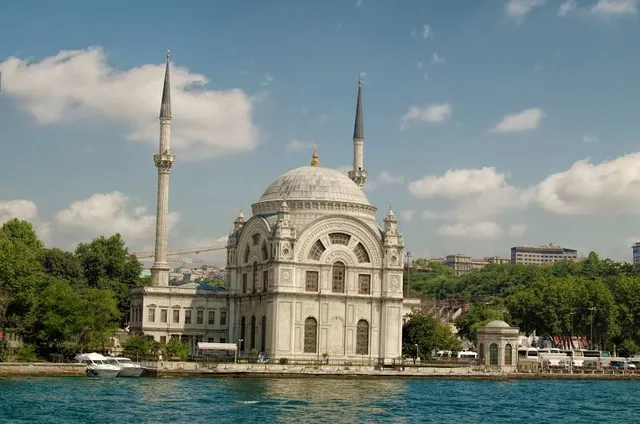
The Dolmabahçe Mosque is a baroque waterside mosque in Kabataş in the Beyoğlu district of Istanbul, Turkey, close to the Dolmabahçe Palace. It was commissioned by Queen Mother Bezmialem Valide Sultan and designed by the Turkish Armenian architect, Garabet Balyan in 1855.
Nearby attractions
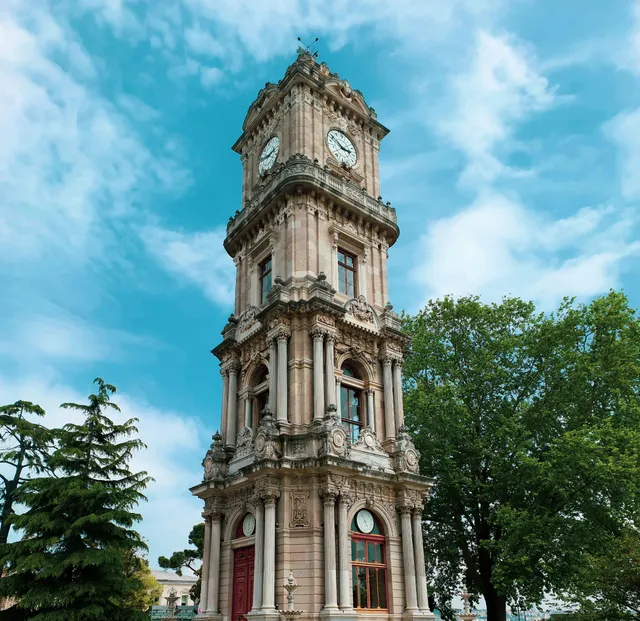
Dolmabahçe Clock Tower
Vişnezade, Meclis-i Mebusan Cd. 38 A, 34357 Beşiktaş/İstanbul, Türkiye
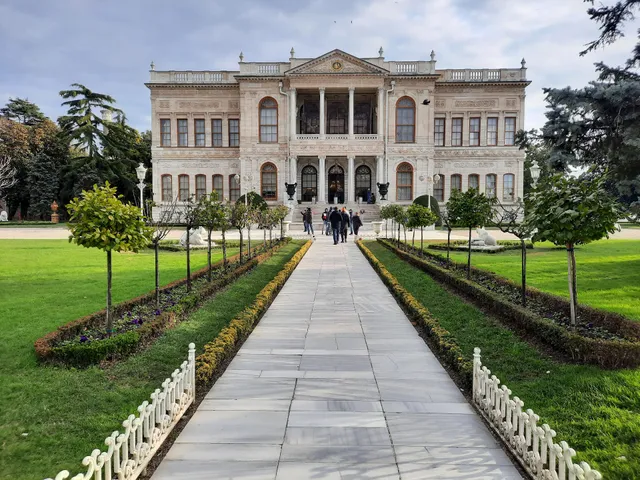
Dolmabahçe Palace
Vişnezade, Dolmabahçe Cd. No:2, 34357 Beşiktaş/İstanbul, Türkiye
Dolmabahçe Palace
Vişnezade, Dolmabahçe Cd., 34357 Beşiktaş/İstanbul, Türkiye
Dolmabahçe Palace Garden
Vişnezade, Dolmabahçe Cd. No:2, 34357 Beşiktaş/İstanbul, Türkiye
İBB Atatürk Kitaplığı
Gümüşsuyu, Miralay Şefikbey Sk. No:6, 34437 Beyoğlu/İstanbul, Türkiye
Ataturk Cultural Center
Gümüşsuyu, Tak-ı Zafer Cd., 34437 Beyoğlu/İstanbul, Türkiye
İBB Taksim Gezi Parkı
Gümüşsuyu, Tak-ı Zafer Cd., 34437 Beyoğlu/İstanbul, Türkiye
National Painting Museum
Dolmabahçe Sarayı, Vişnezade, Dolmabahçe Cd., 34357 Beşiktaş/İstanbul, Türkiye
KüçükÇiftlik Park
Harbiye, Kadırgalar Cd. No:4, 34367 Şişli/İstanbul, Türkiye
Taksim Square
Kocatepe, Tak-ı Zafer Cd., 34435 Beyoğlu/İstanbul, Türkiye
Nearby restaurants
Topaz İstanbul
Ömer Avni, İnönü Cd. No:42, 34437 Beyoğlu/İstanbul, Türkiye
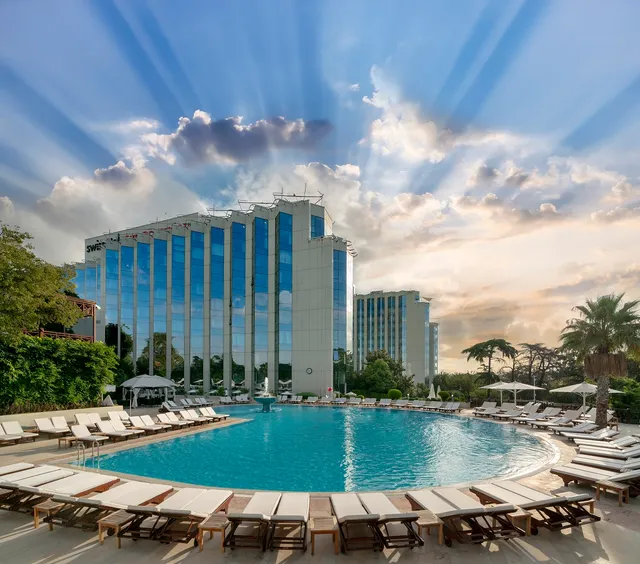
Swissôtel The Bosphorus Istanbul
Vişnezade, Acısu Sk. NO 19, 34357 Beşiktaş/İstanbul, Türkiye
Ali Ocakbaşı Gümüşsuyu
Gümüşsuyu, İnönü Cd. No:22, 34870 Beyoğlu/İstanbul, Türkiye
Mesai İstanbul
Ömer Avni Mah, Gümüşsuyu, İnönü Cd. No: 26, 34427 Beyoğlu/İstanbul, Türkiye
Nobu Istanbul
Askerocağı caddesi, Elmadağ Cd. Süzer Plaza No:6, 34367 Şişli/İstanbul, Türkiye
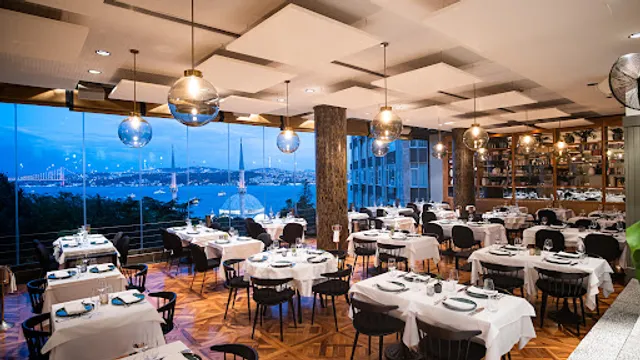
16 Roof Bar & Restaurant - Swissotel The Bosphorus, Istanbul
Vişnezade, Acısu Sk. No:19, 34357 Beşiktaş/İstanbul, Türkiye
Madhu's Istanbul
Vişnezade, Acısu Sk. No:19, 34357 Beşiktaş/İstanbul, Türkiye
The Roof at The Ritz-Carlton, Istanbul
Suzer Plaza Askerocagi Caddessi, Harbiye, Elmadağ Cd. No:6, 34367 Şişli/İstanbul, Türkiye
Atölye
Harbiye, Asker Ocağı Cd. No:6, 34357 Şişli/İstanbul, Türkiye
Günaydın Kebap & Steakhouse Maçka
Vişnezade, Bayıldım Cd. No:2, 34400 Beşiktaş/İstanbul, Türkiye
Nearby hotels
The Artisan Hotel Istanbul - MGallery Collection
Omer Avni Mah Inonu Caddesi, Gümüşsuyu, Taksim No:42, 34437 İstanbul, Türkiye
Opera Hotel Bosphorus
Ömer Avni, Gümüşsuyu, İnönü Cd. No:26, 34427 Beyoğlu/İstanbul, Türkiye
Ando Living Taksim House
Ömer Avni Mah, Gümüşsuyu, Dümen Sk. No:9, 34427 Beyoğlu/İstanbul, Türkiye
The Ritz-Carlton, Istanbul
Suzer Plaza Askerocagi Caddesi, No:6, 34367 Elmadag, 34367 Şişli/İstanbul, Türkiye
Etiz Residences
Marmara Region, Ömer Avni, Emektar Sk. No:9 D:1, 34427 Beyoğlu/İstanbul, Türkiye
Grand Hyatt Istanbul
Harbiye, Taşkışla Cd. No:1, 34367 Şişli/İstanbul, Türkiye
X Flats Taksim
Kaiser Residence, Ömer Avni, Yarasa Sk. No:8 D:1, 34427 Beyoğlu/İstanbul, Türkiye
Gezi Hotel Bosphorus
Gümüşsuyu, Mete Cd. No:34, 34437 Beyoğlu/İstanbul, Türkiye
InterContinental Istanbul
Gümüşsuyu, Asker Ocağı Cd. No:1, 34435 Beyoğlu/İstanbul, Türkiye
The Marmara Taksim
Gümüşsuyu, Tak-ı Zafer Cd. No:3, 34437 Beyoğlu/İstanbul, Türkiye
Related posts
Keywords
Dolmabahçe Mosque tourism.Dolmabahçe Mosque hotels.Dolmabahçe Mosque bed and breakfast. flights to Dolmabahçe Mosque.Dolmabahçe Mosque attractions.Dolmabahçe Mosque restaurants.Dolmabahçe Mosque travel.Dolmabahçe Mosque travel guide.Dolmabahçe Mosque travel blog.Dolmabahçe Mosque pictures.Dolmabahçe Mosque photos.Dolmabahçe Mosque travel tips.Dolmabahçe Mosque maps.Dolmabahçe Mosque things to do.
Dolmabahçe Mosque things to do, attractions, restaurants, events info and trip planning
Dolmabahçe Mosque
TurkeyIstanbulBeyoğluDolmabahçe Mosque

Basic Info

Dolmabahçe Mosque

Ömer Avni, Meclis-i Mebusan Cd. No:34, 34427 Beyoğlu/İstanbul, Türkiye
4.8(1.6K)
Open 24 hours
Save
spot

Ratings & Description

Info

The Dolmabahçe Mosque is a baroque waterside mosque in Kabataş in the Beyoğlu district of Istanbul, Turkey, close to the Dolmabahçe Palace. It was commissioned by Queen Mother Bezmialem Valide Sultan and designed by the Turkish Armenian architect, Garabet Balyan in 1855.

Cultural
Accessibility
attractions: Dolmabahçe Clock Tower, Dolmabahçe Palace, Dolmabahçe Palace, Dolmabahçe Palace Garden, İBB Atatürk Kitaplığı, Ataturk Cultural Center, İBB Taksim Gezi Parkı, National Painting Museum, KüçükÇiftlik Park, Taksim Square, restaurants: Topaz İstanbul, Swissôtel The Bosphorus Istanbul, Ali Ocakbaşı Gümüşsuyu, Mesai İstanbul, Nobu Istanbul, 16 Roof Bar & Restaurant - Swissotel The Bosphorus, Istanbul, Madhu's Istanbul, The Roof at The Ritz-Carlton, Istanbul, Atölye, Günaydın Kebap & Steakhouse Maçka
logoLearn more insights from Wanderboat AI.
Phone
+90 212 512 23 20
Website
camiler.diyanet.gov.tr

Plan your stay

hotel
Pet-friendly Hotels in Beyoğlu
Find a cozy hotel nearby and make it a full experience.

hotel
Affordable Hotels in Beyoğlu
Find a cozy hotel nearby and make it a full experience.

hotel
The Coolest Hotels You Haven't Heard Of (Yet)
Find a cozy hotel nearby and make it a full experience.

hotel
Trending Stays Worth the Hype in Beyoğlu
Find a cozy hotel nearby and make it a full experience.

Reviews

Nearby attractions of Dolmabahçe Mosque

Dolmabahçe Clock Tower

Dolmabahçe Palace

Dolmabahçe Palace

Dolmabahçe Palace Garden

İBB Atatürk Kitaplığı

Ataturk Cultural Center

İBB Taksim Gezi Parkı

National Painting Museum

KüçükÇiftlik Park

Taksim Square

Dolmabahçe Clock Tower

Dolmabahçe Clock Tower

4.7

(3.4K)

Open 24 hours
Click for details
Dolmabahçe Palace

Dolmabahçe Palace

4.7

(3.1K)

Open 24 hours
Click for details
Dolmabahçe Palace

Dolmabahçe Palace

4.7

(28.9K)

Open 24 hours
Click for details
Dolmabahçe Palace Garden

Dolmabahçe Palace Garden

4.7

(139)

Open 24 hours
Click for details

Things to do nearby

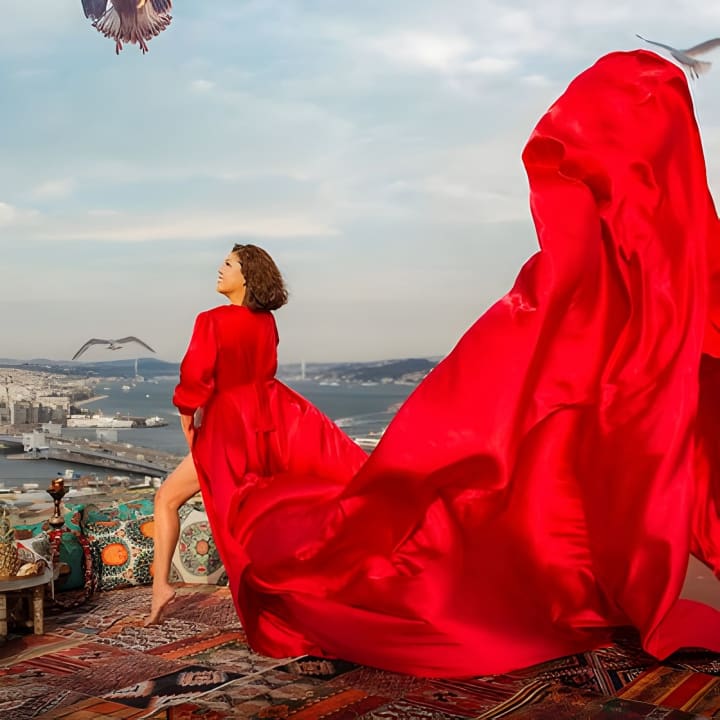
Perfume Making Workshop with Bosphorus View
Sat, Dec 6 • 2:00 PM
34425, Beyoğlu, İstanbul, Turkey
View details
Traditional Home Cooking with Local in City Center
Sun, Dec 7 • 4:30 PM
34373, Şişli, İstanbul, Turkey
View details
Watch Beşiktaş, Galatasaray and Fenerbahçe Matches
Mon, Dec 8 • 8:00 PM
34357, Beşiktaş, İstanbul, Turkey
View details

Nearby restaurants of Dolmabahçe Mosque

Topaz İstanbul

Swissôtel The Bosphorus Istanbul

Ali Ocakbaşı Gümüşsuyu

Mesai İstanbul

Nobu Istanbul

16 Roof Bar & Restaurant - Swissotel The Bosphorus, Istanbul

Madhu's Istanbul

The Roof at The Ritz-Carlton, Istanbul
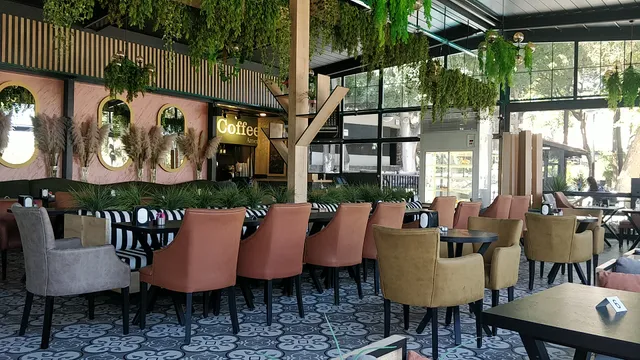
Atölye

Günaydın Kebap & Steakhouse Maçka

Topaz İstanbul

Topaz İstanbul

4.2

(526)

Click for details
Swissôtel The Bosphorus Istanbul

Swissôtel The Bosphorus Istanbul

4.8

(7.9K)

Click for details
Ali Ocakbaşı Gümüşsuyu

Ali Ocakbaşı Gümüşsuyu

4.4

(909)

Click for details
Mesai İstanbul

Mesai İstanbul

4.2

(292)

Click for details
Get the Appoverlay
Get the AppOne tap to find yournext favorite spots!
Wanderboat LogoWanderboat

Your everyday Al companion for getaway ideas

CompanyAbout Us
InformationAI Trip PlannerSitemap
SocialXInstagramTiktokLinkedin
LegalTerms of ServicePrivacy Policy

Get the app

© 2025 Wanderboat. All rights reserved.
logo

Reviews of Dolmabahçe Mosque

4.8
(1,558)
avatar
5.0
4y

Its construction was started by the order of Bezmiâlem Valide Sultan, who played a role in Ottoman social life as a benevolent personality with her numerous foundations, and was completed by her son, Sultan Abdülmecid, upon her death in 1853. Bezmiâlem Valide Sultan Mosque has been called the Dolmabahçe Mosque since the day it was built, because it fell directly across the courtyard gate of the Dolmabahçe Palace in the direction of the Clock Tower, and this is how it entered the literature.

The construction inscription of the building, dated 1270 (1853-54), which was formerly located on the door of the courtyard facing the Clock Tower, was put in its present location at the foot of the outer wall of the qibla, due to the collapse of the courtyard walls during the opening of Dolmabahçe Square in 1948. The inscription, consisting of four couplets written in celi thuluth calligraphy, is completely decorated with acanthus leaves in Western style, and a large wreath containing Abdülmecid's tughra crowns the middle of its hilly part.

Dolmabahce Mosque, XIX. It was built by Nikogos Balyan, who signed many important works in the 19th century Ottoman architecture, at a time when Western trends were most heavily influenced. In this period, an interesting understanding of interpretation was achieved as a result of fusing styles such as baroque, rococo, empire (empire) with established art accumulation and taste. While there is no significant innovation in this type of mosques in terms of architecture, it is seen that the main change is realized in the exterior and decorations by abandoning the traditional line, classical proportions and motif repertoire to a large extent. Baroque, rococo, and empire-style ornaments are beginning to take the place of traditional Ottoman motifs and decoration. The most important character of the period is the dominance of the "eclectic" (mixed) approach to architecture, and the use of Western elements without being bound by any rule, unlimitedly and occasionally mixing with Ottoman and Islamic elements. In this respect, Dolmabahçe Mosque is a typical example that fully reflects the general approach and artistic taste of the period...

   Read more
avatar
5.0
3y

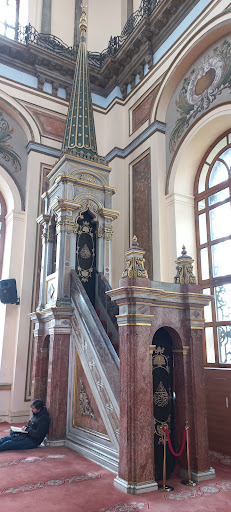
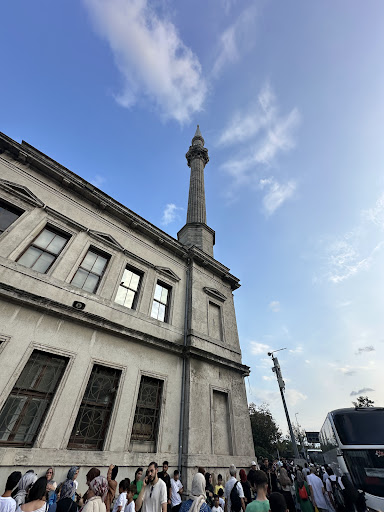
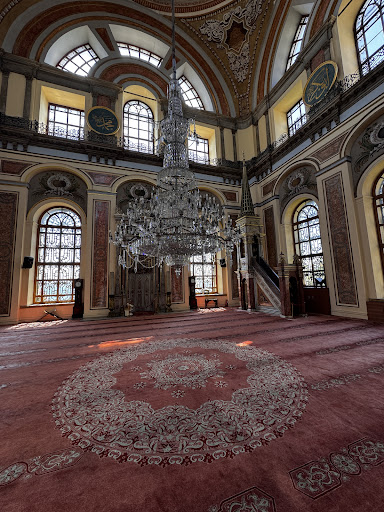
THE DOLMABAHCE MOSQUE The construction the Dolmabahce Mosque was started with the order of the Bezmi Alem Valide Sultan and completed by his son Sultan Abdulmecid after she died in 1853, and designed by Garabet Balyan. The mosque, the real name of which Bezmialem Valide Sultan Mosque, was opened to worship with a Friday prayer in 1855. The mosque was constructed as a mix of baroque, rococo, and empire styles with the localized art background and taste with an interesting interpretation. The dome in the contrary of the classical architecture was placed directly over the walls and in order to prevent the walls opening to the sides due to the load they are carrying rectangular shaped heavy weight towers were placed on the corners. The front façade of the mosque which was built of stone and marble is covered with the Hunkar Summer Palace of two storeys which extends out from two sides. The summer palace consists of an "L" shaped wind which projects out on two sides and an inside center body. The minarets which were separated from the main body of the mosque are on two corners of the summer palace. The minarets are distinctive with their long thin forms and riffle bodies the bottom of the balconies was decorated with acanthus leaves. The mosque was reached through the Hunkar Summer Palace; here as in the Hunkar Sumnmer Palace through lots of windows very illuminated space was created. The ground of the sanctuary was covered of brick, its dome interiors and pendentives were ornamented in western style with gold and oil painting handcrafts. The baroque decorations were used on the mihrab and the mimbar which shows marble work. The mosque which was used as the Sea Museum between 1948 and 1961 together with the Hunkar Summer Palace was opened two sanctuaries after the museum was moved to its...

   Read more
avatar
5.0
17w

The Dolmabahçe Mosque, also known as Bezmialem Valide Sultan Mosque, is a stunning 19th-century Ottoman gem located along the Bosphorus in Istanbul, right next to the Dolmabahçe Palace. Recent visitor reviews highlight its unique blend of Baroque, Rococo, and Ottoman architectural styles, with its large circular windows and twin minarets standing out as distinctive features. The mosque’s waterside location offers breathtaking views, especially when lit up at night, creating a serene and majestic atmosphere. Visitors often praise the intricate gold calligraphy on a green background in the prayer hall and the bright, airy interior due to the massive windows. Many describe it as an elegant, less-crowded alternative to Istanbul’s more famous mosques, making it a peaceful stop for those exploring the Beşiktaş district. It’s free to enter (donations welcome), but you’ll need to respect mosque etiquette—shoes off, modest clothing, and women should cover their heads. The mosque is open daily from 9 AM to 6 PM, though it closes during prayer times. Some visitors note parking can be tricky, and the courtyard’s fountain and timekeeping house were removed for road widening, slightly altering its original charm. If you’re planning to visit Istanbul, this mosque is a must-see for its historical significance and architectural beauty, especially if you’re already touring the nearby Dolmabahçe Palace. Pair it with a Bosphorus cruise for a full experience of the area’s...

   Read more
Page 1 of 7
Previous
Next

Posts

IMRAN ChaudhryIMRAN Chaudhry
THE DOLMABAHCE MOSQUE The construction the Dolmabahce Mosque was started with the order of the Bezmi Alem Valide Sultan and completed by his son Sultan Abdulmecid after she died in 1853, and designed by Garabet Balyan. The mosque, the real name of which Bezmialem Valide Sultan Mosque, was opened to worship with a Friday prayer in 1855. The mosque was constructed as a mix of baroque, rococo, and empire styles with the localized art background and taste with an interesting interpretation. The dome in the contrary of the classical architecture was placed directly over the walls and in order to prevent the walls opening to the sides due to the load they are carrying rectangular shaped heavy weight towers were placed on the corners. The front façade of the mosque which was built of stone and marble is covered with the Hunkar Summer Palace of two storeys which extends out from two sides. The summer palace consists of an "L" shaped wind which projects out on two sides and an inside center body. The minarets which were separated from the main body of the mosque are on two corners of the summer palace. The minarets are distinctive with their long thin forms and riffle bodies the bottom of the balconies was decorated with acanthus leaves. The mosque was reached through the Hunkar Summer Palace; here as in the Hunkar Sumnmer Palace through lots of windows very illuminated space was created. The ground of the sanctuary was covered of brick, its dome interiors and pendentives were ornamented in western style with gold and oil painting handcrafts. The baroque decorations were used on the mihrab and the mimbar which shows marble work. The mosque which was used as the Sea Museum between 1948 and 1961 together with the Hunkar Summer Palace was opened two sanctuaries after the museum was moved to its new building.
Jonathan ChuJonathan Chu
The Dolmabahçe Mosque, also known as Bezmialem Valide Sultan Mosque, is a stunning 19th-century Ottoman gem located along the Bosphorus in Istanbul, right next to the Dolmabahçe Palace. Recent visitor reviews highlight its unique blend of Baroque, Rococo, and Ottoman architectural styles, with its large circular windows and twin minarets standing out as distinctive features. The mosque’s waterside location offers breathtaking views, especially when lit up at night, creating a serene and majestic atmosphere. Visitors often praise the intricate gold calligraphy on a green background in the prayer hall and the bright, airy interior due to the massive windows. Many describe it as an elegant, less-crowded alternative to Istanbul’s more famous mosques, making it a peaceful stop for those exploring the Beşiktaş district. It’s free to enter (donations welcome), but you’ll need to respect mosque etiquette—shoes off, modest clothing, and women should cover their heads. The mosque is open daily from 9 AM to 6 PM, though it closes during prayer times. Some visitors note parking can be tricky, and the courtyard’s fountain and timekeeping house were removed for road widening, slightly altering its original charm. If you’re planning to visit Istanbul, this mosque is a must-see for its historical significance and architectural beauty, especially if you’re already touring the nearby Dolmabahçe Palace. Pair it with a Bosphorus cruise for a full experience of the area’s scenic splendor.
RevaReva
Kabataş’ta Meclisi Mebusan Caddesi üzerinde, deniz kenarında bulunan camii, 1852 yılında Sultan ll. Mahmut’un eşi, Sultan Abdülhamid’in annesi Bezm-i Alem Valide Sultan tarafından yaptırılmıştır. İnşası 1853 yılında, Bezm-i Alem Sultan’ın ölümünde sona eren caminin mimari Nikogos Balyan’dır. Dolmabahçe Camii olarak anılan yapı, 19. Yüzyılın Osmanlı mimarisinin batılı unsurlarla karşılaştırarak uyguladığı bir camidir. Dolmabahçe Camii, İstanbul’un Beşiktaş ilçesinde, Dolmabahçe Sarayı’nın hemen yanında yer alan zarif bir Osmanlı camisidir. Sultan Abdülmecid tarafından 1853-1855 yılları arasında yaptırılmış olan cami, Dolmabahçe Sarayı’nın ihtişamına uygun bir şekilde inşa edilmiştir. Mimar Garabet Balyan ve oğlu Nigoğayos Balyan tarafından tasarlanan bu cami, hem mimari açıdan hem de tarihi açıdan büyük bir öneme sahiptir. Camiye adım attığınızda, sizi karşılayan geniş avlu ve zarif detaylar, huzur verici bir atmosfer yaratır. Caminin dış cephesi, Osmanlı'nın son döneminin klasik ve barok unsurlarını barındıran süslemelerle bezenmiştir. Beyaz mermerden yapılmış olan caminin cepheleri, zarif işlemeleri ve detaylarıyla dikkat çeker. Caminin ana kubbesi ve minaresi, yapıya ihtişam katar ve İstanbul’un tarihi siluetine anlamlı bir katkı sağlar. Camiye yaklaşırken, özellikle dikkat çeken detaylardan biri, caminin yanında bulunan ve bu yapının ihtişamını tamamlayan şadırvandır. İç mekâna girdiğinizde, caminin ferah ve aydınlık atmosferi sizi etkiler. Yüksek tavanlar, geniş pencereler ve kubbenin içindeki zarif süslemeler, iç mekâna aydınlık ve ferah bir hava katar. Mihrabın ve minberin detaylı işçiliği, Osmanlı sanatının inceliklerini gözler önüne serer. Caminin iç mekânında kullanılan hat sanatı ve süslemeler, manevi atmosferi daha da güçlendirir. Ayrıca, iç mekânın birçok bölgesinde kullanılan ince çiniler ve sedefkâr işçilik, caminin sanatsal zenginliğini ortaya koyar. Dolmabahçe Camii, sadece bir ibadet yeri olmanın ötesinde, Osmanlı döneminin zarif ve lüks anlayışını temsil eden önemli bir yapıdır. Dolmabahçe Sarayı'nın ihtişamını tamamlayan bu cami, saray kompleksinin bir parçası olarak tasarlanmış ve dönemin mimari tarzını yansıtır. Cami, sarayın Batı tarzı mimarisinin yanında, Osmanlı geleneksel mimarisinin zarif bir örneğini sunar. Caminin bulunduğu Beşiktaş semti, İstanbul’un tarihi dokusunu koruyan ve aynı zamanda modern yaşamın izlerini taşıyan bir bölgedir. Beşiktaş, hem tarihi hem de kültürel açıdan zengin bir semttir. Semtin dar sokakları, modern alışveriş merkezleri ve Boğaz’a yakın konumu, ziyaretçilere İstanbul’un geçmişine ve günümüzüne dair geniş bir bakış sunar. Caminin çevresinde yer alan Dolmabahçe Sarayı ve parklar, tarihi ve kültürel gezilerinizi zenginleştirecek mekanlar sunar.
See more posts
See more posts
hotel
Find your stay

Pet-friendly Hotels in Beyoğlu

Find a cozy hotel nearby and make it a full experience.

THE DOLMABAHCE MOSQUE The construction the Dolmabahce Mosque was started with the order of the Bezmi Alem Valide Sultan and completed by his son Sultan Abdulmecid after she died in 1853, and designed by Garabet Balyan. The mosque, the real name of which Bezmialem Valide Sultan Mosque, was opened to worship with a Friday prayer in 1855. The mosque was constructed as a mix of baroque, rococo, and empire styles with the localized art background and taste with an interesting interpretation. The dome in the contrary of the classical architecture was placed directly over the walls and in order to prevent the walls opening to the sides due to the load they are carrying rectangular shaped heavy weight towers were placed on the corners. The front façade of the mosque which was built of stone and marble is covered with the Hunkar Summer Palace of two storeys which extends out from two sides. The summer palace consists of an "L" shaped wind which projects out on two sides and an inside center body. The minarets which were separated from the main body of the mosque are on two corners of the summer palace. The minarets are distinctive with their long thin forms and riffle bodies the bottom of the balconies was decorated with acanthus leaves. The mosque was reached through the Hunkar Summer Palace; here as in the Hunkar Sumnmer Palace through lots of windows very illuminated space was created. The ground of the sanctuary was covered of brick, its dome interiors and pendentives were ornamented in western style with gold and oil painting handcrafts. The baroque decorations were used on the mihrab and the mimbar which shows marble work. The mosque which was used as the Sea Museum between 1948 and 1961 together with the Hunkar Summer Palace was opened two sanctuaries after the museum was moved to its new building.
IMRAN Chaudhry

IMRAN Chaudhry

hotel
Find your stay

Affordable Hotels in Beyoğlu

Find a cozy hotel nearby and make it a full experience.

Get the Appoverlay
Get the AppOne tap to find yournext favorite spots!
The Dolmabahçe Mosque, also known as Bezmialem Valide Sultan Mosque, is a stunning 19th-century Ottoman gem located along the Bosphorus in Istanbul, right next to the Dolmabahçe Palace. Recent visitor reviews highlight its unique blend of Baroque, Rococo, and Ottoman architectural styles, with its large circular windows and twin minarets standing out as distinctive features. The mosque’s waterside location offers breathtaking views, especially when lit up at night, creating a serene and majestic atmosphere. Visitors often praise the intricate gold calligraphy on a green background in the prayer hall and the bright, airy interior due to the massive windows. Many describe it as an elegant, less-crowded alternative to Istanbul’s more famous mosques, making it a peaceful stop for those exploring the Beşiktaş district. It’s free to enter (donations welcome), but you’ll need to respect mosque etiquette—shoes off, modest clothing, and women should cover their heads. The mosque is open daily from 9 AM to 6 PM, though it closes during prayer times. Some visitors note parking can be tricky, and the courtyard’s fountain and timekeeping house were removed for road widening, slightly altering its original charm. If you’re planning to visit Istanbul, this mosque is a must-see for its historical significance and architectural beauty, especially if you’re already touring the nearby Dolmabahçe Palace. Pair it with a Bosphorus cruise for a full experience of the area’s scenic splendor.
Jonathan Chu

Jonathan Chu

hotel
Find your stay

The Coolest Hotels You Haven't Heard Of (Yet)

Find a cozy hotel nearby and make it a full experience.

hotel
Find your stay

Trending Stays Worth the Hype in Beyoğlu

Find a cozy hotel nearby and make it a full experience.

Kabataş’ta Meclisi Mebusan Caddesi üzerinde, deniz kenarında bulunan camii, 1852 yılında Sultan ll. Mahmut’un eşi, Sultan Abdülhamid’in annesi Bezm-i Alem Valide Sultan tarafından yaptırılmıştır. İnşası 1853 yılında, Bezm-i Alem Sultan’ın ölümünde sona eren caminin mimari Nikogos Balyan’dır. Dolmabahçe Camii olarak anılan yapı, 19. Yüzyılın Osmanlı mimarisinin batılı unsurlarla karşılaştırarak uyguladığı bir camidir. Dolmabahçe Camii, İstanbul’un Beşiktaş ilçesinde, Dolmabahçe Sarayı’nın hemen yanında yer alan zarif bir Osmanlı camisidir. Sultan Abdülmecid tarafından 1853-1855 yılları arasında yaptırılmış olan cami, Dolmabahçe Sarayı’nın ihtişamına uygun bir şekilde inşa edilmiştir. Mimar Garabet Balyan ve oğlu Nigoğayos Balyan tarafından tasarlanan bu cami, hem mimari açıdan hem de tarihi açıdan büyük bir öneme sahiptir. Camiye adım attığınızda, sizi karşılayan geniş avlu ve zarif detaylar, huzur verici bir atmosfer yaratır. Caminin dış cephesi, Osmanlı'nın son döneminin klasik ve barok unsurlarını barındıran süslemelerle bezenmiştir. Beyaz mermerden yapılmış olan caminin cepheleri, zarif işlemeleri ve detaylarıyla dikkat çeker. Caminin ana kubbesi ve minaresi, yapıya ihtişam katar ve İstanbul’un tarihi siluetine anlamlı bir katkı sağlar. Camiye yaklaşırken, özellikle dikkat çeken detaylardan biri, caminin yanında bulunan ve bu yapının ihtişamını tamamlayan şadırvandır. İç mekâna girdiğinizde, caminin ferah ve aydınlık atmosferi sizi etkiler. Yüksek tavanlar, geniş pencereler ve kubbenin içindeki zarif süslemeler, iç mekâna aydınlık ve ferah bir hava katar. Mihrabın ve minberin detaylı işçiliği, Osmanlı sanatının inceliklerini gözler önüne serer. Caminin iç mekânında kullanılan hat sanatı ve süslemeler, manevi atmosferi daha da güçlendirir. Ayrıca, iç mekânın birçok bölgesinde kullanılan ince çiniler ve sedefkâr işçilik, caminin sanatsal zenginliğini ortaya koyar. Dolmabahçe Camii, sadece bir ibadet yeri olmanın ötesinde, Osmanlı döneminin zarif ve lüks anlayışını temsil eden önemli bir yapıdır. Dolmabahçe Sarayı'nın ihtişamını tamamlayan bu cami, saray kompleksinin bir parçası olarak tasarlanmış ve dönemin mimari tarzını yansıtır. Cami, sarayın Batı tarzı mimarisinin yanında, Osmanlı geleneksel mimarisinin zarif bir örneğini sunar. Caminin bulunduğu Beşiktaş semti, İstanbul’un tarihi dokusunu koruyan ve aynı zamanda modern yaşamın izlerini taşıyan bir bölgedir. Beşiktaş, hem tarihi hem de kültürel açıdan zengin bir semttir. Semtin dar sokakları, modern alışveriş merkezleri ve Boğaz’a yakın konumu, ziyaretçilere İstanbul’un geçmişine ve günümüzüne dair geniş bir bakış sunar. Caminin çevresinde yer alan Dolmabahçe Sarayı ve parklar, tarihi ve kültürel gezilerinizi zenginleştirecek mekanlar sunar.
Reva

Reva

See more posts
See more posts