Dolmabahçe Palace things to do, attractions, restaurants, events info and trip planning
Basic Info
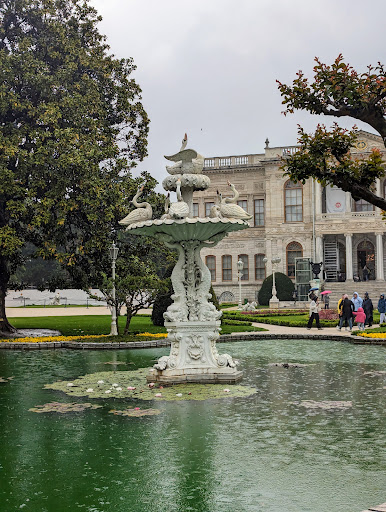
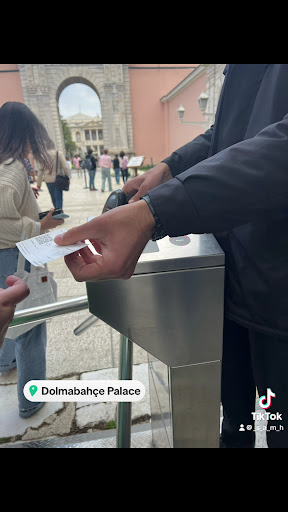
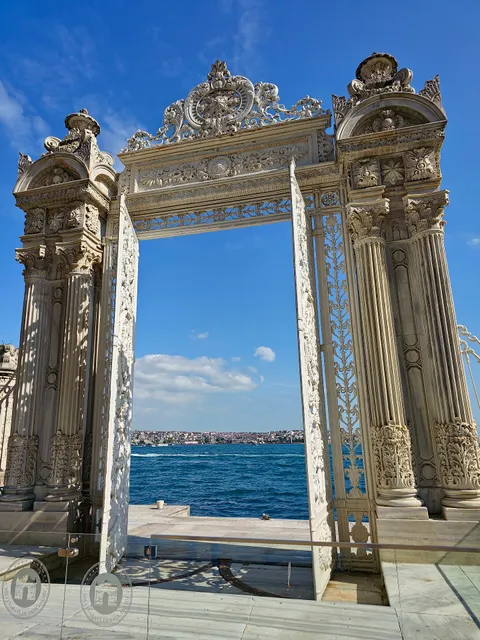
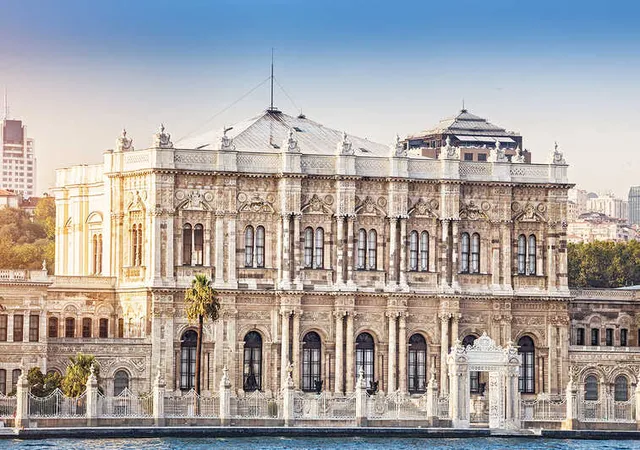
Dolmabahçe Palace
Vişnezade, Dolmabahçe Cd. No:2, 34357 Beşiktaş/İstanbul, Türkiye
4.7(3K)
Closed


tickets
Save
spot
spot
Ratings & Description
Info
Cultural
Scenic
Family friendly
Accessibility
Luxury
attractions: Dolmabahçe Clock Tower, Dolmabahçe Palace, Dolmabahçe Mosque, Dolmabahçe Palace Garden, National Painting Museum, Dolmabahçe Palace: Harem, KüçükÇiftlik Park, Sofa Poets Park, Naval Museum, İBB Atatürk Kitaplığı, restaurants: Swissôtel The Bosphorus Istanbul, Dolmabahçe Cafe, 16 Roof Bar & Restaurant - Swissotel The Bosphorus, Istanbul, Madhu's Istanbul, Günaydın Kebap & Steakhouse Maçka, Topaz İstanbul, Limonluk Cafe, Nobu Istanbul, Midyeci Ahmet Akaretler, Minoa Akaretler, local businesses: Clock tower, Mega Lüfer Yachts | Bosphorus Dinner Cruise İstanbul | Sunset & Daytime Tours, Istanbul Dinner Cruise, Dolmabahçe, Beşiktaş, Pereme Tours, Private Bosphorus Dinner Cruise Istanbul, Bosphorus Cruise - Kabataş Pier ( Dinner Cruise & Live Turkish Shows and Sunset Cruise), Museo delle Collezioni del Palazzo, MegaPass, Fishermen's Market
 Learn more insights from Wanderboat AI.
Phone
+90 212 236 90 00
Website
millisaraylar.gov.tr
Open hoursSee all hours
Sun9 AM - 5 PMClosed
Plan your stay

Pet-friendly Hotels in Beşiktaş
Find a cozy hotel nearby and make it a full experience.

Affordable Hotels in Beşiktaş
Find a cozy hotel nearby and make it a full experience.

The Coolest Hotels You Haven't Heard Of (Yet)
Find a cozy hotel nearby and make it a full experience.

Trending Stays Worth the Hype in Beşiktaş
Find a cozy hotel nearby and make it a full experience.
Reviews
Live events

Perfume Making Workshop with Bosphorus View
Sun, Feb 22 • 4:00 PM
34425, Beyoğlu, İstanbul, Turkey
View details
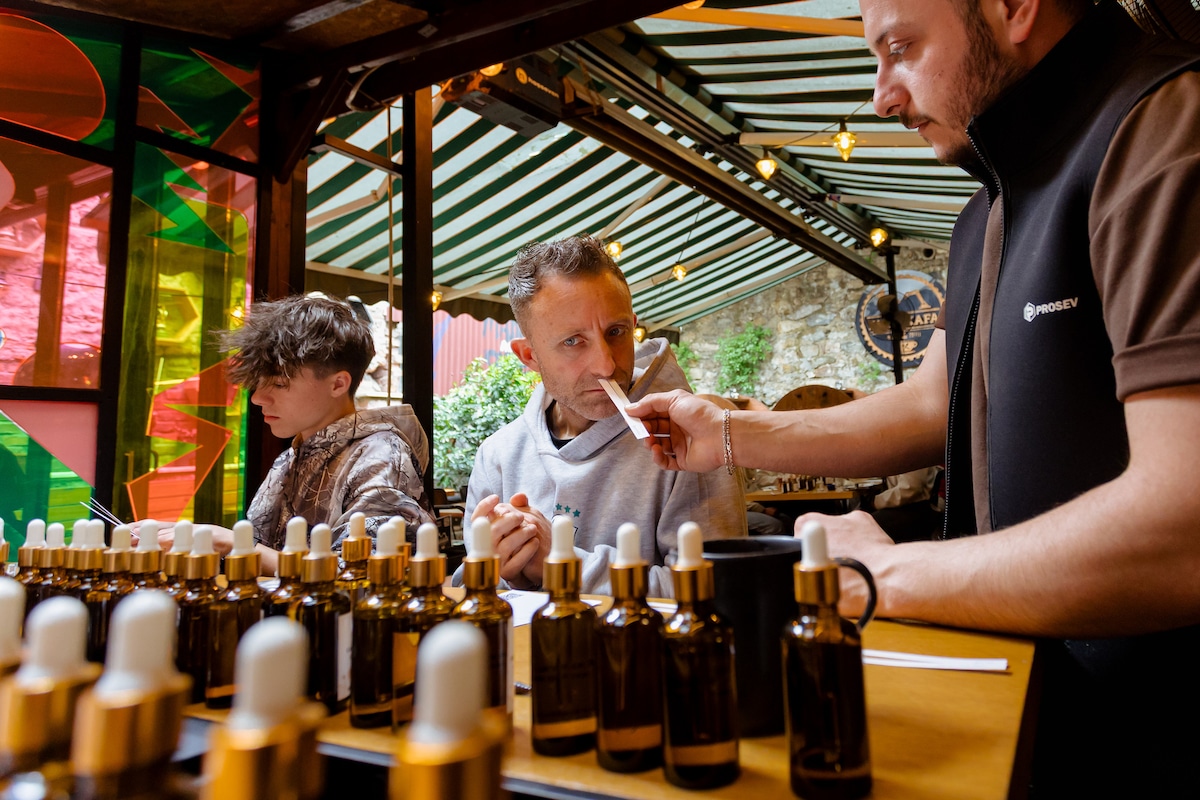
Create a signature scent in Istanbul
Sun, Feb 22 • 4:00 PM
34110, Fatih, İstanbul, Turkey
View details

Small Group Yacht Tour, Unlimited Wine & Fruits
Sun, Feb 22 • 5:00 PM
34421, Beyoğlu, İstanbul, Turkey
View details
Nearby attractions of Dolmabahçe Palace
Dolmabahçe Clock Tower
Dolmabahçe Palace
Dolmabahçe Mosque
Dolmabahçe Palace Garden
National Painting Museum
Dolmabahçe Palace: Harem
KüçükÇiftlik Park
Sofa Poets Park
Naval Museum
İBB Atatürk Kitaplığı
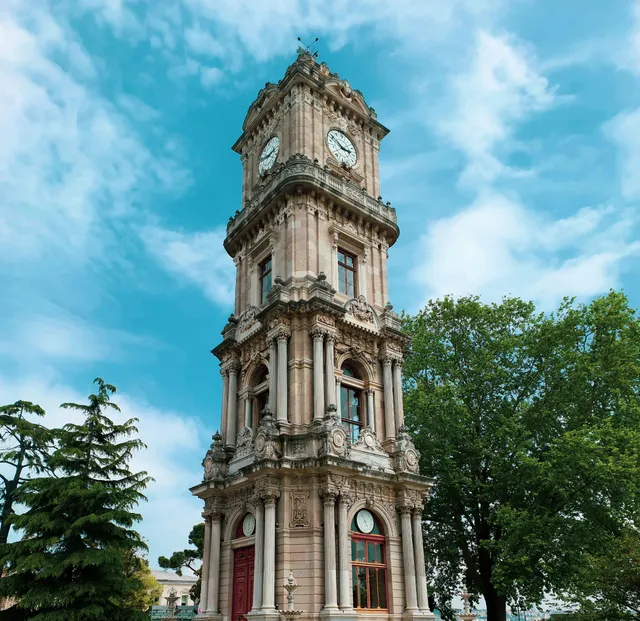
Dolmabahçe Clock Tower
4.7
(3.5K)
Open until 6:00 PM
Click for details
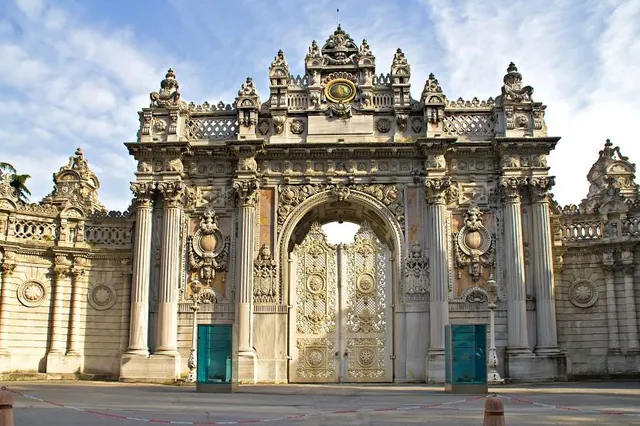
Dolmabahçe Palace
4.7
(30.1K)
Closed
Click for details
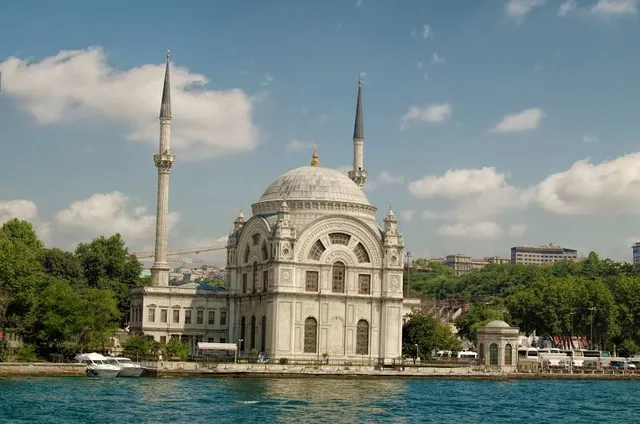
Dolmabahçe Mosque
4.8
(1.6K)
Open until 10:00 PM
Click for details
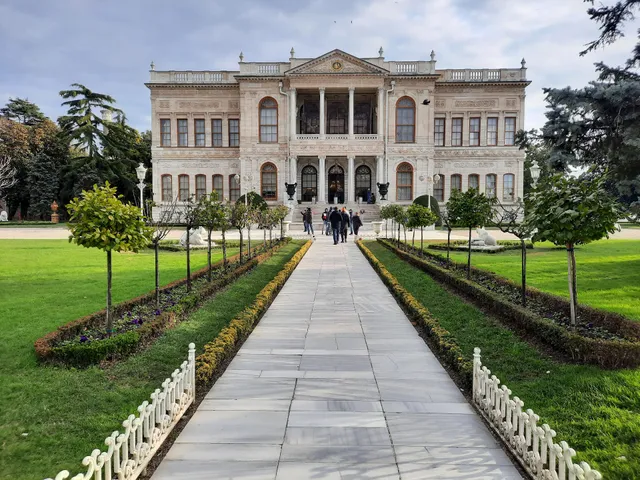
Dolmabahçe Palace Garden
4.7
(142)
Open 24 hours
Click for details
Nearby restaurants of Dolmabahçe Palace
Swissôtel The Bosphorus Istanbul
Dolmabahçe Cafe
16 Roof Bar & Restaurant - Swissotel The Bosphorus, Istanbul
Madhu's Istanbul
Günaydın Kebap & Steakhouse Maçka
Topaz İstanbul
Limonluk Cafe
Nobu Istanbul
Midyeci Ahmet Akaretler
Minoa Akaretler
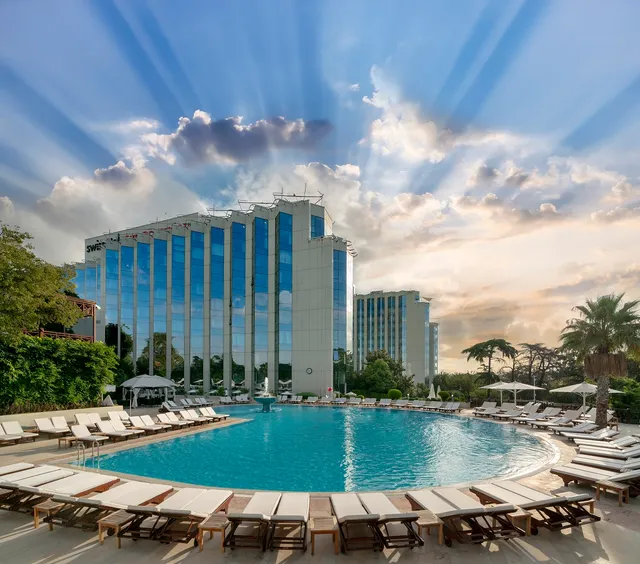
Swissôtel The Bosphorus Istanbul
4.8
(8K)
Click for details
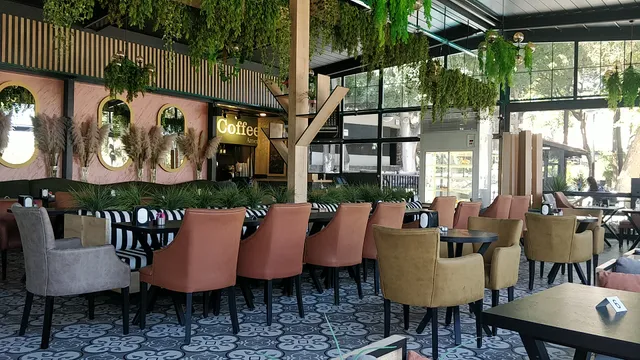
Dolmabahçe Cafe
3.4
(361)
Open until 12:00 AM
Click for details
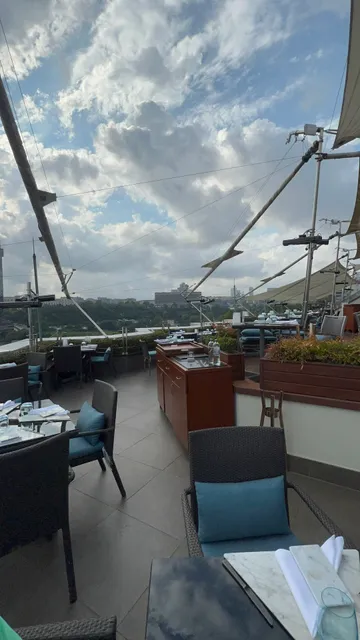
16 Roof Bar & Restaurant - Swissotel The Bosphorus, Istanbul
4.1
(380)
Open until 2:00 AM
Click for details
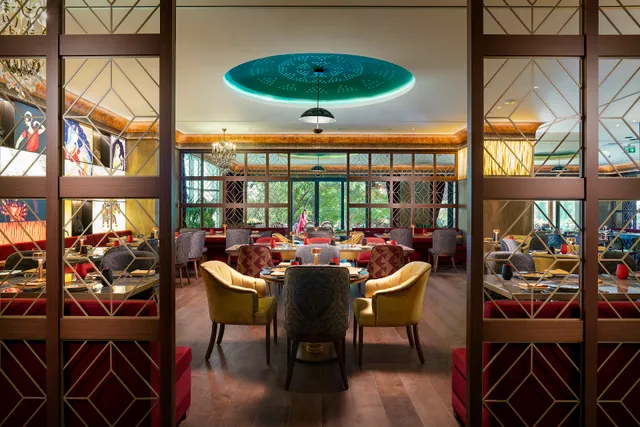
Madhu's Istanbul
4.5
(268)
Open until 2:00 AM
Click for details
Nearby local services of Dolmabahçe Palace
Clock tower
Mega Lüfer Yachts | Bosphorus Dinner Cruise İstanbul | Sunset & Daytime Tours
Istanbul Dinner Cruise
Dolmabahçe, Beşiktaş
Pereme Tours
Private Bosphorus Dinner Cruise Istanbul
Bosphorus Cruise - Kabataş Pier ( Dinner Cruise & Live Turkish Shows and Sunset Cruise)
Museo delle Collezioni del Palazzo
MegaPass
Fishermen's Market
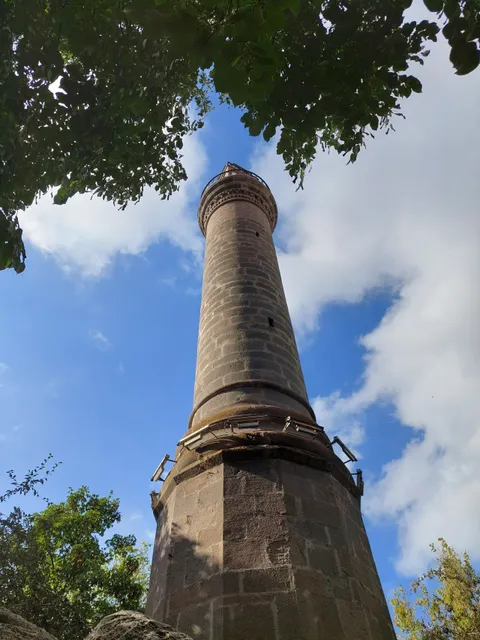
Clock tower
4.4
(136)
Click for details
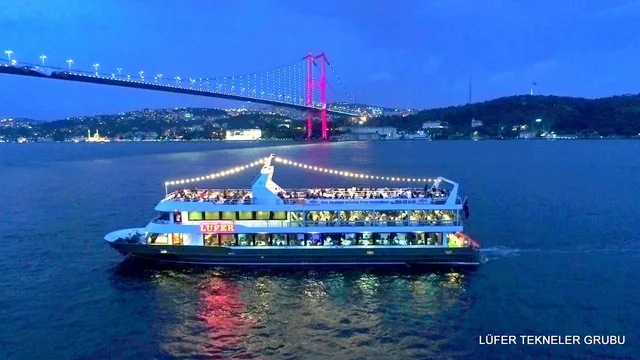
Mega Lüfer Yachts | Bosphorus Dinner Cruise İstanbul | Sunset & Daytime Tours
4.8
(2.6K)
Click for details
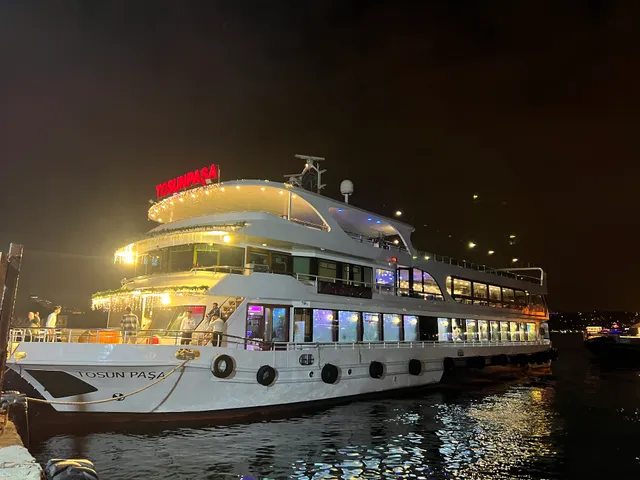
Istanbul Dinner Cruise
4.8
(927)
Click for details
Dolmabahçe, Beşiktaş
4.8
(316)
Click for details