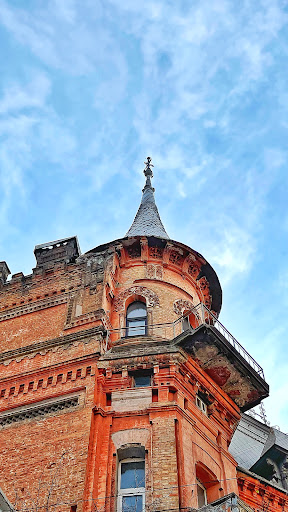
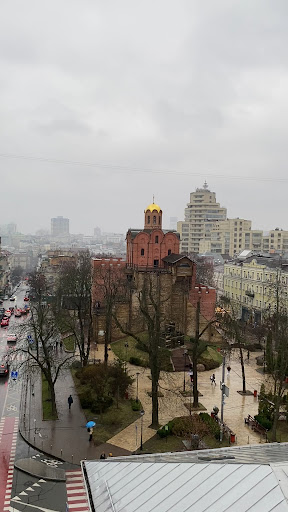
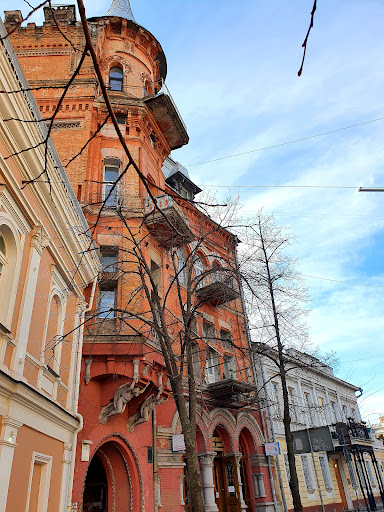
House Baron Steingel things to do, attractions, restaurants, events info and trip planning
Basic Info
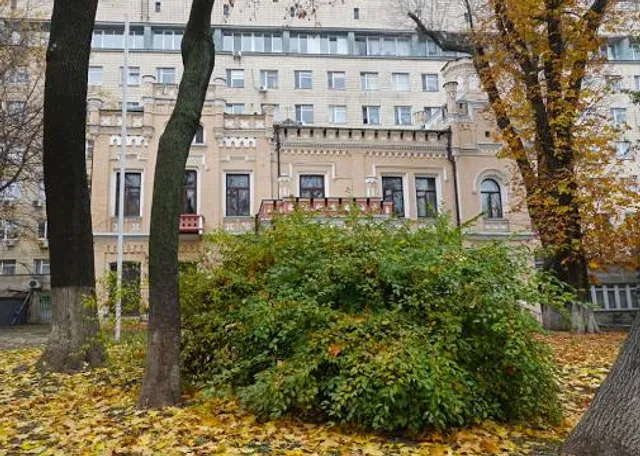
House Baron Steingel
Yaroslaviv Val St, 1, Kyiv, Ukraine, 02000
4.7(225)
Open until 8:00 PM
Save
spot
spot
Ratings & Description
Info
Cultural
Scenic
attractions: Golden Gate, National Opera of Ukraine, Zolotovoritskyi skver, The Monument Of Panteleymon The Persian Cat, St. Sophia's Cathedral, Prybutkovyy Budynok Sirotkina, St. Volodymyr's Cathedral, Музей у темряві "Третя після опівночі" Київ, Bohdan Khmelnytsky Monument, Brama Zaborovsʹkoho, restaurants: Kashtan Coffee, Zygzag, Honey, Fandom coffee bar, Entertainment Complex Avalon, 11 Mirrors Restaurant & Bar by FACE the Service, Citronelle, Бути Sofie, Толстый и Тонкий, Old street cafe, local businesses: National Science and Natural History Museum of the National Academy of Sciences of Ukraine, Pedagogical Museum of Ukraine, Khreschatyk Street, Khreschatyk St, Motuzkovyy Park, МЕМОРИАЛЬНЫЙ КАБИНЕТ-МУЗЕЙ В.С.КОСЕНКО, Khreshchatyk
 Learn more insights from Wanderboat AI.
Phone
+380 50 448 3341
Website
ua.gallery-afon.org
Open hoursSee all hours
Sat7 AM - 8 PMOpen
Plan your stay

Pet-friendly Hotels in Kyiv
Find a cozy hotel nearby and make it a full experience.

Affordable Hotels in Kyiv
Find a cozy hotel nearby and make it a full experience.

The Coolest Hotels You Haven't Heard Of (Yet)
Find a cozy hotel nearby and make it a full experience.

Trending Stays Worth the Hype in Kyiv
Find a cozy hotel nearby and make it a full experience.
Reviews
Nearby attractions of House Baron Steingel
Golden Gate
National Opera of Ukraine
Zolotovoritskyi skver
The Monument Of Panteleymon The Persian Cat
St. Sophia's Cathedral
Prybutkovyy Budynok Sirotkina
St. Volodymyr's Cathedral
Музей у темряві "Третя після опівночі" Київ
Bohdan Khmelnytsky Monument
Brama Zaborovsʹkoho
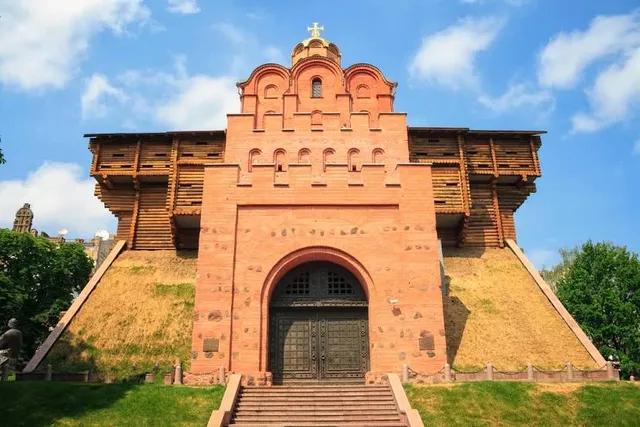
Golden Gate
4.7
(11.8K)
Open 24 hours
Click for details
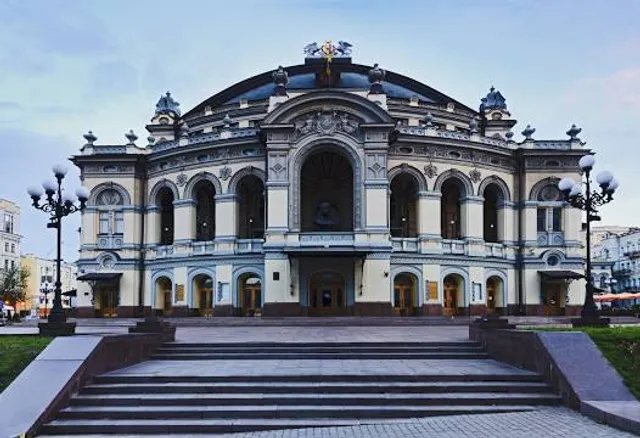
National Opera of Ukraine
4.8
(5.6K)
Open 24 hours
Click for details
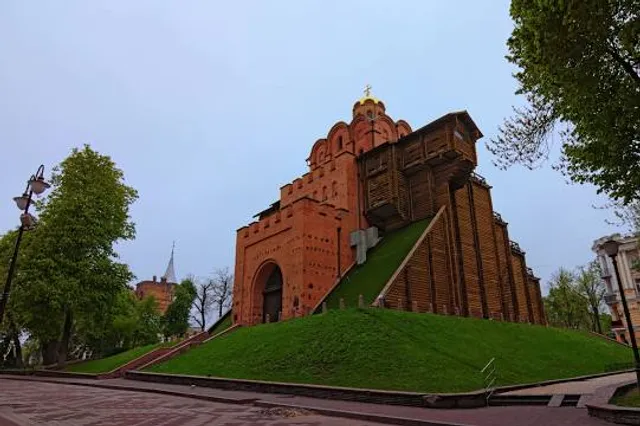
Zolotovoritskyi skver
4.7
(578)
Open until 12:00 AM
Click for details
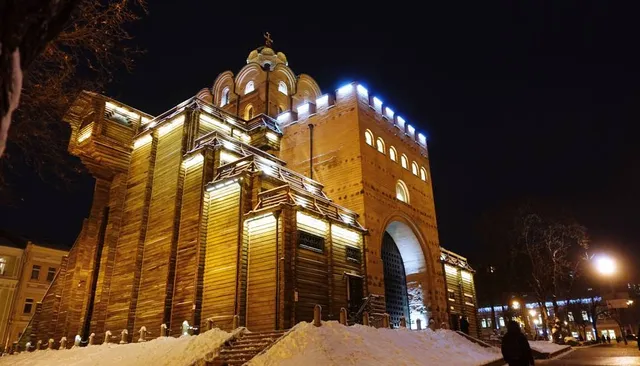
The Monument Of Panteleymon The Persian Cat
4.8
(131)
Open until 8:00 PM
Click for details
Nearby restaurants of House Baron Steingel
Kashtan Coffee
Zygzag
Honey
Fandom coffee bar
Entertainment Complex Avalon
11 Mirrors Restaurant & Bar by FACE the Service
Citronelle
Бути Sofie
Толстый и Тонкий
Old street cafe
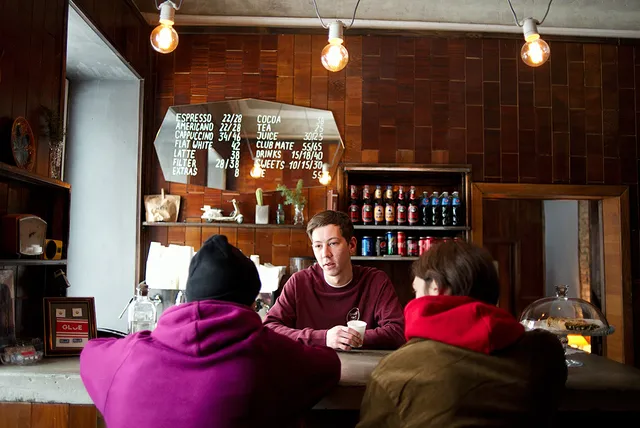
Kashtan Coffee
4.6
(592)
$$
Open until 8:00 PM
Click for details
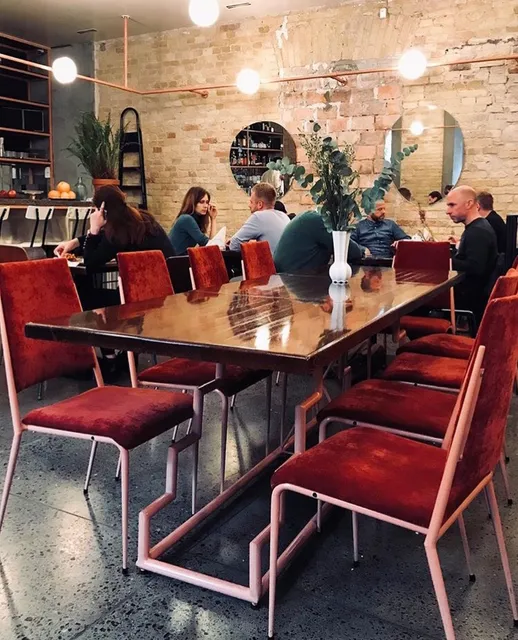
Zygzag
4.5
(923)
$$
Closed
Click for details
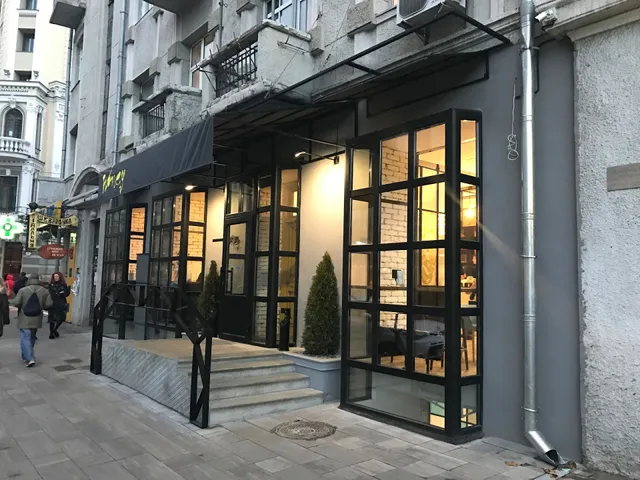
Honey
4.6
(1.5K)
$$
Closed
Click for details
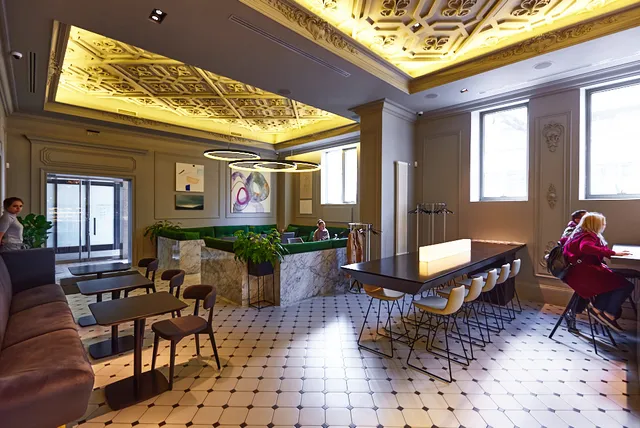
Fandom coffee bar
4.8
(908)
$$
Closed
Click for details
Nearby local services of House Baron Steingel
National Science and Natural History Museum of the National Academy of Sciences of Ukraine
Pedagogical Museum of Ukraine
Khreschatyk Street
Khreschatyk St
Motuzkovyy Park
МЕМОРИАЛЬНЫЙ КАБИНЕТ-МУЗЕЙ В.С.КОСЕНКО
Khreshchatyk
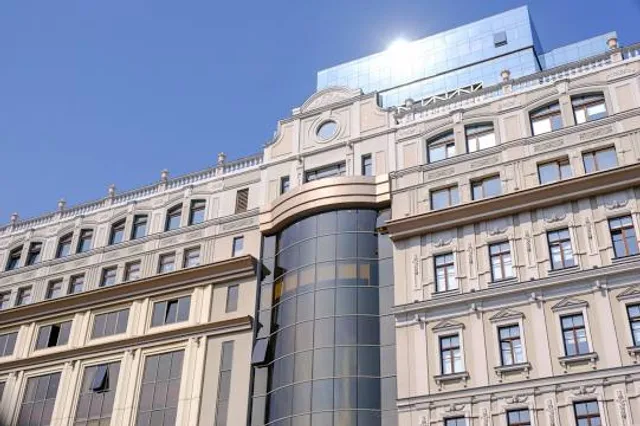
National Science and Natural History Museum of the National Academy of Sciences of Ukraine
4.6
(2.3K)
Click for details
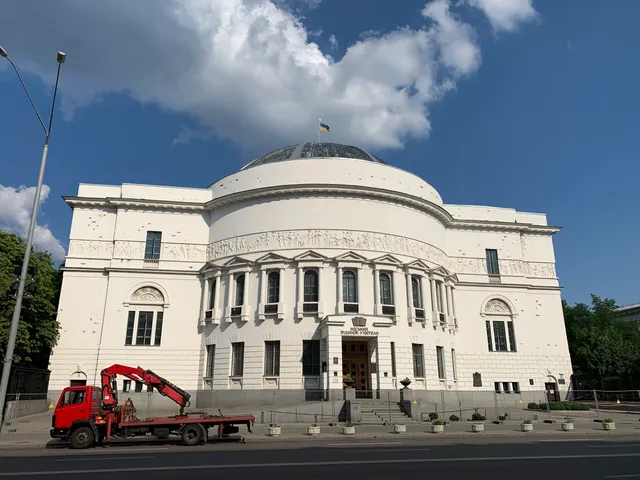
Pedagogical Museum of Ukraine
4.4
(53)
Click for details
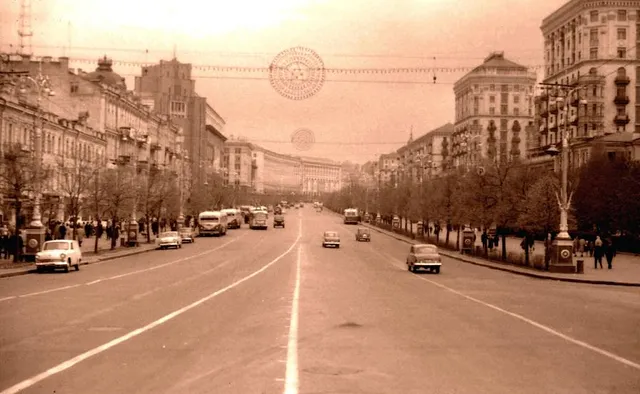
Khreschatyk Street
4.7
(407)
Click for details

Khreschatyk St
4.7
(419)
Click for details