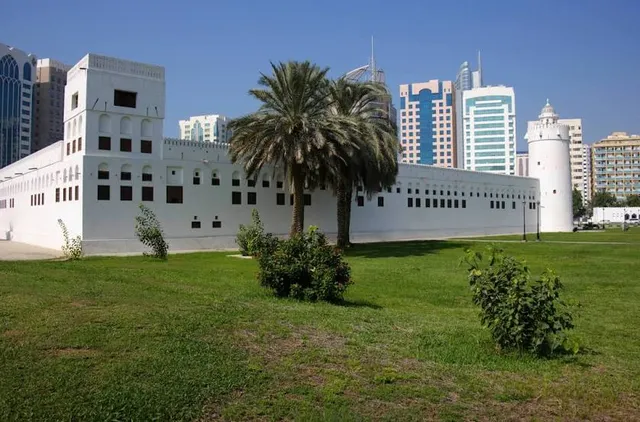
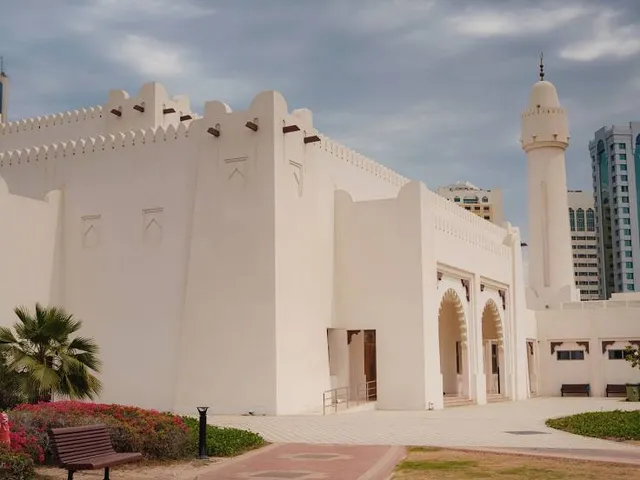
Qasr Al Hosn is one of Abu Dhabi’s most significant historical landmarks and a must-visit destination for anyone looking to explore the rich cultural heritage of the UAE. Located in the heart of Abu Dhabi, this stunning fort stands as a testament to the city’s transformation from a small fishing village to a global metropolis. Often referred to as the “Old Fort” or “White Fort,” Qasr Al Hosn is the oldest stone building in the city and a symbol of its enduring history.
Walking into Qasr Al Hosn feels like stepping back in time. The structure, with its striking white façade, was originally built in the late 18th century as a watchtower to protect Abu Dhabi’s valuable freshwater resources. Over the years, it evolved into a fort and then a residence for the ruling Al Nahyan family. Today, it serves as a museum and cultural hub, offering visitors a unique glimpse into the history and traditions of the UAE.
As you explore the fort, you’ll find beautifully preserved architecture that reflects Emirati craftsmanship. The thick coral and sea stone walls, traditional wooden beams, and intricate carvings are a reminder of the resourcefulness of the early inhabitants of the region. One of the highlights of the visit is climbing the tower for a panoramic view of the surrounding cityscape, blending the old with the modern.
Inside the museum, the exhibits are thoughtfully curated to tell the story of Abu Dhabi’s history. You’ll find artifacts, photographs, and interactive displays that showcase everything from the city’s pearling industry to its Bedouin roots. Many visitors are particularly fascinated by the section on pearl diving, as it highlights the hardships and ingenuity of the early pearl divers, whose trade was a cornerstone of the local economy before the discovery of oil.
Another highlight is the House of Artisans, located within the Qasr Al Hosn complex. This space celebrates traditional Emirati crafts such as weaving, pottery, and palm frond braiding. You can watch artisans at work, learn about the techniques passed down through generations, and even try your hand at some of these crafts. It’s an excellent way to connect with the heritage of the UAE in an interactive and memorable way.
For those interested in performances and live events, Qasr Al Hosn frequently hosts cultural programs, traditional music performances, and storytelling sessions. Visitors have shared how these experiences bring history to life, making it more than just a museum visit. During special times like National Day or Ramadan, the fort often becomes a hub for celebrations and cultural activities.
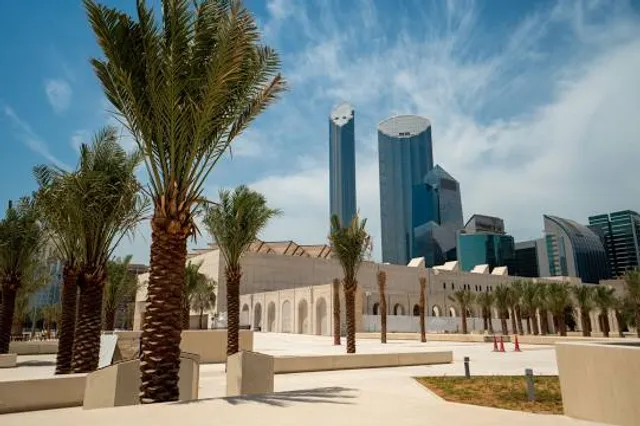
The surrounding area, known as the Cultural Foundation, is another draw for visitors. It’s a vibrant space with galleries, workshops, and even a library, making it an ideal spot for families or those looking to dive deeper into art and culture. The lush courtyards and shaded walkways offer a peaceful atmosphere for a break during your visit.
Practical tips for visiting Qasr Al Hosn: Wear comfortable shoes, as there’s quite a bit of walking involved, and bring a hat or sunglasses if you plan to explore the outdoor areas. Guided tours are highly recommended, as the knowledgeable guides provide fascinating insights into the history and significance of the fort. If you’re traveling with children, the interactive exhibits and live demonstrations are sure to keep them engaged.
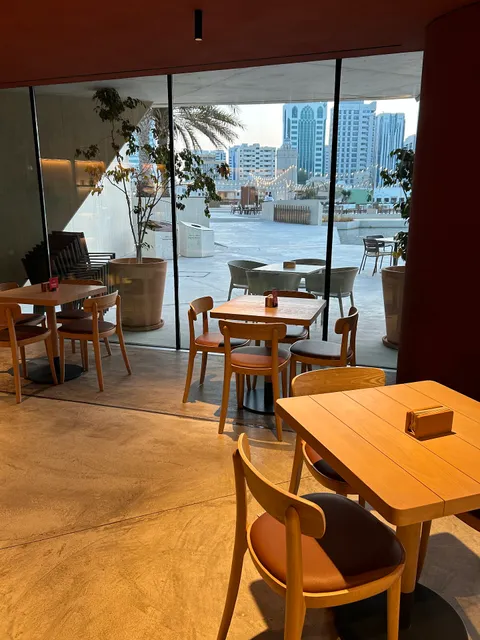
The fort is open throughout the year, but the cooler months are the best time to visit, especially if you want to enjoy the outdoor spaces fully. There’s also a café on-site where you can grab refreshments while soaking in the historic ambiance.
In summary, Qasr Al Hosn is not just a historical site; it’s a bridge between the past and the present. Whether you’re a history enthusiast, a culture lover, or simply looking for a unique experience in Abu Dhabi, a visit to Qasr Al Hosn will leave you with a deeper appreciation of the UAE’s rich heritage and...
Read moreA landmark monument that stands as the heart of Abu Dhabi, its ruling house and the history of the city.
The Qasr Al Hosn fort was built as a projection of power of the Nahyan ruling house over the city of Abu Dhabi. It later became the family's seat of power as it made its capital. Later, a palace was built around the fort. This palace-fort became the center of power of the family, its living and ruling headquarters. The museification of Qasr Al Hosn crystalizes and pays homage to this history, reaffirming the families compromise with the past, and to its origins. This is the story that is expanded and detailed along its renewed corridors. In the "fort", the exhibit focus on the history of the family and of the city, and the role the activity that exerted from the fort had in the transformation of the city. In the "palace" area, the exhibit focus on memorabilia and life style of the family members. Just like the buildings, fort and palace, are intertwined, so are history and modernity, and the Emirate and the Nahyan family.
The museum has been carefully adapted to a museum. Its original structure was preserved, but manicured enhancements and the reinforcement and services were carefully added. The palace section feels more bare, building on the narrative of the simple life and perpetuation of traditional lifestyles followed by the royal family.
Tickers are bought at the entrance. Registry is needed with email address and phone number. There is a booklet in Arabic and English with a summary of the building history. One starts with the fort, and after a dead-end upper room, should go through the patio to the living quarters. After that, a door with a guard standing is the exit (formerly used by women who wanted to enter and leave the palace discretely) and it points towards the House of Artisans.
Photography is allowed. There are lifts for the upper floor, for wheelchairs, except for the upper room in the fort and the ventilation tower/roof top.
Highly recommended visit for people interested in the history of Abu Dhabi and a deeper understanding...
Read moreExperience at Qasr Al Hosn, Abu Dhabi
Qasr Al Hosn is one of the most iconic historical landmarks in Abu Dhabi, offering a glimpse into the rich cultural heritage of the UAE. As soon as you step into the fort, you are transported back in time to the origins of Abu Dhabi. The site is beautifully preserved, and the interactive exhibits provide detailed insights into the history of the fort, the ruling Al Nahyan family, and the city’s transformation over the centuries.
The inner courtyard is particularly serene, and the watchtower gives you a sense of the fort's strategic significance. Walking through the halls, you can admire traditional Emirati craftsmanship, including beautiful artifacts, textiles, and tools used by the Bedouins. The museum staff is friendly and knowledgeable, eager to share stories about the region's past.
If you visit in the evening, the lighting enhances the fort’s beauty, making it an unforgettable experience. The cultural programs and live demonstrations of Emirati traditions, like weaving and pearl diving, add a special touch to the visit.
Experience at Al Musallah Masjid, Abu Dhabi
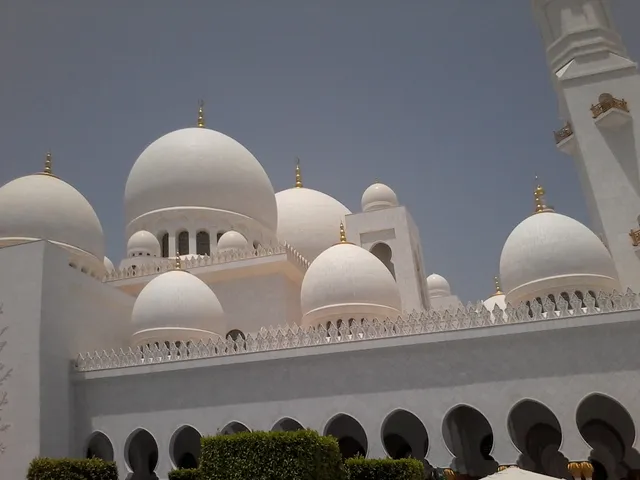
Al Musallah Masjid is a unique and modern architectural marvel in Abu Dhabi. Surrounded by lush gardens and water features, the mosque feels like a peaceful sanctuary amid the city’s hustle. The design is minimalist yet elegant, reflecting Islamic art in a contemporary form.
Entering the mosque, you feel an immediate sense of tranquility. The prayer hall is spacious, with beautiful calligraphy and subtle lighting that creates a serene ambiance. The mosque is open to visitors, and there are guided tours for non-Muslims to learn about Islamic culture and prayer rituals.
What makes Al Musallah Masjid stand out is its ability to blend traditional Islamic values with a modern aesthetic, making it a must-visit place for spiritual and architectural...
Read more