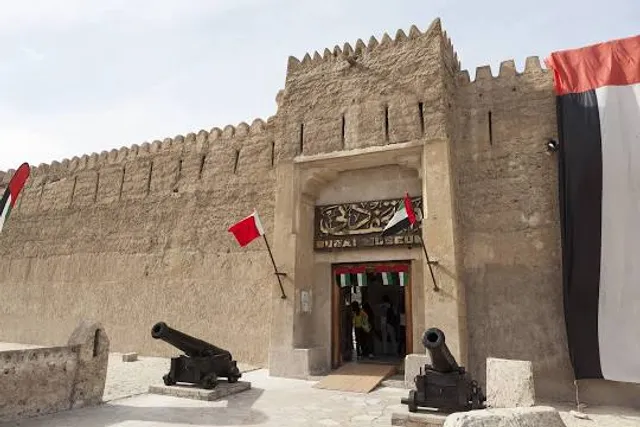
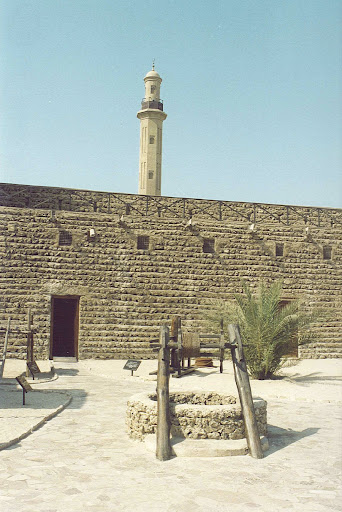
The Dubai Museum, housed in the Al Fahidi Fort, is a cornerstone of the cultural and historical landscape of Dubai. Established in 1971, it serves as the city's primary museum, offering visitors an immersive journey through the rich history and heritage of the region. This review will explore its historical significance, exhibits, visitor experience, and overall impact on cultural tourism in Dubai.
Historical Significance
Al Fahidi Fort, the building that houses the Dubai Museum, is itself a significant historical monument. Built in 1787, it is the oldest existing building in Dubai. The fort originally served as a defensive structure against invasions and as a residence for the ruling family. Its transformation into a museum marked an important step in preserving and showcasing the emirate's history.
Exhibits and Displays
The Dubai Museum offers a comprehensive overview of the emirate's transformation from a small fishing and trading port to a global metropolis. The museum’s exhibits are meticulously curated to provide a detailed narrative of Dubai's past, focusing on several key themes:
Archaeological Finds: The museum displays artifacts dating back to the third millennium BC, discovered at various archaeological sites in the region. These exhibits highlight the early human settlements and trade activities in the area.
Traditional Life: One of the main attractions is the life-size dioramas that recreate scenes from traditional Emirati life before the oil boom. These include depictions of souks (markets), homes, mosques, date farms, desert life, and pearl diving.
Maritime Heritage: The museum pays homage to Dubai’s maritime history, showcasing models of traditional dhows (wooden boats), fishing tools, and trade goods that were pivotal to the economy.
Urban Development: Visitors can also explore exhibits that detail the rapid urban development of Dubai in the 20th century, highlighting key milestones and infrastructural advancements.
Visitor Experience
The Dubai Museum provides an engaging and educational experience for visitors. The layout of the museum is user-friendly, with clear signage and information panels in multiple languages. The exhibits are interactive and well-lit, enhancing the overall visitor experience. The use of multimedia displays, such as videos and sound effects, helps bring the historical scenes to life, making it a dynamic experience for all age groups.
Impact on Cultural Tourism
The Dubai Museum plays a crucial role in promoting cultural tourism in Dubai. It attracts a diverse audience, including tourists, students, and residents interested in learning about the emirate's heritage. The museum's ability to present a cohesive and detailed account of Dubai's history makes it an essential destination for those looking to understand the cultural fabric of the city.
Furthermore, the museum contributes to the preservation and dissemination of local culture. By maintaining and showcasing historical artifacts and traditions, it ensures that future generations have access to the rich history of Dubai. This commitment to cultural preservation aligns with Dubai’s broader efforts to balance modernization with heritage conservation.
Challenges and Areas for Improvement
Despite its many strengths, the Dubai Museum faces challenges related to space and modernization. As Dubai continues to grow and attract more tourists, the museum could benefit from expanded exhibition space and updated facilities to accommodate larger crowds. Additionally, integrating more advanced technology could enhance the interactive elements of the exhibits, providing a more immersive experience.
Conclusion
The Dubai Museum at Al Fahidi Fort is a vital cultural institution that offers valuable insights into the history and heritage of Dubai. Its well-curated exhibits, historical significance, and engaging visitor experience make it a must-visit destination for anyone interested in the emirate's past. While there are areas for improvement, particularly in...
Read moreDubai Museum is the main museum in Dubai, United Arab Emirates. It is located in the Al Fahidi Fort (Arabic:, built in 1787 and is the oldest existing building in Dubai.
The museum was opened by the Ruler of Dubai in 1971, with the aim of presenting the traditional way of life in the Emirate of Dubai. When entering, one can see the fort constructed and the various displays that go along with it. From the fort, there is a path to the galleries, which display the general culture of the land, especially in the 1800s. It includes local antiques as well as artifacts from African and Asian countries that traded with Dubai. It also includes several dioramas showing life in the emirate before the advent of oil, in addition to artifacts from recent discoveries as old as 3000 BC.
In 2007, Dubai Museum received 1,800 visitors daily, with a yearly total of 611,840. In March 2008, the museum had 80,000 visitors. The most popular times are from August to April. The museum received over 1 million visitors in 2013.The total area of Dubai museum is 4,000 square meters.
A renovation was carried out in 2021 by the former HQ of the Dubai ruler.
History Al Fahidi Fort was built in several phases. The oldest tower was built around 1787, and is believed to be the oldest building in Dubai that still exists today. The fort was used to guard the landward approaches to the town from the raids of neither ruler's palace, a garrison, and a prison.
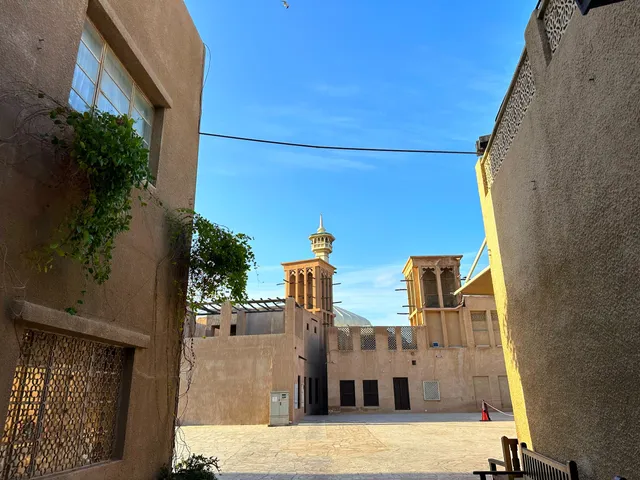
In 1969, Sheikh Hamdan Bin Rashid Al Maktoum issued a letter to Sheikh Badr Mohammad Al Sabah, head of the office of state in Kuwait, asking for a museum expert to be sent to Dubai to help establish the museum. Fort Al Fahidi Fort is square-shaped with towers occupying three of its corners. It was built of coral rock and mortar in several phases. Just off the southern wall lie a reconstruction of the old city walls. Next to them stands a tall dhow (traditional boat) in the middle of a large courtyard that covers the underground galleries. Two cannons guard the main gate to the fort on the eastern wall, adorned by flags of Dubai and the United Arab Emirates. Internal halls line three of the fort walls. One hall is at the main gate and houses the ticket office, while the others contain a collection of old weapons and arms from different historical periods along with a model of the city in 1820 AD. Traditional musical instruments are also displayed next to a video of folkloric music. The halls surround a central courtyard. Here you will find a bronze cannon with cannonballs, a well, and various types of boats. In the corner stands a traditional summer house called Arish. The Arish is made entirely from weaved palm fronds. It comprises seating and sleeping areas as well as a kitchen, filled with household furnishings and objects used by the locals in past times. The Arish features the distinct wind tower design, used for air conditioning in the pre-electricity days.
Galleries Entrance to the galleries is located at the tower on the south-western corner of the fort. After descending the spiral stairs visitors enter the first gallery, where old maps of Dubai are displayed. Next is the video room, showing a video, updated in 2007, that depicts Dubai from before the discovery of oil in the 1960s to the current day. Below it there is a map that shows the urban scape of the city growing in sync with the timeline of the video.
Life-size dioramas of the pre-oil era await behind the next door. Once they enter, visitors will set foot on the deck of a dhow unloading at the model creek-side souq. Moving ahead they will see the shops filled with craftsmen, vendors and buyers. A tailor, a carpenter, an iron smith, a textile vendor and others line the street. Realistic sounds and life-size videos of craftsmen at work give the impression of a...
Read moreDubai Fort is situated at the south of Dubai Creek, at the Al Souk Al Kabir area which teems with vigorous trade and is close to the Ruler's Court (the monarch's divan). It was built back in 1787, about 200 years ago, as the premises of the monarch and a fort of defence, since it sat on the border of the urban Dubai at the time. Later on, this fort turned into an arsenal for artillery and weapons. It was also used as a prison for the outlaws. This fort was renovated during the reign of the late Sheikh Rashid bin Saeed Al Maktoum. It was opened in 1971 (the year the federation was formed), to be an official museum that displays the history of Dubai and its original heritage. In 1995, another underground museum was established and added to the old fort.
The visitors of Dubai Museum "Al Fahidi Fort" have an opportunity to get rich, full and integral knowledge of the very old history of Dubai that interacted with different people and civilizations across history. Visitors will get acquainted with the different environments of urban and rural lives in Dubai, whether they are marine, coastal, desert, mountain or agricultural life. Rare authentic monuments, original samples, drawings and diagrams, audio and video media are scattered all over the wings of the museum. The museum consists of the monuments wing, which displays antique monuments such as pottery, weapons, tombs, buildings and urban communities. The wing of Dubai between the past and the present, the market in the 1950s wing, displays comprehensive examples reflecting the market atmosphere, vendors, shops and goods sold in those times. There is also the traditional home and masjid wing, the oasis wing, desert, story of the water and desert at night. There is also the astronomy and natural phenomena wing along with a sea wing that takes the visitor on a breathtaking tour to get to know shipbuilding and the manufacture of shipping equipment, the profession of pearl diving and the marine life on the floor of the Arabian Gulf. Also, there is the folklore wing, as well as the weapons and Old Dubai fortification wing. In the centre of Fahidi Fort lies a spacious yard that is used for displaying models of local boats and bamboo houses with their traditional furniture.
A visit to Dubai Museum "Al Fahidi Fort" offers an opportunity to get acquainted with the history of Dubai, which gives an impression that Dubai's current development, modernism and distinction are only a continuation of a journey of a unique and distinguished civilization that was subjected to different cultures and people, as well as an example of the strong bond with Arabism and Islam. The comparison between old and modern Dubai, which are separated by a few number of years, show you the great, continuous efforts that led Dubai to its current state of progress and pioneering. It also consolidates the confidence that all that Dubai has become today is based on a deeply rooted...
Read more