Ulster Museum things to do, attractions, restaurants, events info and trip planning
Basic Info
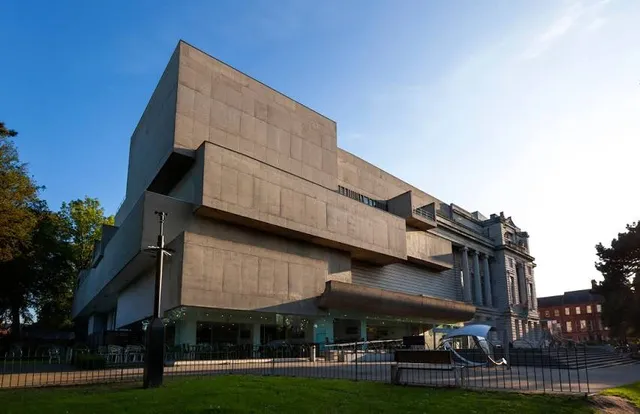
Ulster Museum
Belfast BT9 5AB, United Kingdom
4.7(2.5K)
Open until 12:00 AM
Save
spot
spot
Ratings & Description
Info
The Ulster Museum, located in the Botanic Gardens in Belfast, has around 8,000 square metres of public display space, featuring material from the collections of fine art and applied art, archaeology, ...
Cultural
Family friendly
Accessibility
attractions: Botanic Gardens, Belfast Tropical Ravine, Queen’s Welcome Centre, Queen's University Belfast, Friar's Bush Graveyard, Mandela Hall, The McClay Library, The Naughton Gallery at Queen's, Computer Science Building, The Graduate School, restaurants: Maggie Mays Belfast Cafe, Orto Pizza Stranmillis, A Nice Sip Belfast, The Jeggy Nettle Pub, The Welcome - Hong Kong Cuisine, Wynne & Pym Café, Ravenous Gourmet Sandwich Store, The Botanic Inn, Post House, Loong Express, local businesses: Whitla Hall, Books Paper Scissors, Nugelato, Malone Lodge Hotel, McGoveran’s Centra Malone Road, Them Studio | Luxury Piercing & Tattoo Studio Belfast, McGoveran’s Centra Stranmillis, 888 Lashes, Lash Trainers, Russian & Hybrid Lash Specialists, Consulate General of the Republic of Poland in Belfast, Hair By Tanya
 Learn more insights from Wanderboat AI.
Phone
+44 28 9044 0000
Website
ulstermuseum.org
Open hoursSee all hours
MonClosedOpen
Plan your stay

Pet-friendly Hotels in Belfast
Find a cozy hotel nearby and make it a full experience.

Affordable Hotels in Belfast
Find a cozy hotel nearby and make it a full experience.

The Coolest Hotels You Haven't Heard Of (Yet)
Find a cozy hotel nearby and make it a full experience.

Trending Stays Worth the Hype in Belfast
Find a cozy hotel nearby and make it a full experience.
Reviews
Live events

Belfast Troubles Tour: Walls and Bridges
Tue, Feb 24 • 10:00 AM
Belfast, BT1, United Kingdom
View details
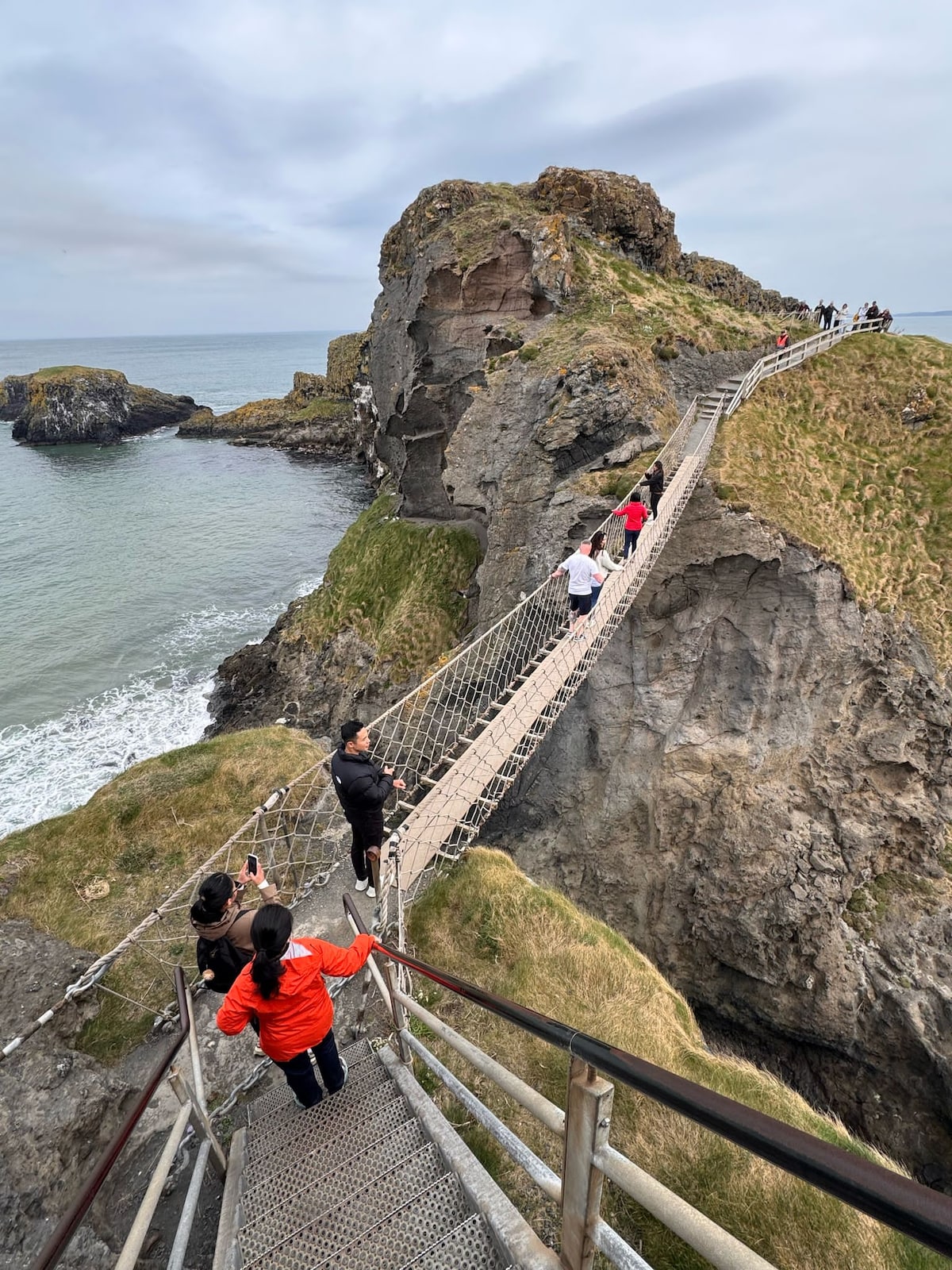
Causeway, Castles, Irish Whiskey & Game of Thrones
Tue, Feb 24 • 8:30 AM
Belfast, BT1 5GS, United Kingdom
View details

Hear the Stories Behind Buildings in Belfast
Sat, Feb 28 • 10:00 AM
Belfast, BT1 5GB, United Kingdom
View details
Nearby attractions of Ulster Museum
Botanic Gardens
Belfast Tropical Ravine
Queen’s Welcome Centre
Queen's University Belfast
Friar's Bush Graveyard
Mandela Hall
The McClay Library
The Naughton Gallery at Queen's
Computer Science Building
The Graduate School
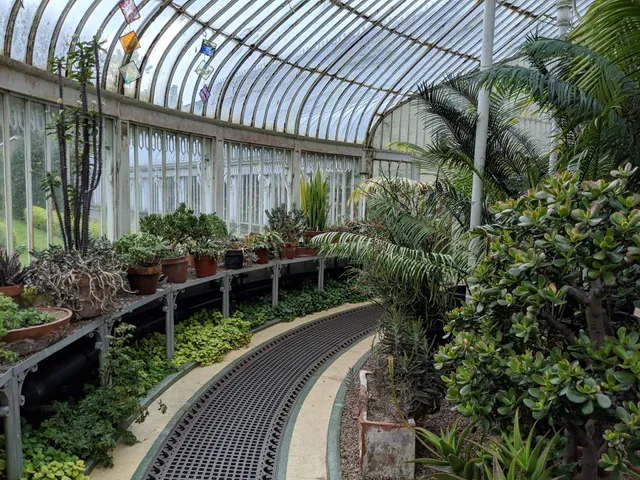
Botanic Gardens
4.6
(3.7K)
Closed
Click for details
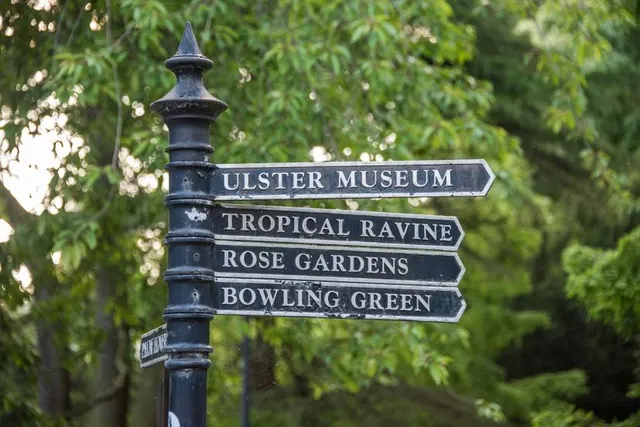
Belfast Tropical Ravine
4.7
(75)
Closed
Click for details
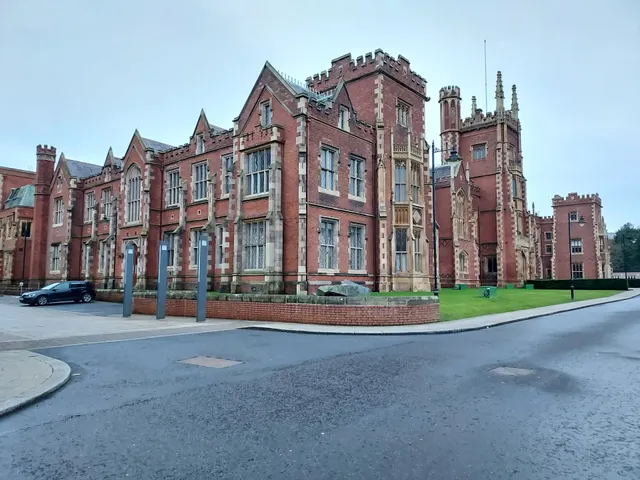
Queen’s Welcome Centre
4.7
(187)
Open until 12:00 AM
Click for details
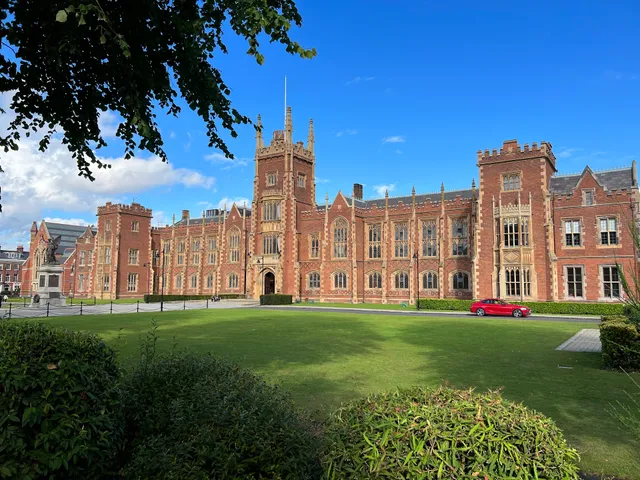
Queen's University Belfast
4.6
(184)
Open 24 hours
Click for details
Nearby restaurants of Ulster Museum
Maggie Mays Belfast Cafe
Orto Pizza Stranmillis
A Nice Sip Belfast
The Jeggy Nettle Pub
The Welcome - Hong Kong Cuisine
Wynne & Pym Café
Ravenous Gourmet Sandwich Store
The Botanic Inn
Post House
Loong Express
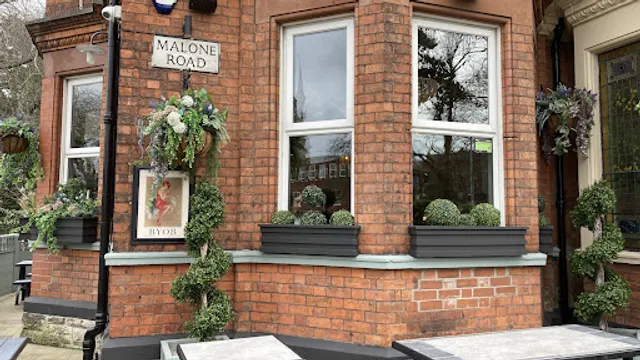
Maggie Mays Belfast Cafe
4.3
(748)
Open until 8:30 PM
Click for details
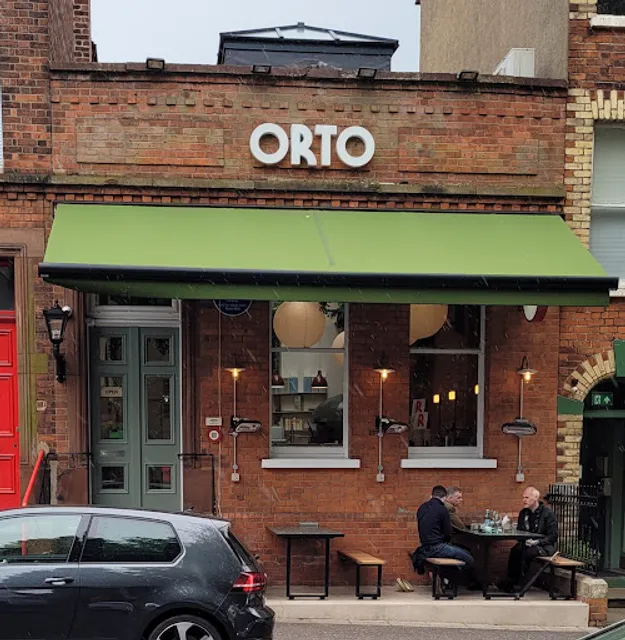
Orto Pizza Stranmillis
4.6
(235)
Open until 9:00 PM
Click for details
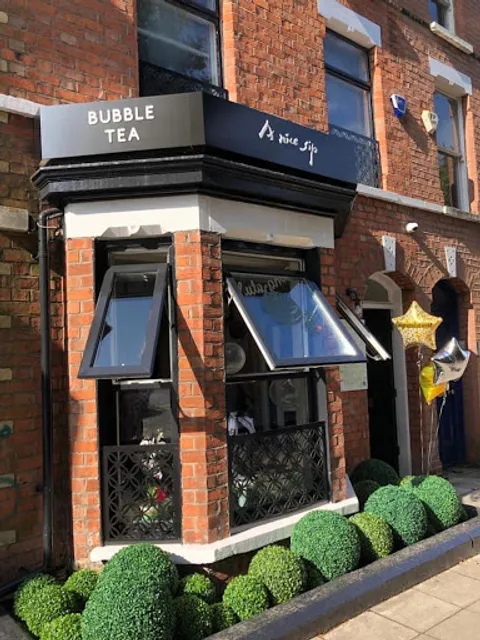
A Nice Sip Belfast
4.7
(122)
Open until 7:30 PM
Click for details
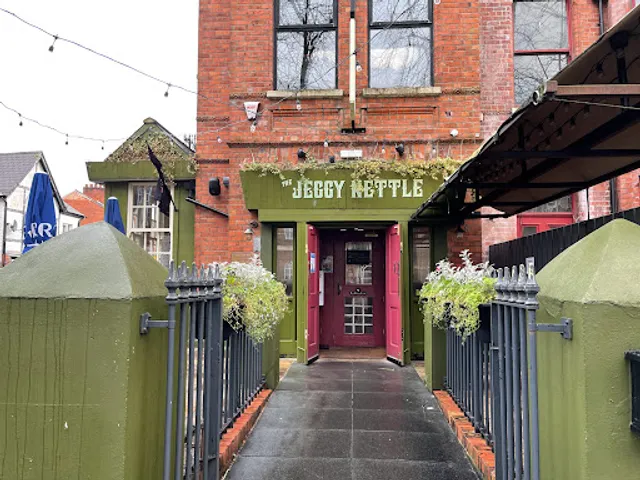
The Jeggy Nettle Pub
4.5
(257)
$$
Open until 1:00 AM
Click for details
Nearby local services of Ulster Museum
Whitla Hall
Books Paper Scissors
Nugelato
Malone Lodge Hotel
McGoveran’s Centra Malone Road
Them Studio | Luxury Piercing & Tattoo Studio Belfast
McGoveran’s Centra Stranmillis
888 Lashes, Lash Trainers, Russian & Hybrid Lash Specialists
Consulate General of the Republic of Poland in Belfast
Hair By Tanya
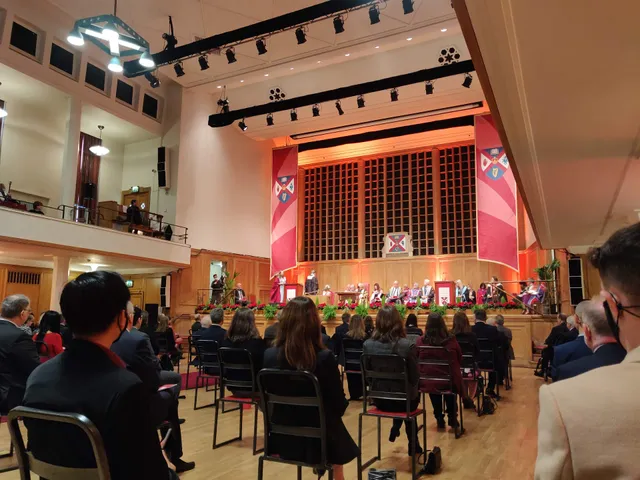
Whitla Hall
4.5
(188)
Click for details

Books Paper Scissors
4.8
(44)
Click for details

Nugelato
4.5
(295)
Click for details
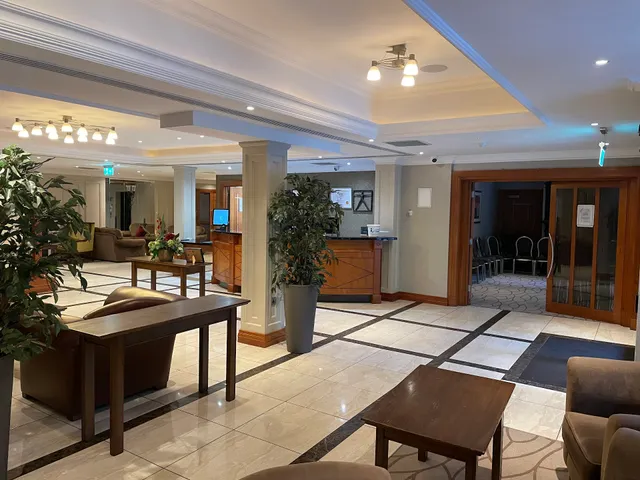
Malone Lodge Hotel
4.2
(738)
Click for details


The hit list

Plan your trip with Wanderboat
Welcome to Wanderboat AI, your AI search for local Eats and Fun, designed to help you explore your city and the world with ease.
Powered by Wanderboat AI trip planner.