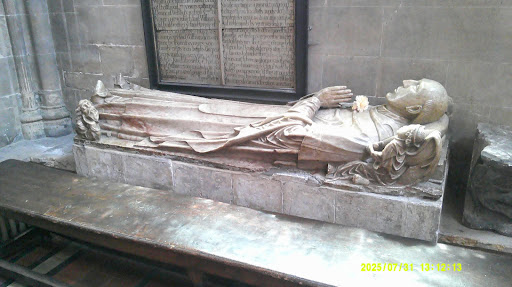
St Mary Redcliffe Church things to do, attractions, restaurants, events info and trip planning
Basic Info
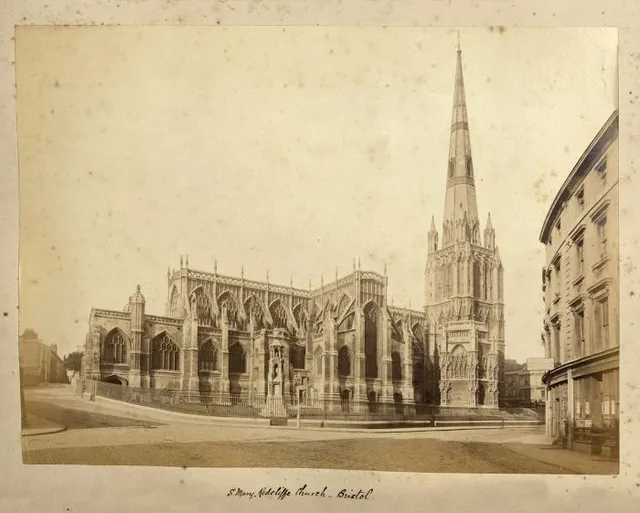
St Mary Redcliffe Church
The Parish Office, 12 Colston Parade, Redcliffe, Bristol BS1 6RA, United Kingdom
4.7(795)
Closed

tickets
Save
spot
spot
Ratings & Description
Info
The Church of St Mary the Virgin, widely known as St Mary Redcliffe, is the main Church of England parish church for the Redcliffe district of the city of Bristol, England. The first reference to a church on the site appears in 1158, with the present building dating from 1185 to 1872.
Cultural
Scenic
Accessibility
Family friendly
attractions: Redcliffe Caves, Floating Harbour, Arnolfini Arts, Temple Church, Bristol Aquarium, Windmill Hill City Farm, Equestrian Statue of William Ⅲ, Pero's Bridge, Bristol Hippodrome, Lloyds Amphitheatre, restaurants: Pasture, La Panza, Colosseum, Portwall Tavern, Hole In The Wall Bristol, Yummy Oriental Redcliffe, Riverstation, The Ostrich, Harbour House - Restaurant, Bar & Terrace, Coffee#1 Welsh Back, local businesses: Queen Square, Workout Harbourside, Llandoger Trow, Old City Tattoos, Mud Dock Cycleworks, Kitchen of Anatolia, Arup, The Louisiana, DoubleShot Coffee - Barbers, Bristol Community Ferry Boats
 Learn more insights from Wanderboat AI.
Phone
+44 117 231 0060
Website
stmaryredcliffe.co.uk
Open hoursSee all hours
Mon8 AM - 4 PMClosed
Plan your stay

Pet-friendly Hotels in Bristol
Find a cozy hotel nearby and make it a full experience.

Affordable Hotels in Bristol
Find a cozy hotel nearby and make it a full experience.

The Coolest Hotels You Haven't Heard Of (Yet)
Find a cozy hotel nearby and make it a full experience.

Trending Stays Worth the Hype in Bristol
Find a cozy hotel nearby and make it a full experience.
Reviews
Live events

Sheep Herding
Sat, Jan 31 • 10:00 AM
Winsley, BA15, United Kingdom
View details
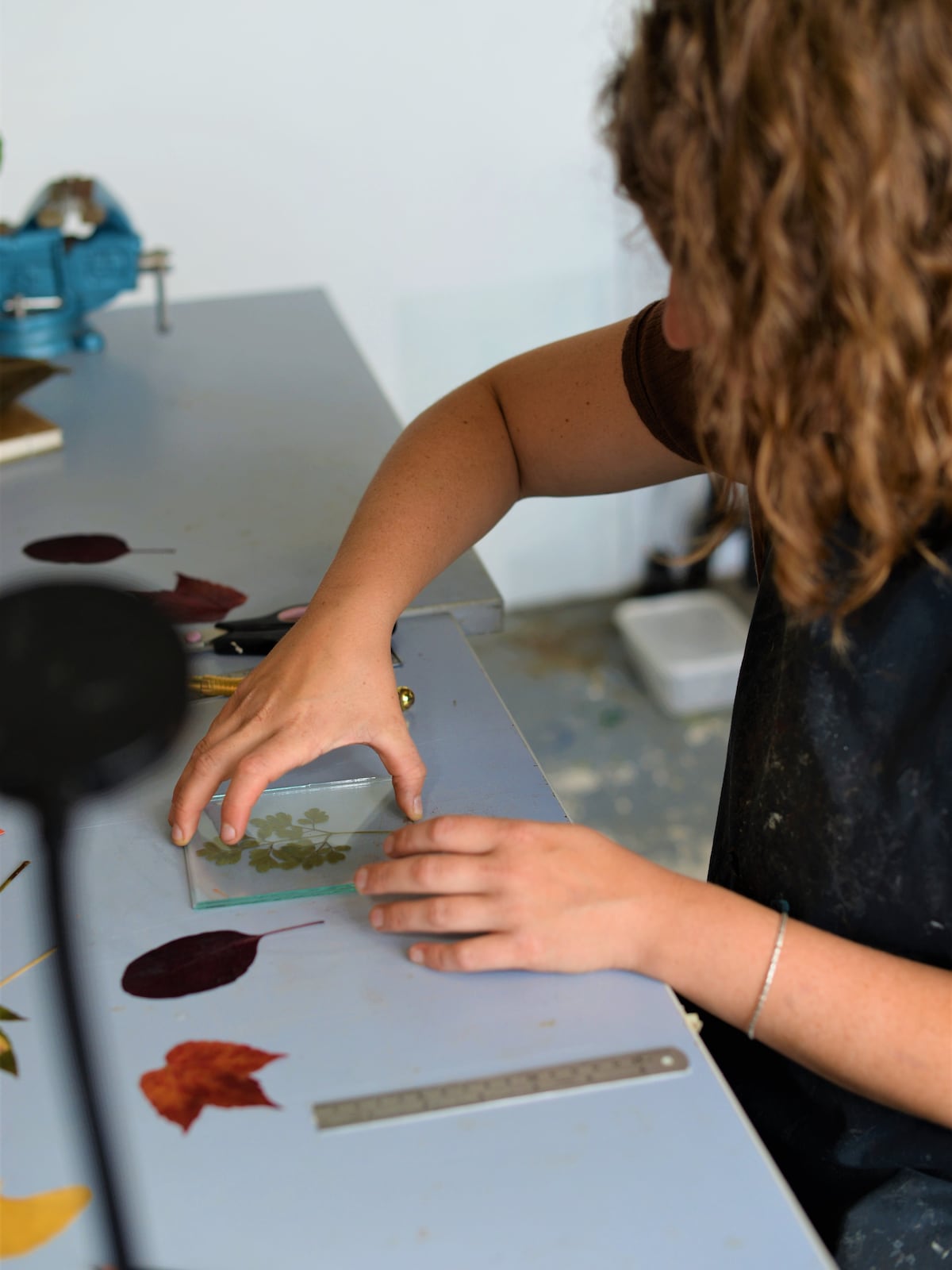
Craft wildflower and copper foiling art
Fri, Jan 30 • 11:00 AM
Easton, BS5 6JF, United Kingdom
View details
Candlelight - Tribute to Coldplay and Ed Sheeran
Sat, Jan 31 • 6:00 PM
College Green, Bristol, BS1 5TJ
View details
Nearby attractions of St Mary Redcliffe Church
Redcliffe Caves
Floating Harbour
Arnolfini Arts
Temple Church
Bristol Aquarium
Windmill Hill City Farm
Equestrian Statue of William Ⅲ
Pero's Bridge
Bristol Hippodrome
Lloyds Amphitheatre
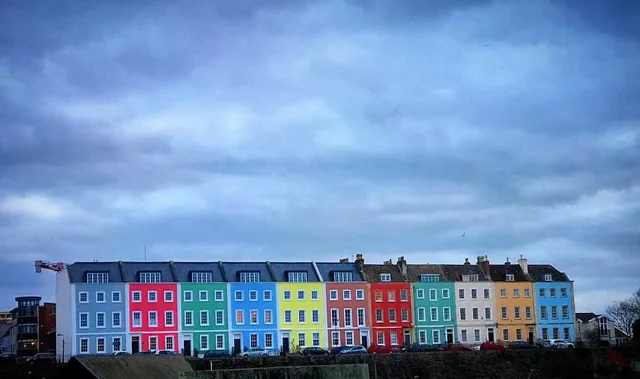
Redcliffe Caves
4.3
(77)
Open 24 hours
Click for details
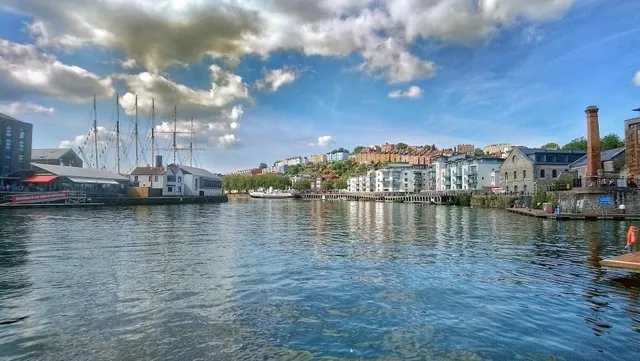
Floating Harbour
4.6
(670)
Open until 12:00 AM
Click for details
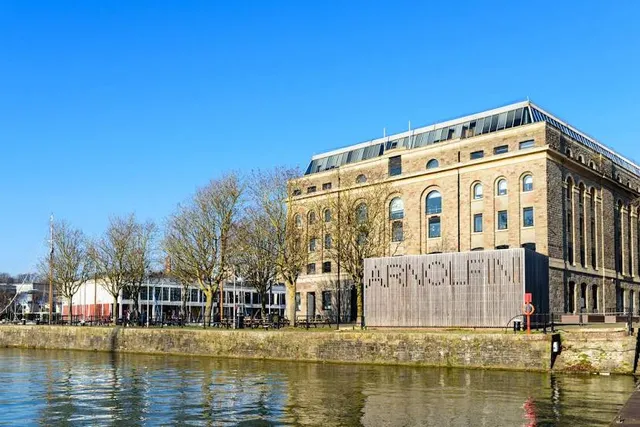
Arnolfini Arts
4.5
(1.1K)
Open until 12:00 AM
Click for details
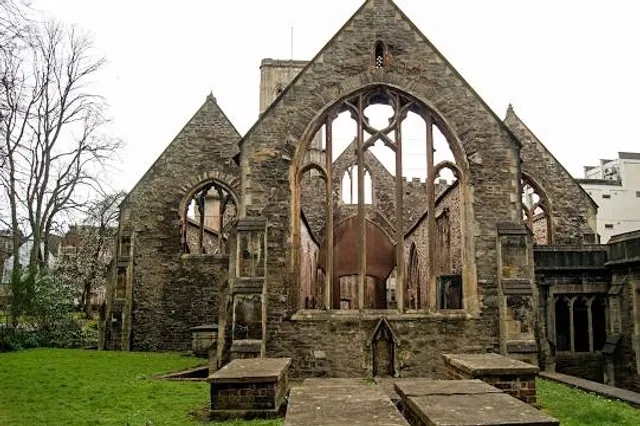
Temple Church
4.5
(106)
Closed
Click for details
Nearby restaurants of St Mary Redcliffe Church
Pasture
La Panza
Colosseum
Portwall Tavern
Hole In The Wall Bristol
Yummy Oriental Redcliffe
Riverstation
The Ostrich
Harbour House - Restaurant, Bar & Terrace
Coffee#1 Welsh Back
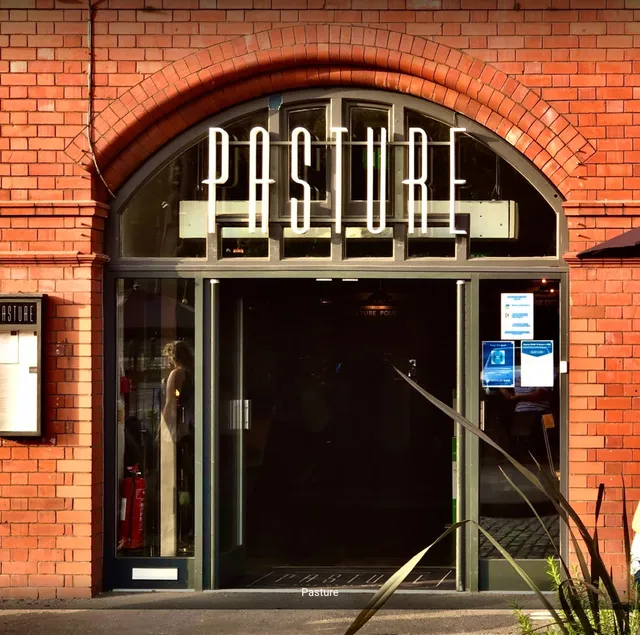
Pasture
4.8
(1.6K)
$$$
Open until 9:30 PM
Click for details
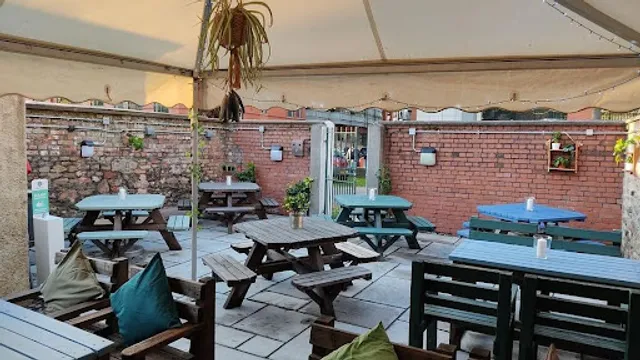
La Panza
4.6
(362)
Open until 12:00 AM
Click for details
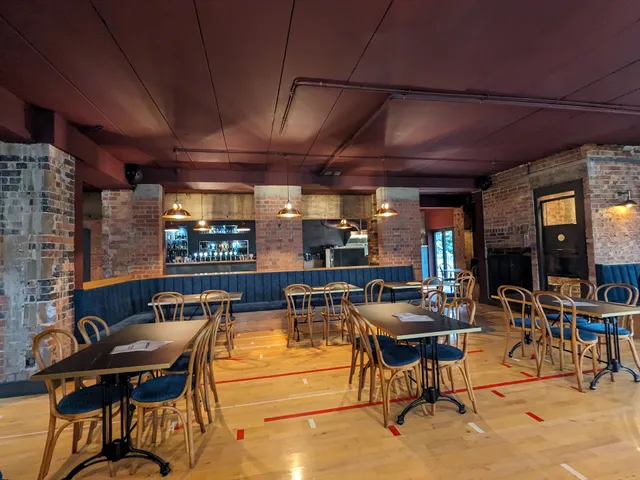
Colosseum
4.2
(272)
Open until 2:00 AM
Click for details
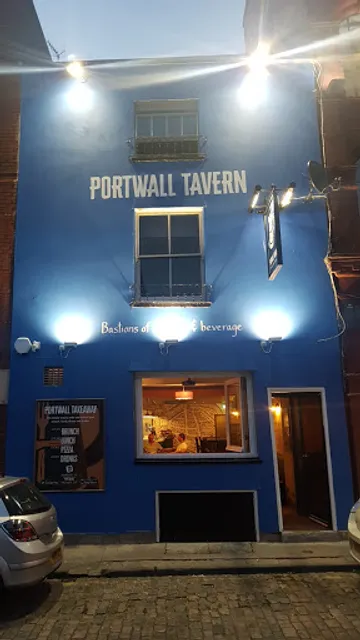
Portwall Tavern
4.4
(237)
Open until 12:00 AM
Click for details
Nearby local services of St Mary Redcliffe Church
Queen Square
Workout Harbourside
Llandoger Trow
Old City Tattoos
Mud Dock Cycleworks
Kitchen of Anatolia
Arup
The Louisiana
DoubleShot Coffee - Barbers
Bristol Community Ferry Boats
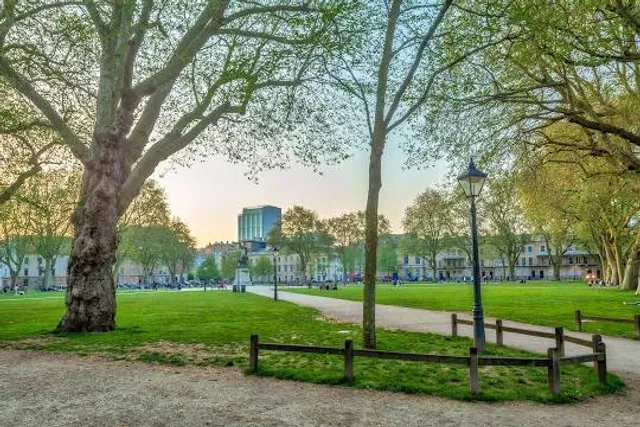
Queen Square
4.5
(1.6K)
Click for details
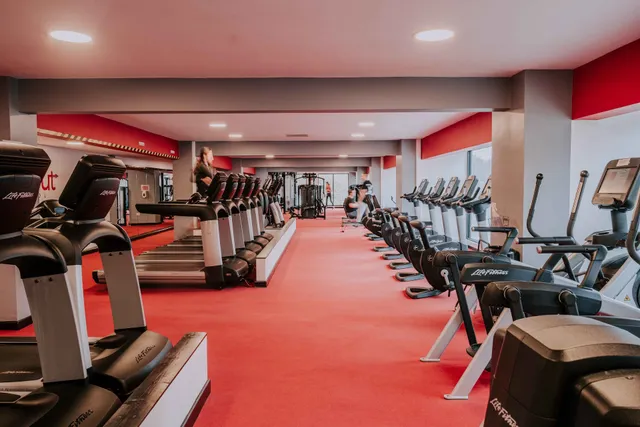
Workout Harbourside
4.6
(129)
Click for details
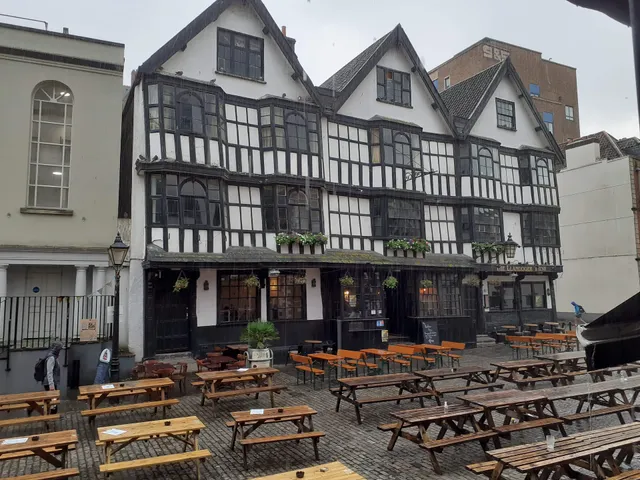
Llandoger Trow
4.1
(388)
Click for details

Old City Tattoos
5.0
(13)
Click for details