Bristol Cathedral things to do, attractions, restaurants, events info and trip planning
Basic Info
Bristol Cathedral
College Green, Bristol BS1 5TJ, United Kingdom
4.7(1.7K)
Open until 4:00 PM
Save
spot
spot
Ratings & Description
Info
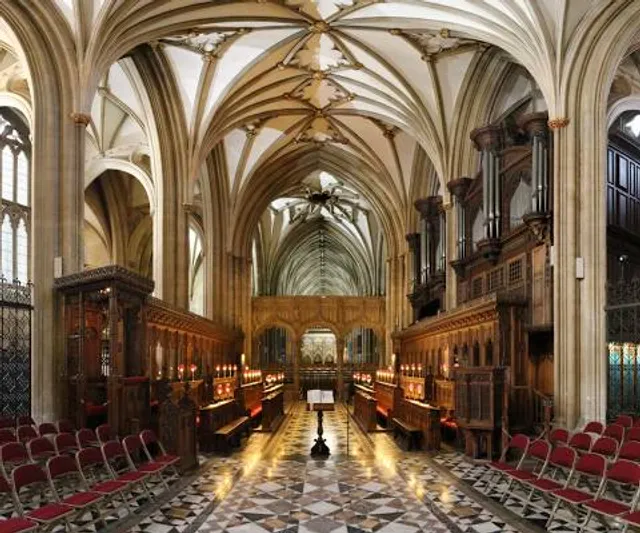
Bristol Cathedral, the Cathedral Church of the Holy and Undivided Trinity, is the Church of England cathedral in the city of Bristol, England.
Cultural
Accessibility
attractions: Bristol Aquarium, Bristol Hippodrome, We The Curious, Millennium Square, Bristol Beacon, Arnolfini Arts, Statue of Queen Victoria, Pero's Bridge, The Lord Mayor's Chapel, Upside Down House - Bristol, restaurants: Miller & Carter Bristol City Centre, Za Za Bazaar, Swoon Gelato, Las Iguanas - Bristol - Harbourside, The Bristol Stable, Turtle Bay Bristol Broad Quay, Slug & Lettuce - Harbourside Bristol, V-Shed - JD Wetherspoon, Pot Pot Malatang-Bristol, Prezzo, local businesses: Dorothy's Diner Bristol, Guided Walking Tour - From Blackbeard to Banksy, College Green | Student Accommodation Bristol, O2 Academy Bristol, Bristol Float Centre, Locked In A Room Bristol, TONI&GUY Bristol, Grosvenor Casino, A&A Nails, PureGym Bristol Harbourside | New Kit Just Landed!
 Learn more insights from Wanderboat AI.
Phone
+44 117 926 4879
Website
bristol-cathedral.co.uk
Open hoursSee all hours
Fri10 AM - 4 PMOpen
Plan your stay

Pet-friendly Hotels in Bristol
Find a cozy hotel nearby and make it a full experience.

Affordable Hotels in Bristol
Find a cozy hotel nearby and make it a full experience.

The Coolest Hotels You Haven't Heard Of (Yet)
Find a cozy hotel nearby and make it a full experience.

Trending Stays Worth the Hype in Bristol
Find a cozy hotel nearby and make it a full experience.
Reviews
Live events
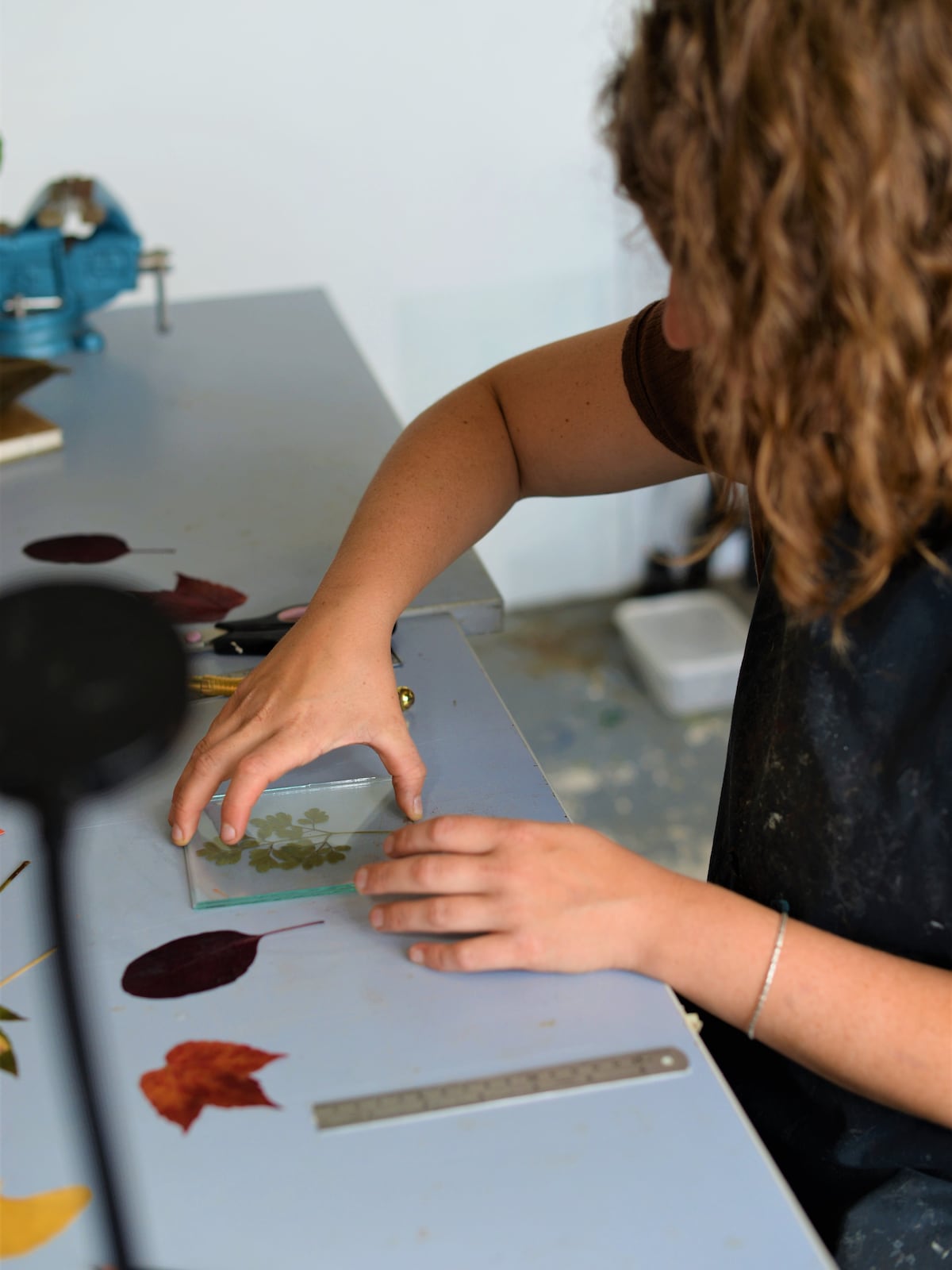
Craft wildflower and copper foiling art
Fri, Feb 27 • 11:00 AM
Easton, BS5 6JF, United Kingdom
View details

Sheep Herding
Sat, Feb 28 • 10:00 AM
Winsley, BA15, United Kingdom
View details
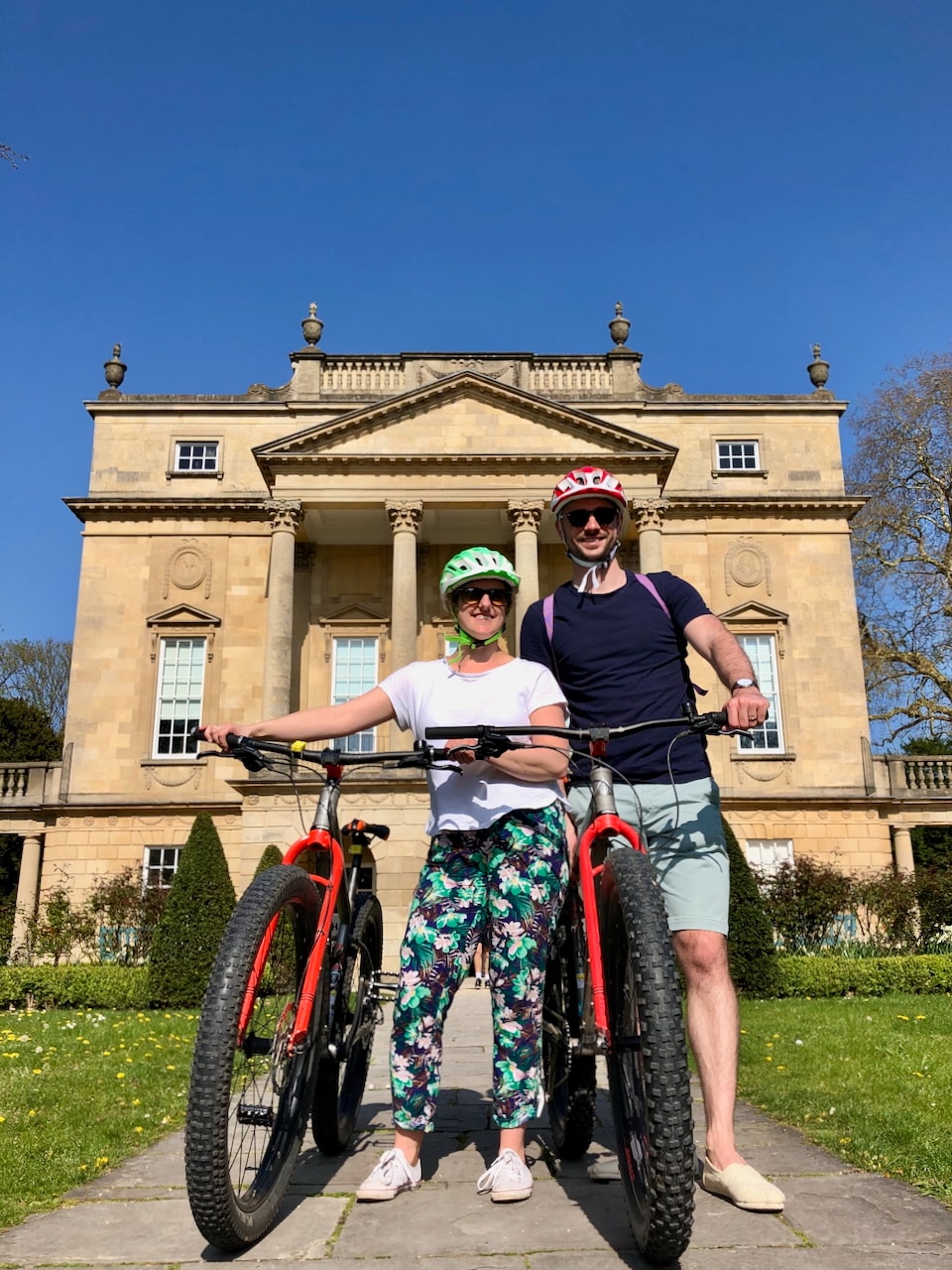
Ride Baths historic and scenic routes
Sat, Feb 28 • 10:00 AM
Bath and North East Somerset, BA2 4HX, United Kingdom
View details
Nearby attractions of Bristol Cathedral
Bristol Aquarium
Bristol Hippodrome
We The Curious
Millennium Square
Bristol Beacon
Arnolfini Arts
Statue of Queen Victoria
Pero's Bridge
The Lord Mayor's Chapel
Upside Down House - Bristol
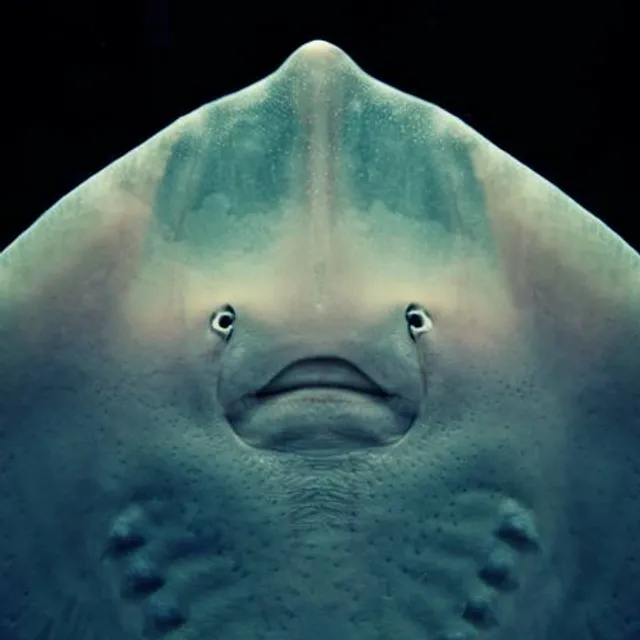
Bristol Aquarium
4.2
(2.7K)
Open until 4:00 PM
Click for details
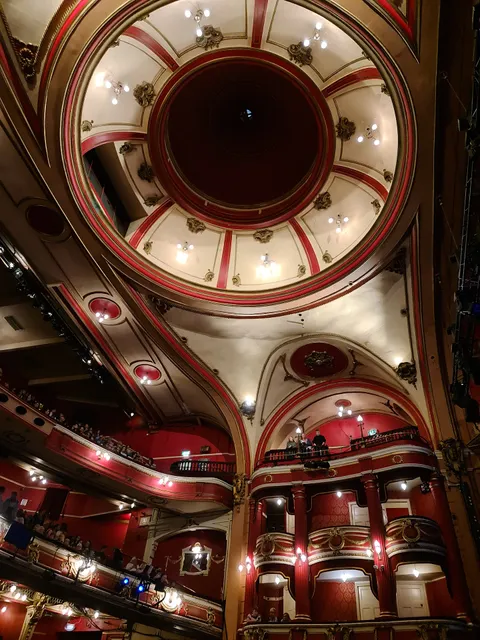
Bristol Hippodrome
4.5
(2.7K)
Open 24 hours
Click for details
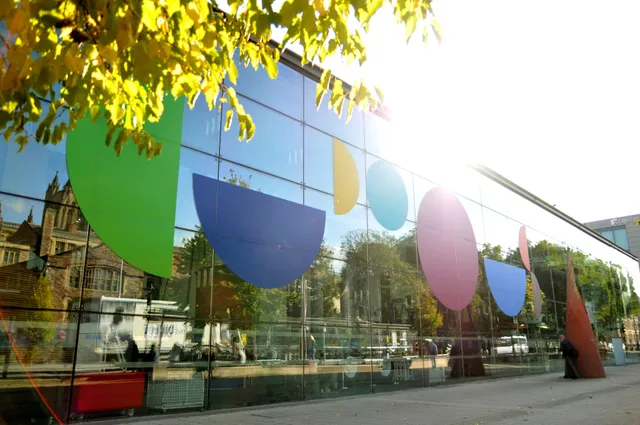
We The Curious
4.3
(348)
Open until 5:00 PM
Click for details
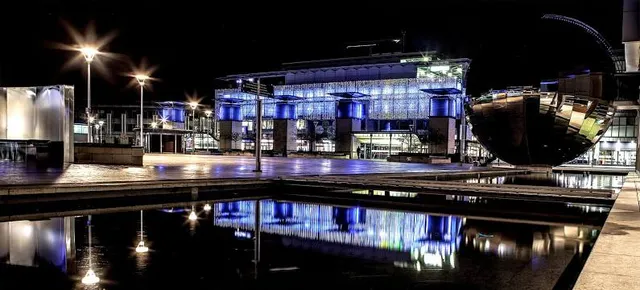
Millennium Square
4.5
(802)
Open until 12:00 AM
Click for details
Nearby restaurants of Bristol Cathedral
Miller & Carter Bristol City Centre
Za Za Bazaar
Swoon Gelato
Las Iguanas - Bristol - Harbourside
The Bristol Stable
Turtle Bay Bristol Broad Quay
Slug & Lettuce - Harbourside Bristol
V-Shed - JD Wetherspoon
Pot Pot Malatang-Bristol
Prezzo
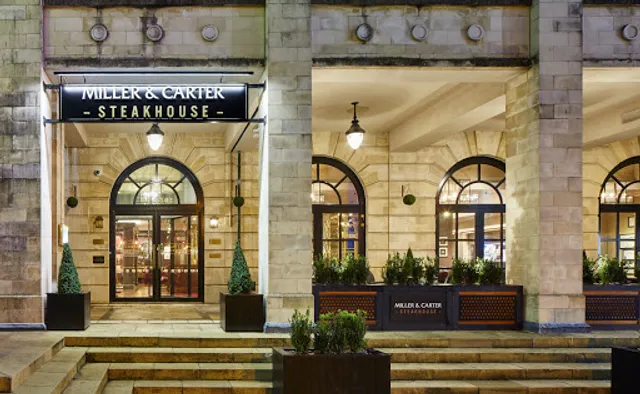
Miller & Carter Bristol City Centre
4.6
(1.1K)
$$
Open until 12:00 AM
Click for details
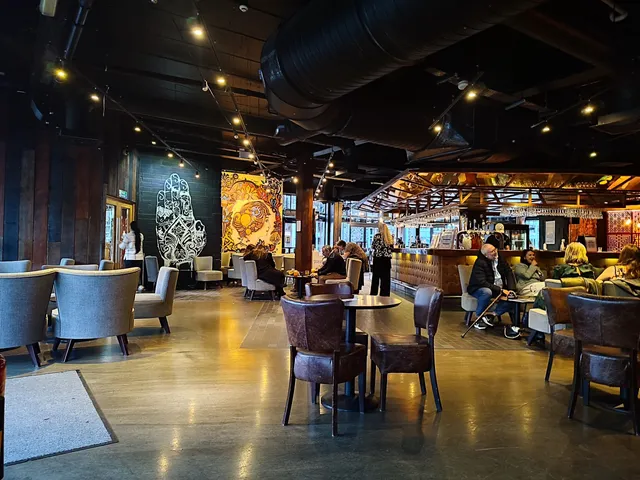
Za Za Bazaar
4.2
(4.4K)
Closed
Click for details
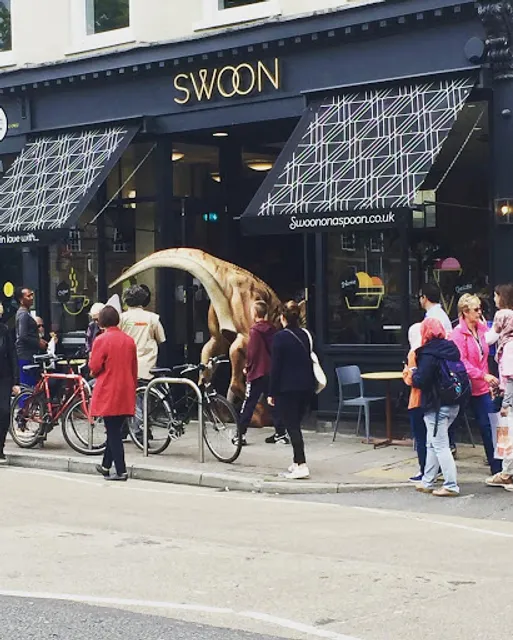
Swoon Gelato
4.6
(930)
$$
Closed
Click for details
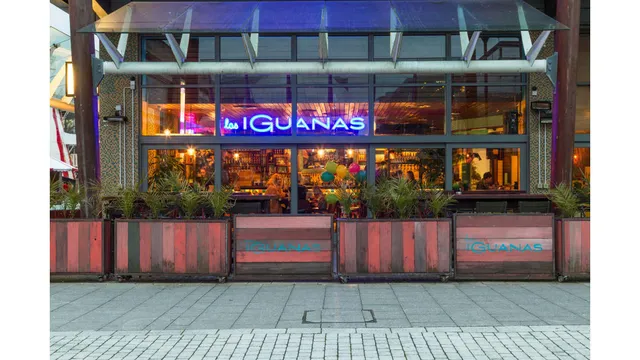
Las Iguanas - Bristol - Harbourside
4.3
(2K)
Closed
Click for details
Nearby local services of Bristol Cathedral
Dorothy's Diner Bristol
Guided Walking Tour - From Blackbeard to Banksy
College Green | Student Accommodation Bristol
O2 Academy Bristol
Bristol Float Centre
Locked In A Room Bristol
TONI&GUY Bristol
Grosvenor Casino
A&A Nails
PureGym Bristol Harbourside | New Kit Just Landed!

Dorothy's Diner Bristol
4.6
(14)
Click for details

Guided Walking Tour - From Blackbeard to Banksy
4.9
(176)
Click for details
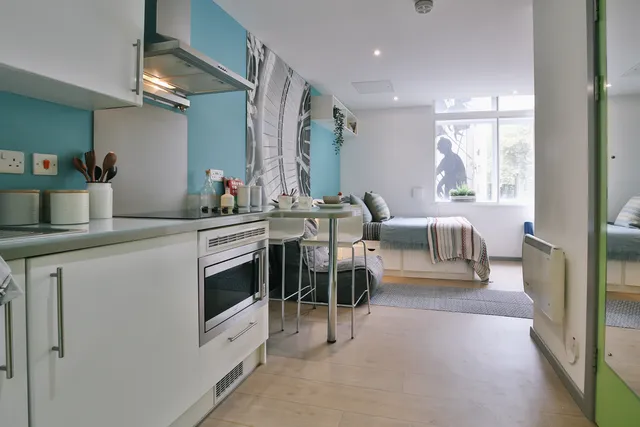
College Green | Student Accommodation Bristol
4.3
(504)
Click for details
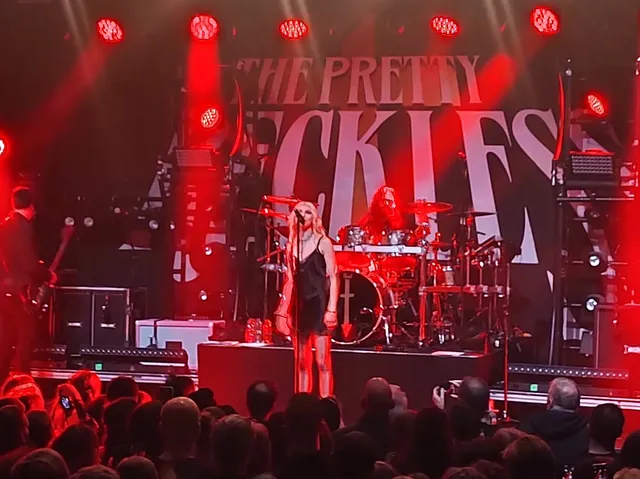
O2 Academy Bristol
4.2
(1.9K)
Click for details