The Corpus Clock things to do, attractions, restaurants, events info and trip planning
Basic Info
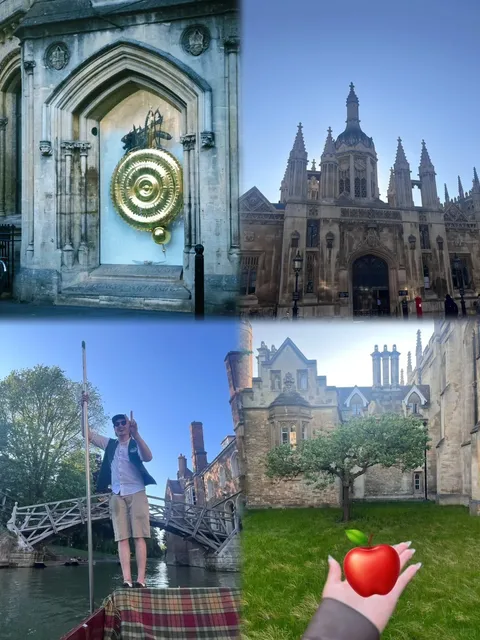
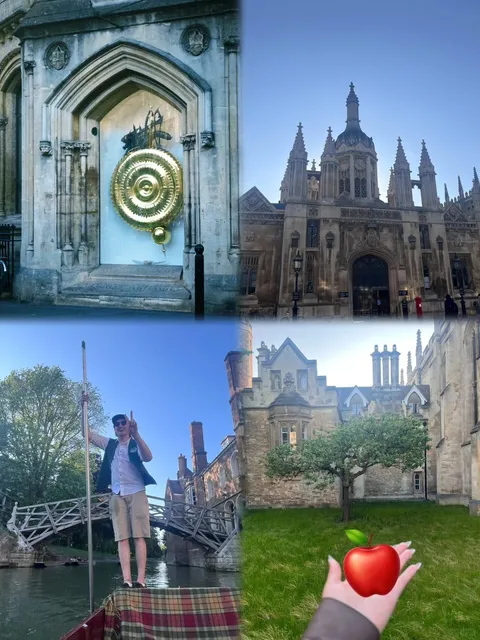
The Corpus Clock
58 Trumpington St, Cambridge CB2 1RH, United Kingdom
4.6(617)
Open until 12:00 AM
Save
spot
spot
Ratings & Description
Info
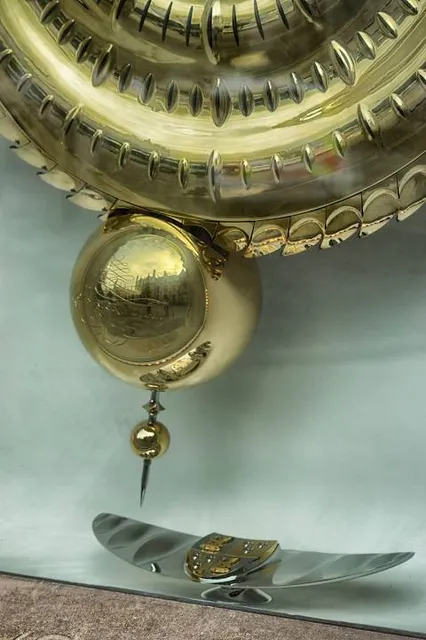
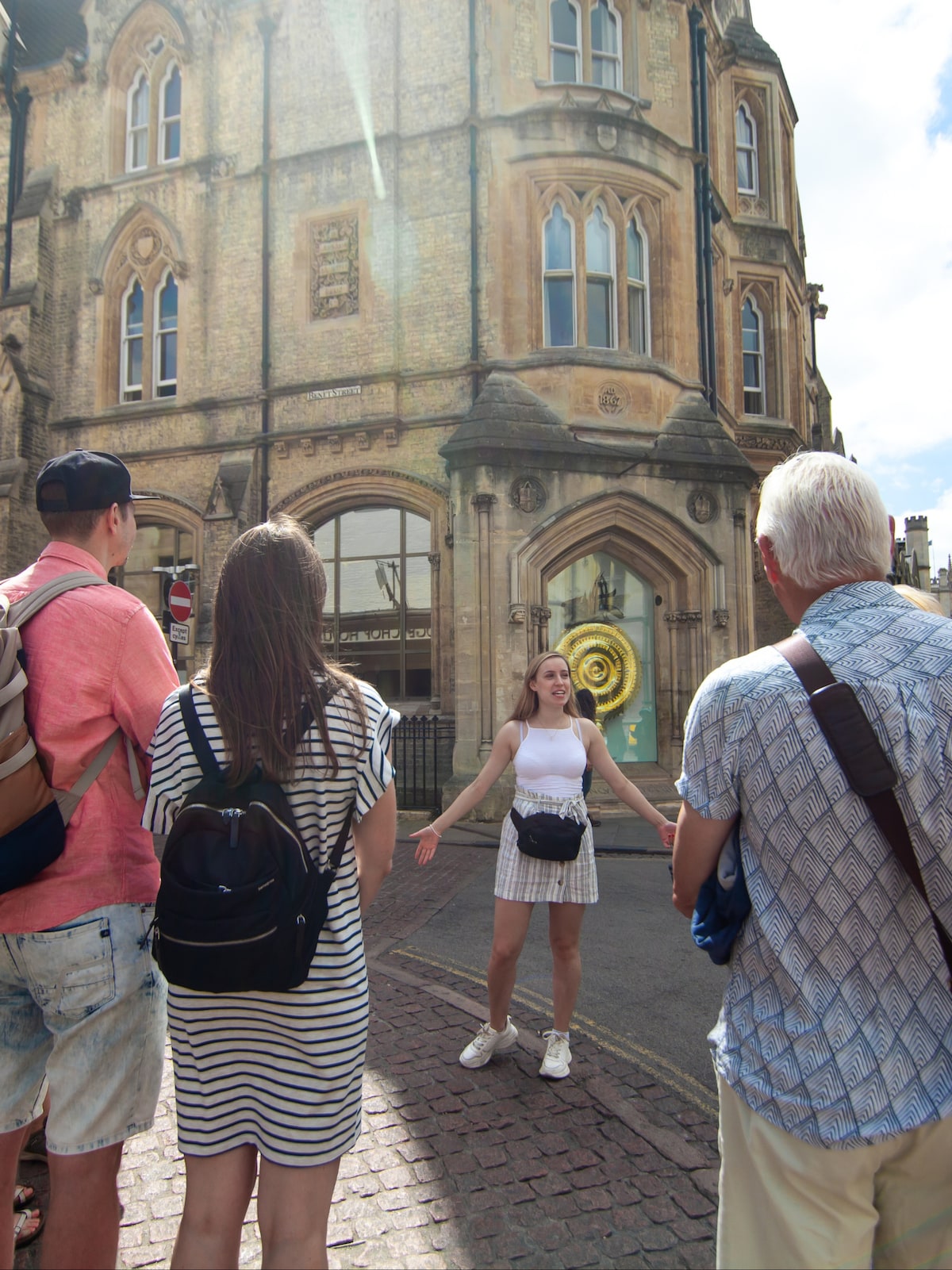
The Corpus Clock, also known as the Grasshopper clock, is a large sculptural clock at street level on the outside of the Taylor Library at Corpus Christi College, Cambridge University, in the United Kingdom, at the junction of Bene't Street and Trumpington Street, looking out over King's Parade.
Cultural
Scenic
Accessibility
attractions: King's College Chapel, Cambridge Corn Exchange, University Museum Of Zoology, Great St Mary's, The Arts Theatre Cambridge, St Bene’t’s Church, Cambridge Tourist Information Centre, Mathematical Bridge, Whipple Museum of the History of Science, Primavera, restaurants: Eagle, The Cambridge Chop House, Wingstop Cambridge, Jack's Gelato, Bread & Meat, Smokeworks, Bath House, Zizzi - Cambridge, Bene't Street, Pho Cambridge, Aromi Caffe and Pizzeria, local businesses: Hollister Co., King's College, Cambridge, Campkins Cameras, Fudge Kitchen - Cambridge, Mr Polito's Barber Shop, Spoonstruck Proper Ice Cream, Fone World, Grand Arcade, Indelibly Cambridge, St Catharine's College
 Learn more insights from Wanderboat AI.
Phone
+44 1223 338000
Open hoursSee all hours
TueOpen 24 hoursOpen
Plan your stay

Pet-friendly Hotels in Cambridge
Find a cozy hotel nearby and make it a full experience.

Affordable Hotels in Cambridge
Find a cozy hotel nearby and make it a full experience.

The Coolest Hotels You Haven't Heard Of (Yet)
Find a cozy hotel nearby and make it a full experience.

Trending Stays Worth the Hype in Cambridge
Find a cozy hotel nearby and make it a full experience.
Reviews
Live events
Explore Cambridge University and surrounds
Tue, Feb 24 • 11:00 AM
Cambridgeshire, CB2 1SJ, United Kingdom
View details
Candlelight: Tribute to Taylor Swift
Sat, Feb 28 • 6:30 PM
9A Bridge Street, Cambridge, CB2 1UB
View details
Candlelight: Ed Sheeran meets Coldplay
Fri, Feb 27 • 5:30 PM
Storey's Way, Cambridge, CB3 0DG
View details
Nearby attractions of The Corpus Clock
King's College Chapel
Cambridge Corn Exchange
University Museum Of Zoology
Great St Mary's
The Arts Theatre Cambridge
St Bene’t’s Church
Cambridge Tourist Information Centre
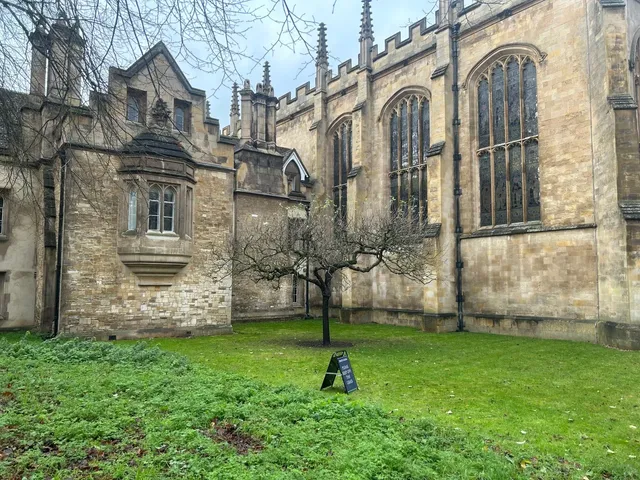
Mathematical Bridge
Whipple Museum of the History of Science
Primavera
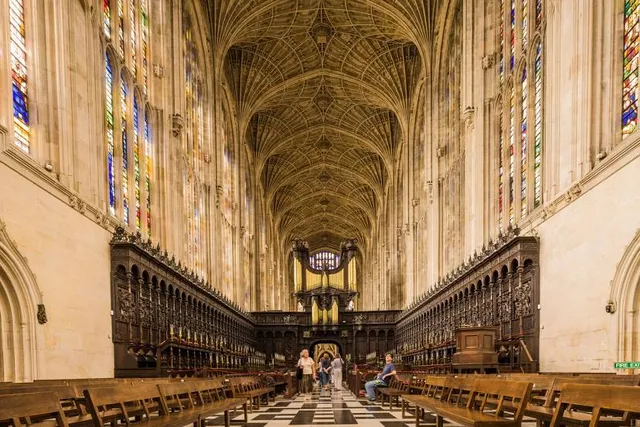
King's College Chapel
4.7
(1.0K)
Closed
Click for details

Cambridge Corn Exchange
4.4
(1.2K)
Closed
Click for details
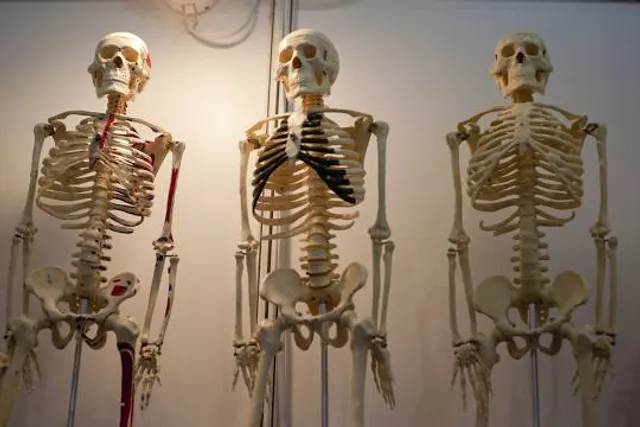
University Museum Of Zoology
4.7
(1.1K)
Open until 12:00 AM
Click for details
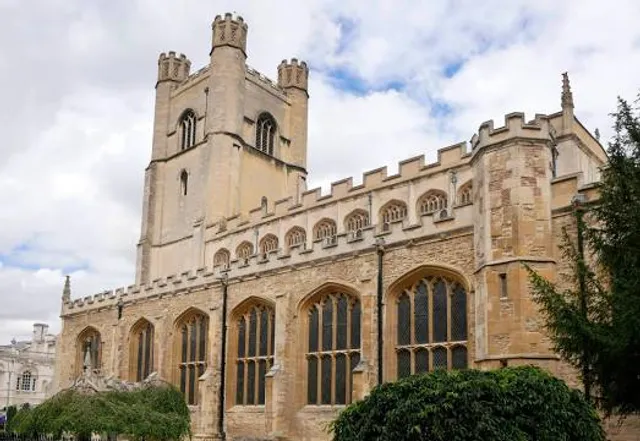
Great St Mary's
4.6
(768)
Closed
Click for details
Nearby restaurants of The Corpus Clock
Eagle
The Cambridge Chop House
Wingstop Cambridge
Jack's Gelato
Bread & Meat
Smokeworks
Bath House
Zizzi - Cambridge, Bene't Street
Pho Cambridge
Aromi Caffe and Pizzeria
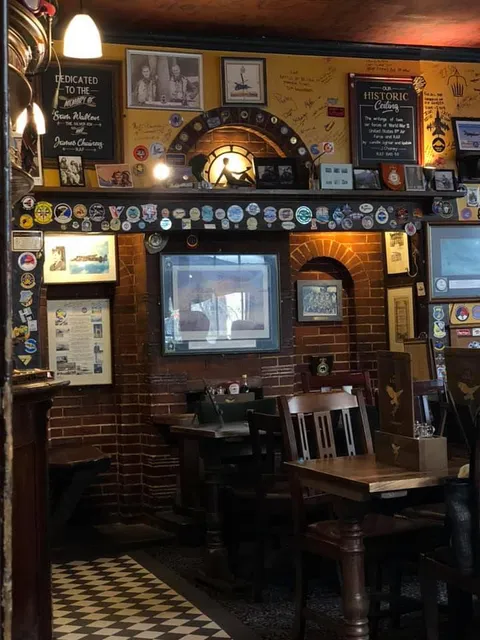
Eagle
4.4
(3.2K)
Closed
Click for details
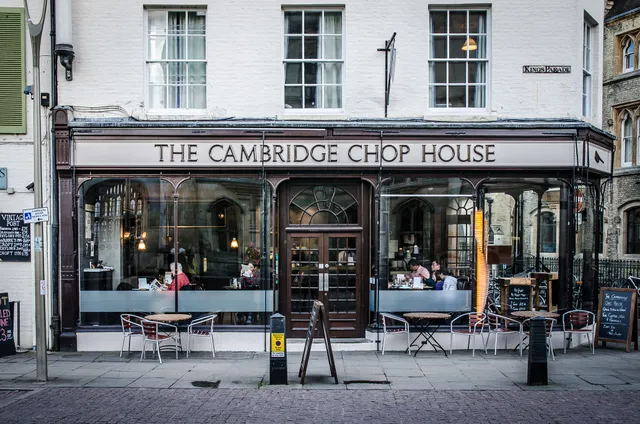
The Cambridge Chop House
4.4
(1.1K)
$$
Closed
Click for details

Wingstop Cambridge
4.4
(121)
Closed
Click for details
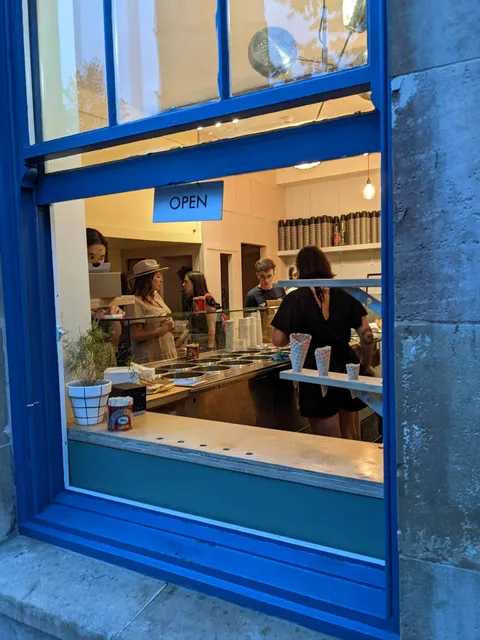
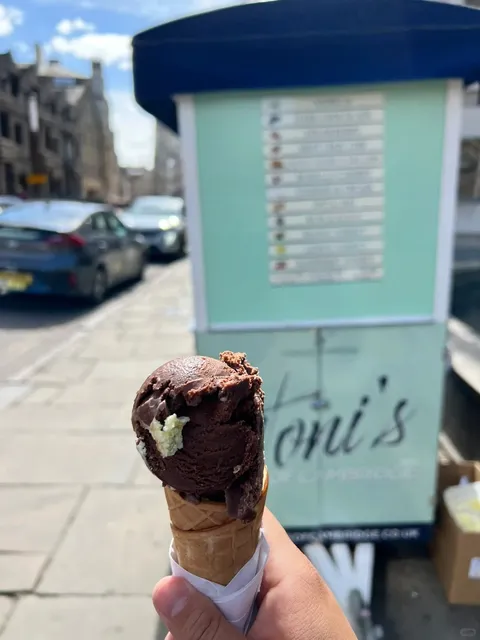
Jack's Gelato
4.7
(842)
$$
Closed
Click for details
Nearby local services of The Corpus Clock
Hollister Co.
King's College, Cambridge
Campkins Cameras
Fudge Kitchen - Cambridge
Mr Polito's Barber Shop
Spoonstruck Proper Ice Cream
Fone World
Grand Arcade
Indelibly Cambridge
St Catharine's College

Hollister Co.
4.3
(166)
Click for details
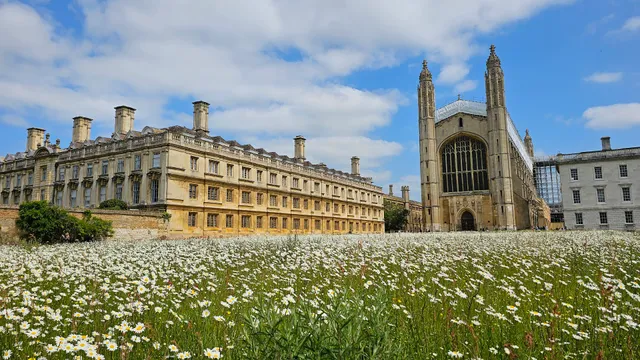
King's College, Cambridge
4.4
(352)
Click for details

Campkins Cameras
4.3
(258)
Click for details

Fudge Kitchen - Cambridge
4.8
(232)
Click for details