Mathematical Bridge things to do, attractions, restaurants, events info and trip planning
Basic Info
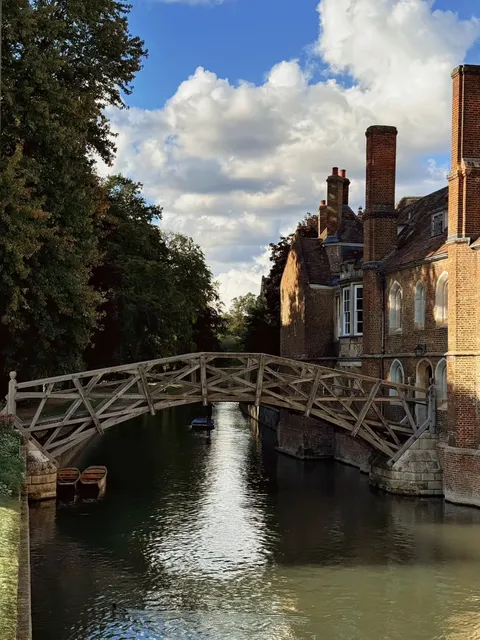
Mathematical Bridge
Queens' College, Silver St, Cambridge CB3 9ET, United Kingdom
4.5(631)
Closed
Save
spot
spot
Ratings & Description
Info
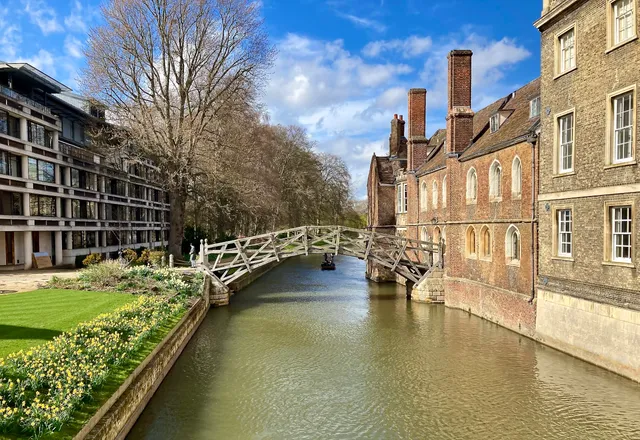
The Mathematical Bridge is a wooden footbridge in the southwest of central Cambridge, England. It bridges the River Cam about one hundred feet northwest of Silver Street Bridge and connects two parts of Queens' College. Its official name is simply the Wooden Bridge or Queens' Bridge. It is a Grade II listed building.
Cultural
Scenic
attractions: The Corpus Clock, The Fitzwilliam Museum, University Centre, King's College Chapel, The Backs, University of Cambridge, Granta Moorings, University Museum Of Zoology, Cambridge Corn Exchange, Darwin College, restaurants: Anchor Cambridge, Fitzbillies, The Mill, The Cambridge Chop House, Eagle, Cafe Aristo, Granta, Jack's Gelato, Bread & Meat, Garden House, local businesses: Queens' College, Hollister Co., Mr Polito's Barber Shop, S & G Cycles, King's College, Cambridge, St Catharine's College, Pembroke College, Corpus Christi College, King’s College Bridge, Campkins Cameras
 Learn more insights from Wanderboat AI.
Phone
+44 1223 335511
Website
queens.cam.ac.uk
Open hoursSee all hours
Tue10 AM - 4 PMClosed
Plan your stay

Pet-friendly Hotels in Cambridge
Find a cozy hotel nearby and make it a full experience.

Affordable Hotels in Cambridge
Find a cozy hotel nearby and make it a full experience.

The Coolest Hotels You Haven't Heard Of (Yet)
Find a cozy hotel nearby and make it a full experience.

Trending Stays Worth the Hype in Cambridge
Find a cozy hotel nearby and make it a full experience.
Reviews
Live events
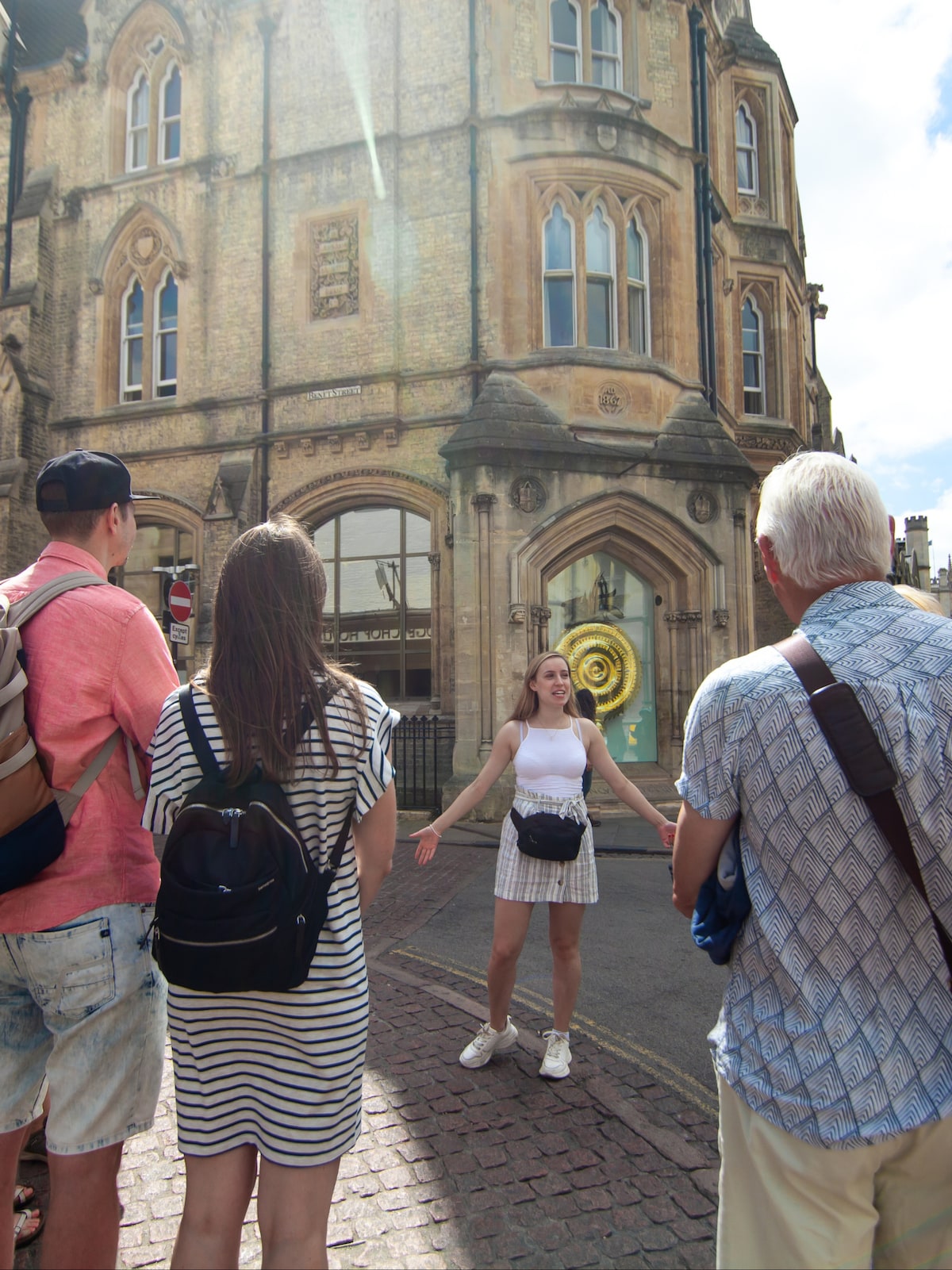
Explore Cambridge University and surrounds
Wed, Feb 11 • 11:00 AM
Cambridgeshire, CB2 1SJ, United Kingdom
View details

Candlelight: Valentine’s Day Special
Sat, Feb 14 • 6:30 PM
9A Bridge Street, Cambridge, CB2 1UB
View details
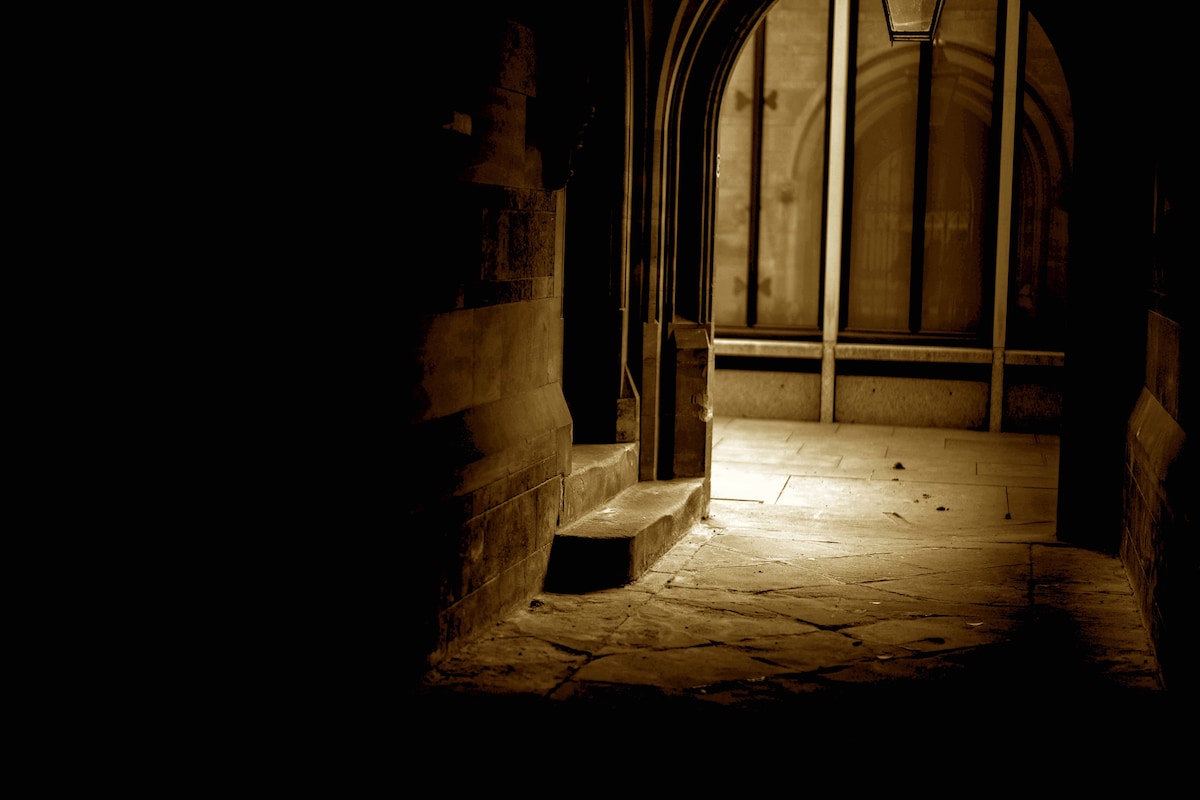
Relive Cambridge Universitys Ghost Stories
Wed, Feb 11 • 5:00 PM
Cambridgeshire, CB2, United Kingdom
View details
Nearby attractions of Mathematical Bridge
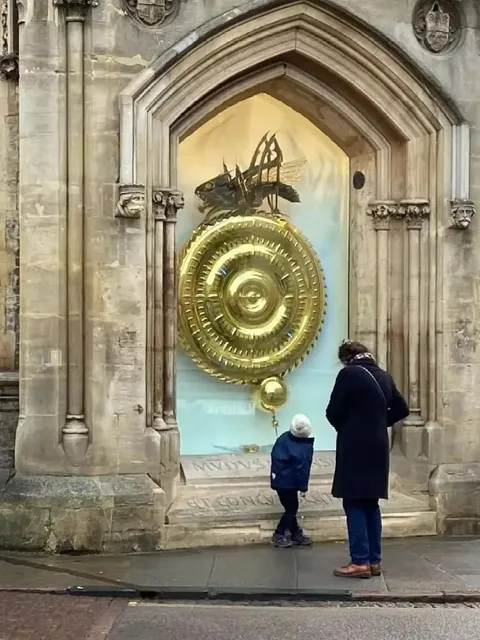
The Corpus Clock
The Fitzwilliam Museum
University Centre
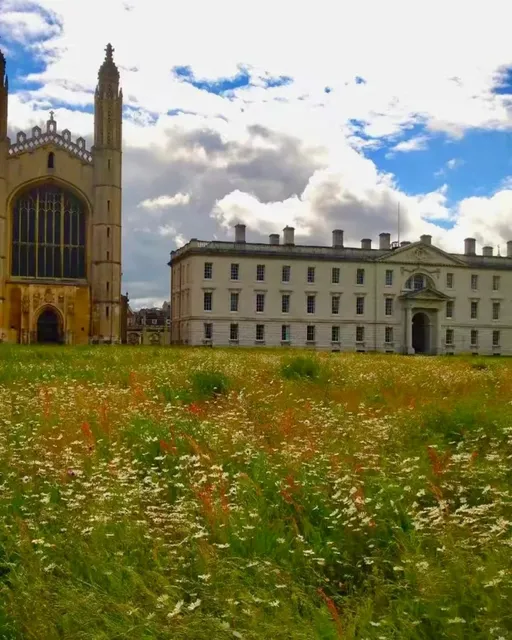
King's College Chapel
The Backs
University of Cambridge
Granta Moorings
University Museum Of Zoology
Cambridge Corn Exchange
Darwin College
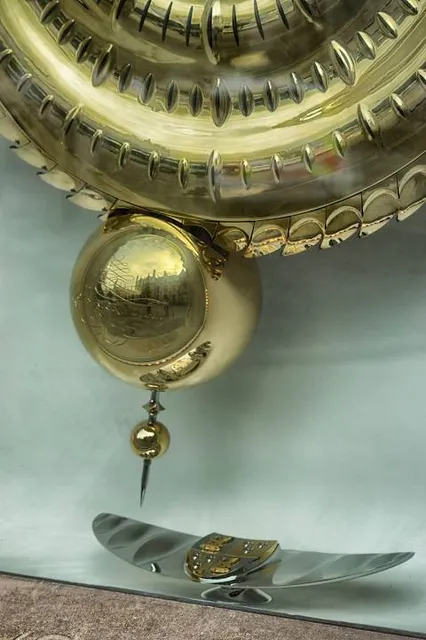
The Corpus Clock
4.6
(607)
Open until 12:00 AM
Click for details
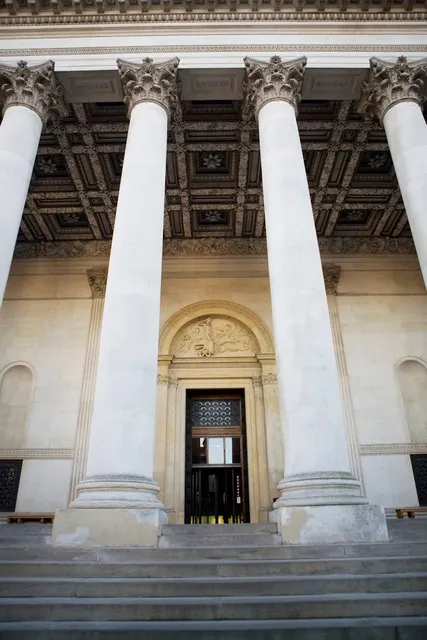
The Fitzwilliam Museum
4.7
(3.7K)
Open until 12:00 AM
Click for details
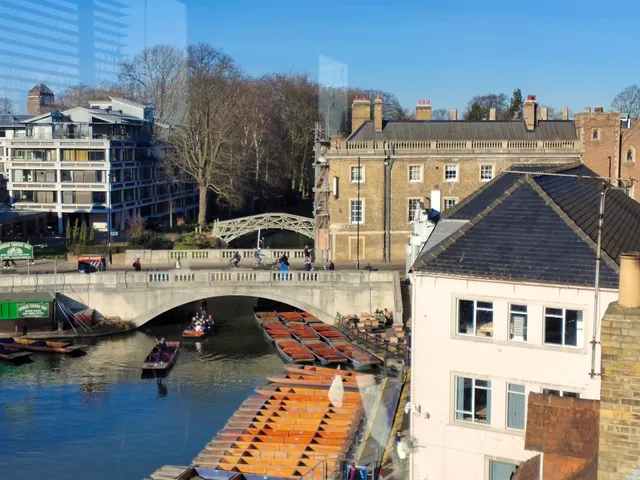
University Centre
4.3
(126)
Open until 9:00 PM
Click for details
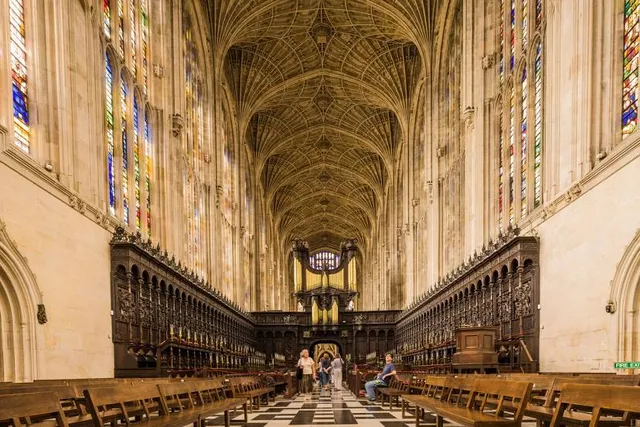
King's College Chapel
4.7
(1.0K)
Closed
Click for details
Nearby restaurants of Mathematical Bridge
Anchor Cambridge
Fitzbillies
The Mill
The Cambridge Chop House
Eagle
Cafe Aristo
Granta
Jack's Gelato
Bread & Meat
Garden House

Anchor Cambridge
4.1
(1.1K)
Open until 9:00 PM
Click for details
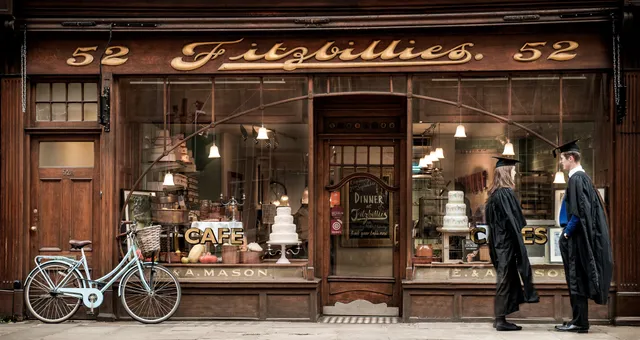
Fitzbillies
4.1
(1.3K)
Closed
Click for details
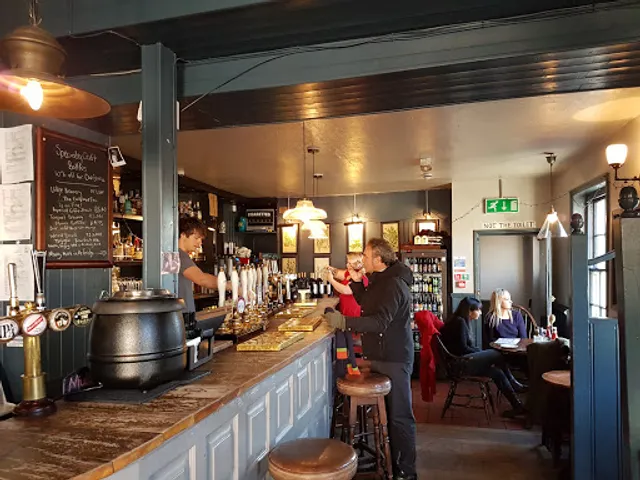
The Mill
4.3
(838)
Open until 11:00 PM
Click for details
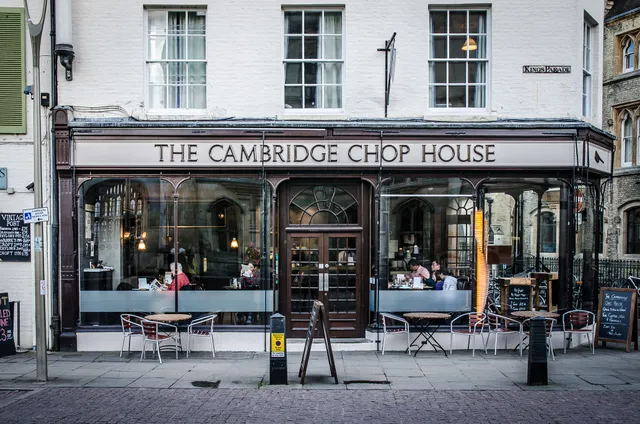
The Cambridge Chop House
4.4
(1.0K)
$$
Open until 8:45 PM
Click for details
Nearby local services of Mathematical Bridge
Queens' College
Hollister Co.
Mr Polito's Barber Shop
S & G Cycles
King's College, Cambridge
St Catharine's College
Pembroke College
Corpus Christi College
King’s College Bridge
Campkins Cameras
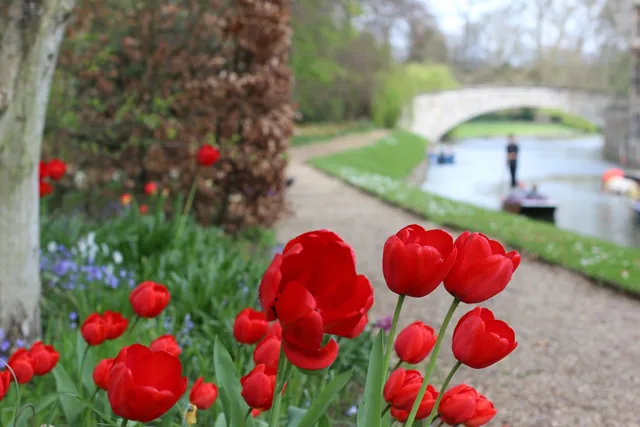
Queens' College
4.7
(89)
Click for details

Hollister Co.
4.3
(160)
Click for details

Mr Polito's Barber Shop
4.8
(349)
Click for details

S & G Cycles
3.5
(54)
Click for details