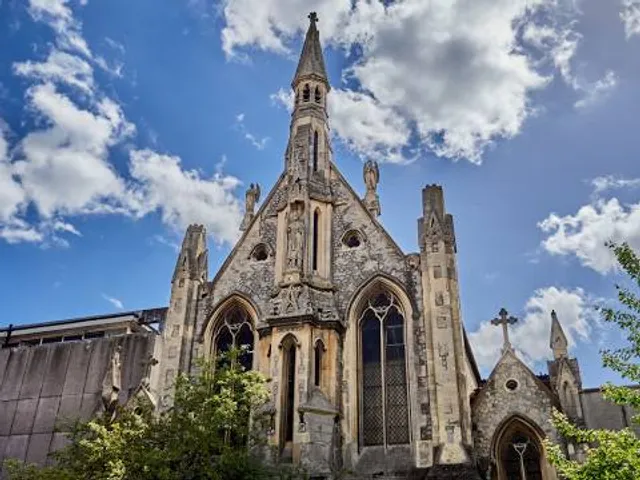
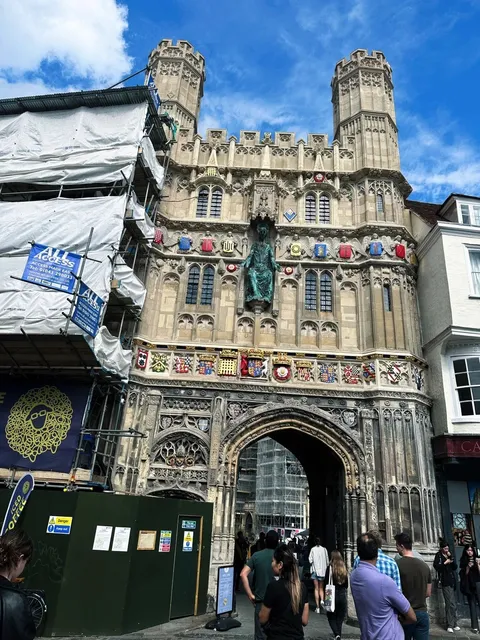
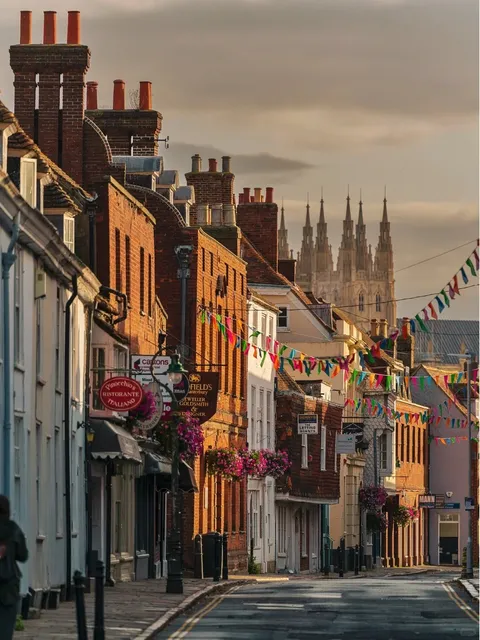
As someone who loves architecture, visiting Canterbury Cathedral was an incredible experience purely from a design and structural standpoint. The moment I approached the building, the cathedral’s imposing Gothic style stood out with its towering spires and intricate stonework. Even from a distance, the sheer scale and symmetry of the structure command your attention.
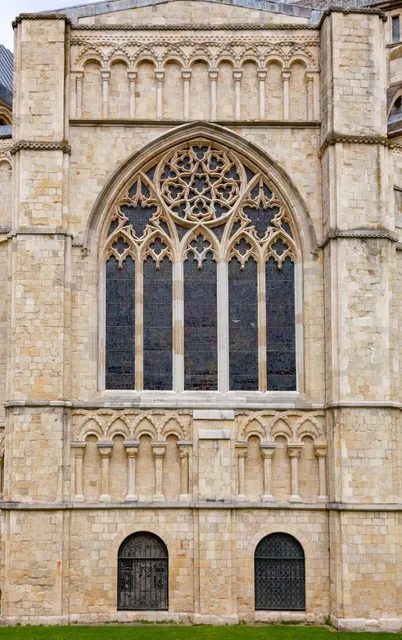
The Gothic architecture is one of the first things that struck me. The pointed arches, ribbed vaults, and flying buttresses are textbook examples of this style, and Canterbury Cathedral showcases them on a grand scale. The detailing on the exterior, especially around the windows and doors, is highly intricate, reflecting the skill of the medieval craftsmen who worked on the building for centuries. The façade alone is impressive, with every inch filled with stone carvings and ornate sculptures.
Stepping inside, I was immediately captivated by the vastness of the nave. The high vaulted ceilings and long rows of towering columns create a sense of openness and space, while also highlighting the structural ingenuity of the period. The ribbed vaulting, which supports the ceiling, is not only functional but also incredibly beautiful, drawing your eyes upward to the delicate stone patterns. The arches that line the interior space add to the sense of grandeur, providing a rhythm to the design as you walk through.
The stained glass windows are another architectural wonder. These large, colorful windows are designed to let in light in a way that transforms the space, filling it with vibrant colors during the day. The craftsmanship involved in creating these windows is astounding, considering many of them date back centuries. They act as both artistic and architectural elements, enhancing the overall beauty of the interior.
The quire area, with its intricate stonework and beautiful fan-vaulted ceilings, is one of the most detailed parts of the cathedral. The delicate carvings and intricate patterns on the ceiling showcase the craftsmanship that went into this space. Meanwhile, the crypt, which is one of the oldest parts of the cathedral, offers a more intimate architectural experience. The low stone ceilings and dim lighting give it a much more enclosed, almost ancient feel, which contrasts with the grandeur of the main hall above.
The cloisters outside are another architectural highlight. These covered walkways are designed with beautiful pointed arches that frame views of the courtyard, creating a serene and contemplative space. Walking through the cloisters, you get a real sense of how the architectural design was intended not just for beauty, but to enhance the experience of quiet reflection.
What I appreciated most about Canterbury Cathedral was how the architecture plays such a significant role in creating an atmosphere of both grandeur and tranquility. The Gothic style, with its emphasis on height and light, does a remarkable job of drawing the eye upwards and creating a feeling of awe. Yet, at the same time, the smaller, more intimate spaces like the crypt and cloisters offer moments of peace and reflection.
Even without considering the cathedral’s historical or religious significance, the architecture alone makes Canterbury Cathedral a must-visit for anyone who appreciates structural design and the...
Read moreWhat can I say that haven't been said about this wonderful place of worship? I'll give you some facts, hopefully this review will stand out 😊 Canterbury Cathedral, located in Canterbury, Kent, is a UNESCO World Heritage Site and one of the oldest and most significant Christian structures in England. It serves as the cathedral for the Archbishop of Canterbury, who is the spiritual head of the Church of England and the symbolic leader of the worldwide Anglican Communion. Here are some key facts about Canterbury Cathedral: The cathedral was founded in 597 AD by St. Augustine, who was sent to England by Pope Gregory the Great to convert the Anglo-Saxons to Christianity. The King's School, which is associated with the cathedral, also traces its origins to this time and claims to be the world's oldest school. One of the most pivotal events in the cathedral's history was the murder of Archbishop Thomas Becket in 1170. He was assassinated by four knights who believed they were acting on a hint from King Henry II. Becket's martyrdom turned the cathedral into a major pilgrimage site, attracting visitors from all over Europe, a journey famously immortalized in Geoffrey Chaucer's The Canterbury Tales. I was told this tale and it's even more gruesome, I can't write down the details. The cathedral has been rebuilt and expanded multiple times over the centuries. It showcases a magnificent blend of Romanesque and Gothic architecture. Following a fire in 1174, the east end of the cathedral was rebuilt in the Gothic style by architects William of Sens and William the Englishman, incorporating structural innovations like ribbed vaults and flying buttresses. The nave, with its soaring vaulted ceiling, was largely rebuilt in the late 14th century. The cathedral is home to a number of notable features, including: The oldest known depiction of Christ in England: A painting from the early 7th century. The cathedral has some of the finest medieval stained glass in the country, including the "Miracle Windows" that depict the miracles attributed to Thomas Becket. Romanesque crypt: One of the oldest parts of the existing building, it features magnificent rounded arches. The Bell Harry Tower: This impressive central tower, with its beautiful fan vaulting, was completed in 1498. The cathedral has withstood fires, civil wars, and bombings, including being a target during World War II. Its ability to survive these events highlights its enduring importance. As the "Mother Church" of the Anglican Communion, it remains a working church, a historic landmark, and a symbol of faith.
I bought tickets on the day and had to queue for 20 minutes or so. If you're able to make sure you get...
Read moreWe enjoyed our trip to Canterbury cathedral. we especially liked looking at the dates & the engravings in the limestone.The tradesmen who built Canterbury Cathedral would leave a distinctive mark in the limestone as a form of identification, similar to an invoice today. Since many of them couldn’t read or write, these marks served as proof of their work, ensuring they were paid for their craftsmanship.
Thomas Becket, the Archbishop of Canterbury, was killed on December 29, 1170, in Canterbury Cathedral by four knights loyal to King Henry II. His murder was the result of a long-standing conflict between Becket and the king over the rights and privileges of the Church.
Why Was Thomas Becket Killed?
Clash with King Henry II: Becket and Henry had been close friends, but after Becket became Archbishop in 1162, he prioritized the Church’s authority over the king’s power.
Clerical Rights Dispute: Becket opposed Henry’s efforts to reduce the power of the Church and bring clergy under royal legal authority instead of Church courts.
Exile and Return: Becket was exiled for six years but returned to England in 1170, continuing to challenge Henry’s authority.
The Fatal Misunderstanding: Frustrated with Becket, Henry is said to have exclaimed something like, “Will no one rid me of this turbulent priest?” Four knights took this as an order and assassinated Becket inside Canterbury Cathedral.
Was His Body Removed and Thrown Into a River?
No, Becket’s body was not thrown into a river. Initially, his remains were buried in Canterbury Cathedral. However, in 1220, his body was moved to a grand shrine in the cathedral, which became a major pilgrimage site.
In 1538, during King Henry VIII’s dissolution of the monasteries, Becket's shrine was destroyed, and his remains were likely scattered or destroyed by royal order. There is a legend that his bones were thrown into the River Stour, but there is no solid historical evidence to...
Read more