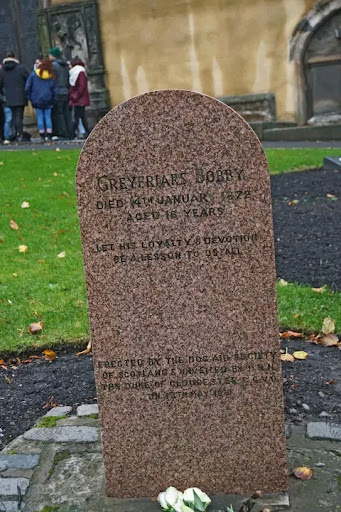
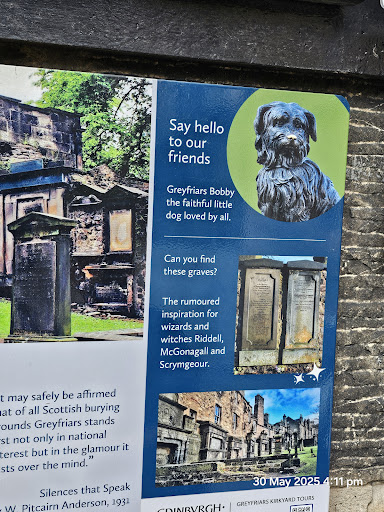
Greyfriars Bobby's grave things to do, attractions, restaurants, events info and trip planning
Basic Info
Greyfriars Bobby's grave
Edinburgh EH1 2QQ, United Kingdom
4.7(1.2K)
Open until 12:00 AM
Save
spot
spot
Ratings & Description
Info
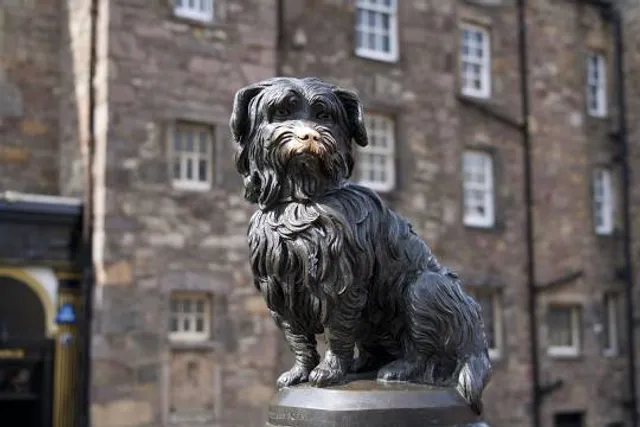
The Greyfriars Bobby Fountain is a granite fountain in Edinburgh, surmounted by a bronze life-size statue of Greyfriars Bobby, a Skye Terrier who became known in 19th-century Edinburgh for supposedly spending 14 years guarding the grave of his owner John Gray until the dog itself died on 14 January 1872.
Cultural
Scenic
Family friendly
Pet friendly
Accessibility
attractions: National Museum of Scotland, City Of The Dead Tours, Greyfriars Kirkyard Cemetery Edinburgh, St Giles' Cathedral, Thomas Riddell's Grave, The Real Mary King's Close, Camera Obscura & World of Illusions, Greyfriars Kirk, Royal Mile, Festival Theatre, restaurants: Greyfriars Bobby's Bar, Frankenstein, Vittoria on the Bridge, The Elephant House, Nando's Edinburgh - Chambers Street, MUMS Great Comfort Food, The Outsider Restaurant, The Three Sisters, George IV Bar, Cafe Andaluz Old Town, local businesses: Greyfriars Kirkyard, Alandas Gelato, Celtic Jewellery Edinburgh, Transreal Fiction, Half-Cut Barbershop, Artisan Gelato, Outline Hair, BAD BOY BARBERS, No.1 Apartments - George IV Bridge - Edinburgh, Armstrongs Vintage
 Learn more insights from Wanderboat AI.
Website
en.wikipedia.org
Open hoursSee all hours
SatOpen 24 hoursOpen
Plan your stay

Pet-friendly Hotels in City of Edinburgh
Find a cozy hotel nearby and make it a full experience.

Affordable Hotels in City of Edinburgh
Find a cozy hotel nearby and make it a full experience.

The Coolest Hotels You Haven't Heard Of (Yet)
Find a cozy hotel nearby and make it a full experience.

Trending Stays Worth the Hype in City of Edinburgh
Find a cozy hotel nearby and make it a full experience.
Reviews
Live events
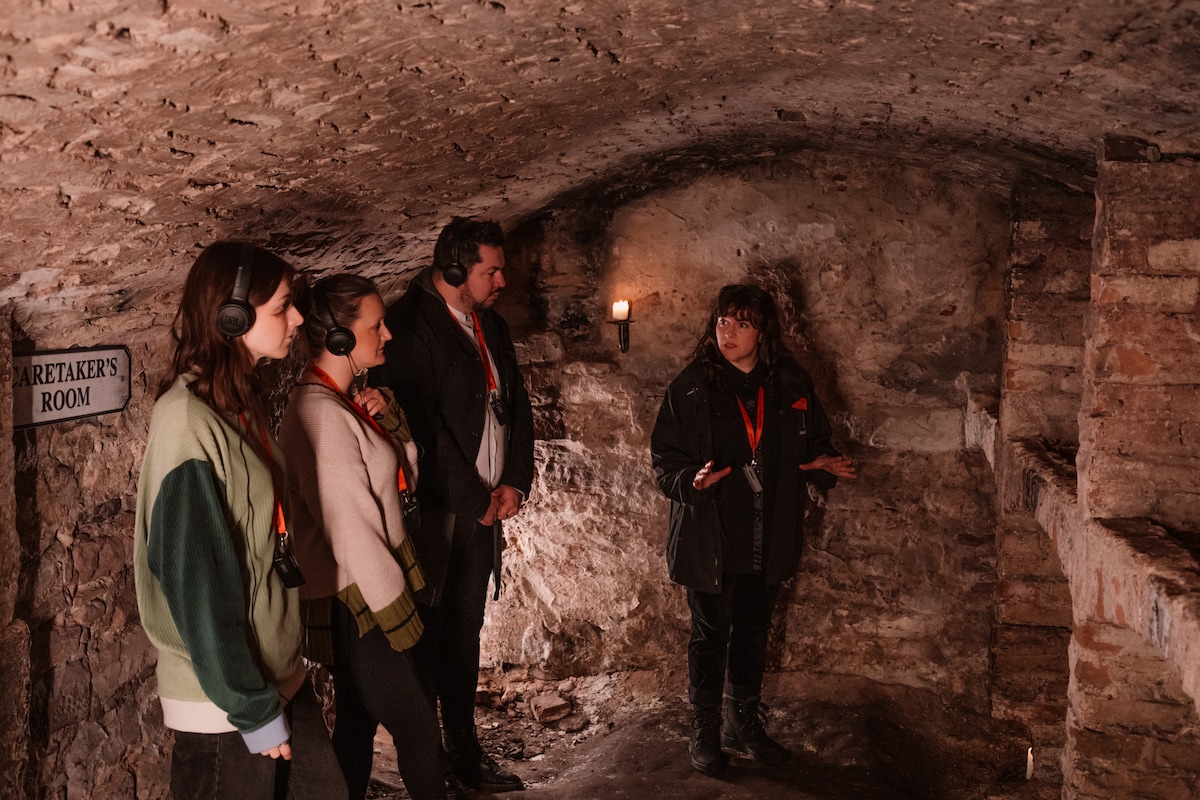
Descend & discover Edinburghs underground vaults
Sat, Jan 31 • 3:00 PM
Edinburgh, EH1, United Kingdom
View details

Whisky Tasting & Storytelling
Sat, Jan 31 • 5:15 PM
Edinburgh, EH1 1DR, United Kingdom
View details
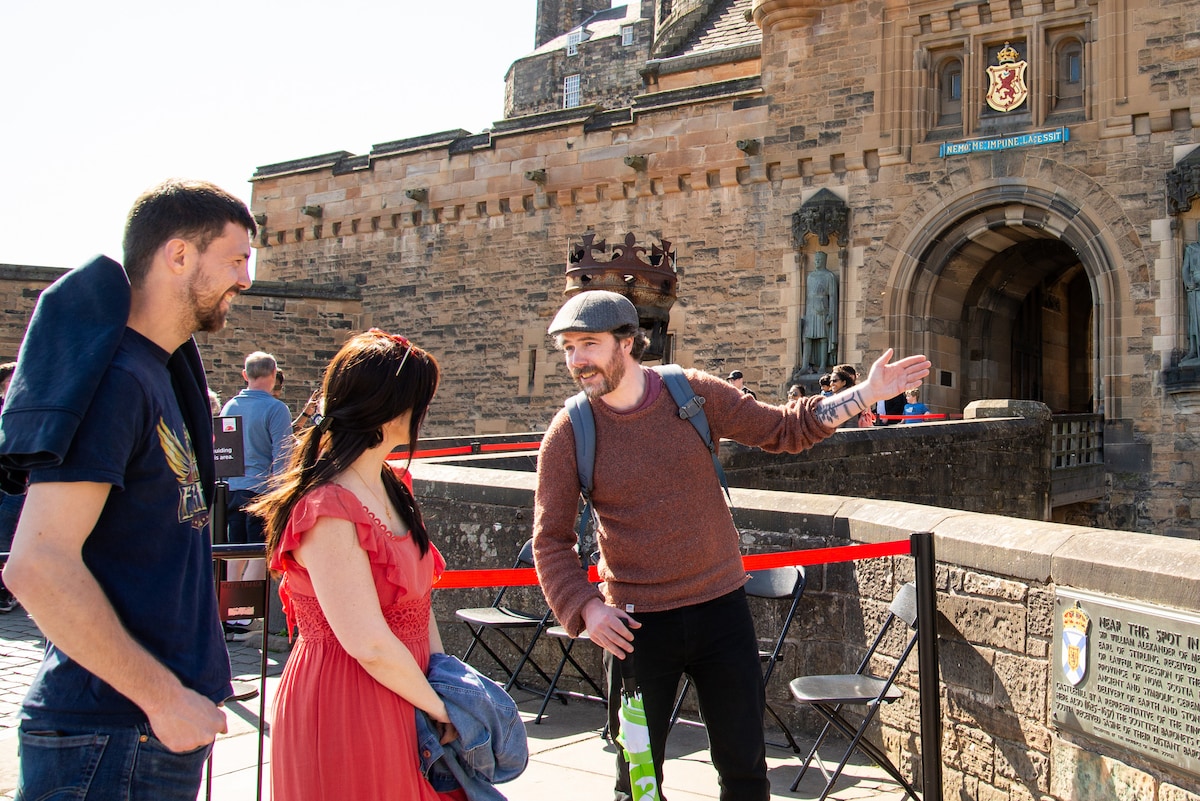
Explore the castle with your guide
Sat, Jan 31 • 1:30 PM
Edinburgh, EH1 1RF, United Kingdom
View details
Nearby attractions of Greyfriars Bobby's grave
National Museum of Scotland
City Of The Dead Tours
Greyfriars Kirkyard Cemetery Edinburgh
St Giles' Cathedral
Thomas Riddell's Grave
The Real Mary King's Close
Camera Obscura & World of Illusions
Greyfriars Kirk
Royal Mile
Festival Theatre
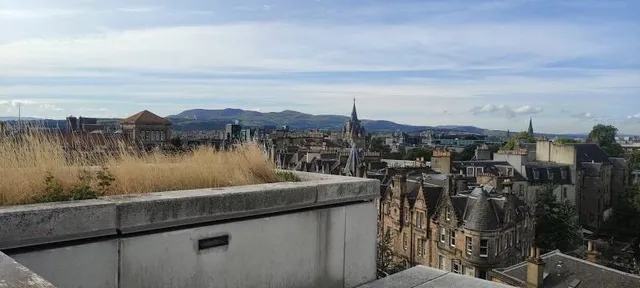
National Museum of Scotland
4.8
(20K)
Closed
Click for details

City Of The Dead Tours
4.7
(690)
Closed
Click for details
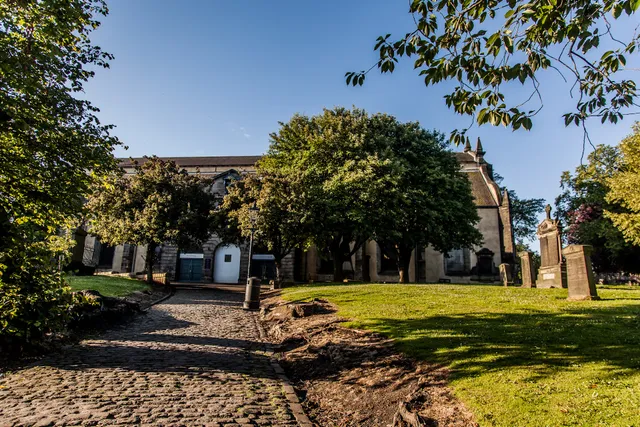
Greyfriars Kirkyard Cemetery Edinburgh
4.7
(948)
Open until 12:00 AM
Click for details
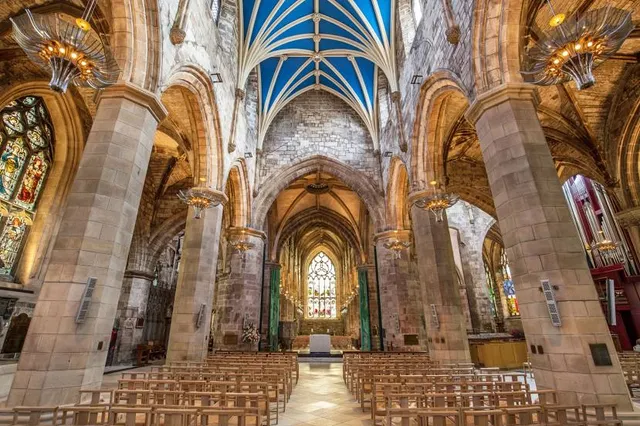
St Giles' Cathedral
4.6
(5.2K)
Closed
Click for details
Nearby restaurants of Greyfriars Bobby's grave
Greyfriars Bobby's Bar
Frankenstein
Vittoria on the Bridge
The Elephant House
Nando's Edinburgh - Chambers Street
MUMS Great Comfort Food
The Outsider Restaurant
The Three Sisters
George IV Bar
Cafe Andaluz Old Town
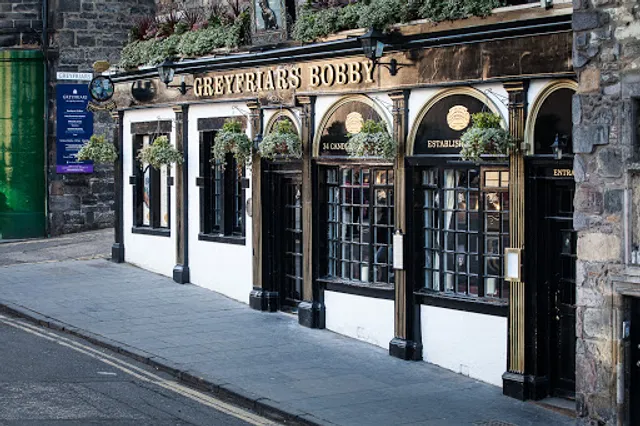
Greyfriars Bobby's Bar
4.4
(2.4K)
Closed
Click for details
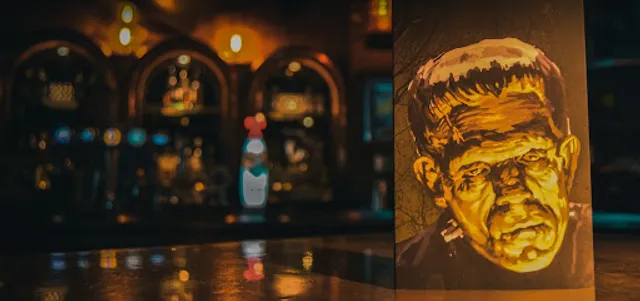
Frankenstein
4.2
(2.4K)
Closed
Click for details
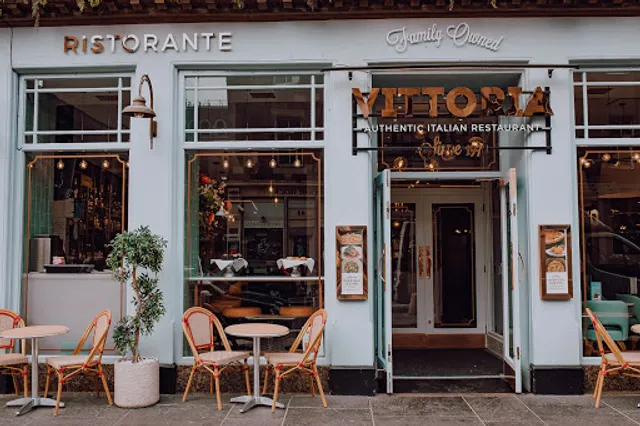
Vittoria on the Bridge
4.5
(2.4K)
Closed
Click for details
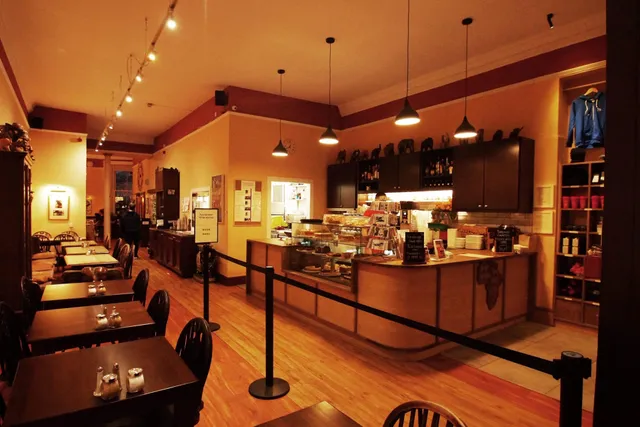
The Elephant House
3.9
(1.8K)
Closed
Click for details
Nearby local services of Greyfriars Bobby's grave
Greyfriars Kirkyard
Alandas Gelato
Celtic Jewellery Edinburgh
Transreal Fiction
Half-Cut Barbershop
Artisan Gelato
Outline Hair
BAD BOY BARBERS
No.1 Apartments - George IV Bridge - Edinburgh
Armstrongs Vintage
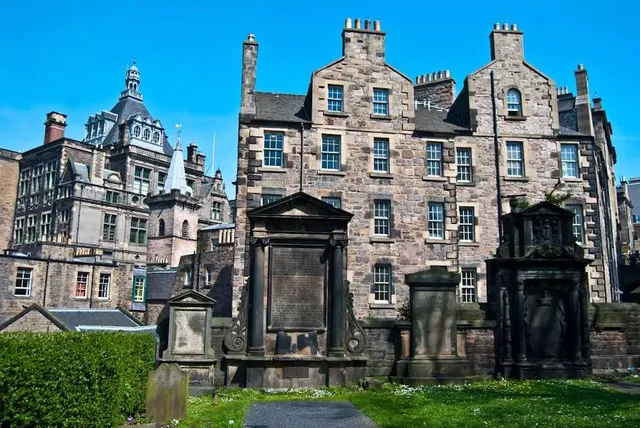
Greyfriars Kirkyard
4.6
(733)
Click for details

Alandas Gelato
3.9
(461)
Click for details

Celtic Jewellery Edinburgh
4.8
(85)
Click for details

Transreal Fiction
4.7
(91)
Click for details