Surgeons' Hall Museums things to do, attractions, restaurants, events info and trip planning
Basic Info
Surgeons' Hall Museums
Surgeons Hall Museums, Nicolson St, Edinburgh EH8 9DW, United Kingdom
4.7(1.9K)
Open until 5:00 PM

tickets
Save
spot
spot
Ratings & Description
Info
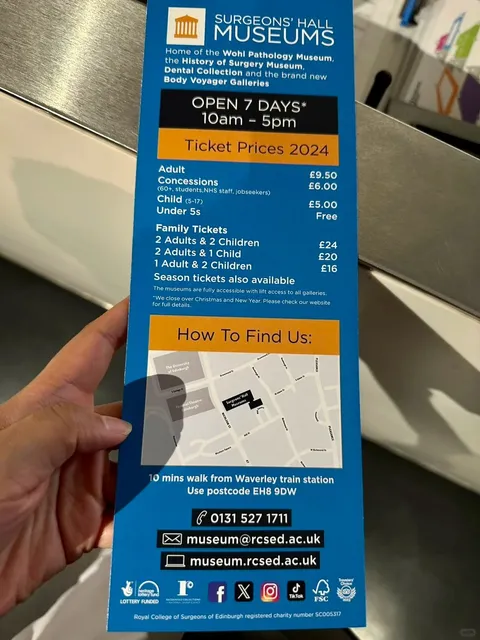
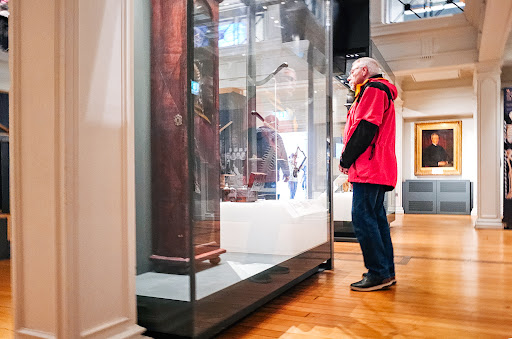
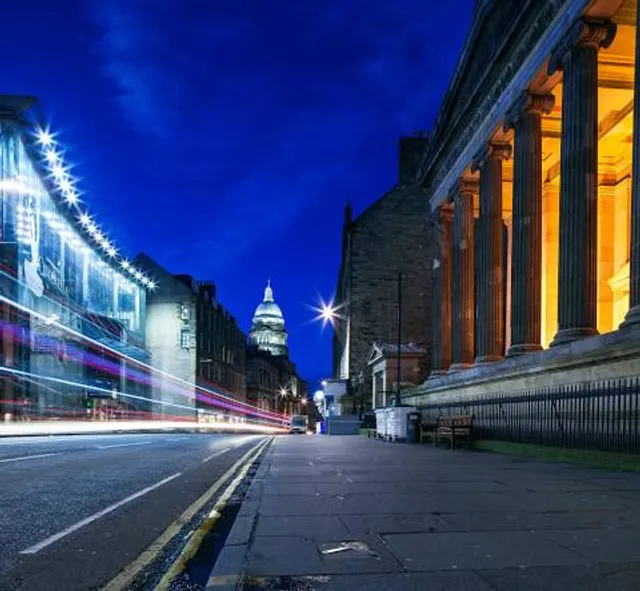
Surgeons' Hall in Edinburgh, Scotland, is the headquarters of the Royal College of Surgeons of Edinburgh. It houses the Surgeons' Hall Museum, and the library and archive of the RCSEd. The present Surgeons' Hall was designed by William Henry Playfair and completed in 1832, and is a category A listed building.
Cultural
Accessibility
attractions: Festival Theatre, National Museum of Scotland, Edinburgh Central Mosque, Assembly Roxy, Escape The Past Edinburgh, Dovecot Studios, The Caves, Royal Mile, Talbot Rice Gallery, Old College, The University of Edinburgh, restaurants: Pizza Posto, City Restaurant Fish & Chips, Black Medicine Coffee Co, Solti, Tuk Tuk Indian Street Food Southside, Brass Monkey Drummond Street, The Mosque Kitchen, Origin Coffee (South College Street), Ciao Roma, Mother India's Cafe Edinburgh, local businesses: Sanatorium Tattoo Studio | Tattoo, Piercing, Laser Removal, Walk-IN | Edinburgh, Forever Vintage Nicolson St., Forbidden Planet International, Netversal Communications, Maqbools Halal Supermarket, Lighthouse - Edinburgh's Radical Bookshop, Richer Sounds, Edinburgh, Old Town Barbers, Scoopz Desserts & Candies, Talbot Rice Gallery
 Learn more insights from Wanderboat AI.
Phone
+44 131 527 1711
Website
museum.rcsed.ac.uk
Open hoursSee all hours
Tue10 a.m. - 5 p.m.Open
Plan your stay

Pet-friendly Hotels in City of Edinburgh
Find a cozy hotel nearby and make it a full experience.

Affordable Hotels in City of Edinburgh
Find a cozy hotel nearby and make it a full experience.

The Coolest Hotels You Haven't Heard Of (Yet)
Find a cozy hotel nearby and make it a full experience.

Trending Stays Worth the Hype in City of Edinburgh
Find a cozy hotel nearby and make it a full experience.
Reviews
Live events
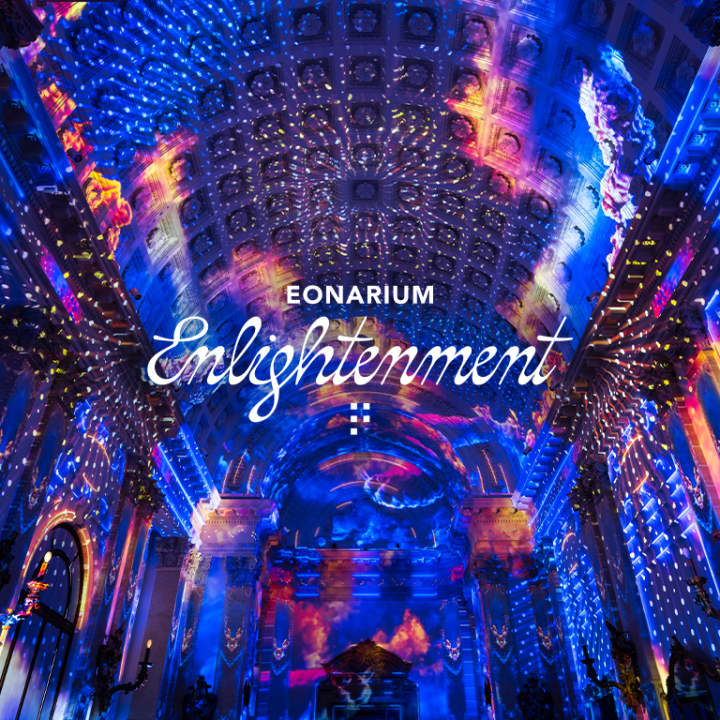
Enlightenment: An Immersive Light Show in Edinburgh
Wed, Feb 25 • 5:45 PM
McEwan Hall, Teviot Pl, Edinburgh, EH8 9AG
View details

The Jazz Room: A Journey to the Heart of New Orleans
Thu, Feb 26 • 6:30 PM
2 Roxburgh Place, Edinburgh, EH8 9SU
View details
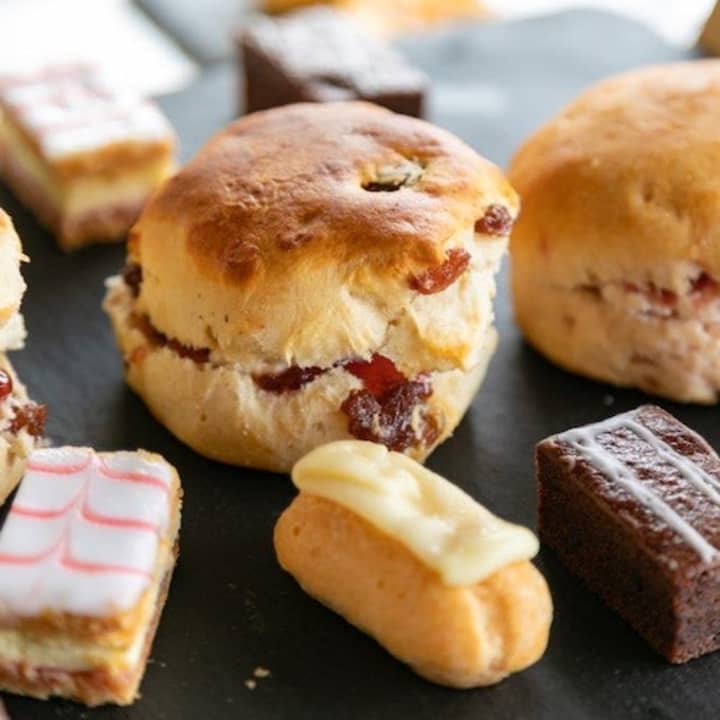
Edinburgh Afternoon Tea or Gin Afternoon Tea Experience
Wed, Feb 25 • 12:00 PM
6 Saint Andrew Square, Edinburgh, EH2 2BD
View details
Nearby attractions of Surgeons' Hall Museums
Festival Theatre
National Museum of Scotland
Edinburgh Central Mosque
Assembly Roxy
Escape The Past Edinburgh
Dovecot Studios
The Caves
Royal Mile
Talbot Rice Gallery
Old College, The University of Edinburgh
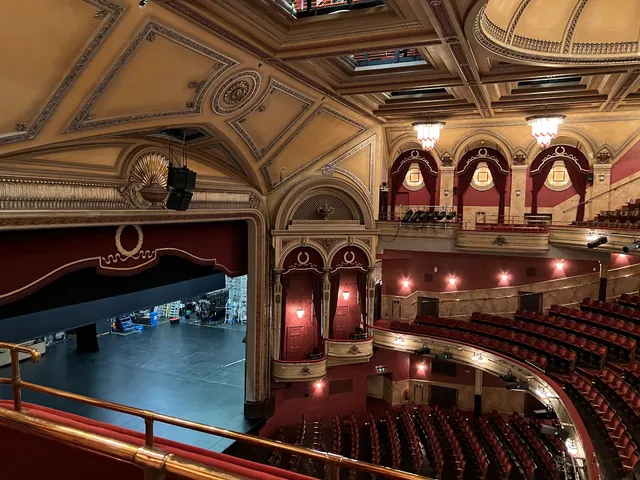
Festival Theatre
4.7
(1.9K)
Open 24 hours
Click for details

National Museum of Scotland
4.8
(20.3K)
Open until 5:00 PM
Click for details
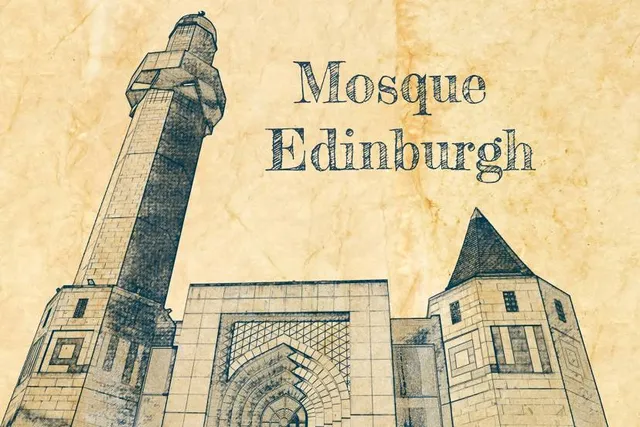
Edinburgh Central Mosque
4.9
(1.1K)
Open until 11:00 PM
Click for details
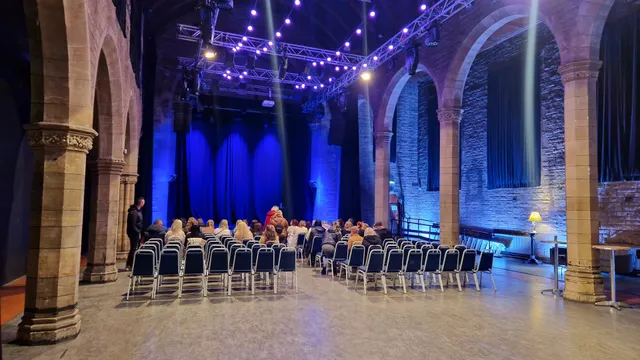
Assembly Roxy
4.4
(318)
Open 24 hours
Click for details
Nearby restaurants of Surgeons' Hall Museums
Pizza Posto
City Restaurant Fish & Chips
Black Medicine Coffee Co
Solti
Tuk Tuk Indian Street Food Southside
Brass Monkey Drummond Street
The Mosque Kitchen
Origin Coffee (South College Street)
Ciao Roma
Mother India's Cafe Edinburgh
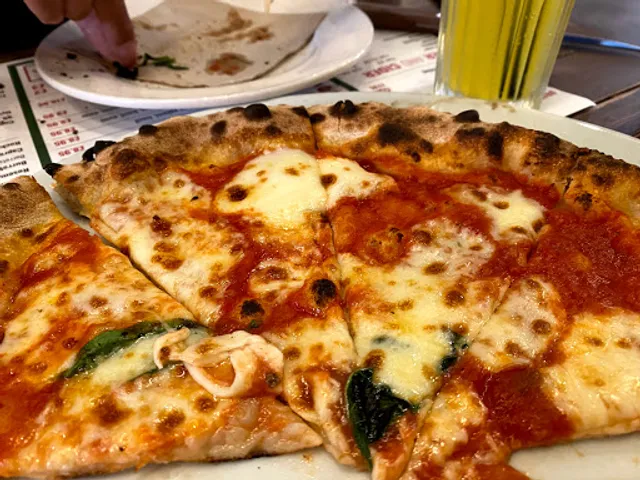
Pizza Posto
4.6
(1.4K)
$
Open until 10:00 PM
Click for details
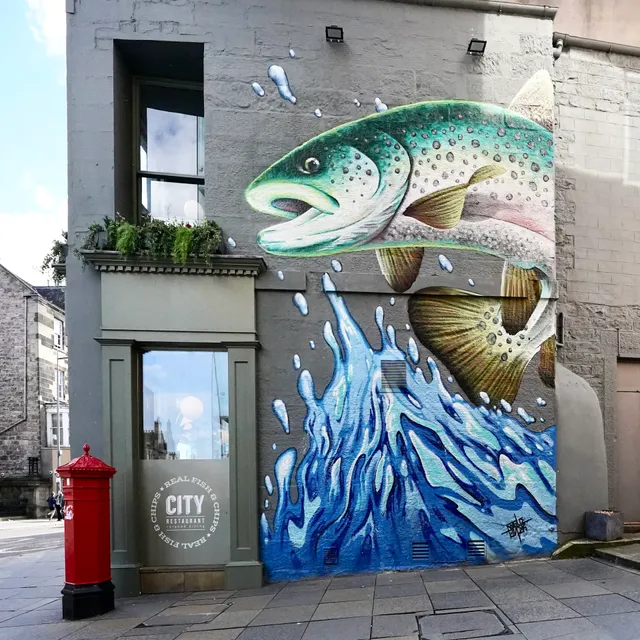
City Restaurant Fish & Chips
4.5
(1.2K)
$
Open until 10:00 PM
Click for details
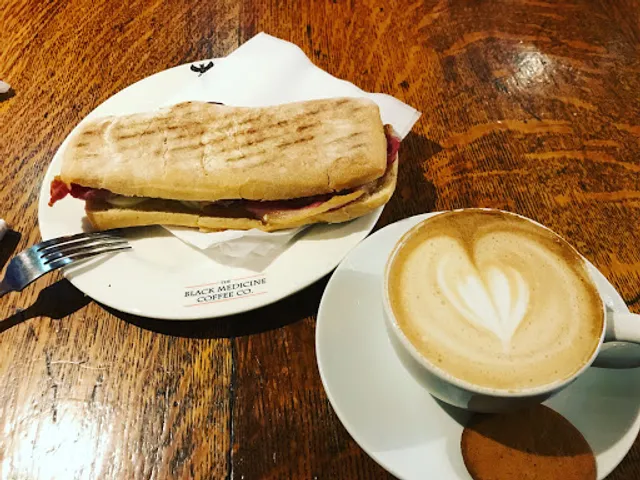
Black Medicine Coffee Co
4.5
(1.0K)
$
Open until 7:00 PM
Click for details

Solti
4.8
(792)
$$
Open until 10:00 PM
Click for details
Nearby local services of Surgeons' Hall Museums
Sanatorium Tattoo Studio | Tattoo, Piercing, Laser Removal, Walk-IN | Edinburgh
Forever Vintage Nicolson St.
Forbidden Planet International
Netversal Communications
Maqbools Halal Supermarket
Lighthouse - Edinburgh's Radical Bookshop
Richer Sounds, Edinburgh
Old Town Barbers
Scoopz Desserts & Candies
Talbot Rice Gallery

Sanatorium Tattoo Studio | Tattoo, Piercing, Laser Removal, Walk-IN | Edinburgh
4.9
(447)
Click for details
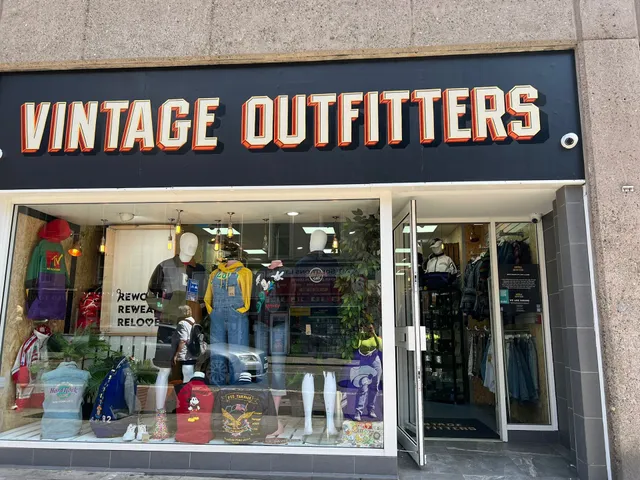
Forever Vintage Nicolson St.
4.9
(354)
Click for details

Forbidden Planet International
4.3
(777)
Click for details

Netversal Communications
4.6
(496)
Click for details