Plas Mawr things to do, attractions, restaurants, events info and trip planning
Basic Info
Plas Mawr
High St, Conwy LL32 8DE, United Kingdom
4.8(337)
Closed

tickets
Save
spot
spot
Ratings & Description
Info
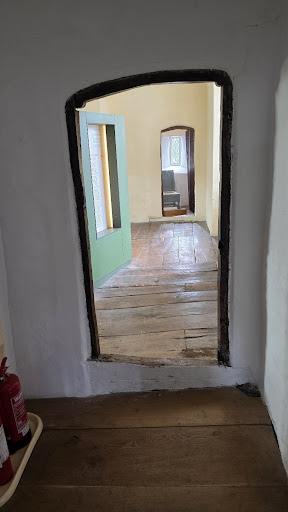
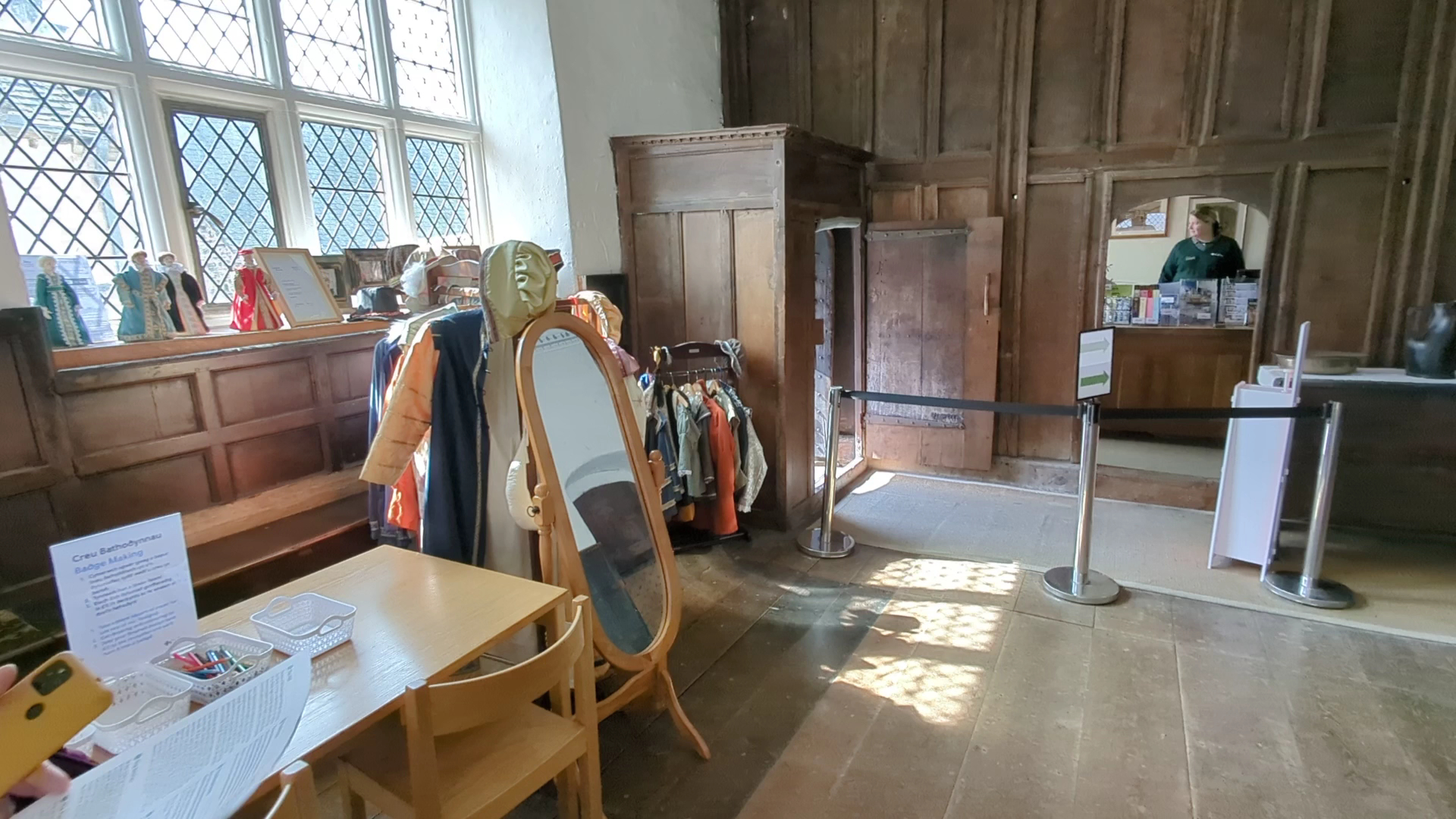
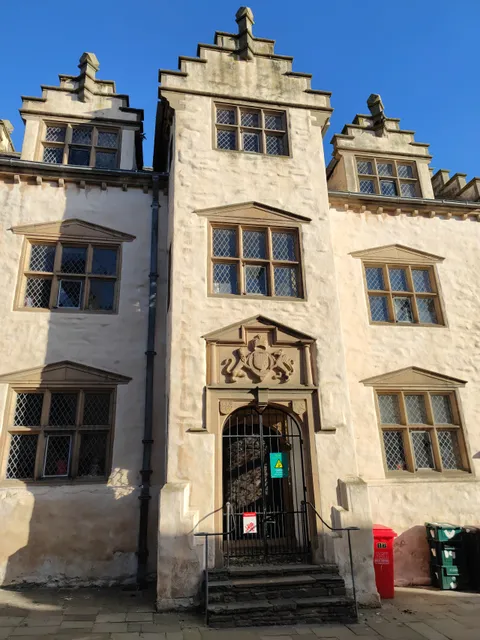
Plas Mawr is an Elizabethan townhouse in Conwy, North Wales, dating from the 16th century. The property was built by Robert Wynn, a member of the local gentry, following his marriage to his first wife, Dorothy Griffith.
Cultural
Scenic
Family friendly
Accessibility
attractions: The Smallest House In Great Britain, Conwy Castle, The Royal Cambrian Academy of Art, St Mary’s Church Conwy, National Trust - Aberconwy House, Conwy Town Walls, Bodlondeb Park, Conwy Tourist Information Centre, Conwy Walking Tours, Conwy Quay, restaurants: Alfredo's Restaurant, Dylan's Conwy, L's Coffee & Bookshop, The Ye Olde Mail Coach, Bank Of Conwy, Vinomondo, Conwy Pantry By Love To Eat, Spice Safari Restaurant & Takeaway, The Archway, Pen-y-Bryn Tearooms with Rooms, local businesses: Edwards Of Conwy, Dylan's Baked Goods & General Store - Conwy, Siop Wyn (Wyn Jewellery), Baravelli's, Castle Ink, Conwy, Blooming Fabulous, Bodlondeb Wood, Conwy Cob, AC Electrical (North Wales) Ltd
 Learn more insights from Wanderboat AI.
Phone
+44 300 025 2239
Website
cadw.gov.wales
Open hoursSee all hours
Sat9:30 AM - 4 PMClosed
Plan your stay

Pet-friendly Hotels in Conwy
Find a cozy hotel nearby and make it a full experience.

Affordable Hotels in Conwy
Find a cozy hotel nearby and make it a full experience.

The Coolest Hotels You Haven't Heard Of (Yet)
Find a cozy hotel nearby and make it a full experience.

Trending Stays Worth the Hype in Conwy
Find a cozy hotel nearby and make it a full experience.
Reviews
Live events

Bore Tawel yng Nghadeirlan Bangor| A Quiet Morning in Bangor Cathedral
Sat, Feb 21 • 10:00 AM
Bangor Cathedral, Cathedral Close, Bangor, United Kingdom
View details

SESIYNAU STORIEL SESSIONS #7 OSGLED
Sat, Feb 21 • 2:00 PM
Ffordd Gwynedd, LL57 1DT Bangor, United Kingdom, Bangor, United Kingdom
View details

Indie Day Party - Bangor 🎸🎵
Sat, Feb 21 • 4:00 PM
Trilogy Nightclub, Trilogy Nightclub, Bangor, WA, United Kingdom
View details
Nearby attractions of Plas Mawr
The Smallest House In Great Britain
Conwy Castle
The Royal Cambrian Academy of Art
St Mary’s Church Conwy
National Trust - Aberconwy House
Conwy Town Walls
Bodlondeb Park
Conwy Tourist Information Centre
Conwy Walking Tours
Conwy Quay
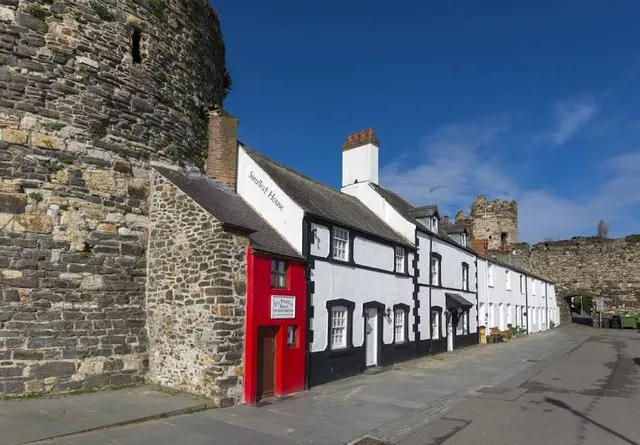
The Smallest House In Great Britain
4.5
(1.3K)
Open 24 hours
Click for details
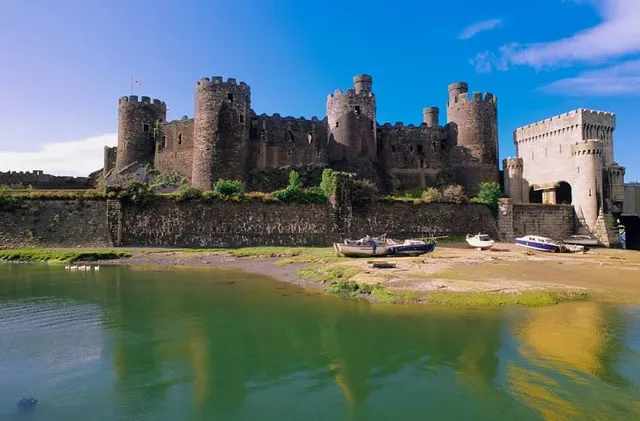
Conwy Castle
4.7
(8.3K)
Closed
Click for details
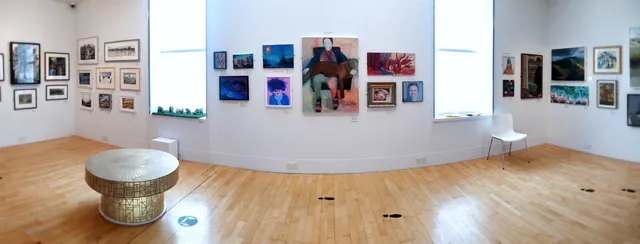
The Royal Cambrian Academy of Art
4.6
(36)
Closed
Click for details
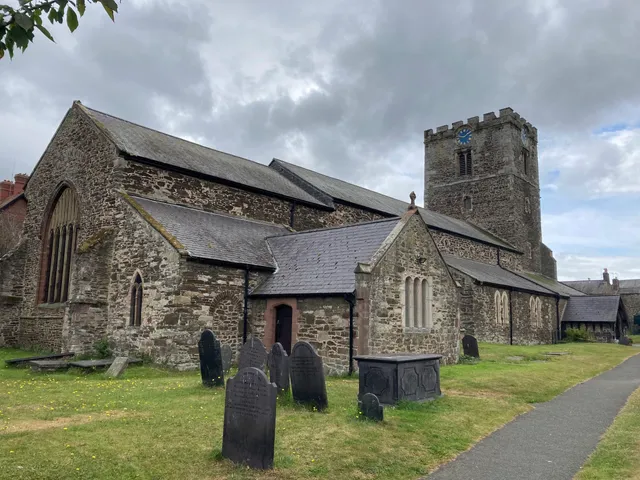
St Mary’s Church Conwy
4.8
(49)
Closed
Click for details
Nearby restaurants of Plas Mawr
Alfredo's Restaurant
Dylan's Conwy
L's Coffee & Bookshop
The Ye Olde Mail Coach
Bank Of Conwy
Vinomondo
Conwy Pantry By Love To Eat
Spice Safari Restaurant & Takeaway
The Archway
Pen-y-Bryn Tearooms with Rooms
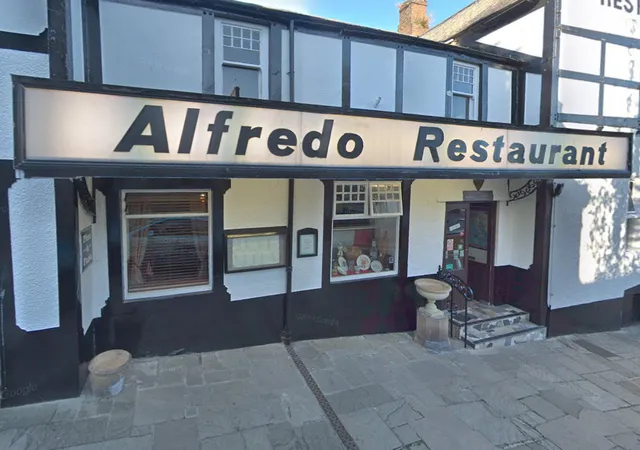
Alfredo's Restaurant
4.4
(444)
Closed
Click for details
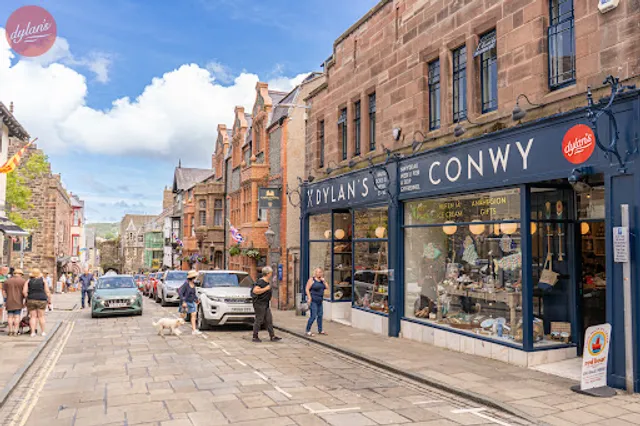
Dylan's Conwy
4.4
(292)
$$
Closed
Click for details
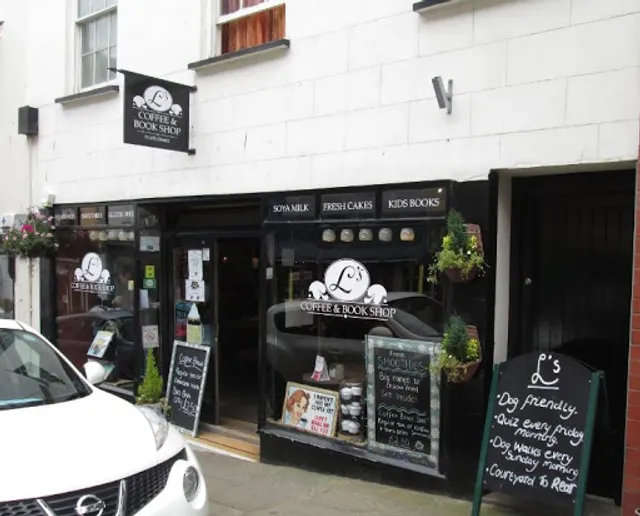
L's Coffee & Bookshop
4.7
(457)
Closed
Click for details

The Ye Olde Mail Coach
4.3
(202)
$
Closed
Click for details
Nearby local services of Plas Mawr
Edwards Of Conwy
Dylan's Baked Goods & General Store - Conwy
Siop Wyn (Wyn Jewellery)
Baravelli's
Castle Ink
Conwy
Blooming Fabulous
Bodlondeb Wood
Conwy Cob
AC Electrical (North Wales) Ltd

Edwards Of Conwy
4.6
(121)
Click for details
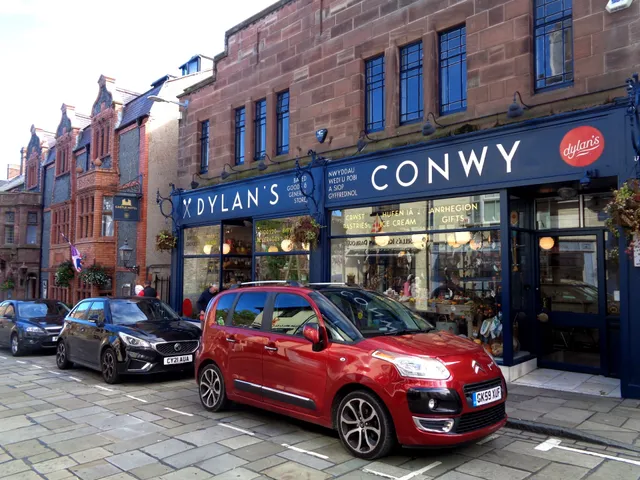
Dylan's Baked Goods & General Store - Conwy
3.7
(21)
Click for details

Siop Wyn (Wyn Jewellery)
5.0
(9)
Click for details

Baravelli's
4.7
(52)
Click for details