Magna Carta things to do, attractions, restaurants, events info and trip planning
Basic Info
Magna Carta
Salisbury SP1 2EL, United Kingdom
4.7(129)
Closed


tickets
Save
spot
spot
Ratings & Description
Info
Cultural
Family friendly
Accessibility
attractions: Salisbury Cathedral, The Salisbury Museum, Mompesson House, Arundells, The Rifles Berkshire and Wiltshire Museum, The Vanner Gallery, Poultry Cross, Salisbury Escape Rooms, Salisbury Information Centre, Salisbury Playhouse, restaurants: The Refectory, Prezzo Restaurant, Salisbury Museum Cafe, The Jade, The Old Ale and Coffee House, Cosy Club, Tinga, The Wig and Quill, Rifleman's Table, Thai Sarocha, local businesses: Old George Mall, JAS Hair Salon Group, Roly's Fudge Pantry, Waterstones, Vita Skin Spa, Wendy Stevens Salisbury, Accessory Depot Ltd, Salisbury Market, Salisbury Antiques Market, Fonezone (Mobile phone repair shop)
 Learn more insights from Wanderboat AI.
Phone
+44 1722 555120
Website
salisburycathedral.org.uk
Open hoursSee all hours
Tue9:30 AM - 5 PMClosed
Plan your stay

Pet-friendly Hotels in England
Find a cozy hotel nearby and make it a full experience.

Affordable Hotels in England
Find a cozy hotel nearby and make it a full experience.

The Coolest Hotels You Haven't Heard Of (Yet)
Find a cozy hotel nearby and make it a full experience.

Trending Stays Worth the Hype in England
Find a cozy hotel nearby and make it a full experience.
Reviews
Live events
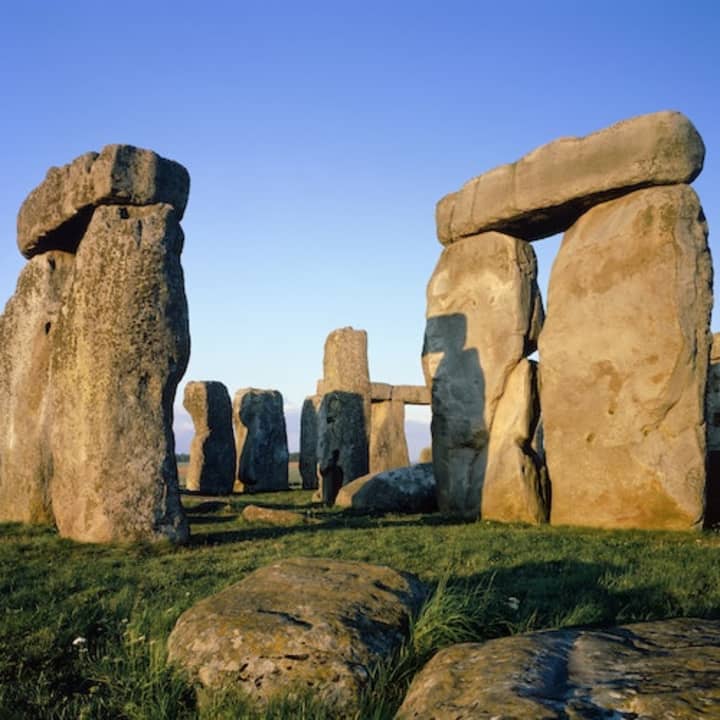
Stonehenge: Entry Ticket + Audio Guide
Tue, Feb 24 • 9:30 AM
Salisbury, SP4 7DE
View details
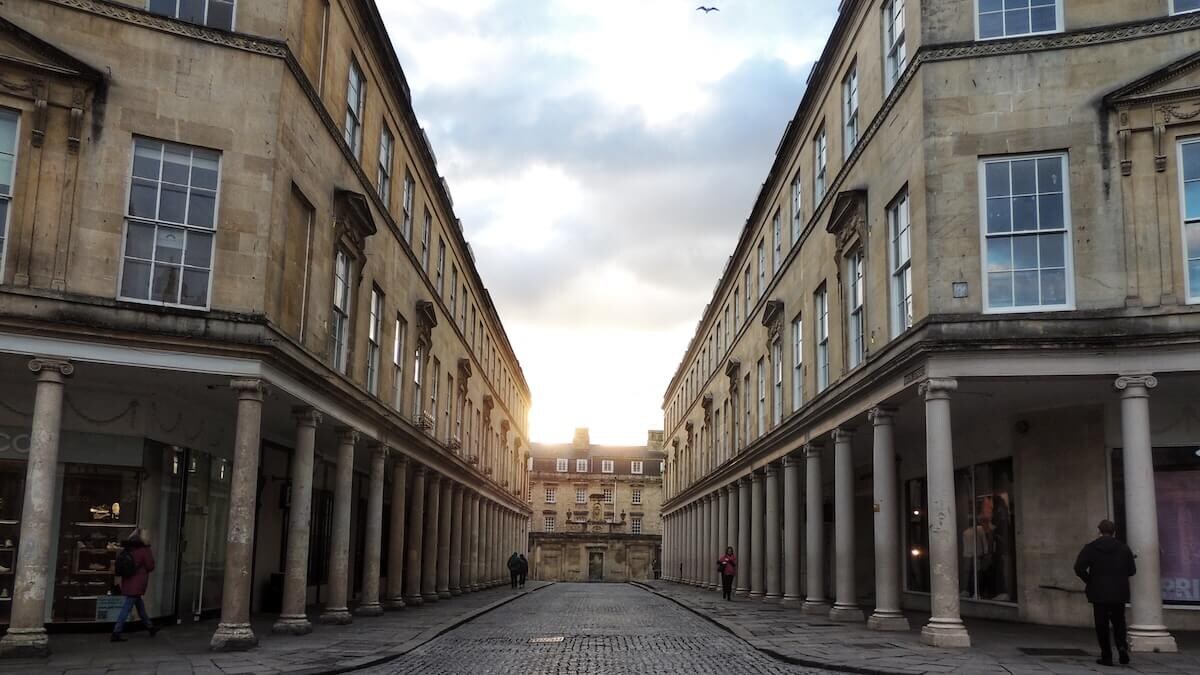
Take a Bath and Stonehenge Day Trip from London
Tue, Feb 24 • 8:00 AM
Wiltshire, SP4 7DE, United Kingdom
View details

Ride hidden trails in the Chalke Valley
Tue, Feb 24 • 9:30 AM
The Queen's Head Broad Chalke, SP5 5EN, United Kingdom
View details
Nearby attractions of Magna Carta
Salisbury Cathedral
The Salisbury Museum
Mompesson House
Arundells
The Rifles Berkshire and Wiltshire Museum
The Vanner Gallery
Poultry Cross
Salisbury Escape Rooms
Salisbury Information Centre
Salisbury Playhouse
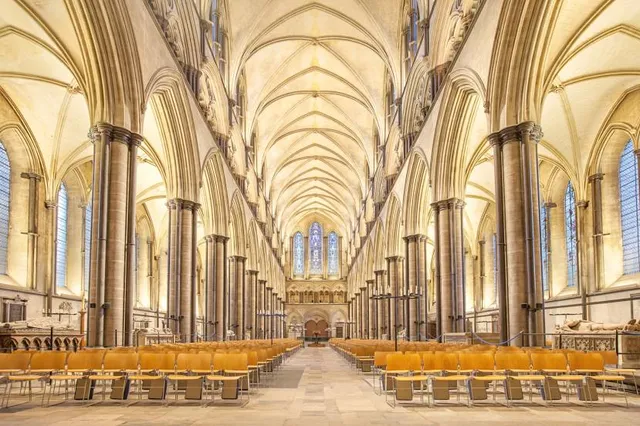
Salisbury Cathedral
4.7
(6.1K)
Closed
Click for details
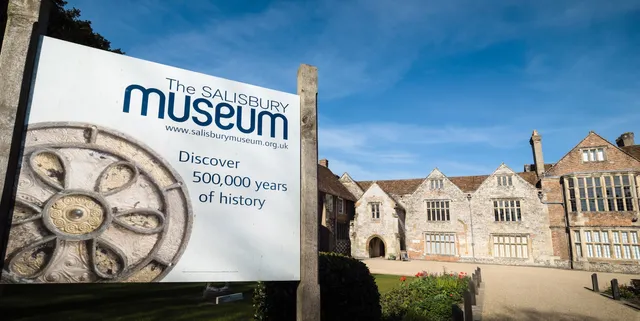
The Salisbury Museum
4.6
(488)
Closed
Click for details

Mompesson House
4.5
(327)
Open until 12:00 AM
Click for details
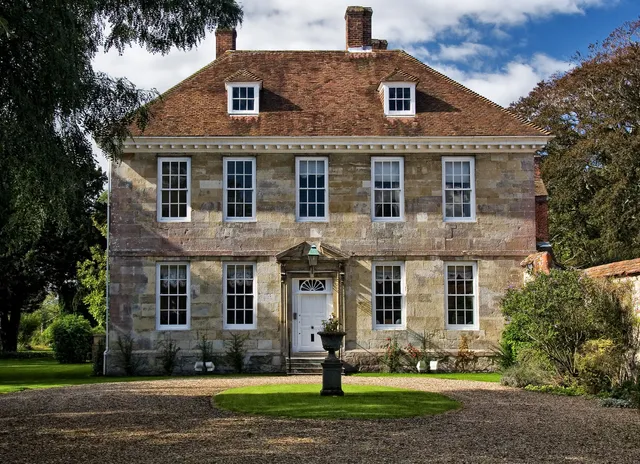
Arundells
4.8
(111)
Open 24 hours
Click for details
Nearby restaurants of Magna Carta
The Refectory
Prezzo Restaurant
Salisbury Museum Cafe
The Jade
The Old Ale and Coffee House
Cosy Club
Tinga
The Wig and Quill
Rifleman's Table
Thai Sarocha
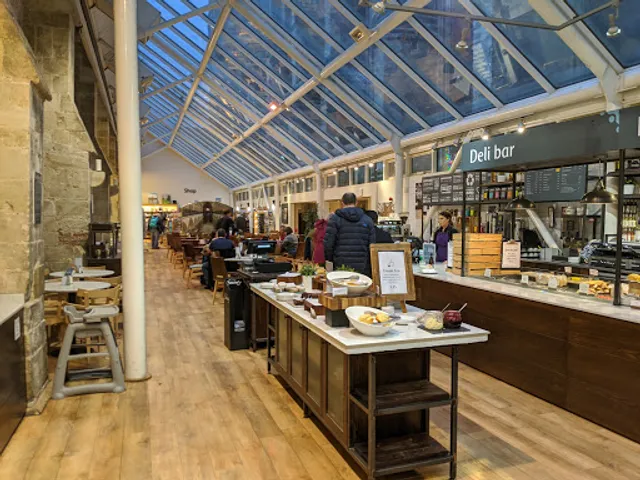
The Refectory
4.3
(151)
Closed
Click for details
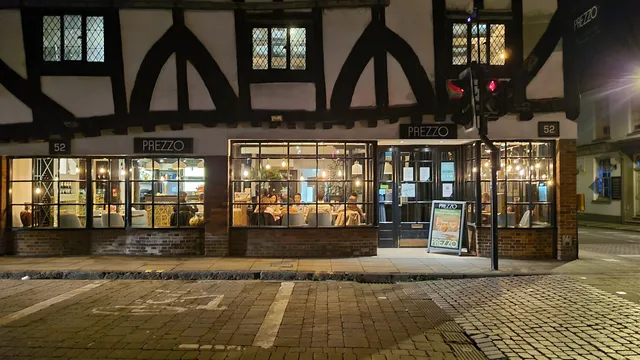
Prezzo Restaurant
4.3
(747)
$$
Closed
Click for details
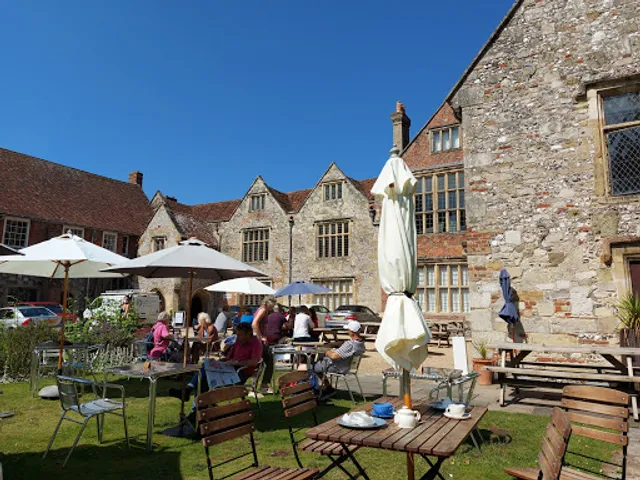
Salisbury Museum Cafe
4.2
(74)
Click for details

The Jade
4.5
(134)
$$
Closed
Click for details
Nearby local services of Magna Carta
Old George Mall
JAS Hair Salon Group
Roly's Fudge Pantry
Waterstones
Vita Skin Spa
Wendy Stevens Salisbury
Accessory Depot Ltd
Salisbury Market
Salisbury Antiques Market
Fonezone (Mobile phone repair shop)
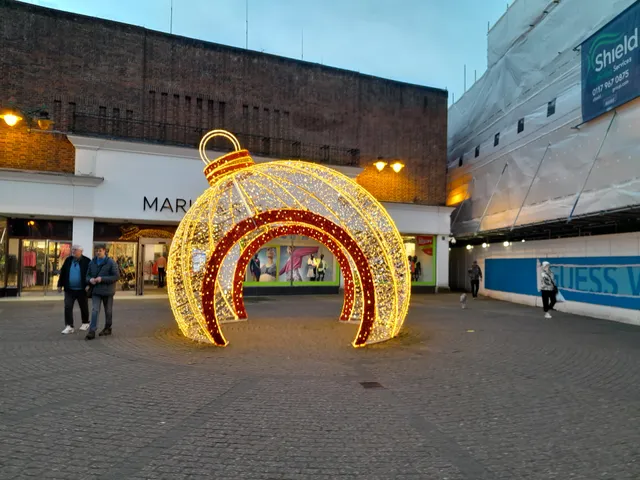
Old George Mall
4.0
(1.7K)
Click for details

JAS Hair Salon Group
4.7
(227)
Click for details

Roly's Fudge Pantry
4.8
(96)
Click for details

Waterstones
4.6
(368)
Click for details