Maritime Museum things to do, attractions, restaurants, events info and trip planning
Basic Info
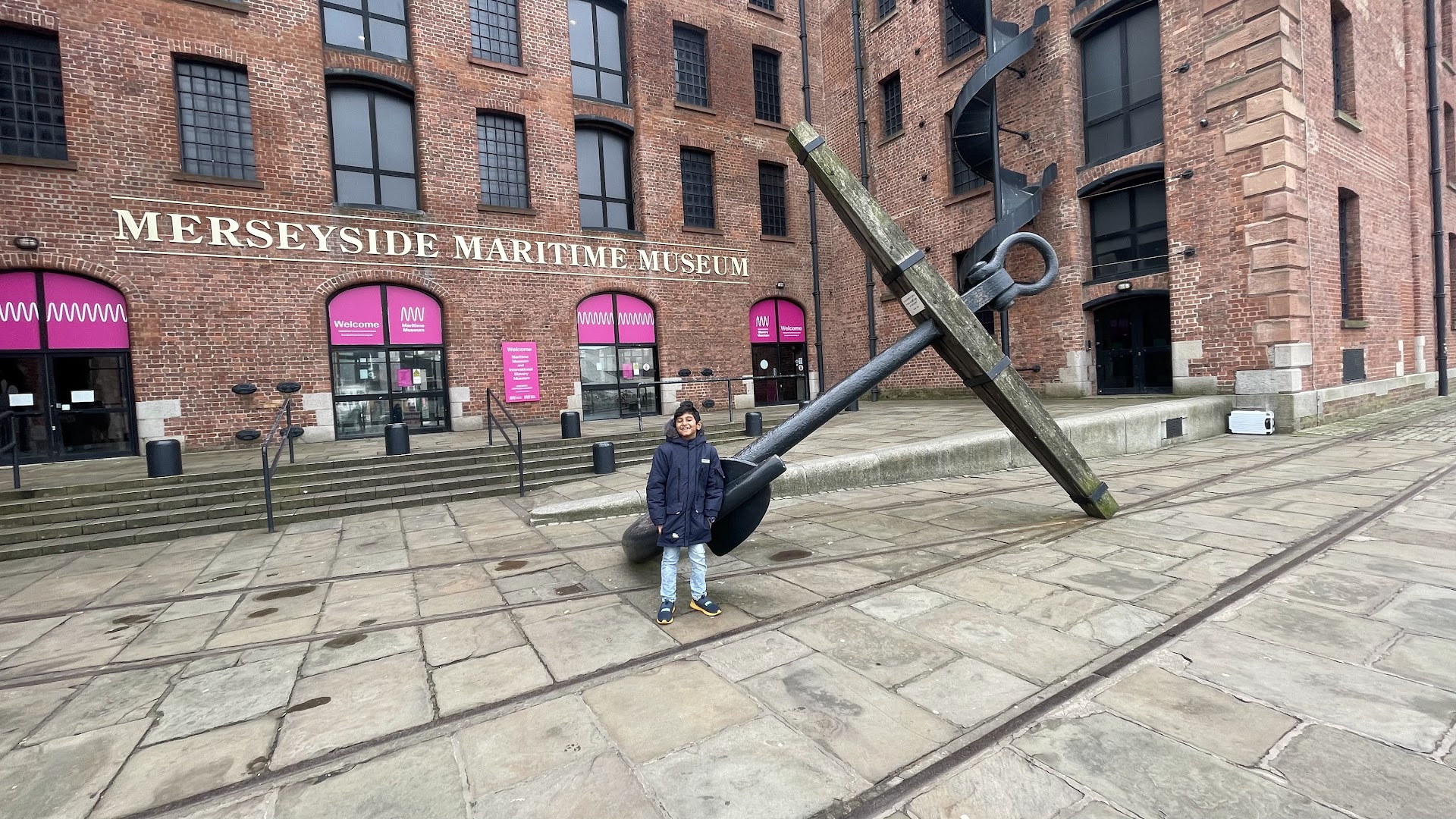
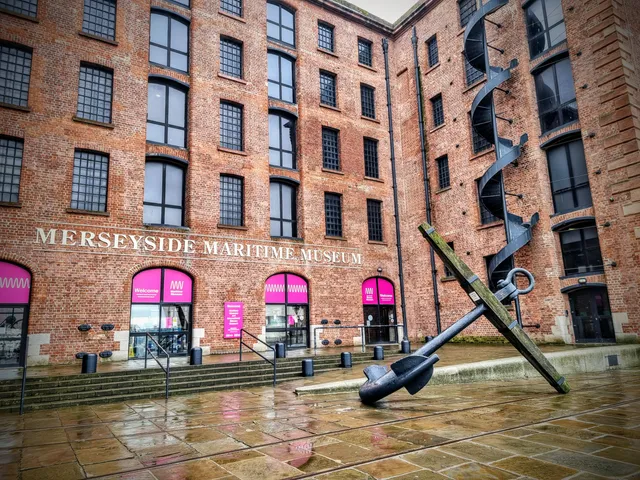
Maritime Museum
Royal Albert Dock, Liverpool L3 4AQ, United Kingdom
4.6(2K)
Open 24 hours
Save
spot
spot
Ratings & Description
Info
Cultural
Family friendly
Accessibility
attractions: Royal Albert Dock Liverpool, Tate Liverpool, The Beatles Story Museum, Liverpool, Museum of Liverpool, International Slavery Museum, The Beatles Statue, M&S Bank Arena, RIBA North, Liverpool Waterfront, Liverpool Boat Tour, restaurants: Pump House, Gusto Italian - Liverpool, Chef Yasin Turkish Traditional Eateria, Memories of Seoul, Miller & Carter Albert Dock, Revolution Liverpool - Albert Dock, Heavenly Desserts Liverpool, The Botanist Liverpool Albert Dock, So Greek Full, Rubens Coffee Albert Dock, local businesses: The Beatles Story Exhibition/Museum, Canning Dock Liverpool, Atlantic Pavilion Albert Dock, Escape Hunt Liverpool, 24 Edward Pavilion, Magical Mystery Tour Liverpool, Liverpool ONE, Simpson Millar Solicitors Liverpool, Albert Dock, Roly's Fudge Pantry
 Learn more insights from Wanderboat AI.
Phone
+44 151 478 4499
Website
liverpoolmuseums.org.uk
Plan your stay

Pet-friendly Hotels in Liverpool
Find a cozy hotel nearby and make it a full experience.

Affordable Hotels in Liverpool
Find a cozy hotel nearby and make it a full experience.

The Coolest Hotels You Haven't Heard Of (Yet)
Find a cozy hotel nearby and make it a full experience.

Trending Stays Worth the Hype in Liverpool
Find a cozy hotel nearby and make it a full experience.
Reviews
Live events

Walk through Liverpools history
Sat, Feb 28 • 1:00 PM
Merseyside, L3 1HU, United Kingdom
View details
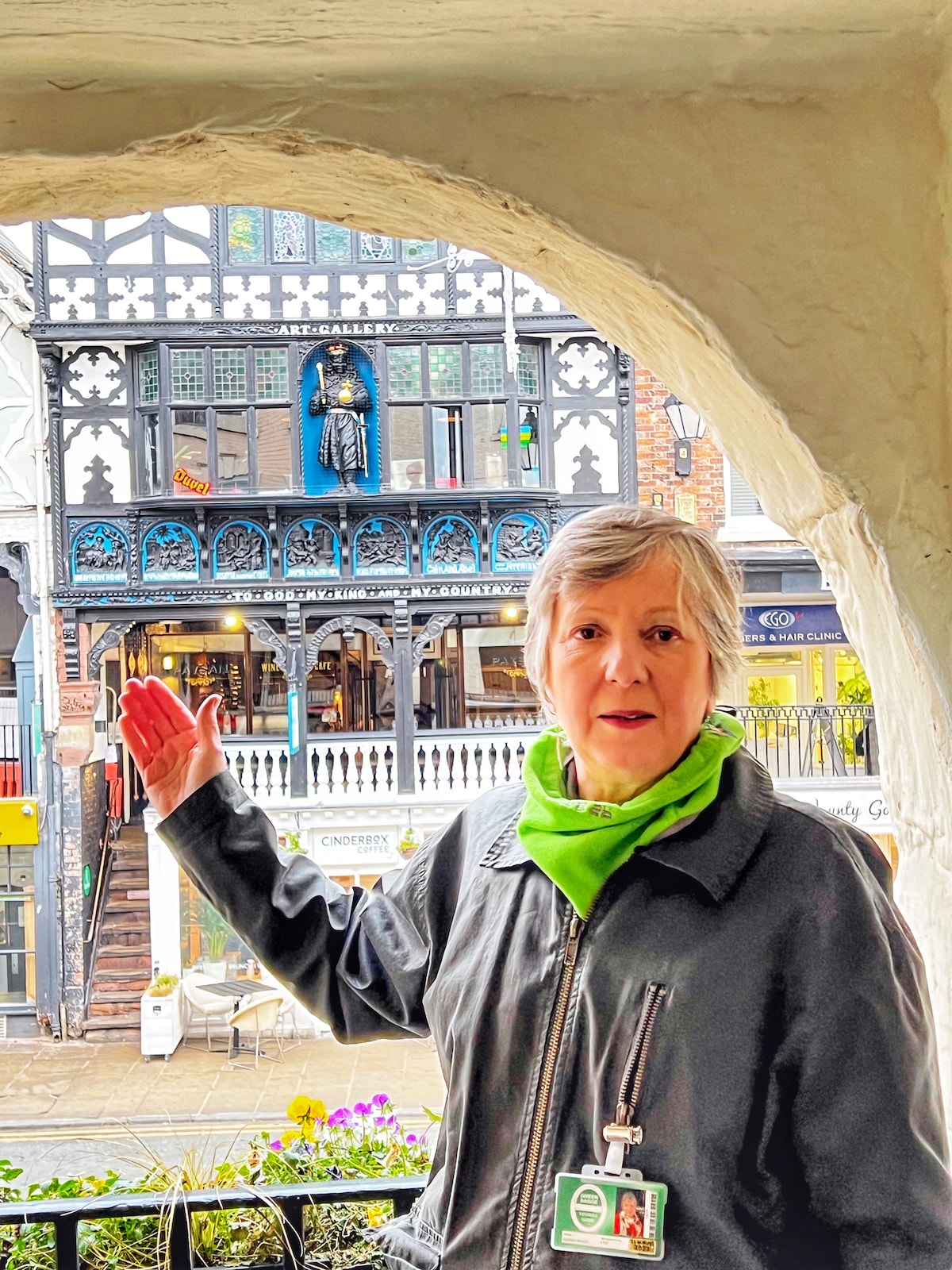
The Heart of Chester Walking Tour
Tue, Mar 3 • 1:00 PM
Cheshire West and Chester, CH1, United Kingdom
View details
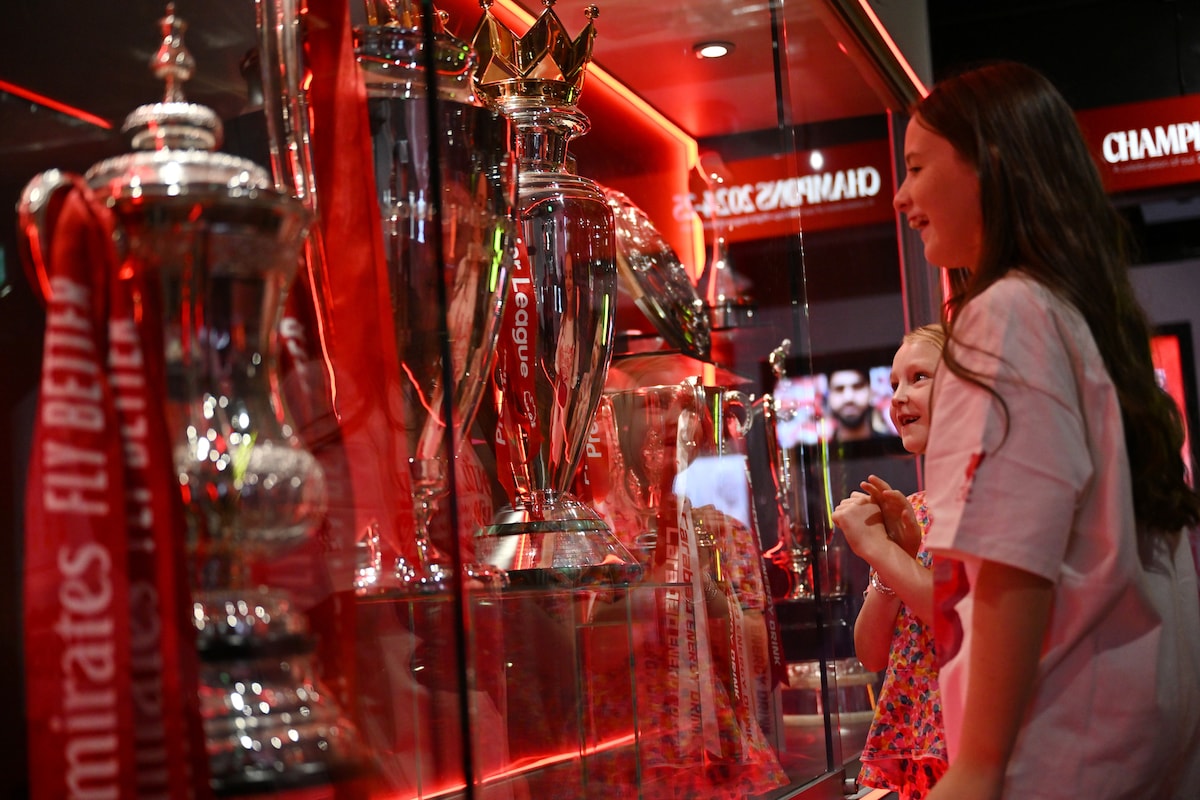
Liverpool Football Club Stadium Tour and Museum
Tue, Mar 3 • 10:00 AM
Anfield, L4 0TH, United Kingdom
View details
Nearby attractions of Maritime Museum
Royal Albert Dock Liverpool
Tate Liverpool
The Beatles Story Museum, Liverpool
Museum of Liverpool
International Slavery Museum
The Beatles Statue
M&S Bank Arena
RIBA North
Liverpool Waterfront
Liverpool Boat Tour
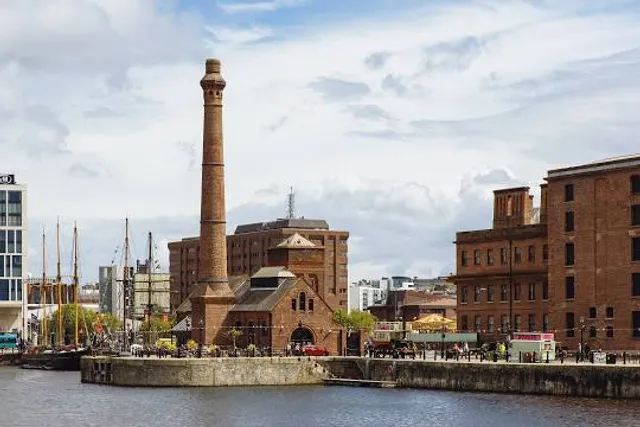
Royal Albert Dock Liverpool
4.7
(19.1K)
Open 24 hours
Click for details
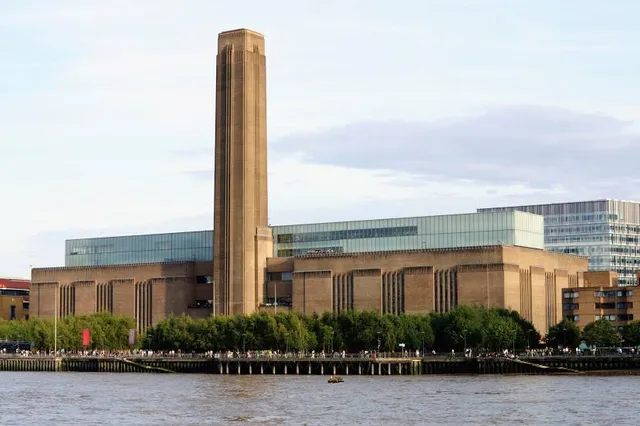
Tate Liverpool
4.3
(2.1K)
Closed
Click for details
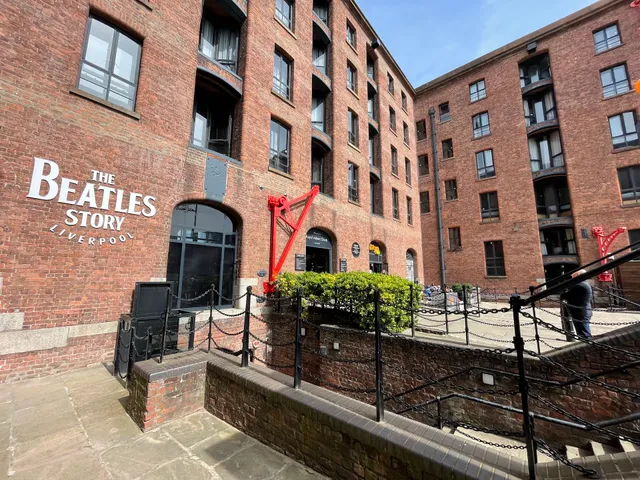
The Beatles Story Museum, Liverpool
4.5
(4.6K)
Closed
Click for details
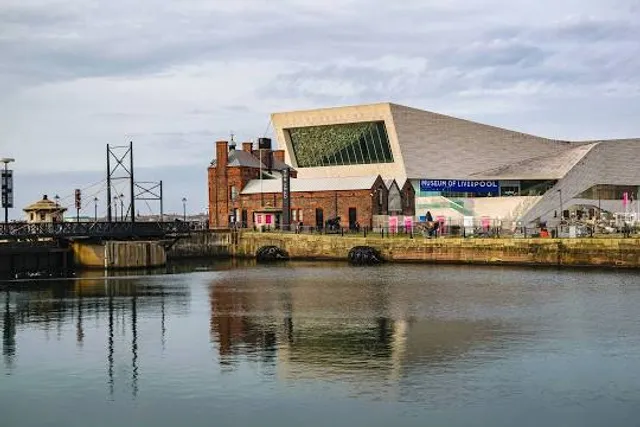
Museum of Liverpool
4.6
(4.9K)
Closed
Click for details
Nearby restaurants of Maritime Museum
Pump House
Gusto Italian - Liverpool
Chef Yasin Turkish Traditional Eateria
Memories of Seoul
Miller & Carter Albert Dock
Revolution Liverpool - Albert Dock
Heavenly Desserts Liverpool
The Botanist Liverpool Albert Dock
So Greek Full
Rubens Coffee Albert Dock
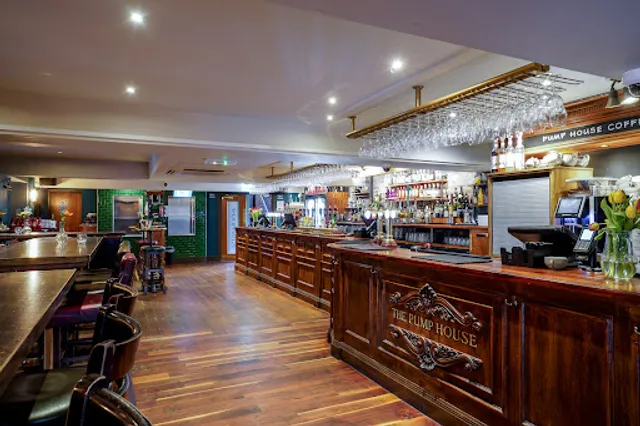
Pump House
4.2
(2.2K)
Open until 11:00 PM
Click for details
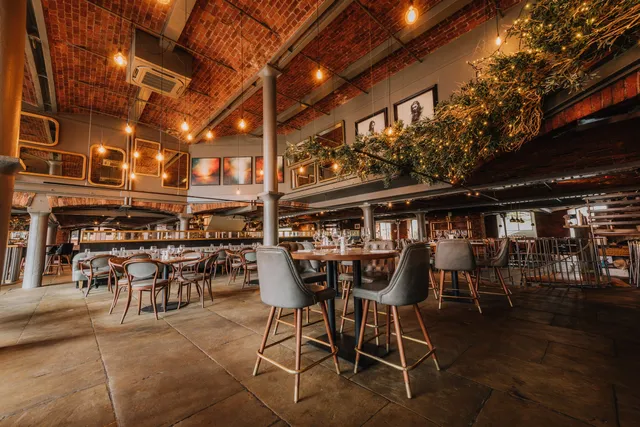
Gusto Italian - Liverpool
4.5
(1.6K)
$$
Open until 11:00 PM
Click for details
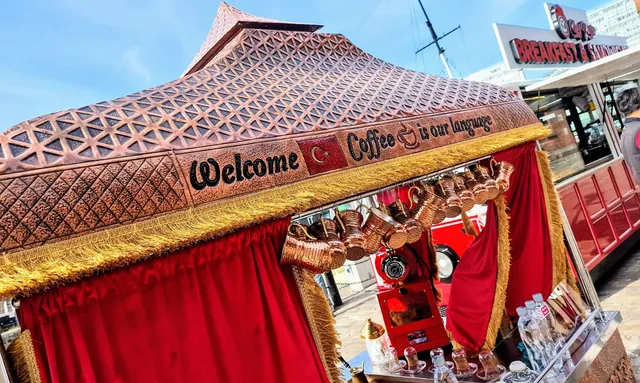
Chef Yasin Turkish Traditional Eateria
5.0
(329)
Click for details

Memories of Seoul
4.9
(332)
Closed
Click for details
Nearby local services of Maritime Museum
The Beatles Story Exhibition/Museum
Canning Dock Liverpool
Atlantic Pavilion Albert Dock
Escape Hunt Liverpool
24 Edward Pavilion
Magical Mystery Tour Liverpool
Liverpool ONE
Simpson Millar Solicitors Liverpool
Albert Dock
Roly's Fudge Pantry
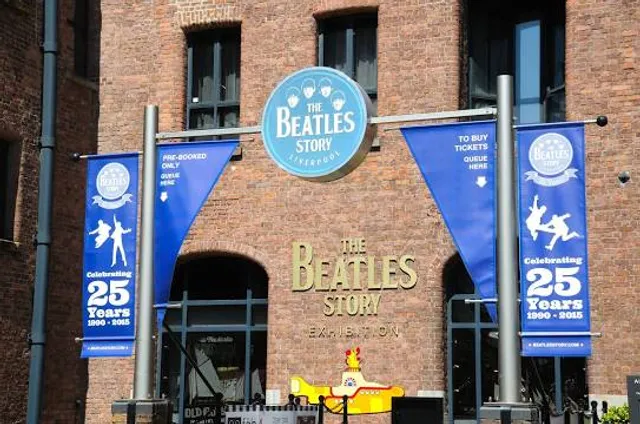
The Beatles Story Exhibition/Museum
4.5
(3.7K)
Click for details
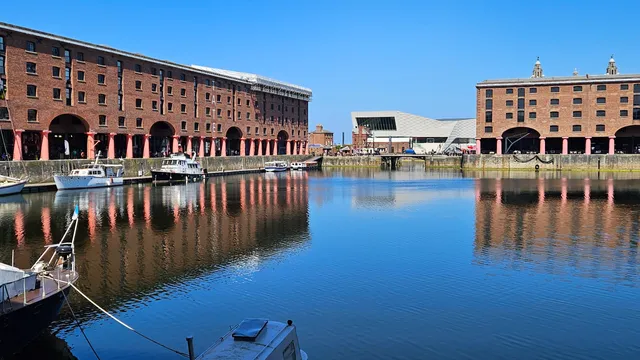
Canning Dock Liverpool
4.7
(127)
Click for details

Atlantic Pavilion Albert Dock
4.9
(1.6K)
Click for details

Escape Hunt Liverpool
4.9
(1.7K)
Click for details