Dr Johnson's House things to do, attractions, restaurants, events info and trip planning
Basic Info
Dr Johnson's House
17 Gough Square, London EC4A 3DE, United Kingdom
4.5(213)
Closed

tickets
Save
spot
spot
Ratings & Description
Info
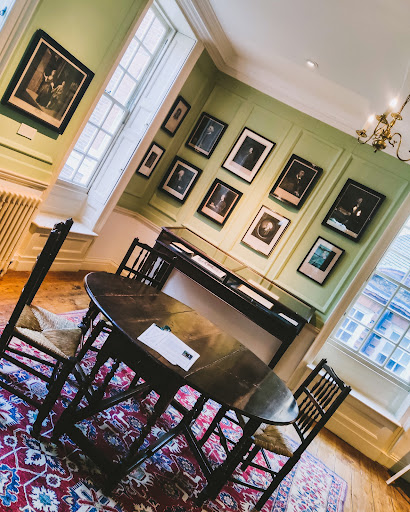
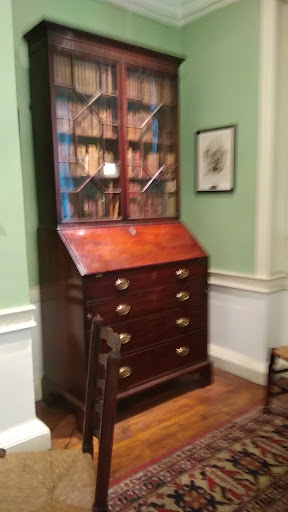
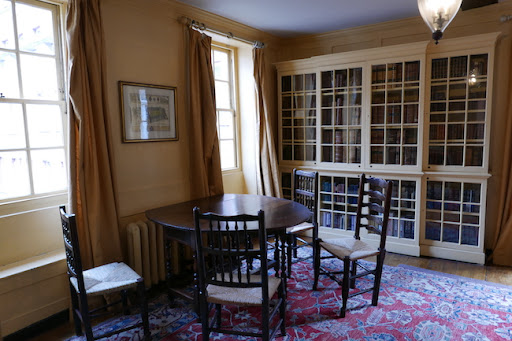
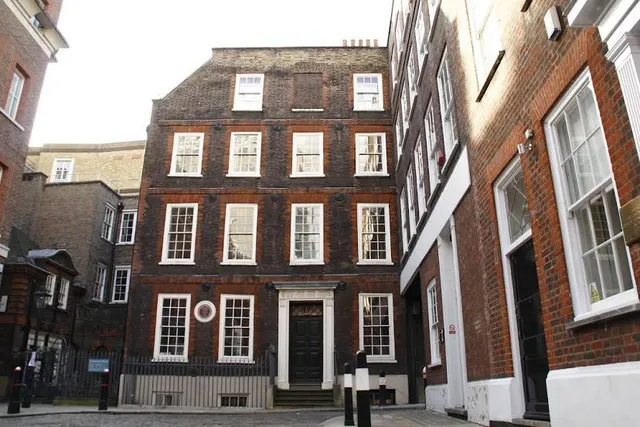
Dr Johnson's House is a writer's house museum in London in the former home of the 18th-century English writer and lexicographer Samuel Johnson. The house is a Grade I listed building.
Cultural
Family friendly
Accessibility
attractions: Temple Church, St Bride's Church, Fleet Street, St Dunstan-in-the-West, adventuro, St Andrew’s Church, Holborn, Royal Courts of Justice, St. Paul's Cathedral, Middle Temple Venue Hire, Two Temple Place, Arden University, restaurants: Treelogy Speciality Coffee Fetter Lane, Kaana, Ye Olde Cheshire Cheese, Nkora Coffee - Farringdon St, The India - Fleet Street, Melrose & Morgan, PETAL CAFE CLUB, Editor's Tap, The Azuki Dinning Japanese Restaurant and Sake Bar, Dilieto, local businesses: London Theatre, Safe Removals, Fleet Street Hardware, Solaris Relocations, BLS Spain Visa Application Centre London, Saunders Law, Fleet St, Slater and Gordon Lawyers, Landmark Chambers, The Alteration Yard London
 Learn more insights from Wanderboat AI.
Phone
+44 20 7353 3745
Website
drjohnsonshouse.org
Open hoursSee all hours
Sat10 AM - 5 PMClosed
Plan your stay

Pet-friendly Hotels in London
Find a cozy hotel nearby and make it a full experience.

Affordable Hotels in London
Find a cozy hotel nearby and make it a full experience.

The Coolest Hotels You Haven't Heard Of (Yet)
Find a cozy hotel nearby and make it a full experience.

Trending Stays Worth the Hype in London
Find a cozy hotel nearby and make it a full experience.
Reviews
Live events
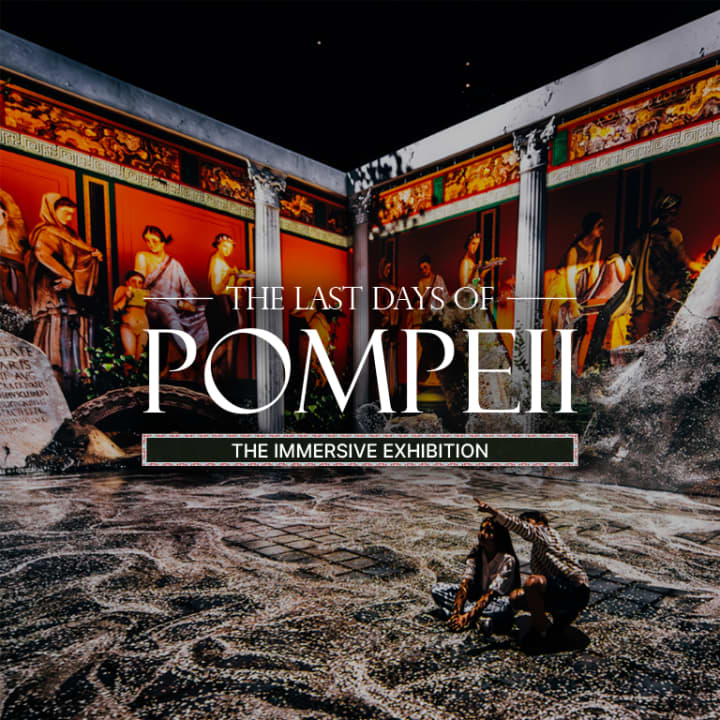
The Last Days of Pompeii: The Immersive Exhibition
Sat, Feb 28 • 10:00 AM
Royal Victoria Dock 1 Western Gateway, E16 1XL
View details
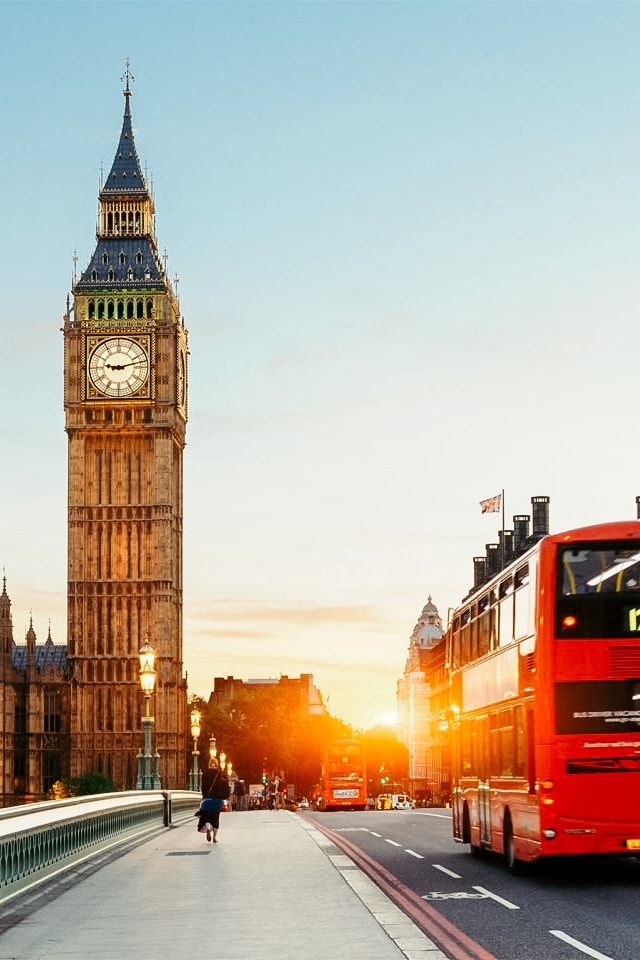
Explore 30+ London sights
Sat, Feb 28 • 10:00 AM
Greater London, W1J 9BR, United Kingdom
View details

Top-Rated London Harry Potter Tour—Family Friendly
Sat, Feb 28 • 9:30 AM
Greater London, N1 9AP, United Kingdom
View details
Nearby attractions of Dr Johnson's House
Temple Church
St Bride's Church, Fleet Street
St Dunstan-in-the-West
adventuro
St Andrew’s Church, Holborn
Royal Courts of Justice
St. Paul's Cathedral
Middle Temple Venue Hire
Two Temple Place
Arden University
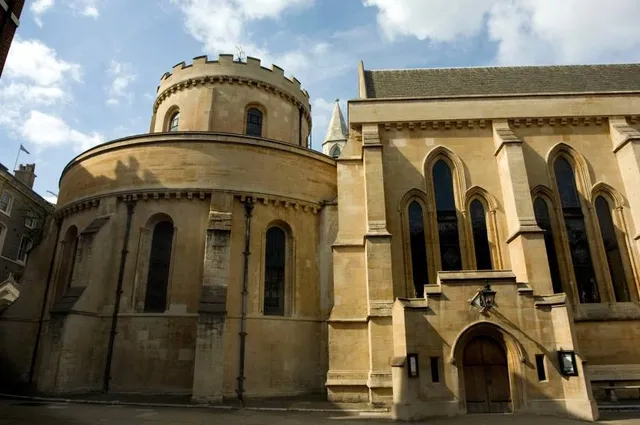
Temple Church
4.6
(1.3K)
Open until 12:00 AM
Click for details
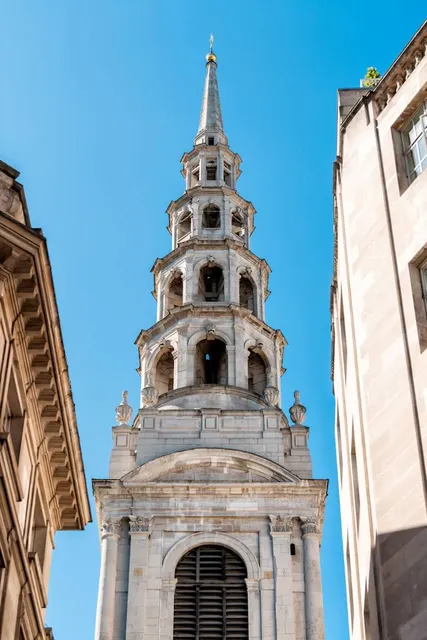
St Bride's Church, Fleet Street
4.7
(304)
Closed
Click for details
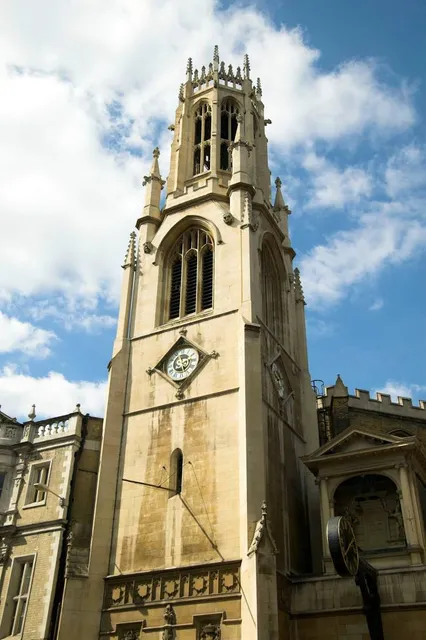
St Dunstan-in-the-West
4.5
(99)
Open until 12:00 AM
Click for details

adventuro
5.0
(10)
Open until 12:00 AM
Click for details
Nearby restaurants of Dr Johnson's House
Treelogy Speciality Coffee Fetter Lane
Kaana
Ye Olde Cheshire Cheese
Nkora Coffee - Farringdon St
The India - Fleet Street
Melrose & Morgan
PETAL CAFE CLUB
Editor's Tap
The Azuki Dinning Japanese Restaurant and Sake Bar
Dilieto

Treelogy Speciality Coffee Fetter Lane
4.7
(41)
Open until 12:00 AM
Click for details

Kaana
4.9
(37)
Open until 12:00 AM
Click for details
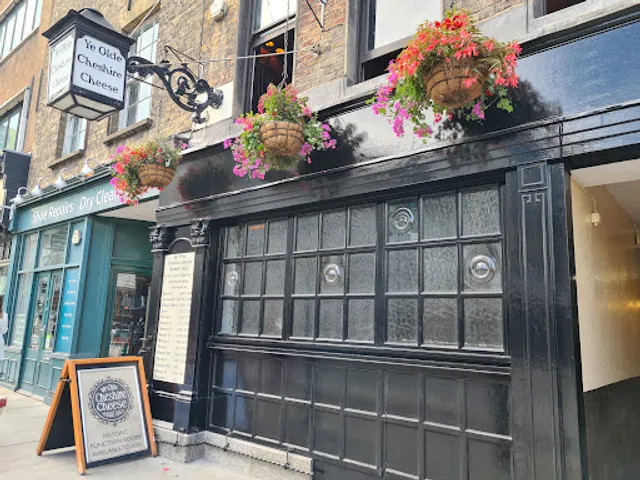
Ye Olde Cheshire Cheese
4.4
(3K)
Closed
Click for details

Nkora Coffee - Farringdon St
5.0
(7)
Closed
Click for details
Nearby local services of Dr Johnson's House
London Theatre
Safe Removals
Fleet Street Hardware
Solaris Relocations
BLS Spain Visa Application Centre London
Saunders Law
Fleet St
Slater and Gordon Lawyers
Landmark Chambers
The Alteration Yard London
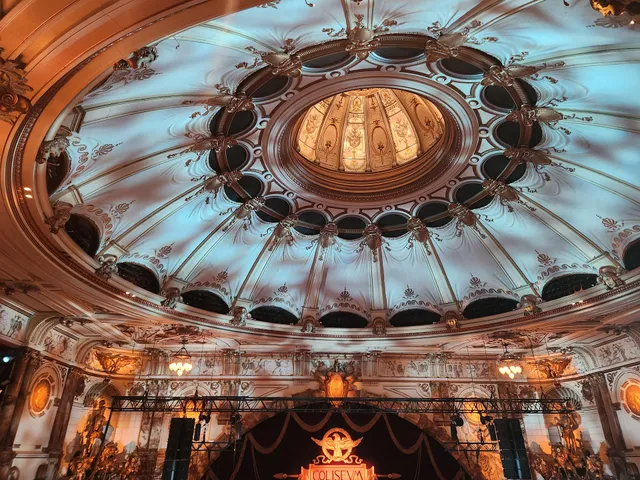
London Theatre
4.6
(344)
Click for details

Safe Removals
4.6
(82)
Click for details

Fleet Street Hardware
5.0
(136)
Click for details

Solaris Relocations
4.4
(99)
Click for details


The hit list


Plan your trip with Wanderboat
Welcome to Wanderboat AI, your AI search for local Eats and Fun, designed to help you explore your city and the world with ease.
Powered by Wanderboat AI trip planner.