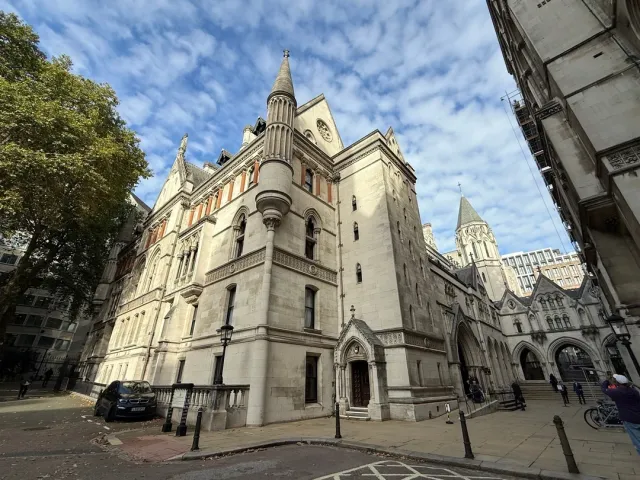
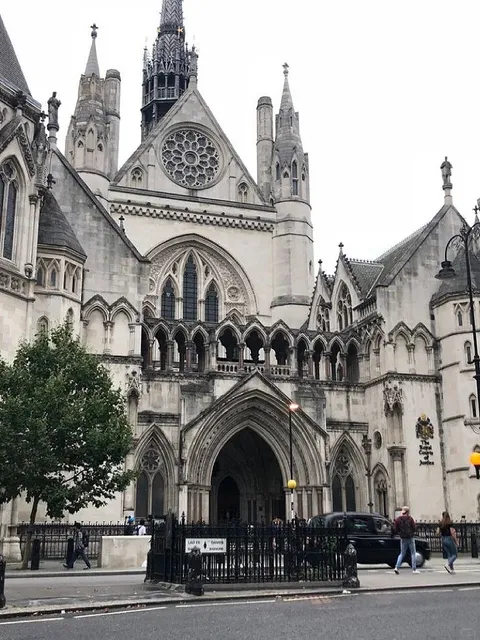
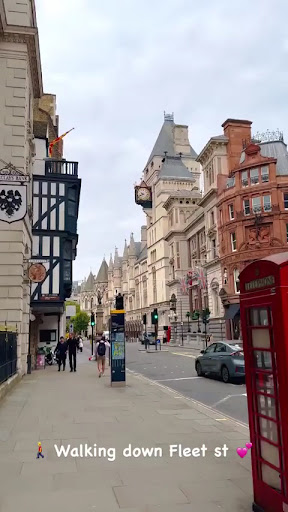
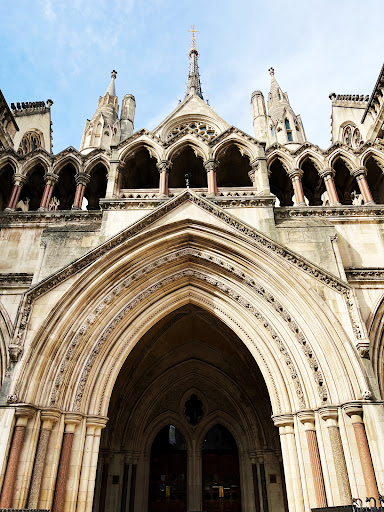
Royal Courts of Justice things to do, attractions, restaurants, events info and trip planning
Basic Info
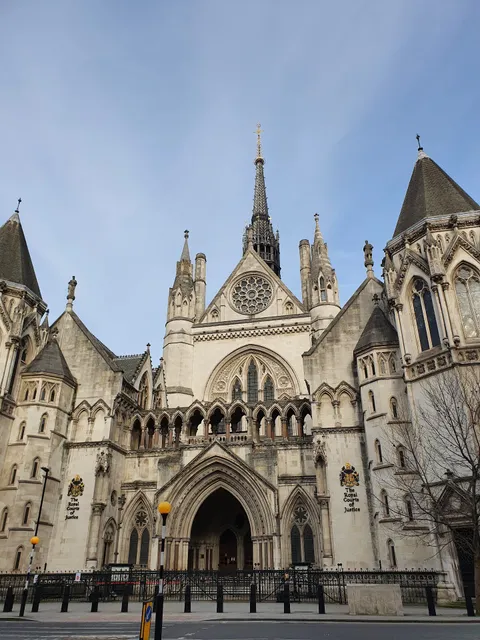
Royal Courts of Justice
Strand, London WC2A 2LL, United Kingdom
4.5(270)
Open until 12:00 AM
Save
spot
spot
Ratings & Description
Info
Cultural
Scenic
Accessibility
attractions: Temple Church, 180 Studios, Two Temple Place, Hunterian Museum, Aldwych Theatre, Peacock Theatre, Middle Temple Venue Hire, Novello Theatre, King's College London, St Dunstan-in-the-West, restaurants: Old Bank of England, SOHO Coffee The Strand, The George, Daly's Wine Bar & Beer Hall, The Edgar Wallace, Daly's Wine Bar & Beer Hall, The Fleet Street Press, Gaucho Chancery Lane, Brunel Sandwich Shop, Roasting Plant Coffee, local businesses: St Clement Danes (RAF), 180 Strand, Le Montmartre, StayinLondon, Australian High Commission, London School of Economics and Political Science, The Store X, Hunterian Museum, TOTAMTOTUT, The Maughan Library
 Learn more insights from Wanderboat AI.
Phone
+44 20 7947 6000
Website
find-court-tribunal.service.gov.uk
Open hoursSee all hours
SatClosedOpen
Plan your stay

Pet-friendly Hotels in London
Find a cozy hotel nearby and make it a full experience.

Affordable Hotels in London
Find a cozy hotel nearby and make it a full experience.

The Coolest Hotels You Haven't Heard Of (Yet)
Find a cozy hotel nearby and make it a full experience.

Trending Stays Worth the Hype in London
Find a cozy hotel nearby and make it a full experience.
Reviews
Live events
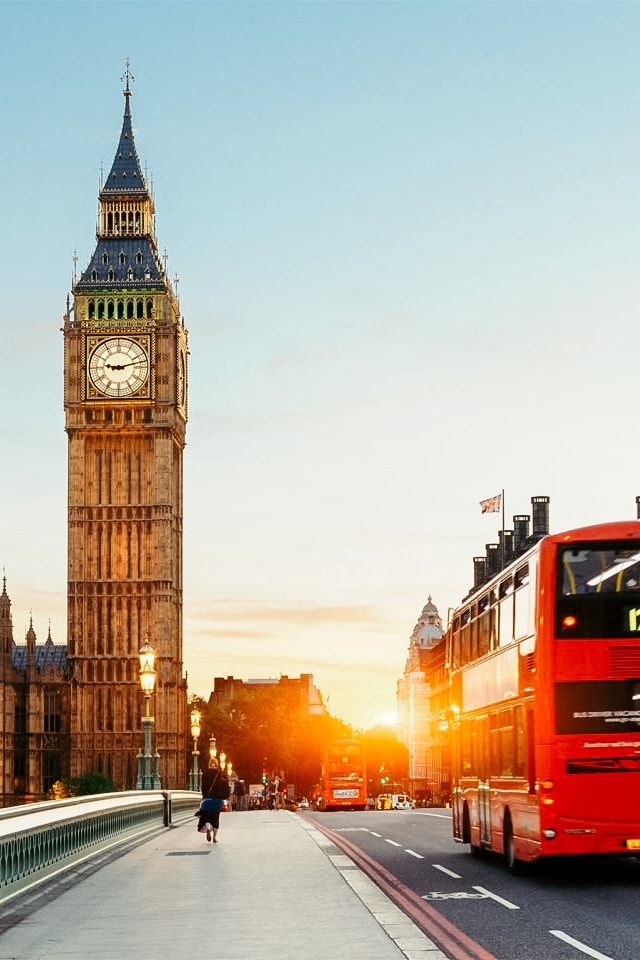
Explore 30+ London sights
Sat, Feb 14 • 10:00 AM
Greater London, W1J 9BR, United Kingdom
View details

Top-Rated London Harry Potter Tour—Family Friendly
Sat, Feb 14 • 9:30 AM
Greater London, N1 9AP, United Kingdom
View details
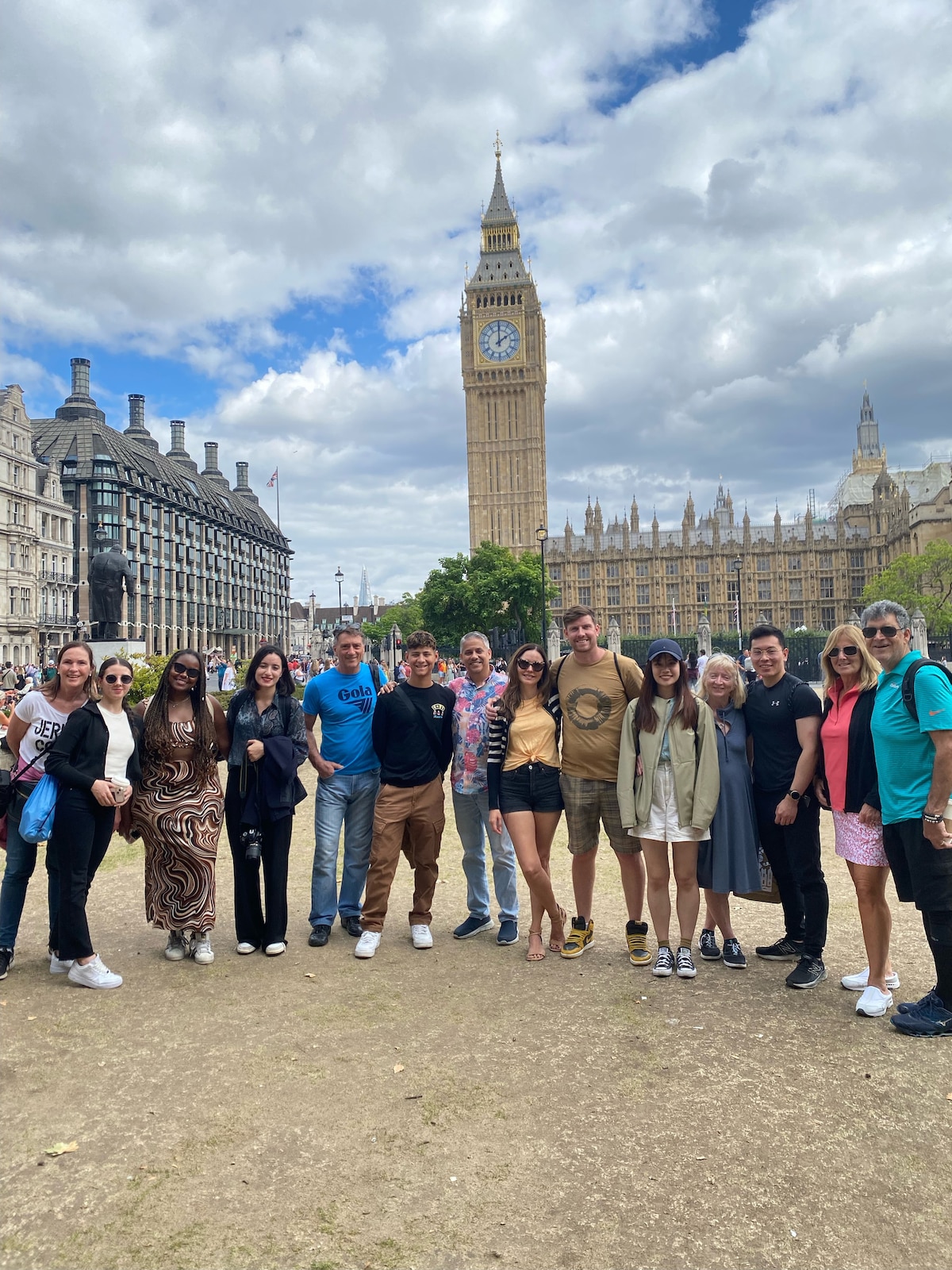
London sightseeing walking tour with 30 sights
Mon, Feb 16 • 10:00 AM
Greater London, SW1E 5EA, United Kingdom
View details
Nearby attractions of Royal Courts of Justice
Temple Church
180 Studios
Two Temple Place
Hunterian Museum
Aldwych Theatre
Peacock Theatre
Middle Temple Venue Hire
Novello Theatre
King's College London
St Dunstan-in-the-West
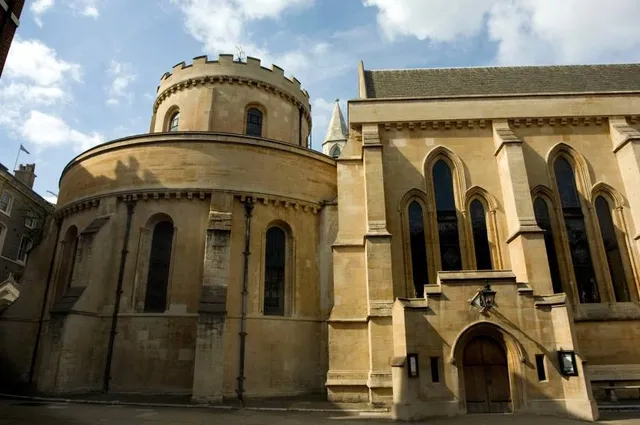
Temple Church
4.6
(1.4K)
Open until 12:00 AM
Click for details

180 Studios
4.6
(639)
Open until 8:00 PM
Click for details
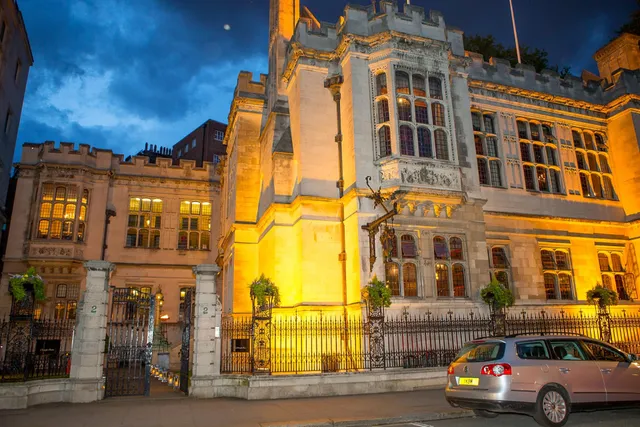
Two Temple Place
4.6
(618)
Open 24 hours
Click for details

Hunterian Museum
4.8
(868)
Open until 5:00 PM
Click for details
Nearby restaurants of Royal Courts of Justice
Old Bank of England
SOHO Coffee The Strand
The George
Daly's Wine Bar & Beer Hall
The Edgar Wallace
Daly's Wine Bar & Beer Hall
The Fleet Street Press
Gaucho Chancery Lane
Brunel Sandwich Shop
Roasting Plant Coffee
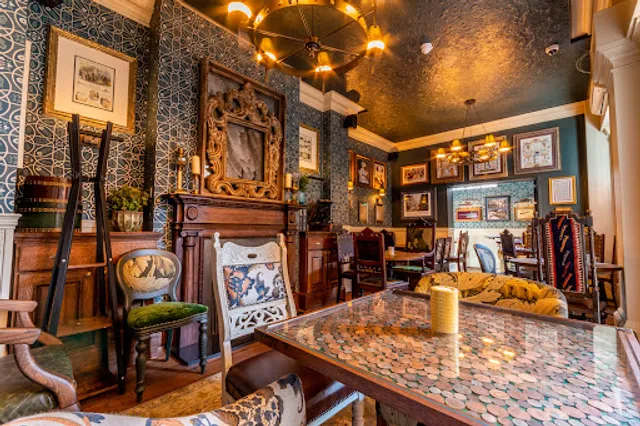
Old Bank of England
4.4
(2.2K)
Open until 11:00 PM
Click for details

SOHO Coffee The Strand
4.2
(289)
Open until 6:00 PM
Click for details
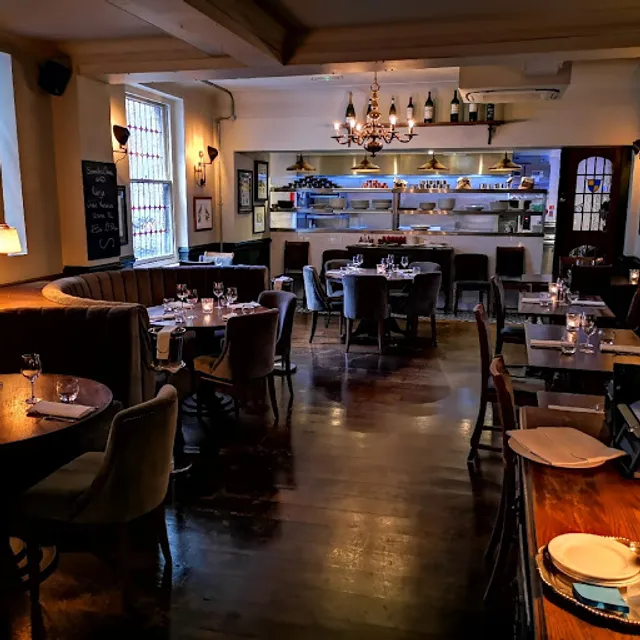
The George
4.4
(897)
$$
Closed
Click for details
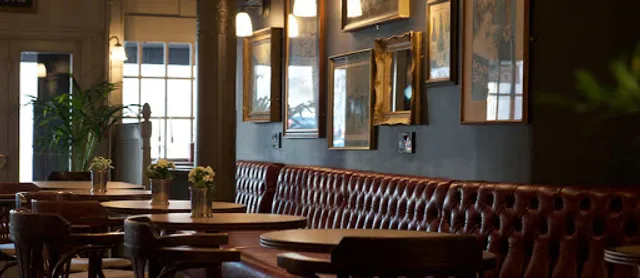
Daly's Wine Bar & Beer Hall
4.4
(231)
Open until 11:00 PM
Click for details
Nearby local services of Royal Courts of Justice
St Clement Danes (RAF)
180 Strand
Le Montmartre
StayinLondon
Australian High Commission
London School of Economics and Political Science
The Store X
Hunterian Museum
TOTAMTOTUT
The Maughan Library
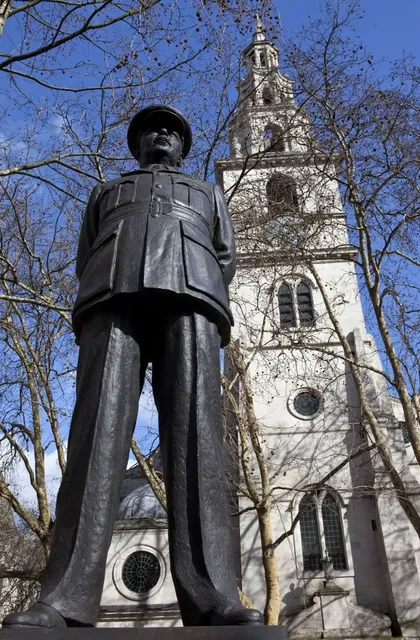
St Clement Danes (RAF)
4.7
(275)
Click for details
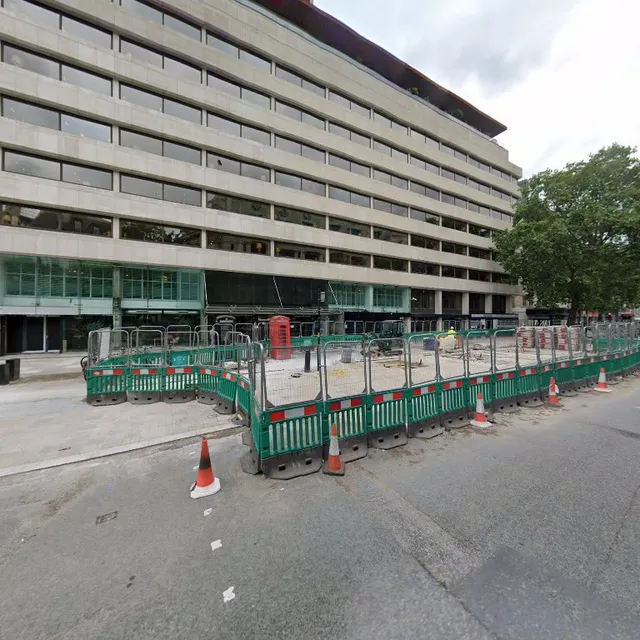
180 Strand
4.6
(651)
Click for details

Le Montmartre
4.9
(108)
Click for details
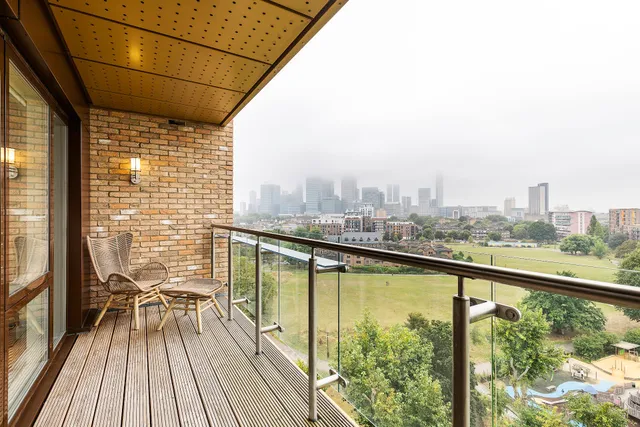
StayinLondon
5.0
(148)
Click for details


The hit list



Plan your trip with Wanderboat
Welcome to Wanderboat AI, your AI search for local Eats and Fun, designed to help you explore your city and the world with ease.
Powered by Wanderboat AI trip planner.