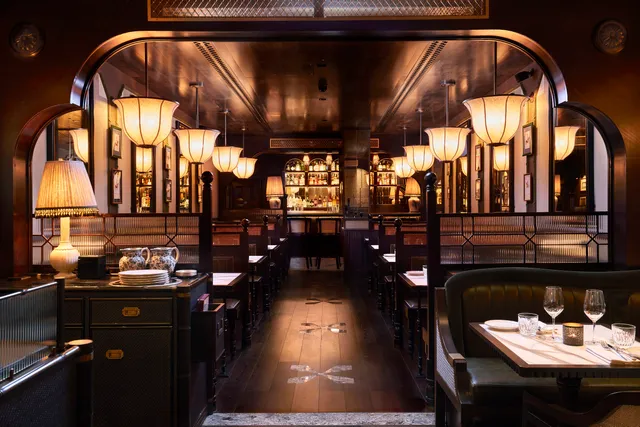
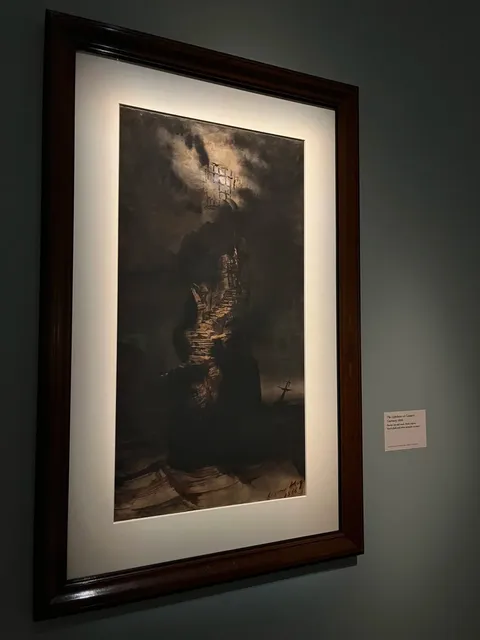
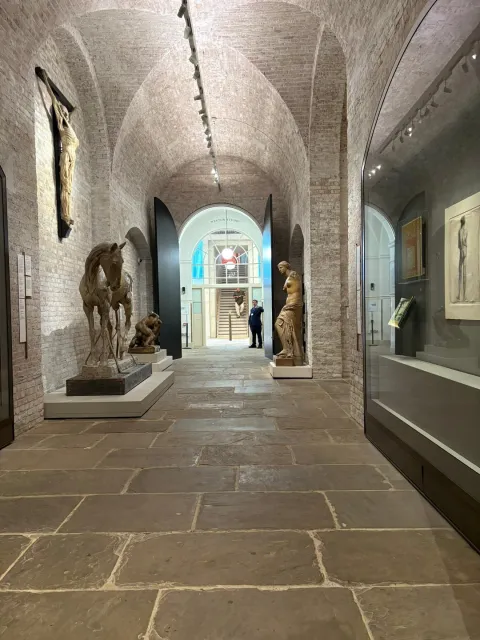
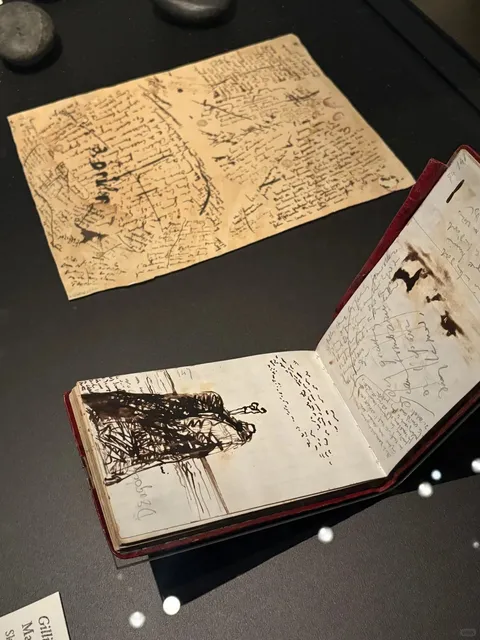
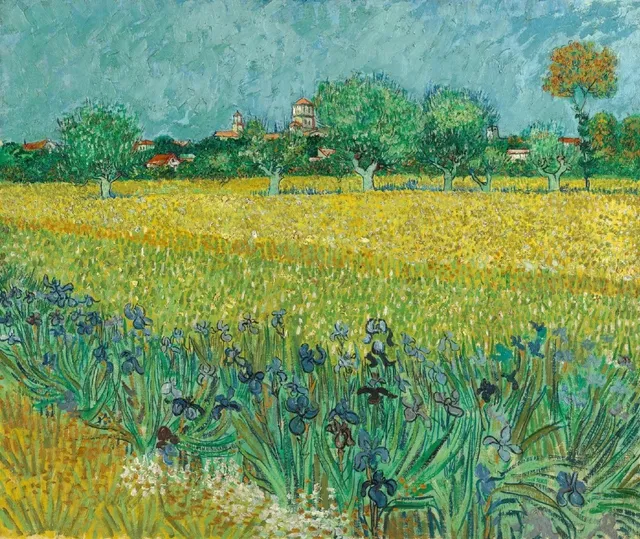
The Royal Academy of Arts is truly a gem in the art world, offering an unparalleled experience for anyone passionate about creativity and culture. Nestled in the heart of London, this historic institution has been at the forefront of celebrating art and artists since its inception in 1768. Whether you're an art enthusiast, a student, or just someone seeking inspiration, the Royal Academy provides an extraordinary environment to immerse yourself in the beauty and power of art.
One of the most remarkable aspects of the Royal Academy is its commitment to showcasing a diverse range of artistic expressions. From classic masterpieces to contemporary innovations, the exhibitions are thoughtfully curated and always leave visitors feeling enriched. Walking through its galleries is like taking a journey through the evolution of art, with each room unveiling something new and captivating.
The Summer Exhibition, in particular, stands out as a highlight. This annual event is a testament to the Academy's dedication to supporting both established and emerging artists. The sheer variety of works on display—from paintings and sculptures to installations and prints—makes it an unmissable celebration of creativity. The opportunity to witness art from such a wide array of perspectives and backgrounds is both humbling and inspiring.
Another key feature of the Royal Academy is its educational initiatives. The Academy Schools have a rich tradition of nurturing talented artists, and their programs continue to uphold the highest standards of artistic training. Visitors can also attend engaging lectures, workshops, and tours that deepen their understanding of art and its context. The Academy's dedication to fostering a love for art across generations is truly commendable.
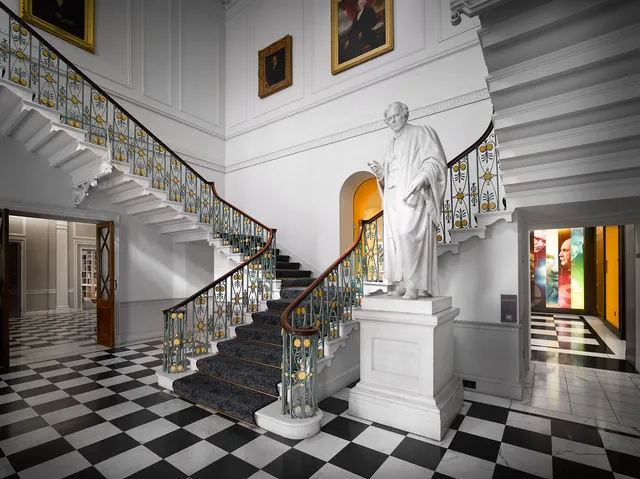
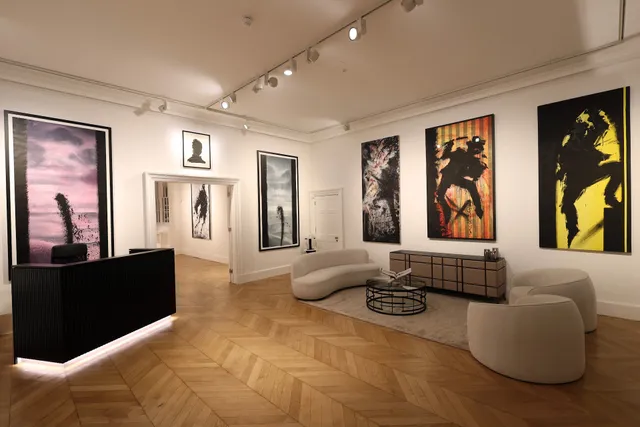
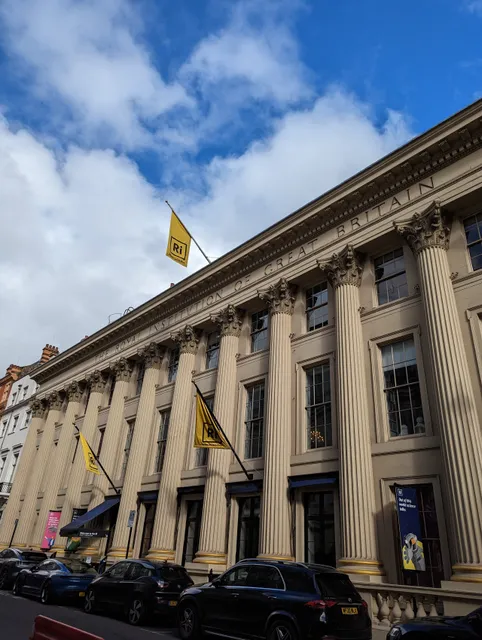
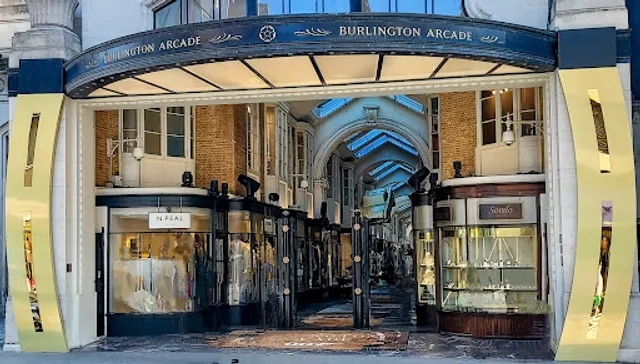
The building itself is a masterpiece, with its stunning architecture adding to the overall experience. The grand entrance and beautifully designed spaces create an ambiance that is both welcoming and awe-inspiring. The addition of the Burlington Gardens wing has only enhanced the Academy's appeal, providing even more space for exhibitions and events.
Finally, the staff and volunteers deserve a special mention for their warm and knowledgeable approach. Whether you're seeking guidance on the exhibits or simply looking to learn more about the Academy's history, they are always ready to assist with a smile.
In essence, the Royal Academy of Arts is more than just a museum or gallery—it's a sanctuary for anyone who loves art. Its ability to connect people with the creative spirit and foster a sense of community makes it a truly special place. A visit to the Royal Academy is not only a visual treat but also an emotional and intellectual journey that stays with you long after you've left. I wholeheartedly recommend this institution to anyone, whether you're a local or a tourist exploring the vibrant cultural scene of London. It’s a place that celebrates art in all its forms and reminds us of the profound impact creativity can have...
Read moreI visited the Enchanted Pasts exhibition at RAA on 9th March which I found, thought provoking; interesting and disturbing, by turns.
There was a lot to see and take in to which end, I had not appreciated that you could pace yourself by, leaving and returning (for comfort breaks) to the exhibition, something that could and should have been promoted, given the magnitude of what was offered. I was there for almost 2 and a half hours and, could have been there for longer, had my stamina not let me down!
Overall, I found the exhibition informative to include, installation/tableau which was situated in the grounds. It would have been helpful, had RAA promoted the fact that, this could be viewed without paying an entrance fee, more widely. More on this point, below.
I felt that, the signage/narrative which accompanied much of the individual works, was too small which led to you having to squint and jockey for position in order to be informed, about the pieces. Surely, in light of the aging population and not withstanding the larger print booklets which were available, this could be improved upon and assist generally, with the flow of the footfall through the exhibition.
It was disappointing that, despite the various concessions offered - there were none at all for seniors. Having enquired about this prior to my attendance, I was informed that it was not possible for RAA to offer this, due to lack of government funding. I am afraid, I do not accept this explanation and, it is my view that, this approach is unfortunate, ill conceived and not thought through given that, in particular, this exhibition could have benefited from greater and concerted efforts to foster and encourage, increased diversity, recognising that seniors are having to contend with limited incomes on their pension in addition to a societal tendency to ignore and neglect, seniors needs per se, almost excluding us from engaging in the arts. I paid the entrance fee (to include a mandatory donation which you could chose not to pay) sacrificing other things to do so however sadly, I recognise that not everyone is in the position to do so. I would therefore urge those who are responsible for this policy/approach, to reconsider RAA's stance. Just because we are getting older, does not mean that we should be effectively excluded, by default. Efforts should be made to make the RAA as accessible as is possible, for ALL/as many as is possible.
All that being said, the exhibition seemed well attended and, I would hope that it would continue to be so, given its content and...
Read moreA Masterpiece Reunited with Its Creator’s Legacy: Flaming June at the Royal Academy of Arts
As a conservation officer at Leighton House Museum, I’ve long been immersed in the artistic genius of Frederic Leighton, but seeing Flaming June at the Royal Academy of Arts was nothing short of breathtaking. This celebrated painting is not only a testament to Leighton’s extraordinary talent but also a symbol of Victorian aesthetic ideals, a masterpiece that continues to captivate audiences more than a century after its creation.
Flaming June is undoubtedly one of Leighton’s most iconic works, celebrated for its vibrant orange hues, the fluidity of the silk drapery, and the serene, almost otherworldly beauty of its subject. The interplay of light and shadow on the figure’s flowing fabric highlights Leighton’s mastery of classical techniques, his ability to breathe life into every detail. The background, with its hints of Mediterranean warmth, evokes a tranquil yet deeply evocative setting, drawing the viewer into an idyllic reverie.
The painting’s history is as fascinating as its artistry. Completed in 1895, Flaming June was initially met with admiration but was later somewhat forgotten as Victorian art fell out of favor in the early 20th century. Rediscovered in the mid-20th century, the painting found its permanent home at the Museo de Arte de Ponce in Puerto Rico, where it has been cherished ever since. Its journey from obscurity to global renown is a testament to the enduring power of great art.
Seeing Flaming June displayed at the Royal Academy feels particularly poignant, as it reunites the work with the broader legacy of Leighton’s artistic contributions. The proximity to Leighton House Museum, the artist’s former home and studio, adds a layer of personal resonance for me. At Leighton House, we work tirelessly to preserve and celebrate his legacy, and experiencing Flaming June in person reminded me why his work continues to inspire generations.
For art enthusiasts, conservators, and anyone captivated by beauty, this exhibition offers a rare chance to stand before a piece that is both a technical marvel and an emotional triumph. It’s not merely a painting—it’s a window into Leighton’s vision, a moment frozen in time, imbued with warmth, grace, and humanity.
The Royal Academy has done an exceptional job curating this experience, and I urge anyone with an appreciation for 19th-century art to see Flaming June while it graces London. For me, it was not just an artistic encounter but a deeply personal moment of connection with...
Read more