St John-at-Hampstead Church things to do, attractions, restaurants, events info and trip planning
Basic Info
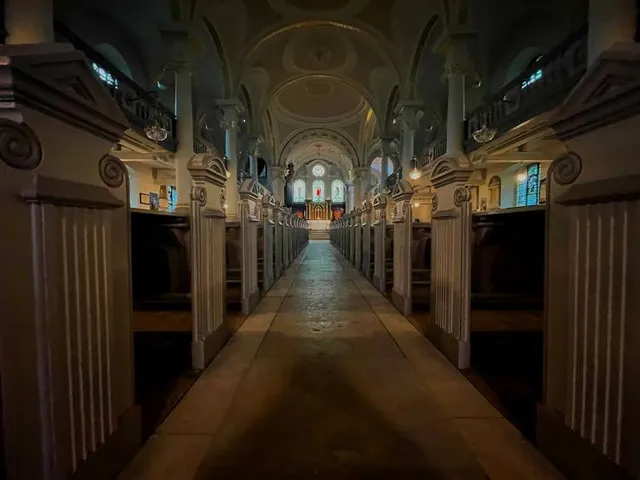
St John-at-Hampstead Church
Church Row, London NW3 6UU, United Kingdom
4.6(135)
Open until 12:00 AM
Save
spot
spot
Ratings & Description
Info
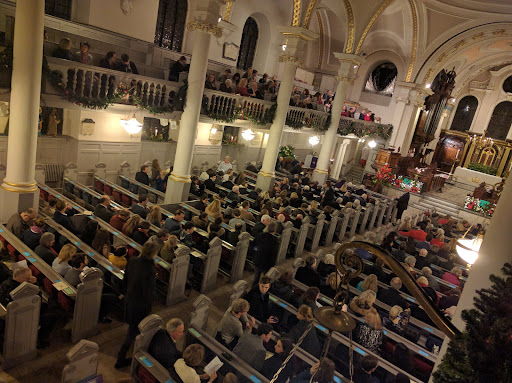
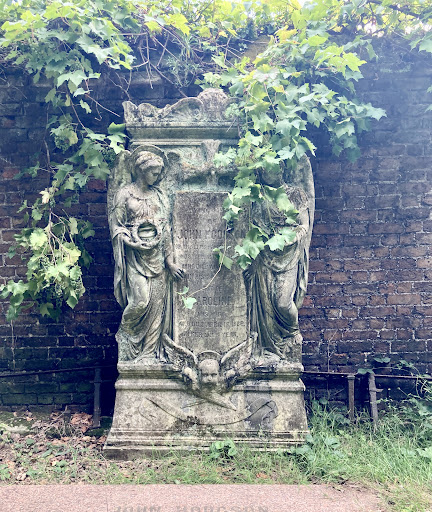
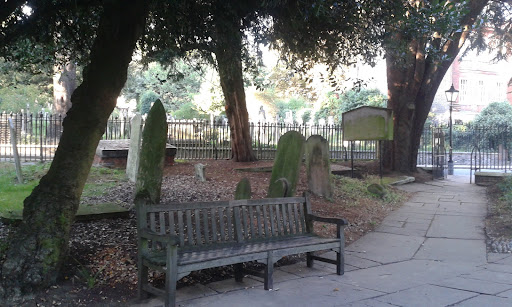
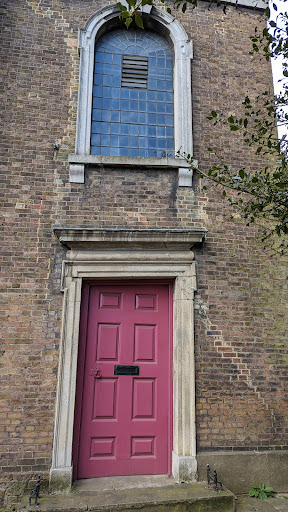
St John-at-Hampstead is a Church of England parish church dedicated to St John the Evangelist in Church Row, Hampstead, London.
Cultural
Scenic
Relaxation
Family friendly
Accessibility
attractions: National Trust - Fenton House and Garden, Zebra One Gallery, Burgh House, Catto Gallery Ltd, Gilden's Art Gallery, Two Poems Gallery, Rosslyn Hill Chapel, Freud Museum London, Spedan Close Childrens Play Area, Keats House, restaurants: The Horseshoe, Hampstead, Spielburger Hampstead, 28 Church Row, Ginger & White, dim t Hampstead, Piccola Ristorante Pizzeria Napoletana, The Holly Bush, Hampstead, The Flask, Louis Patisserie, Mani's, local businesses: The Horseshoe, Venchi Chocolate and Gelato, Cass Art, Brandy Melville, Hampstead Hardware, Walfinch Home Care Hampstead and Camden, Hampstead Community Centre, Boots, Hampstead Au Pair & Nanny Agency, Yuhei Hair Salon (YUKO Hair Straightening Specialist)
 Learn more insights from Wanderboat AI.
Phone
+44 20 7794 5808
Website
hampsteadparishchurch.org.uk
Open hoursSee all hours
SunOpen 24 hoursOpen
Plan your stay

Pet-friendly Hotels in London
Find a cozy hotel nearby and make it a full experience.

Affordable Hotels in London
Find a cozy hotel nearby and make it a full experience.

The Coolest Hotels You Haven't Heard Of (Yet)
Find a cozy hotel nearby and make it a full experience.

Trending Stays Worth the Hype in London
Find a cozy hotel nearby and make it a full experience.
Reviews
Live events
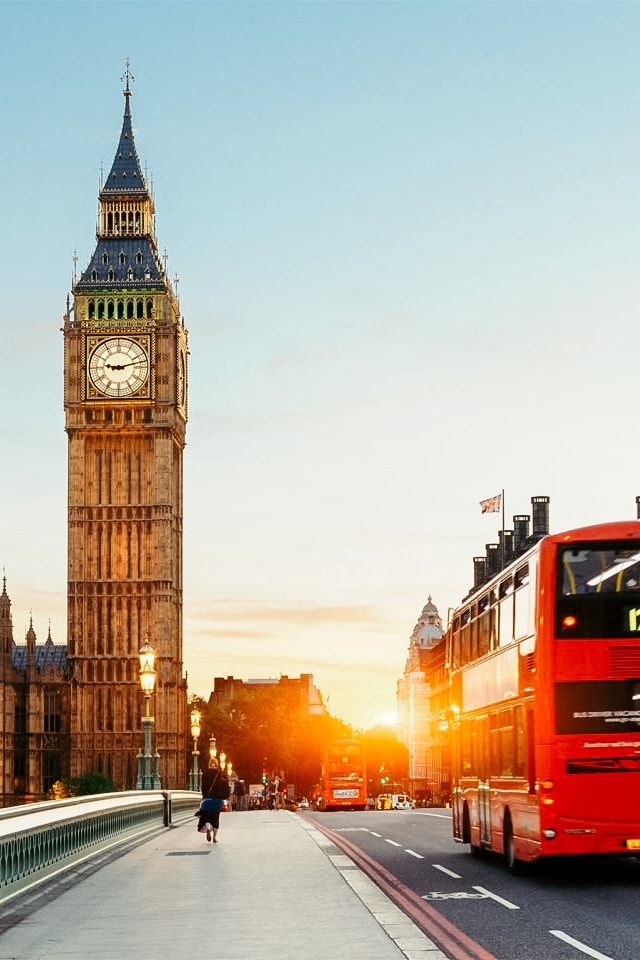
Explore 30+ London sights
Mon, Feb 16 • 10:00 AM
Greater London, W1J 9BR, United Kingdom
View details

Top-Rated London Harry Potter Tour—Family Friendly
Mon, Feb 16 • 9:30 AM
Greater London, N1 9AP, United Kingdom
View details
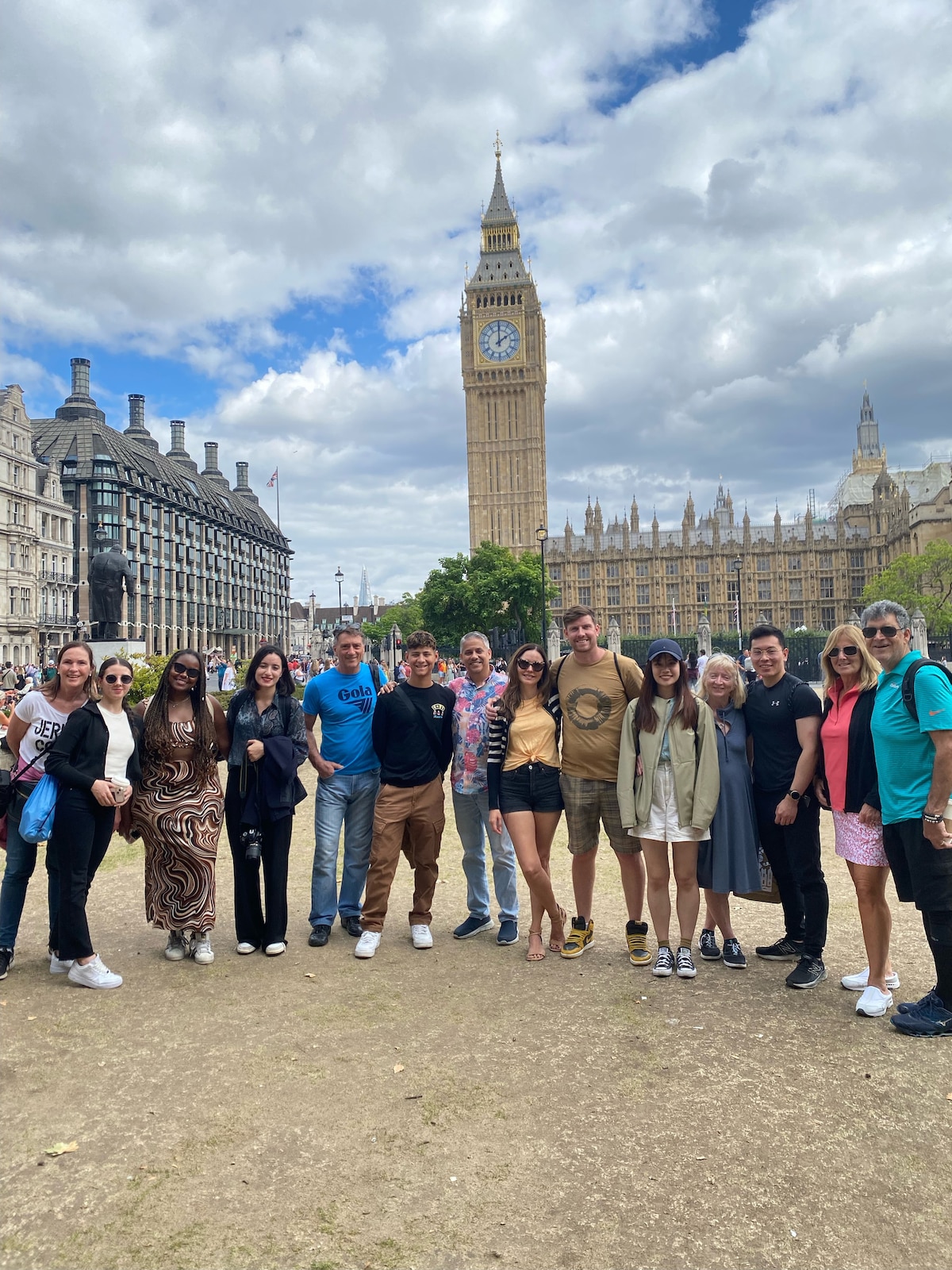
London sightseeing walking tour with 30 sights
Mon, Feb 16 • 10:00 AM
Greater London, SW1E 5EA, United Kingdom
View details
Nearby attractions of St John-at-Hampstead Church
National Trust - Fenton House and Garden
Zebra One Gallery
Burgh House
Catto Gallery Ltd
Gilden's Art Gallery
Two Poems Gallery
Rosslyn Hill Chapel
Freud Museum London
Spedan Close Childrens Play Area
Keats House
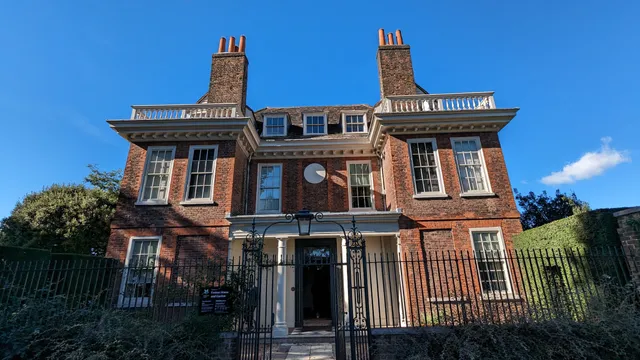
National Trust - Fenton House and Garden
4.5
(313)
Open until 12:00 AM
Click for details

Zebra One Gallery
4.8
(10)
Open until 12:00 AM
Click for details
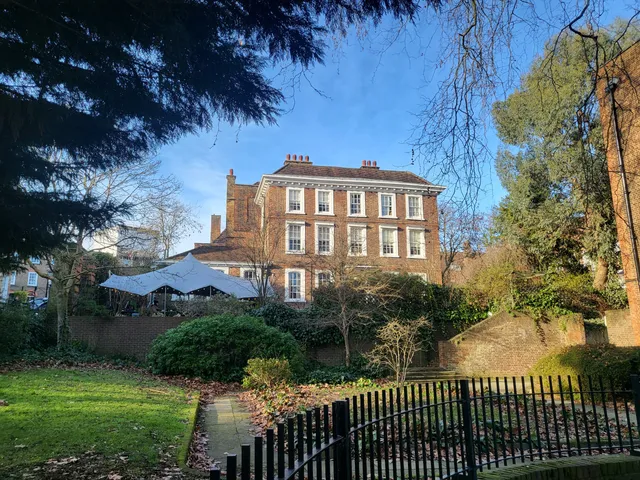
Burgh House
4.6
(353)
Open until 12:00 AM
Click for details
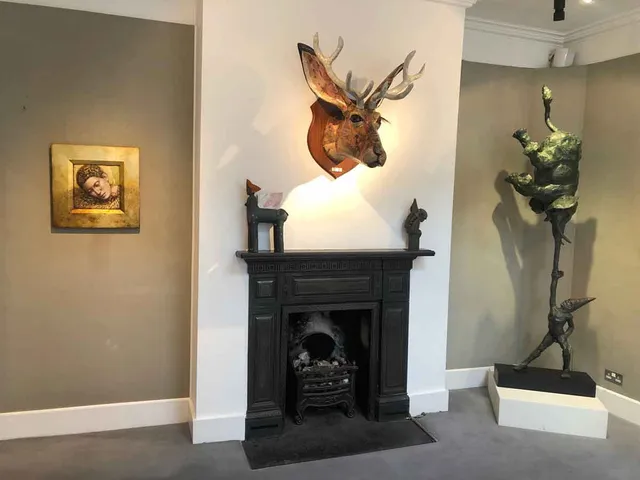
Catto Gallery Ltd
4.9
(37)
Closed
Click for details
Nearby restaurants of St John-at-Hampstead Church
The Horseshoe, Hampstead
Spielburger Hampstead
28 Church Row
Ginger & White
dim t Hampstead
Piccola Ristorante Pizzeria Napoletana
The Holly Bush, Hampstead
The Flask
Louis Patisserie
Mani's
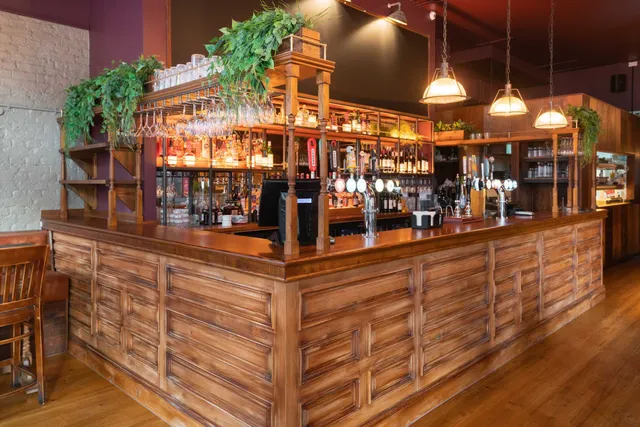
The Horseshoe, Hampstead
4.4
(647)
$$
Open until 10:30 PM
Click for details
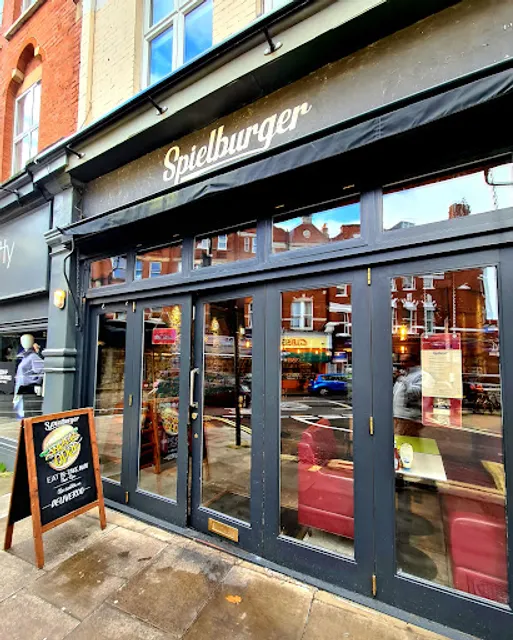
Spielburger Hampstead
4.5
(356)
Open until 11:00 PM
Click for details
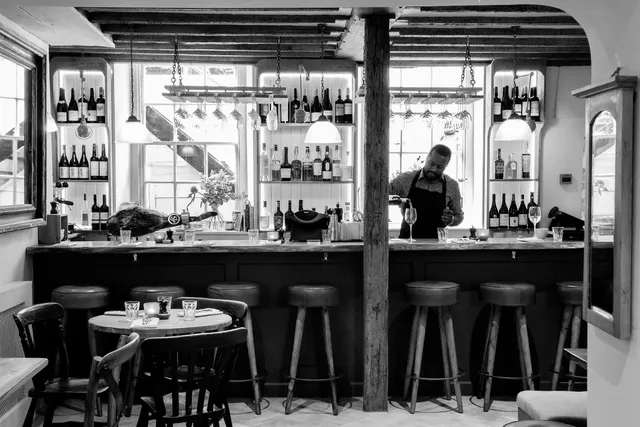
28 Church Row
4.7
(256)
Open until 9:30 PM
Click for details
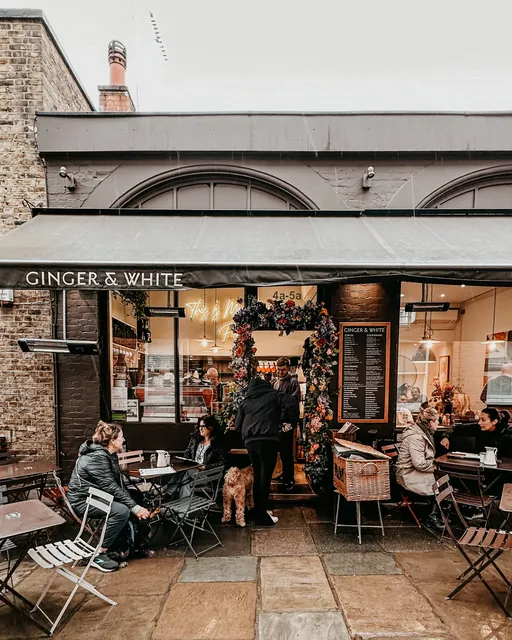
Ginger & White
4.5
(526)
Closed
Click for details
Nearby local services of St John-at-Hampstead Church
The Horseshoe
Venchi Chocolate and Gelato
Cass Art
Brandy Melville
Hampstead Hardware
Walfinch Home Care Hampstead and Camden
Hampstead Community Centre
Boots
Hampstead Au Pair & Nanny Agency
Yuhei Hair Salon (YUKO Hair Straightening Specialist)
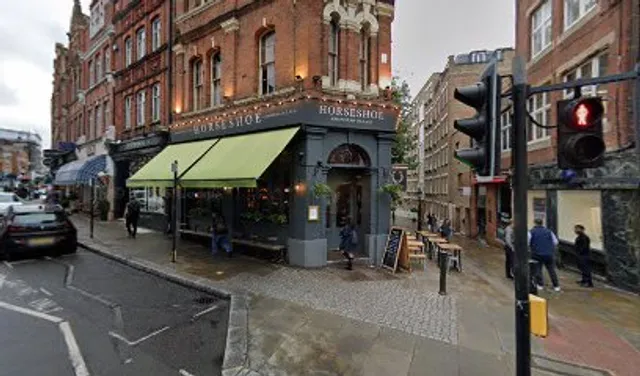
The Horseshoe
4.4
(645)
Click for details
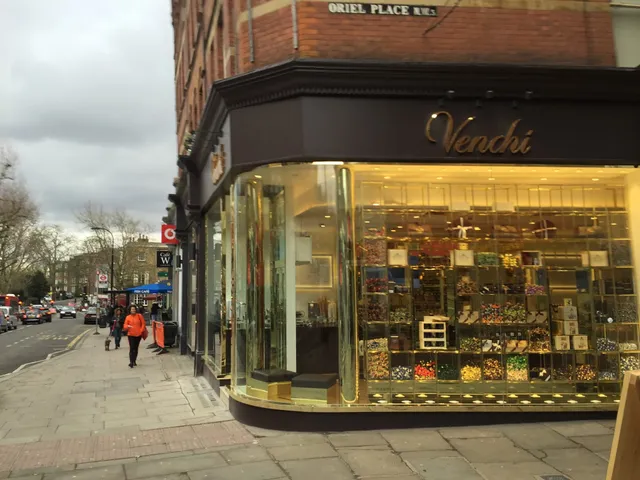
Venchi Chocolate and Gelato
4.6
(572)
Click for details
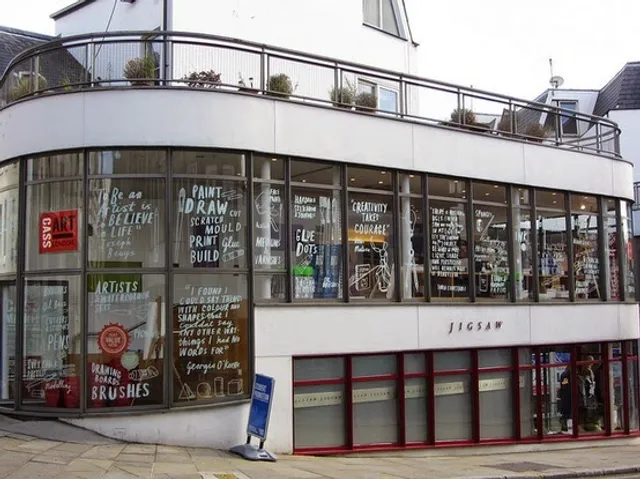
Cass Art
4.5
(140)
Click for details
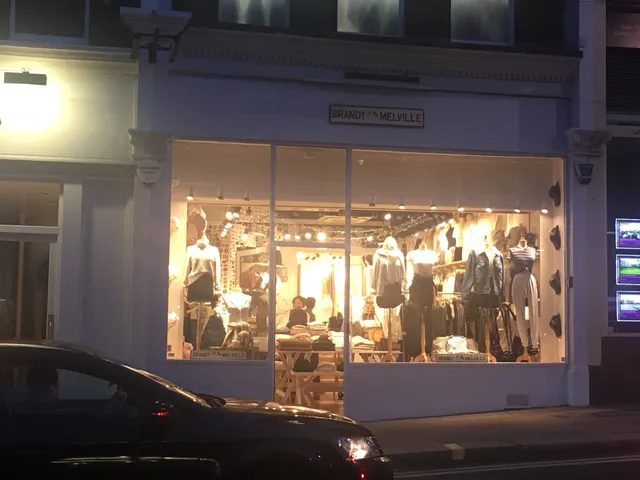
Brandy Melville
2.9
(60)
Click for details


The hit list



Plan your trip with Wanderboat
Welcome to Wanderboat AI, your AI search for local Eats and Fun, designed to help you explore your city and the world with ease.
Powered by Wanderboat AI trip planner.