The House Mill things to do, attractions, restaurants, events info and trip planning
Basic Info
The House Mill
The Miller’s House, Three Mill Ln, London E3 3DU, United Kingdom
4.5(109)
Open until 12:00 AM
Save
spot
spot
Ratings & Description
Info
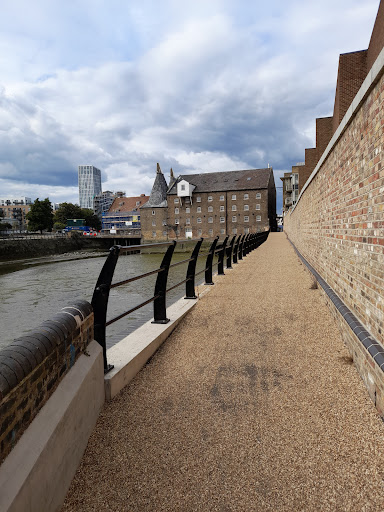
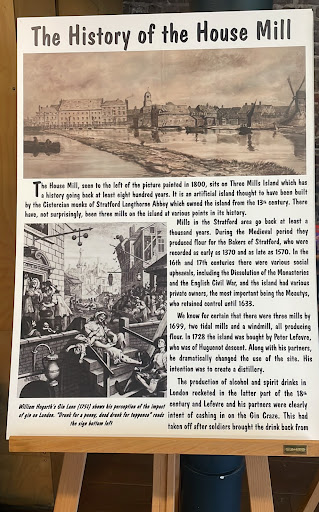
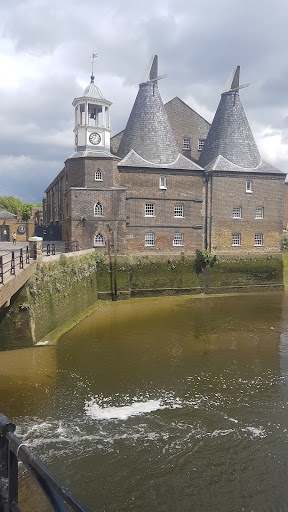
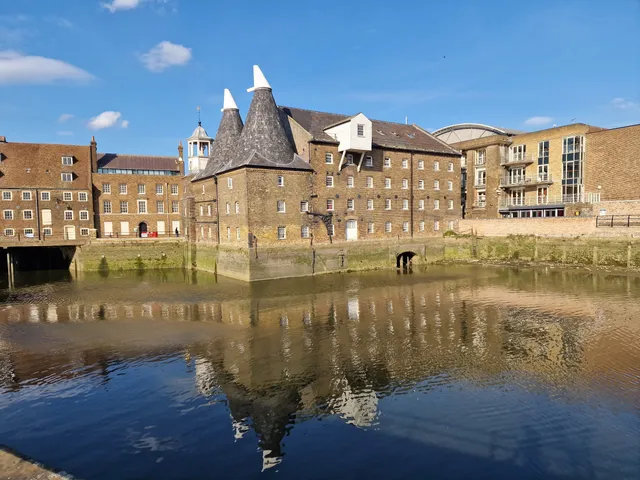
The House Mill is a major Grade I listed building on the River Lea in Mill Meads, and part of the Three Mills complex. The original tidal mills at this site date back to the Domesday book of 1086, and the present structure of the House Mill was built in 1776 by Daniel Bisson.
Cultural
Scenic
Family friendly
Accessibility
attractions: Three Mills Green & Three Mills Island, ABBA Arena, Bow Church, Masjid e Ilyas Markaz Tableegh, Nunnery Gallery, Grove Hall Park, Bow Arts Trust, restaurants: Galvanisers Union, The Print House at Jim & Tonic East, The Print House at Jim & Tonic East, Dream Bean Coffee, Baba’s Coffee, Stroudley Grill & PFC, McDonald's, The Rum House at Jim & Tonic East, The Bow Bells, Root25, local businesses: Waves Hand Car Wash Bromley-by-Bow, The Gym Group London Bromley By Bow, Private Chef Giovanni, Riverstone Heights by Way of Life, Bromley by Bow Centre, Kingsley Hall, Al-Amin Electrical Contractor, Bow Community Hub, Tower Hamlets Bromley by Bow Sainsbury's (Argos Collection Point), City Hustle Gym
 Learn more insights from Wanderboat AI.
Phone
+44 20 8980 4626
Website
housemill.org.uk
Open hoursSee all hours
TueClosedOpen
Plan your stay

Pet-friendly Hotels in London
Find a cozy hotel nearby and make it a full experience.

Affordable Hotels in London
Find a cozy hotel nearby and make it a full experience.

The Coolest Hotels You Haven't Heard Of (Yet)
Find a cozy hotel nearby and make it a full experience.

Trending Stays Worth the Hype in London
Find a cozy hotel nearby and make it a full experience.
Reviews
Live events
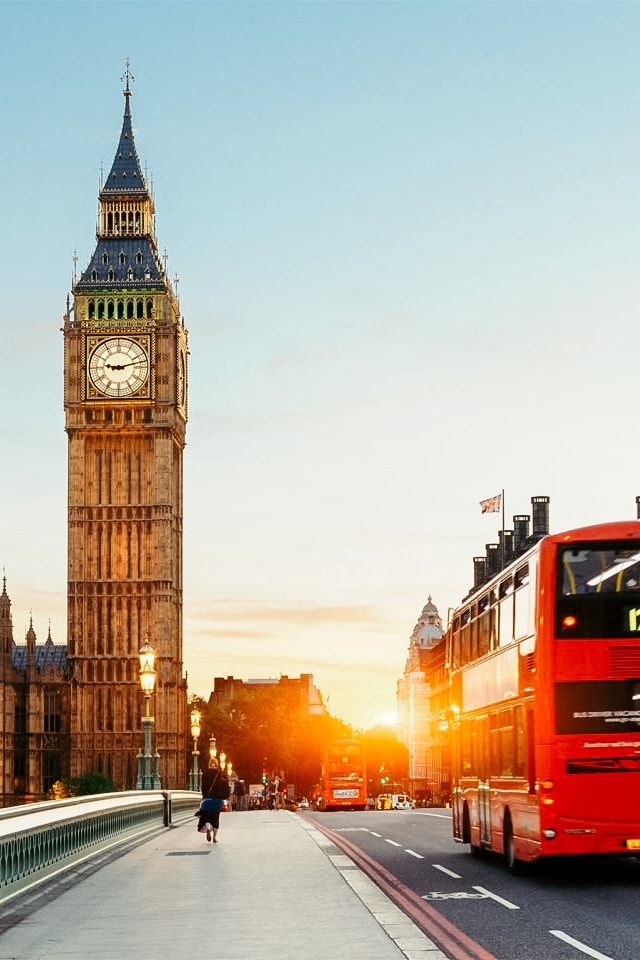
Explore 30+ London sights
Tue, Feb 24 • 10:00 AM
Greater London, W1J 9BR, United Kingdom
View details
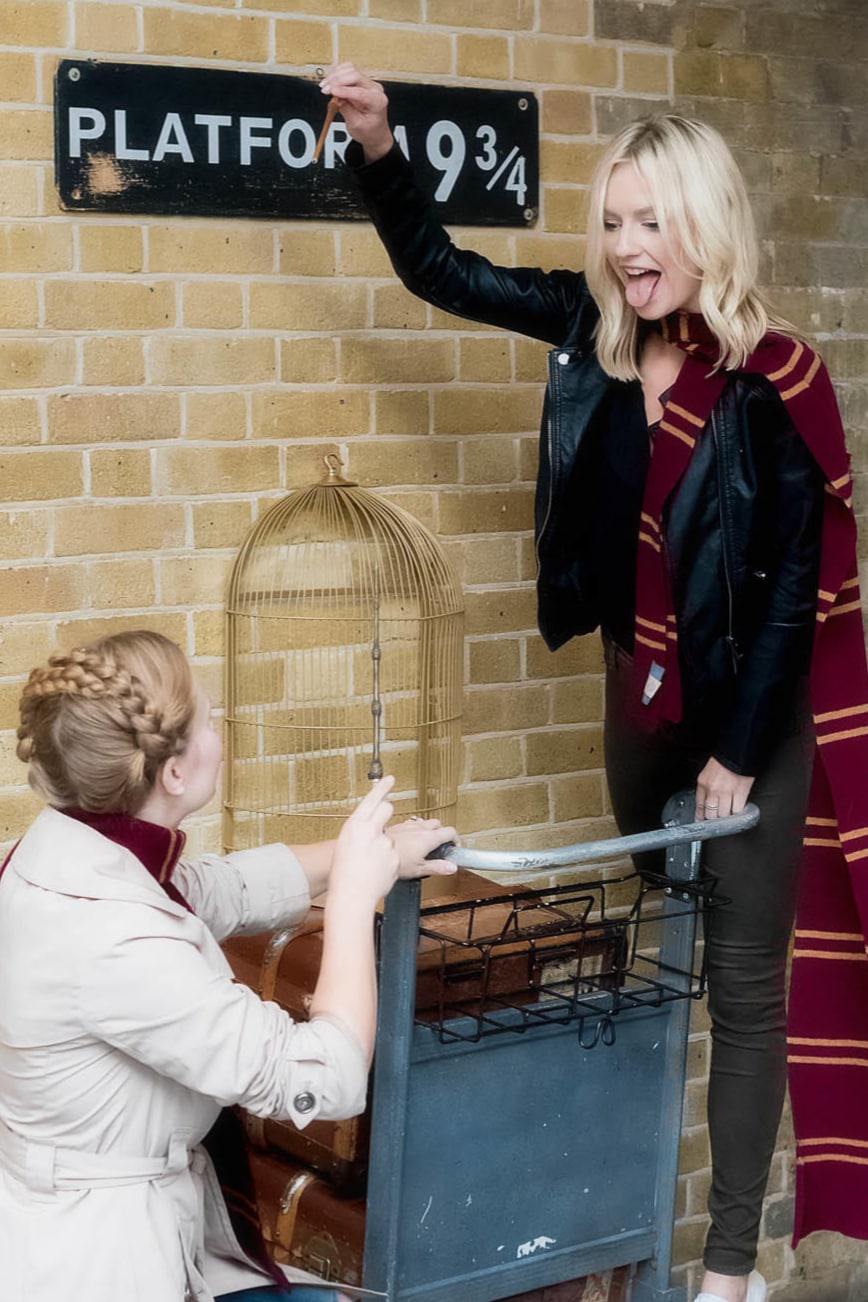
Top-Rated London Harry Potter Tour—Family Friendly
Tue, Feb 24 • 9:30 AM
Greater London, N1 9AP, United Kingdom
View details
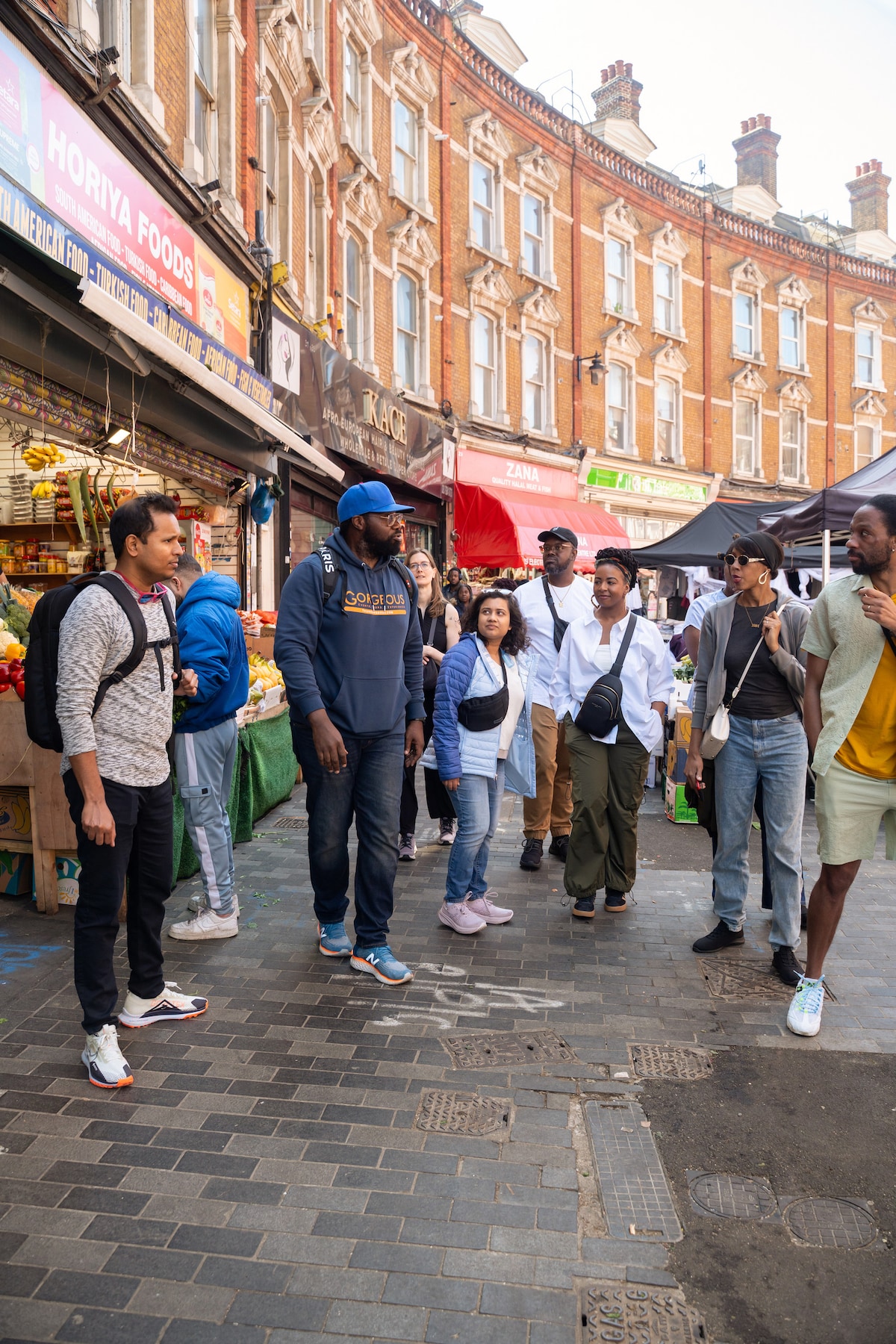
Obis African and Caribbean Food Tour in Brixton
Tue, Feb 24 • 12:00 PM
Greater London, SW9 8EA, United Kingdom
View details
Nearby attractions of The House Mill
Three Mills Green & Three Mills Island
ABBA Arena
Bow Church
Masjid e Ilyas Markaz Tableegh
Nunnery Gallery
Grove Hall Park
Bow Arts Trust
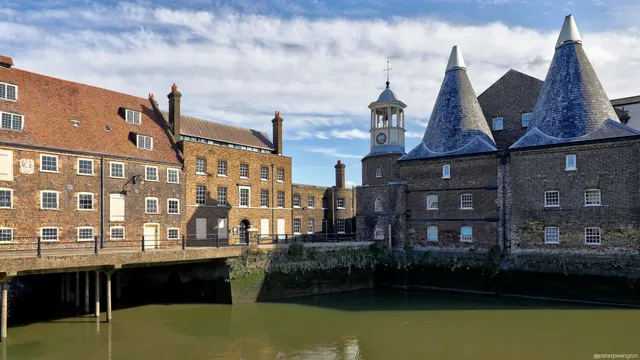
Three Mills Green & Three Mills Island
4.4
(75)
Open until 12:00 AM
Click for details
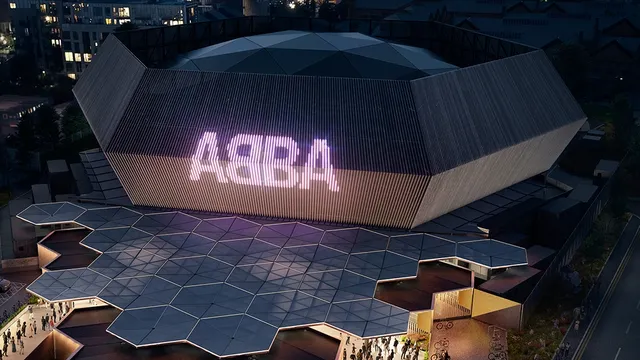
ABBA Arena
4.9
(7K)
Open until 12:00 AM
Click for details
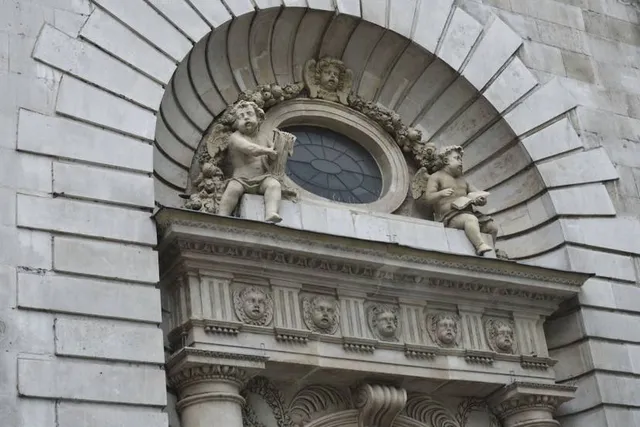
Bow Church
4.4
(183)
Open until 12:00 AM
Click for details
Masjid e Ilyas Markaz Tableegh
4.8
(274)
Open 24 hours
Click for details
Nearby restaurants of The House Mill
Galvanisers Union
The Print House at Jim & Tonic East
The Print House at Jim & Tonic East
Dream Bean Coffee
Baba’s Coffee
Stroudley Grill & PFC
McDonald's
The Rum House at Jim & Tonic East
The Bow Bells
Root25
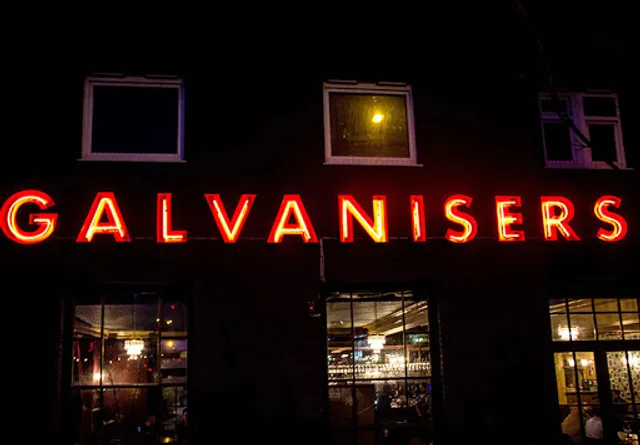
Galvanisers Union
4.3
(297)
Click for details
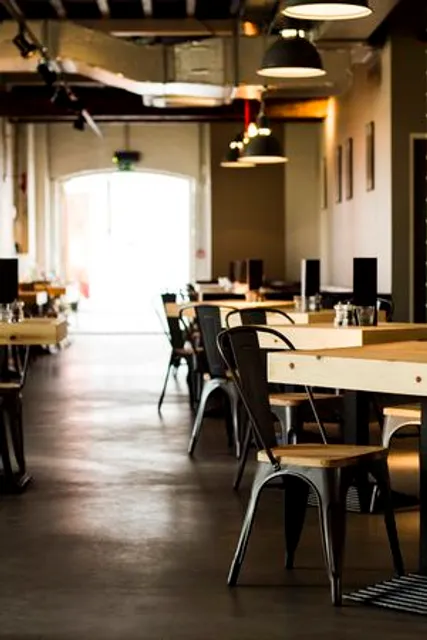
The Print House at Jim & Tonic East
4.3
(427)
Closed
Click for details

The Print House at Jim & Tonic East
4.3
(441)
Closed
Click for details
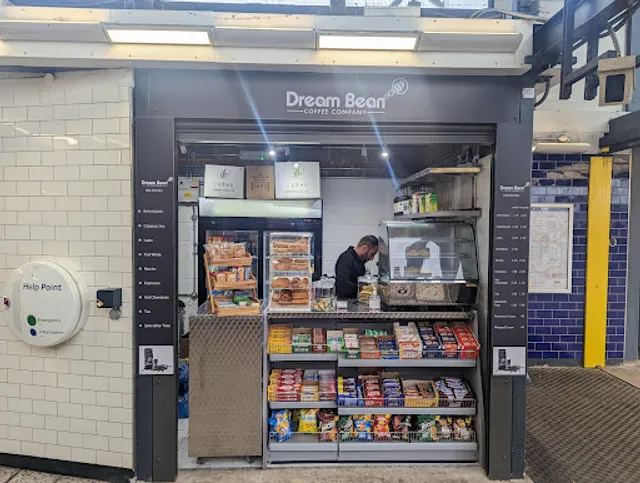
Dream Bean Coffee
4.7
(30)
Open until 2:00 PM
Click for details
Nearby local services of The House Mill
Waves Hand Car Wash Bromley-by-Bow
The Gym Group London Bromley By Bow
Private Chef Giovanni
Riverstone Heights by Way of Life
Bromley by Bow Centre
Kingsley Hall
Al-Amin Electrical Contractor
Bow Community Hub
Tower Hamlets Bromley by Bow Sainsbury's (Argos Collection Point)
City Hustle Gym
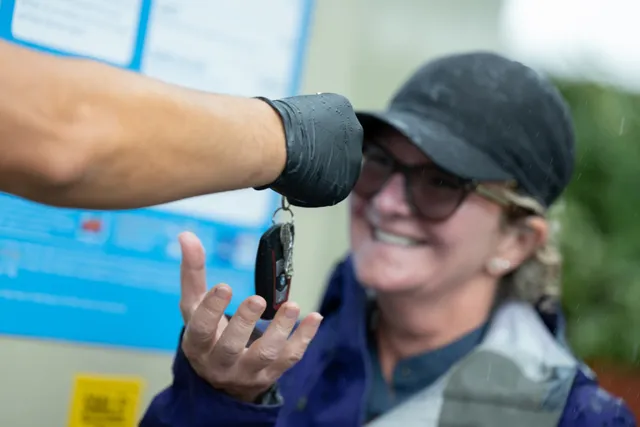
Waves Hand Car Wash Bromley-by-Bow
4.0
(171)
Click for details

The Gym Group London Bromley By Bow
4.6
(185)
Click for details
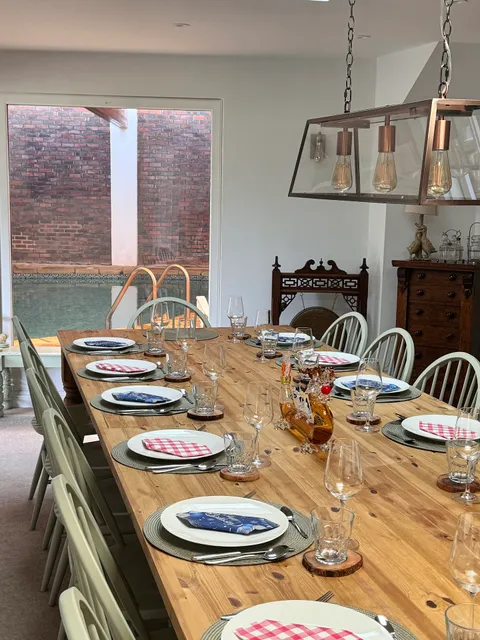
Private Chef Giovanni
5.0
(54)
Click for details
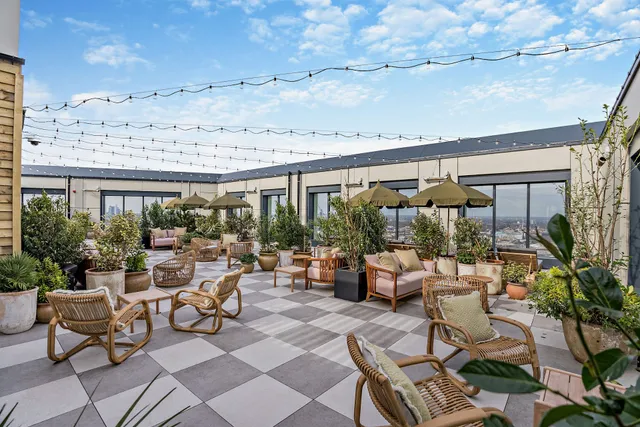
Riverstone Heights by Way of Life
4.8
(94)
Click for details


The hit list
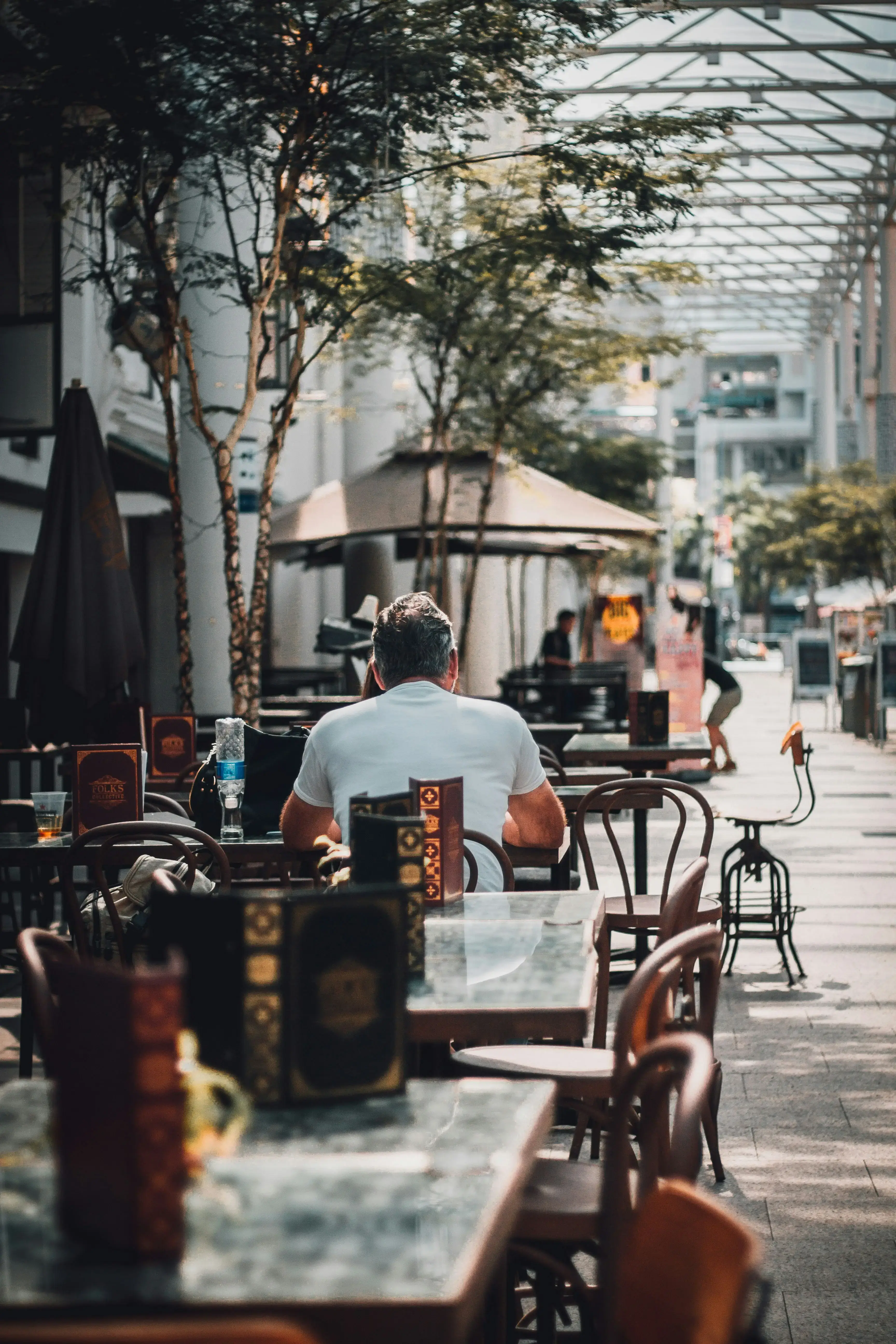


Plan your trip with Wanderboat
Welcome to Wanderboat AI, your AI search for local Eats and Fun, designed to help you explore your city and the world with ease.
Powered by Wanderboat AI trip planner.